Canadian travel to the U.S. grew for a fifth consecutive month in August, rising 8.8% year-over-year despite ongoing trade tensions. However, overall cross-border volume remains more than 22% below 2024 levels.
Key Takeaways
1Return trips by Canadian residents rose 8.8% year-over-year in August, marking five months of gains.
2Automobile travel increased 9.9% while air arrivals grew 3.6% compared to the previous year.
3Total visits remain depressed compared to 2024, with car trips down 27.4% and air travel down 22.7%.
Hilton's global chief marketing officer and head of luxury brands, Mark Weinstein, has stepped down after more than 16 years with the company. An immediate successor has not yet been named to oversee the brand's global marketing and 28 hotel flags.
Key Takeaways
1Mark Weinstein departs Hilton after serving as global CMO and luxury head across 9,200+ properties.
2During his tenure, he launched major campaigns including 'Hilton. For the Stay' and grew Hilton Honors tenfold to 250M members.
3Hilton has not yet named an immediate successor for the global CMO position.
Google has redesigned its hotel search interface across Europe to comply with EU antitrust regulations, introducing dedicated sections for both aggregators and direct suppliers.
Key Takeaways
1New interface separates results into direct 'supplier' and OTA 'aggregator' units
2Top-ranked OTA results expand by default in the new aggregator section
3Design changes aim to avoid severe antitrust penalties from European Union regulators
Hyatt Hotels has launched a long-term loyalty partnership with Delta Air Lines offering reciprocal earning benefits, replacing its previous tie-up with American Airlines. The collaboration allows elite members of both programs to earn hotel points and airline miles across stays and flights.
Key Takeaways
1Eligible World of Hyatt elites will earn points on Delta flights, while SkyMiles Medallion members will earn miles on Hyatt stays.
2The move directly follows Hyatt's decision to terminate its loyalty partnership with American Airlines.
3World of Hyatt membership grew 17% year-over-year to reach 69 million members in Q2 2026.
With 75% of event planners sourcing venues through AI tools like ChatGPT, hotels risk losing corporate bookings unless they optimize for large language models. Venues must replace vague marketing with structured, highly specific data regarding meeting room dimensions, AV capacity, and pricing.
Key Takeaways
194% of hotels fail to appear in AI search queries despite 75% of event planners using AI to source venues.
2AI chatbots prioritize structured, granular data like floorplans, capacities, and transit links over brand recognition.
3Venues with comprehensive third-party listings are up to 50% more likely to be cited by AI platforms.
Klook has upgraded its Kreator Shops tool across 88 markets, enabling 30,000 influencers to sell complete travel itineraries directly to their followers. The feature consolidates hotels, dining, and activities into single bookable storefronts rather than standalone affiliate links.
Key Takeaways
1Kreator Shops rolled out to over 30,000 creators across 88 global markets
2Followers can book hotels, transportation, dining, and attractions in one storefront
3Strategy shifts creator marketing from viral single-product links to multi-day itineraries
Google is significantly scaling back its travel search features in the European Union to comply with Digital Markets Act antitrust regulations. The changes remove live pricing filters, split booking channels into separate units, and eliminate the vacation rentals search module entirely.
Key Takeaways
1Search results in the EU now split into two separate units for third-party aggregators and direct suppliers.
2EU users lose direct search tools for checking live hotel pricing, filtering dates, or applying descriptive tags.
3Google is completely removing its dedicated vacation rentals unit from European search results.
U.S. business travel is rebounding as 37 percent of Americans report traveling more for work than pre-pandemic, led by tech workers and Gen Z. Business travelers average 10 nights annually, increasingly prioritizing bleisure amenities, free breakfast, and flexible check-in.
Key Takeaways
1Technology workers travel 50% more than pre-pandemic, averaging a $264 nightly hotel budget.
2Gen Z logs the most business trips but shows lower brand loyalty than older demographics.
3Key amenity priorities include free breakfast (49%), loyalty rewards (39%), and flexible check-in (37%).
Generative AI tools are producing hyper-realistic fake hotel walkthroughs, posing serious reputation and fraud risks for hospitality brands. Hoteliers face increasing challenges in protecting their brand integrity and managing guest expectations against fabricated content.
Key Takeaways
1AI video generators can fabricate non-existent hotel amenities, views, and room interiors
2Misleading synthetic videos risk guest disputes, chargebacks, and reputational damage
3Brands need clearer verification standards and proactive digital asset monitoring
A new Skift Research survey reveals that bank and credit card loyalty programs have surpassed hotel and airline schemes as the most rewarding for travelers. Hotels now rank second in consumer preference, facing stiff competition for direct customer relationships from financial institutions.
Key Takeaways
1Credit card and bank programs ranked most rewarding by 32% of surveyed travelers
2Hotel loyalty programs placed second at 26%, while airlines trailed at 20%
3Online travel agencies fell far behind, earning just 8% of traveler preference
Airbnb has appointed former Tripadvisor and Booking.com executive Pepijn Rijvers as chief business officer to oversee homes, hotels, and enterprise operations. The appointment signals Airbnb's intensifying push into the hotel sector following a recent expansion partnership with Lark Hotels.
Key Takeaways
1Pepijn Rijvers brings over a decade of OTA experience from Booking.com and Tripadvisor to lead Airbnb's hotel and enterprise divisions.
2Rijvers replaces former CFO and inaugural CBO Dave Stephenson, who established the platform's initial hotel business.
3The move coincides with Airbnb's active expansion into boutique lodging, including a recent deal adding 75 Lark Hotels properties.
Chinese outbound travel planning is increasingly driven by domestic AI chatbots, which narrow down destinations and properties before consumers even begin direct research. A study of major Chinese LLMs reveals that brands must optimize for generative AI engines to make the initial consideration shortlist.
Key Takeaways
1Study tested 240 queries across Baidu ERNIE, ByteDance Doubao, Alibaba Tongyi Qianwen, DeepSeek, and Tencent Yuanbao.
2AI chatbots act as gatekeepers early in the funnel by excluding unmentioned destinations and hotels entirely.
3Hotels must adapt SEO and digital marketing strategies to optimize for Chinese AI discovery engines.
A new Hyatt study reveals that 90% of business travelers view their hotel room as the only place to unwind, with nearly half skipping networking events for downtime. The findings highlight high demand for core amenities like fast Wi-Fi, comfortable bedding, and 24-hour food options as Hyatt rapidly expands its Essentials portfolio.
Key Takeaways
190% of business travelers consider their hotel room the only space they feel truly 'off the clock.'
2Top traveler priorities include comfortable beds, reliable Wi-Fi, 24/7 food access, and complimentary breakfast.
3Hyatt expanded its select-service Essentials portfolio by nearly 70 hotels in the first half of 2026.
Hotel owners are raising concerns as synthetic AI-generated videos and fake creators promote non-existent room features to earn booking commissions on TikTok Go.
Key Takeaways
1TikTok Go's booking feature is being exploited by AI-generated creators promoting hotels with fabricated amenities.
2Hotels like Ambiente Sedona report viral videos marketing non-existent suites and features to drive affiliate bookings.
Hotel de la Coupole Sapa – MGallery Collection is launching a month-long art exhibition and four-hands culinary event to align with the regional rice harvest season. The cultural programming is part of the brand's Heritage Days initiative to drive destination-focused guest engagement.
Key Takeaways
1Exhibition features 28 works by five contemporary Vietnamese artists from September 25 to October 25.
2Culinary collaboration includes a four-hands dinner with Michelin-starred chef Nicolai P. Wiedmer.
3Event forms part of MGallery Collection's 2026 Heritage Days cultural programming.
Novotel has unveiled an annual 'Longevity Week' campaign featuring daily wellness rituals, digital masterclasses, and F&B loyalty incentives across its global portfolio. The initiative follows a 13,000-person study showing high consumer demand for practical, science-backed wellness routines during travel.
Key Takeaways
1Global campaign activates across Novotel's 630+ properties with on-site programming and streaming masterclasses.
2Brand research reveals 71% of global consumers prioritize future wellbeing, but many struggle with implementation.
3Integrates F&B loyalty rewards for plant-forward dining choices to drive ALL Accor member engagement.
Airbnb is testing a program that reduces host service fees when reservations are made via custom direct booking links. The move allows hosts to market listings directly across email and social media while processing reservations through Airbnb's core platform.
Key Takeaways
1Airbnb is rolling out direct booking links to select hosts via their Listing editor
2Bookings generated through these host-shared links qualify for a discounted service fee
3All direct-link reservations remain on the Airbnb platform and retain AirCover protections
A new Booking.com survey reveals that 88% of travelers view trip expenses as worthwhile, regularly making financial sacrifices and utilizing flexible payments to travel. Hoteliers can leverage this demand as guests increasingly prioritize convenience and memorable experiences over lowest-cost options.
Key Takeaways
168% of travelers cut everyday spending and 48% take on side jobs to afford travel.
269% use installment or buy-now-pay-later plans, with 24% stating they would forgo trips without them.
390% of respondents agree value is not just the lowest price, prioritizing convenience and hassle-free stays.
Escalating tariff disputes and political tensions between the U.S. and Canada threaten to derail a nascent recovery in inbound Canadian tourism. The conflict comes immediately after four consecutive months of year-over-year gains in cross-border travel.
Key Takeaways
1U.S. tariffs and Canadian retaliatory measures risk stalling cross-border travel demand.
2Canadian visits to the U.S. had reached four consecutive months of year-over-year growth.
3Longwoods International reported 28% of Canadians visited the U.S. in the past six months, up from 23% last year.
Marriott plans to expand across 100 cities in India despite a 9.4% drop in foreign tourist arrivals in 2025. CEO Anthony Capuano urged stronger public-private marketing partnerships, noting that domestic travelers currently drive 70% of the chain's demand in the country.
Key Takeaways
1Marriott is expanding into 100 cities across India to capture growing travel demand
2Domestic travelers currently account for roughly 70% of Marriott's business in India
3India's foreign tourist arrivals fell 9.4% in 2025 to 9 million, representing 1.4% of global arrivals
Croatia's Maslina Resort is leveraging the growing luxury 'villa-cation' trend to drive high-end, multi-generational bookings during the shoulder season. The property pairs private residential living with five-star amenities to capture market share in the booming $26.5B luxury vacation rental sector.
Key Takeaways
1Villas represented roughly 49% of the $26.5 billion global luxury vacation rental market in 2024.
2Maslina Resort targets multi-generational groups, silver travelers, and shared-cost friend groups to fill shoulder-season capacity.
3Croatia's Adriatic coast recorded 9.6 million online guest nights booked in Q2 2025, signaling sustained regional demand.
VisitEngland estimates 10.6 million Britons will take an overnight domestic trip over the August bank holiday, injecting £4.3 billion into the local economy. The surge offers crucial relief to hospitality operators following a decline in domestic overnight stays earlier this year.
Key Takeaways
110.6 million Brits plan overnight domestic trips, generating an estimated £4.3B for the economy.
2An additional 5.8 million people remain undecided, holding out for last-minute weather updates and deals.
3Coastal domestic trips are down 18% year-on-year, prompting a £2M autumn recovery campaign from VisitEngland.
Fred Dixon is stepping down as CEO of Brand USA to return to NYC Tourism + Conventions as president and CEO. Dixon's departure is effective November 13, and he officially takes the helm at the New York DMO on December 1.
Key Takeaways
1Fred Dixon departs Brand USA on November 13 to rejoin NYC Tourism + Conventions.
2Dixon officially starts his new role as NYC Tourism CEO on December 1.
3Brand USA announced that the search for its next CEO is actively underway.
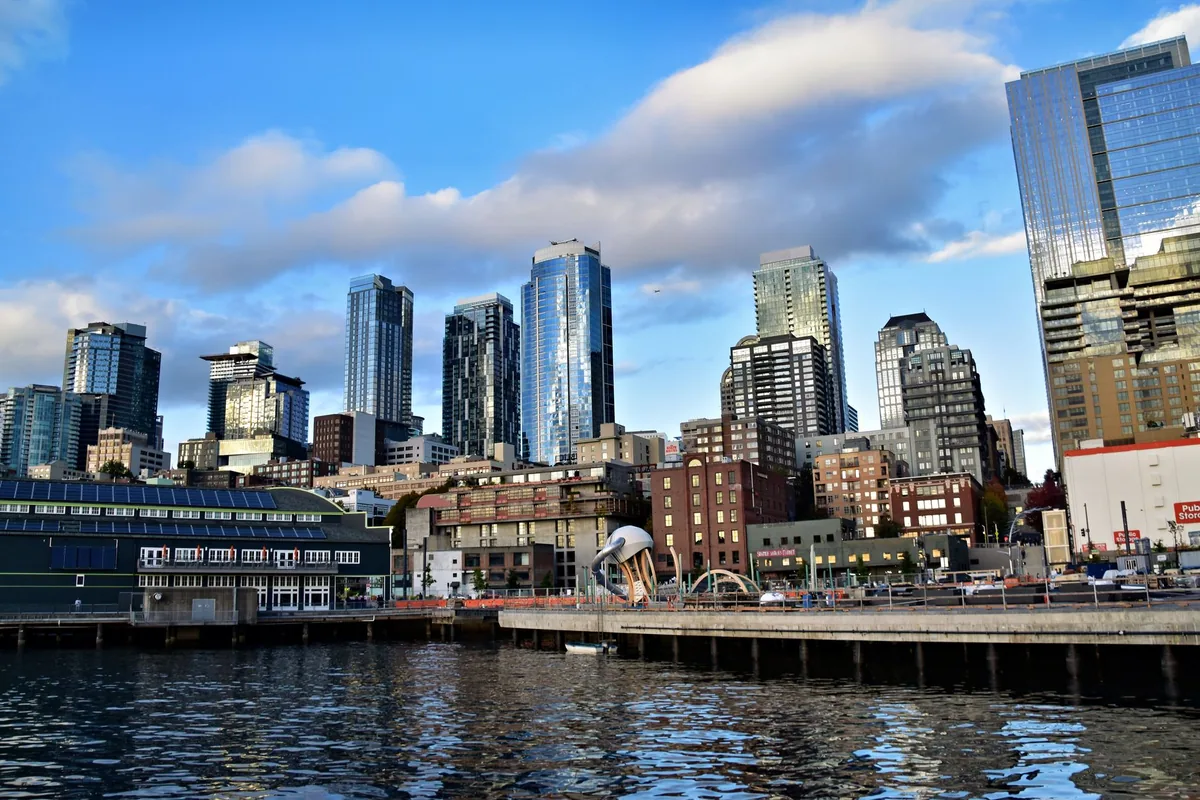
AAA ranks Seattle, Orlando, and Boston as the top domestic travel spots for Labor Day weekend, driven by cruise demand and national park tourism. Travel costs remain elevated, with domestic airfares and gas prices trending higher year-over-year.
Key Takeaways
1Seattle, Orlando, Boston, Denver, and New York lead AAA's top five Labor Day weekend domestic destinations.
2Domestic airfares to top destinations average nearly $800, up 20% compared to last year.
3High demand for Alaska cruises and national park road trips is driving regional hotel and car rental bookings.
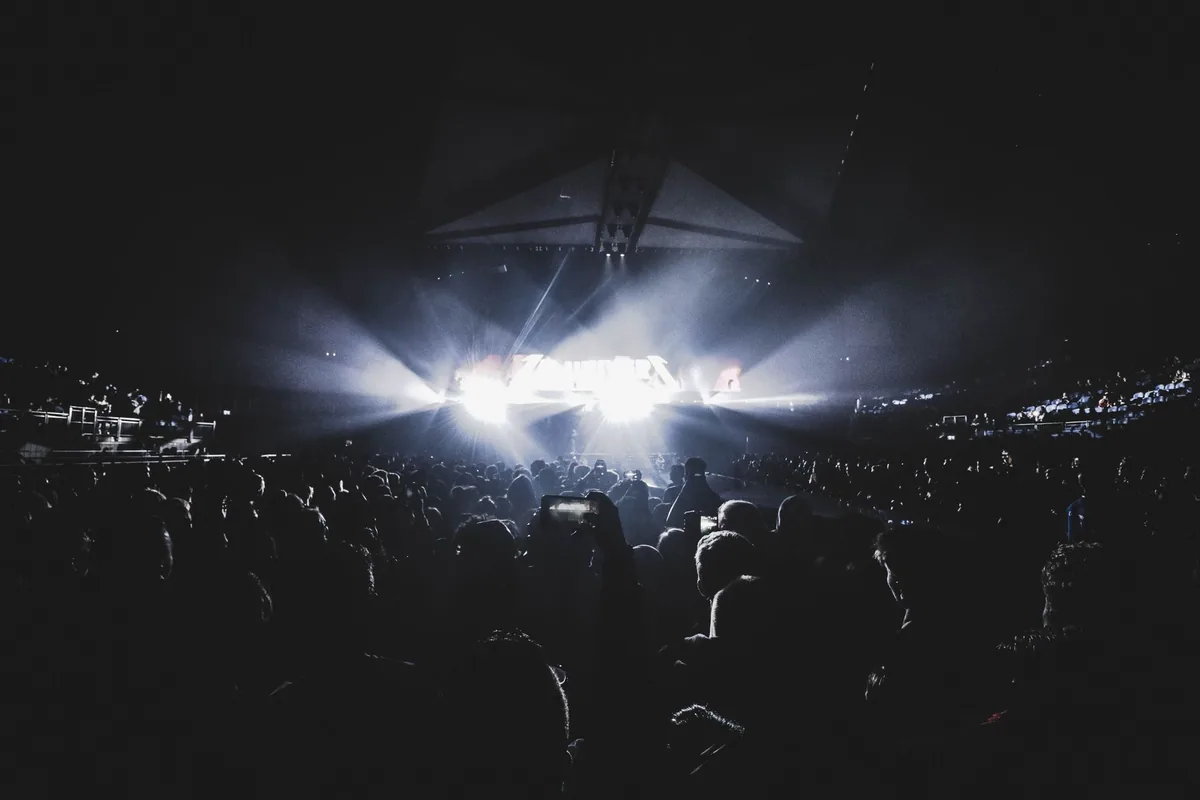
Live entertainment and sports have become primary drivers for travel, concentrating massive visitor spending into tight booking windows. Destinations and hoteliers must build permanent capacity and partnerships to capture ancillary spend and drive repeat visits.
Key Takeaways
1Entertainment-driven bookings surged 74% year-over-year according to Trip.com data, with over 70% of travelers planning trips around live events.
2Skift Research indicates 84% of event tourists explore beyond the venue, spending heavily on hotels, dining, retail, and local transport.
3Operators are shifting from handling events as isolated spikes to integrating inventory and packaging with live entertainment partners.
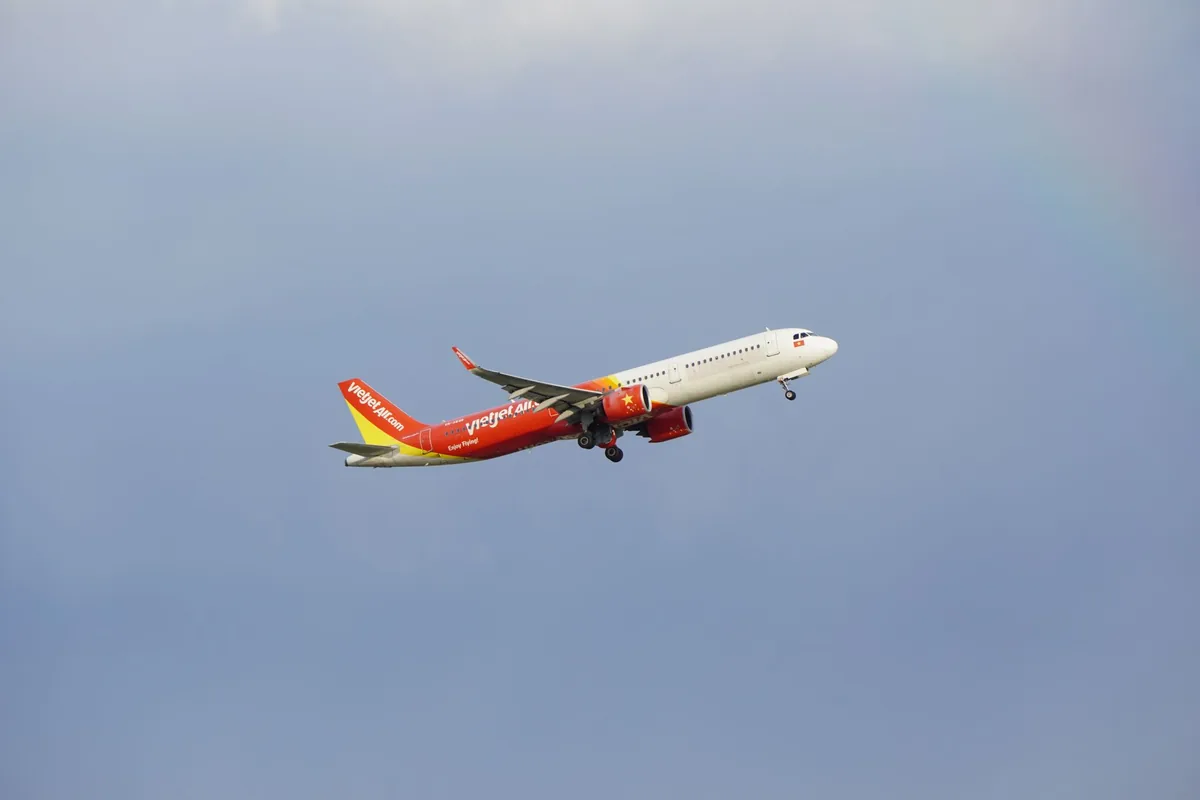
United Airlines has announced its largest international expansion, launching 10 new non-stop routes to unique destinations across Europe and Asia. The carrier aims to capture premium leisure demand by adding direct access to off-the-beaten-path travel hubs.
Key Takeaways
1United is launching 10 new long-haul routes across Europe and Asia starting in spring 2027.
2New European destinations from Newark include Ibiza, Valencia, Marseille, Ljubljana, and Terceira.
3Expansion caters directly to rising demand from high-yield, premium leisure travelers.
New data from Localbird reveals that nearly three-quarters of short-term rental experience bookings occur before check-in, highlighting a critical window for pre-arrival guest engagement.
Key Takeaways
174% of STR experience bookings are secured before check-in, led by high-ticket items like private chefs.
2Luxury stays over $500/night saw 18% of guests book activities, averaging $1,000 in add-on spend.
3On-property services generated 27% higher average order values compared to external activities.
Viceroy Hotels & Residences has appointed Jaimie Weiss as Vice President of Growth & Digital to lead its digital strategy, performance marketing, and AI adoption. The move aims to drive direct bookings and personalize the guest journey amid the brand's ongoing global expansion.
Key Takeaways
1Weiss will oversee digital growth, AI integration, CRM, and performance marketing across Viceroy's portfolio.
2She brings 15+ years of experience from leadership roles at Proper Hospitality, IHG, and Disney.
3The appointment aligns with brand expansion including new properties in New York, Idaho, Portugal, and the Caribbean.
Hotels often neglect the post-booking phase or overwhelm guests with cluttered confirmation pages instead of delivering relevant, personalized offers. By using reservation context to curate tailored upgrades and ancillary services, operators can drive incremental revenue without degrading the guest experience.
Key Takeaways
1Post-booking confirmation pages often suffer from internal fragmentation, overcrowding guests with competing offers.
2Tailoring post-booking touchpoints using destination and date data drives higher engagement and ancillary spend.
3Hotels must measure incremental value through rigorous testing rather than solely tracking vanity engagement metrics.
+Why are hotels missing from AI search engine results?
Hotels miss out because 94% fail to provide structured, specific property data that large language models require. With 75% of event planners sourcing venues through AI tools like ChatGPT, venues lose bookings unless they replace vague marketing copy with exact meeting room dimensions, audiovisual capacity details, and current pricing data.
+How does Google's EU search redesign affect hotel visibility?
Google redesigned European hotel search to comply with Digital Markets Act antitrust regulations by separating direct suppliers and aggregators into distinct units. The update strips out live pricing filters and eliminates the vacation rentals search module entirely, forcing hotels to compete without Google's legacy integrated booking tools.
+How can hotels capture outbound Indian travelers?
Hotels capture outbound Indian business by aligning marketing and distribution directly with new flight corridors. Wyndham Hotels & Resorts tracks emerging direct flight routes out of India to international destinations such as Greece, allowing properties to target Indian travelers along active routes both domestically and overseas.
+What amenities do American corporate travelers prioritize?
American business travelers prioritize complimentary breakfast, flexible check-in times, and amenities supporting blended bleisure trips. In a study by Hotels.com, 37% of Americans report traveling more for work than before the pandemic, spending an average of $264 per night across an average of 10 nights annually.
The Hospitality Newsletter
The morning brief for hotel professionals
10–12 stories that matter, summarised and scored every morning. Free, and you can unsubscribe in one click.
Analytics cookies.
We count visits either way — anonymously, with no IP stored. Accepting also lets
Google Analytics measure how the site is used. No advertising cookies, ever.
Privacy policy.
Get the briefing when it lands
One notification a day, the moment the edition publishes. No email needed.