Why Buyers Are Acquiring Historic Regional Hotels
Recent deals in the US and UK reveal how investors unlock value by modernising systems and scaling heritage assets.
The short answer
Recent acquisitions in the US and UK demonstrate how buyers are acquiring regional historic hotels. Investors are layering modern distribution systems, soft brands, and luxury repositioning onto legacy assets.
The short version
- Taylor Hospitality partnered with John T. Campo Jr. and Aaditya Andy Shah to acquire the 82-room Blennerhassett hotel in West Virginia.
- Beach Barefoot Hospitality acquired the 45-bedroom Cottage Hotel in South Devon following an £8m guide price.
- Wyndham Rewards provides The Blennerhassett immediate access to more than 126 million loyalty members via Trademark Collection.
Investors and operators are acquiring independent regional and historic hotels to capture value by modernising legacy infrastructure, integrating properties into global distribution networks, or repositioning waterfront and heritage assets for luxury segments while preserving their established local character.
How do regional heritage assets unlock commercial upside for buyers?
Buyers target independent heritage properties that have established reputations but lack modern commercial and distribution scale. As Hotel Business reported, Taylor Hospitality formed a joint venture with John T. Campo Jr. and Aaditya “Andy” Shah to acquire The Blennerhassett, an 1889 landmark hotel located in downtown Parkersburg, West Virginia [1]. The buyer intends to preserve the property's character while plugging it into national management systems and Wyndham Rewards loyalty channels [1].
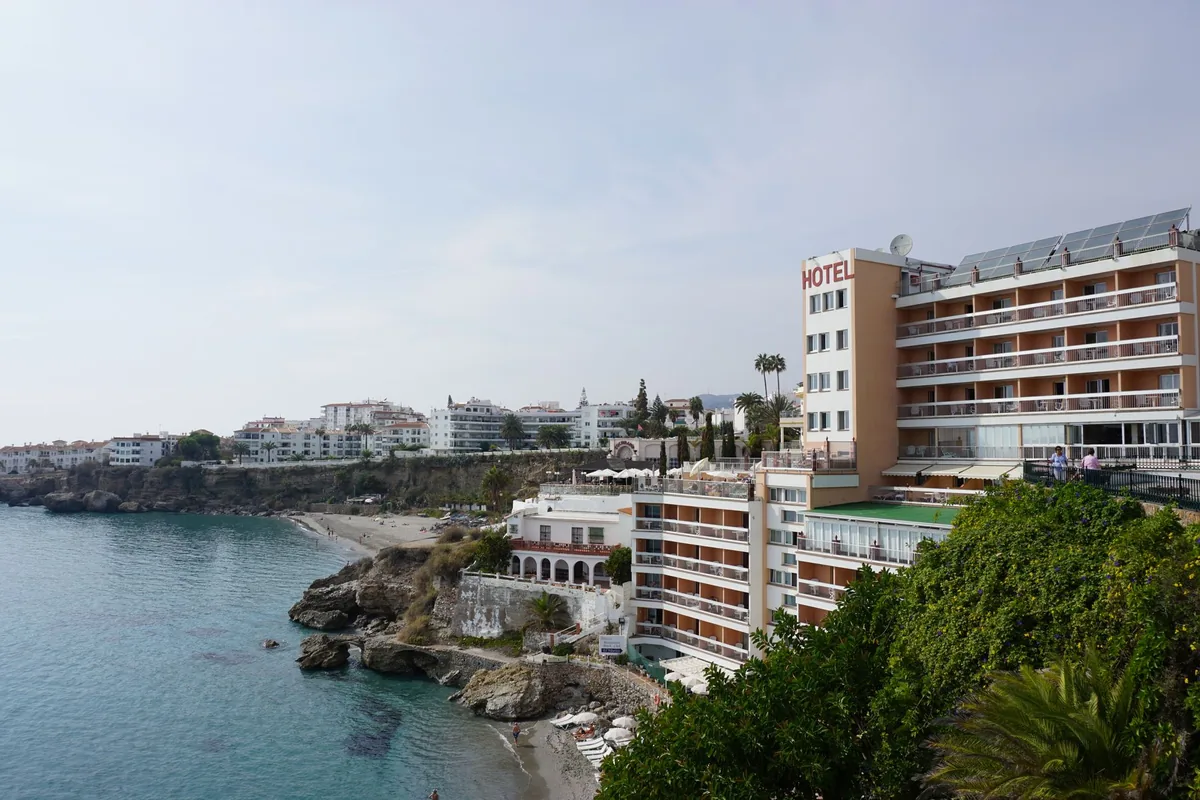
Similarly, hotelowner.co.uk reported that Beach Barefoot Hospitality acquired The Cottage Hotel in South Devon from the Ireland family, who had owned and operated the 45-bedroom hotel for more than 50 years [2]. In both transactions, buyers saw long-standing regional history as a solid platform for value creation rather than a structural obstacle [[1], [2]].
What pricing and deal structures govern these historic transactions?
Historic transactions are executing through diverse funding structures, including debt financing, off-market negotiations, and joint venture equity. The Cottage Hotel was sold in an off-market deal handled by joint agents Simon Stevens Associates and Charles Darrow [2]. Offers had been invited at a guide price of £8m for the freehold property, operating business, a staff house, and two luxury apartments, with funding arranged by Chris Field at Sirius Finance [2].
In West Virginia, Taylor Hospitality structured its acquisition through a joint venture to launch its Giovanni Collection [1]. Rather than requiring complete physical rebuilding, these hotels rely on targeted capital deployment to modernise operations while trading continuously through the ownership handover [[1], [2]].
| Property Name | Location | Room Count | Buyer / Operator | Transaction Highlights |
|---|---|---|---|---|
| The Blennerhassett | Parkersburg, West Virginia, USA | 82 rooms | Taylor Hospitality JV (with John T. Campo Jr. and Aaditya “Andy” Shah) | Joining Trademark Collection by Wyndham; anchor of Giovanni Collection; 1889 asset [1] |
| The Cottage Hotel | Hope Cove (near Salcombe), Devon, UK | 45 bedrooms | Beach Barefoot Hospitality | Off-market deal; £8m guide price; includes staff house and 2 luxury apartments [2] |
Why is soft-branding replacing independent distribution for legacy assets?
Independent regional hotels often suffer from limited marketing visibility outside their local geography. Joining a soft brand gives historic hotels immediate visibility across global distribution pipelines without sacrificing their historic architecture or identity [1].
By affiliating The Blennerhassett with the Trademark Collection by Wyndham in the fourth quarter, Taylor Hospitality puts the 82-room hotel in front of more than 126 million loyalty members [1]. Modern property management, digital booking, and automated revenue systems replace legacy setups by the end of the year [1].
How are operators repositioning waterfront and heritage properties?
Repositioning plans center on upgrading guest services, amenities, and food-and-beverage programming. In Hope Cove, Beach Barefoot Hospitality plans to reposition The Cottage Hotel as a luxury waterfront venue with a resort-style environment, following investments made by the Ireland family [2].
At The Blennerhassett, the existing footprint includes a spa, a restaurant and lounge, the 1889 Club speakeasy, a library, a garden patio, and on-site shops [1]. Taylor Hospitality operates the property under its new Giovanni Collection, designed specifically for historic buildings tailored to their local environment rather than standard brand templates [1].
Reported by
This article was written from the following reporting. Follow the links for the original coverage.
- [1]Taylor Hospitality JV Acquires The Blennerhassett— Hotel Business
- [2]Devon's Cottage Hotel Sells in Multimillion-Pound Deal— hotelowner.co.uk
Frequently asked
+Why are investors acquiring historic regional hotels instead of building new ones?
Investors acquire historic properties because they offer long-standing local reputations and distinct architecture that cannot be replicated. Buyers unlock immediate value by upgrading operating systems, revenue management, and distribution networks without changing the core guest experience.
+What distribution advantage does a soft brand offer a historic hotel?
Soft branding connects an independent property to a major loyalty network—such as Wyndham Rewards' 126 million members—while allowing the hotel to maintain its distinct local identity, name, and architectural character.
+What assets were included in the sale of The Cottage Hotel in Devon?
The off-market transaction included the 45-bedroom freehold hotel, the operating business, a staff house, and two luxury apartments overlooking Hope Cove near Salcombe.
+Who acquired The Blennerhassett in West Virginia?
Taylor Hospitality acquired the 82-room property through a joint venture with John T. Campo Jr. and Aaditya “Andy” Shah, operating it as The Blennerhassett, a Giovanni Hotel and Spa.
+How do buyers handle hotel operations during these ownership transitions?
Operators maintain uninterrupted operations during transitions. Management upgrades—such as property management, revenue management, and booking systems—are deployed behind the scenes so the property continues taking bookings and hosting guests throughout the transition.
Keep reading
Our reporting
More in finance