Why Hoteliers Must Prioritize Human Touch and Operational Basics
High interest rates and shorter investment cycles make operational fundamentals vital for building guest loyalty.
The short answer
Hoteliers are encouraged to prioritize staff interactions, cleanliness, and functional room ergonomics over decorative design trends. High interest rates and shortening investment cycles mean operational predictability is essential for guest retention.
The short version
- Human interactions from arrival to departure define guest experience more than technology or design [[1]].
- Operational maintenance errors like dusty vents or unscaled shower heads damage guest trust [[1]].
- Physical room functionality and ergonomic comfort must be prioritized over aesthetic design choices [[1]].
Hoteliers are urged to focus on human interactions, physical comfort, and operational cleanliness rather than relying on superficial design elements or high-end amenities to secure guest loyalty. In an environment defined by high interest rates and shorter investment cycles, reliable operational basics build long-term retention across all hotel segments [1].
Why is human interaction critical for hotel operations?
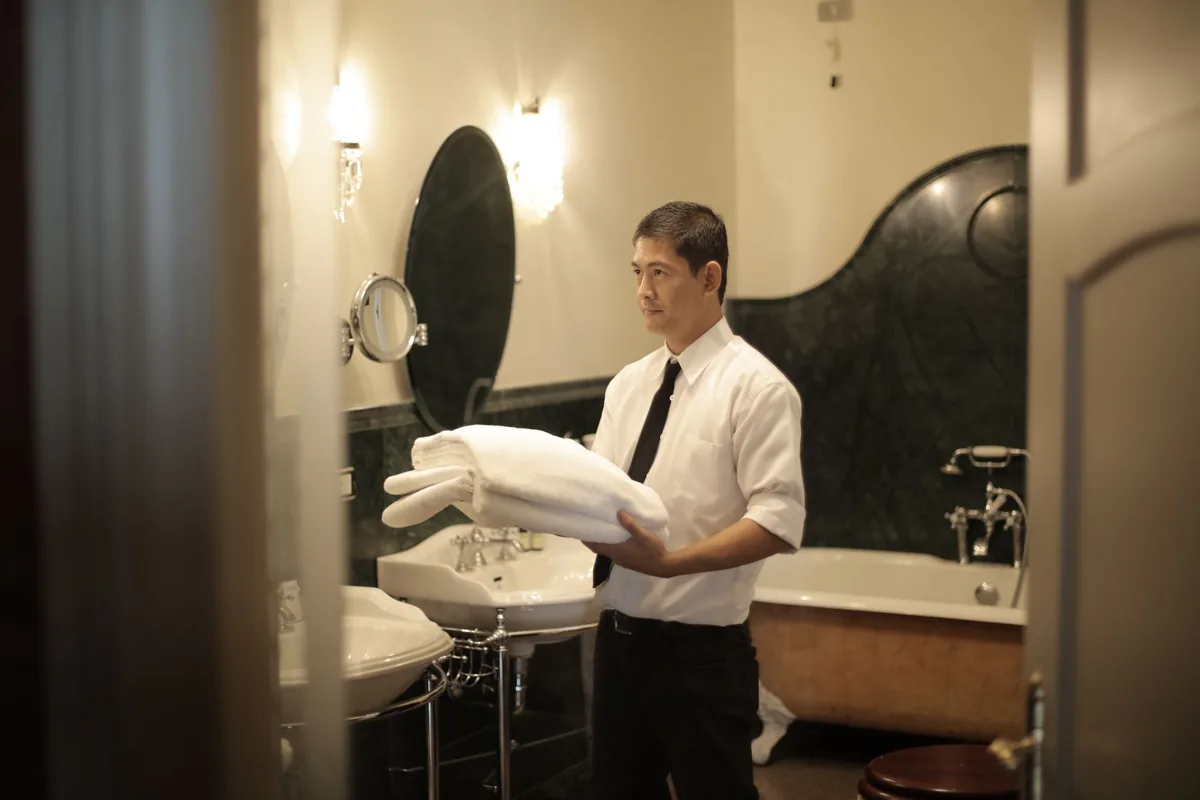
Human touch drives guest satisfaction because personal service creates the core atmosphere of a hotel stay that technology cannot substitute [1]. eHotelier reported that every stage of the guest journey—from initial emails and telephone calls to reception greetings, stay troubleshooting, and final checkouts—depends entirely on staff execution [1]. Effective leadership builds operational cultures that empower front-line employees, who represent the direct link between management and guests [1].
How do cleanliness and maintenance affect guest perception?
Cleanliness directly impacts basic guest expectations by providing a safe and comfortable environment for sleep [1]. According to eHotelier, property maintenance remains one of the most challenging operational tasks due to rising labor costs, training difficulties, and shifting team structures [1]. Common operational oversights like dusty air conditioning vents, unscaled shower heads, and neglected corner cobwebs are quickly spotted by visitors, undermining overall property reputation [1].
What are the operational risks of overly complex hotel design?
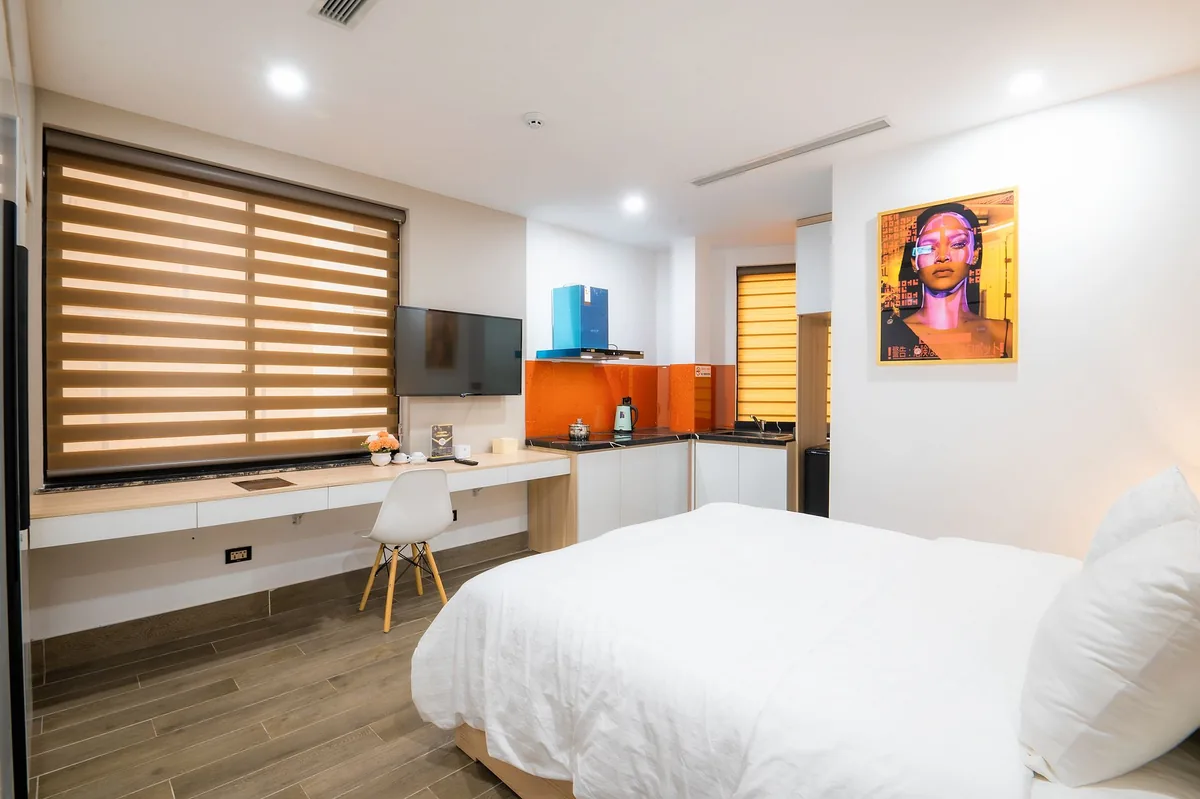
Impractical design choices compromise physical comfort when aesthetic features interfere with room functionality [1]. As noted by eHotelier, hoteliers frequently install chairs that fail to match desk heights, designer sofas that lack seating support, or heavy restaurant glassware that does not fit on dining tables [1]. Basic guest requirements, such as adequate bathroom shelf space for toiletries, must take precedence over decorative choices to ensure physical ease [1].
| Operational Focus Area | Common Operational Pitfalls | Core Service Requirement |
|---|---|---|
| Human Touch | Relying on technology or procedures over personal engagement | Empowered staff delivering genuine greetings and troubleshooting [1] |
| Cleanliness & Maintenance | Dusty AC vents, unscaled shower heads, and neglected corners | A safe, clean environment for a comfortable night's sleep [1] |
| Physical Comfort | Unmatched desk furniture and impractical dining items | Functional room layouts, comfortable seating, and usable storage [1] |
| Concept Clarity | Attempting to cater to every demographic group simultaneously | A clear, focused proposition tailored to ideal target guests [1] |
Why must hoteliers maintain concept clarity?
Attempting to appeal to every market segment dilutes operational execution and confuses target audiences [1]. eHotelier highlighted that trying to satisfy all consumer demands created by social media trends threatens core business identity across sales, marketing, and operational execution [1]. Accepting that a property concept will not appeal to everyone allows management to focus resources on ideal guests who serve as organic brand ambassadors [1].
How does service delivery impact property reputation?
Consistent service delivery underpins property performance because premium additions cannot overcome foundational operational failures [1]. As detailed by eHotelier, features like artwork or high-end dining fail to offset uncomfortable beds, slow service, or inattentive personnel [1]. Long-term business viability requires operators to align daily service delivery with basic promises made during initial booking touchpoints [1].
Reported by
This article was written from the following reporting. Follow the links for the original coverage.
Frequently asked
+Why is the human element essential in hotel management?
Personal interactions from check-in to checkout shape guest impressions far more than design or technology. Staff members create the overall atmosphere, making direct human touch the foundation of guest satisfaction and brand loyalty [[1]].
+What maintenance issues frequently hurt guest satisfaction?
Guests frequently notice neglected details such as dusty air conditioning vents, unscaled shower heads, and cobwebs. Despite being invisible to busy cleaning teams, these maintenance oversights degrade guest trust and satisfaction [[1]].
+How does poor room ergonomics impact the guest experience?
Impractical interior design—such as chairs that do not match desk heights, overly soft sofas, or missing bathroom shelves—causes physical inconvenience that undermines a guest's comfort regardless of aesthetic appeal [[1]].
+Why should hotel operators avoid catering to all market segments?
Trying to accommodate every consumer desire dilutes a property's operational focus. Focusing on a clearly defined target audience ensures consistent execution and builds brand loyalty among ideal guests [[1]].
+Can luxury amenities offset poor basic service?
No, high-end additions like fine dining or costly artwork cannot compensate for fundamental failures like uncomfortable beds, slow service, or inattentive front-line personnel [[1]].
Keep reading
Our reporting

More in operations