Hospitality Staff Professionalism: Core Service Rules
Hotels depend on staff who master grooming, proactive teamwork, reliable schedules, and guest knowledge across daily service operations.
The short answer
Professional hospitality standards require strict grooming, shift punctuality, proactive service, and deep operational knowledge. Frontline workers who demonstrate these daily practices secure faster career promotions and elevated guest satisfaction.
The short version
- eHotelier outlines grooming, proactive teamwork, and shift punctuality as core pillars of hospitality professionalism.
- Frontline team members must escort lost guests directly to destinations rather than pointing out directions.
- Hospitality employees who maintain verified property knowledge and reliable service habits secure higher compensation and promotions.
Hospitality staff professionalism requires maintaining rigorous personal grooming, projecting an approachable demeanor, anticipating guest needs proactively, and executing reliable operational punctuality [1]. Meeting these performance baselines ensures seamless team shifts, elevates on-property guest satisfaction, and drives direct career advancement through promotions and higher compensation for frontline personnel across hotel, resort, and restaurant departments [1].
How should hospitality employees maintain grooming standards?
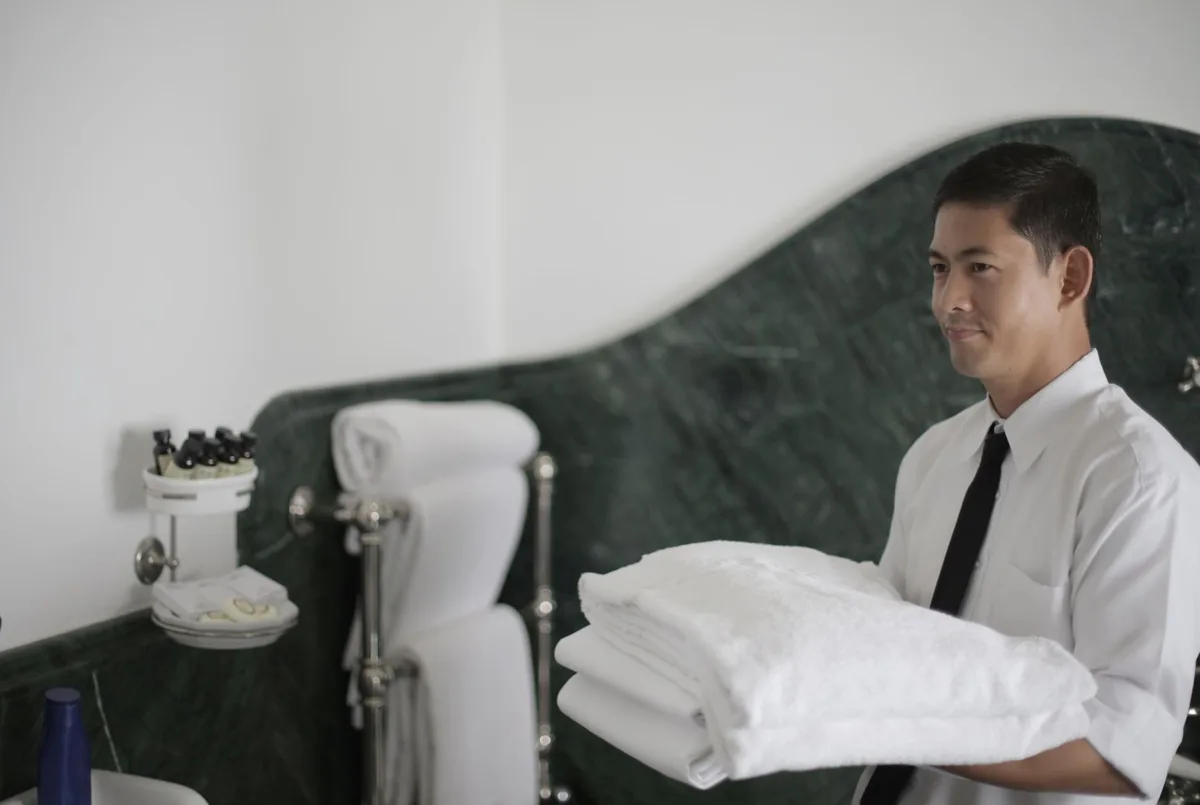
Employees must report for scheduled shifts clean, well-groomed, and dressed in clean, employer-provided uniforms with suitable footwear [1]. According to eHotelier, team members work closely with guests, fellow staff, and food, making personal hygiene standards central to everyday operations [1]. Daily grooming expectations include tidy hair, clean hands and nails, and fresh breath [1]. Maintaining these standards communicates baseline respect for colleagues and guests while projecting immediate confidence in the property's service quality [1].
What defines a positive workplace demeanor during service?
Hospitality professionals maintain a welcoming, calm, and solution-focused presence regardless of shift volume or operational stress [1]. Staff must leave personal frustrations outside guest-facing areas and greet patrons with an approachable attitude [1]. eHotelier emphasizes that a genuine smile acts as a primary tool to put guests at ease before verbal interactions begin [1]. When facing demanding situations or complex complaints, professional personnel remain polite and direct their attention toward workable answers rather than dwelling on the problem [1].
| Operational Focus Area | Daily Professional Requirement | Impact on Property Service |
|---|---|---|
| Grooming & Hygiene | Clean employer-provided uniform, neat hair, trimmed nails, fresh breath [1] | Instills guest confidence and meets close-contact food and safety standards [1] |
| Proactive Support | Escorting guests to locations; offering specific assistance to busy peers [1] | Prevents service bottlenecks and eliminates the "not my job" mentality [1] |
| Information Delivery | Providing verified property facts and tracking current global/local news [1] | Builds guest trust without fabricating answers or misinforming visitors [1] |
| Shift Punctuality | Arriving ahead of scheduled start times to complete mise en place [1] | Protects team readiness and service performance during peak operational hours [1] |
How can team members deliver proactive assistance?
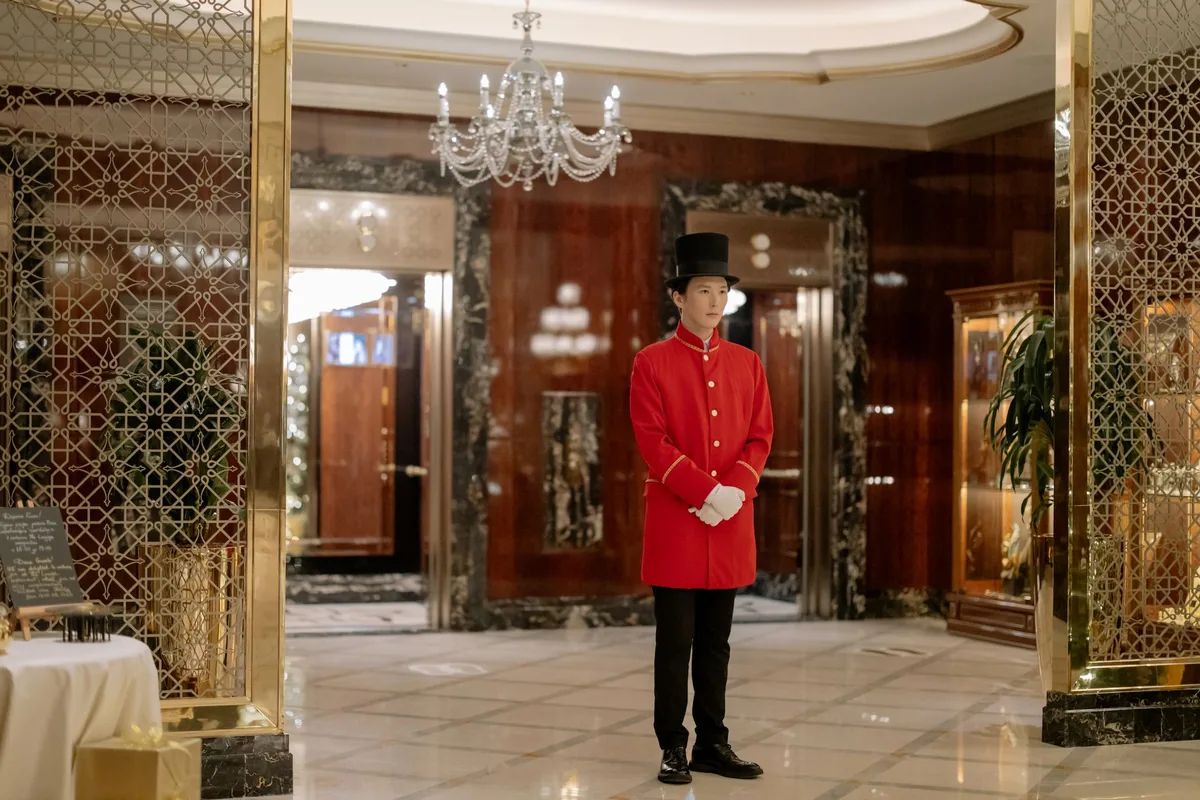
Great hospitality workers take immediate initiative instead of waiting for managers or patrons to request assistance [1]. According to eHotelier, employees should never say "This is not my job" during operational duties [1]. When helping a busy colleague, staff should bypass vague inquiries and offer specific action items by asking "How can I help you?" or stating "Let me do that" [1]. Similarly, when an on-site guest appears lost, workers should escort the individual directly to their intended destination rather than simply pointing out directions from a distance [1].
Why is verified knowledge necessary during guest interactions?
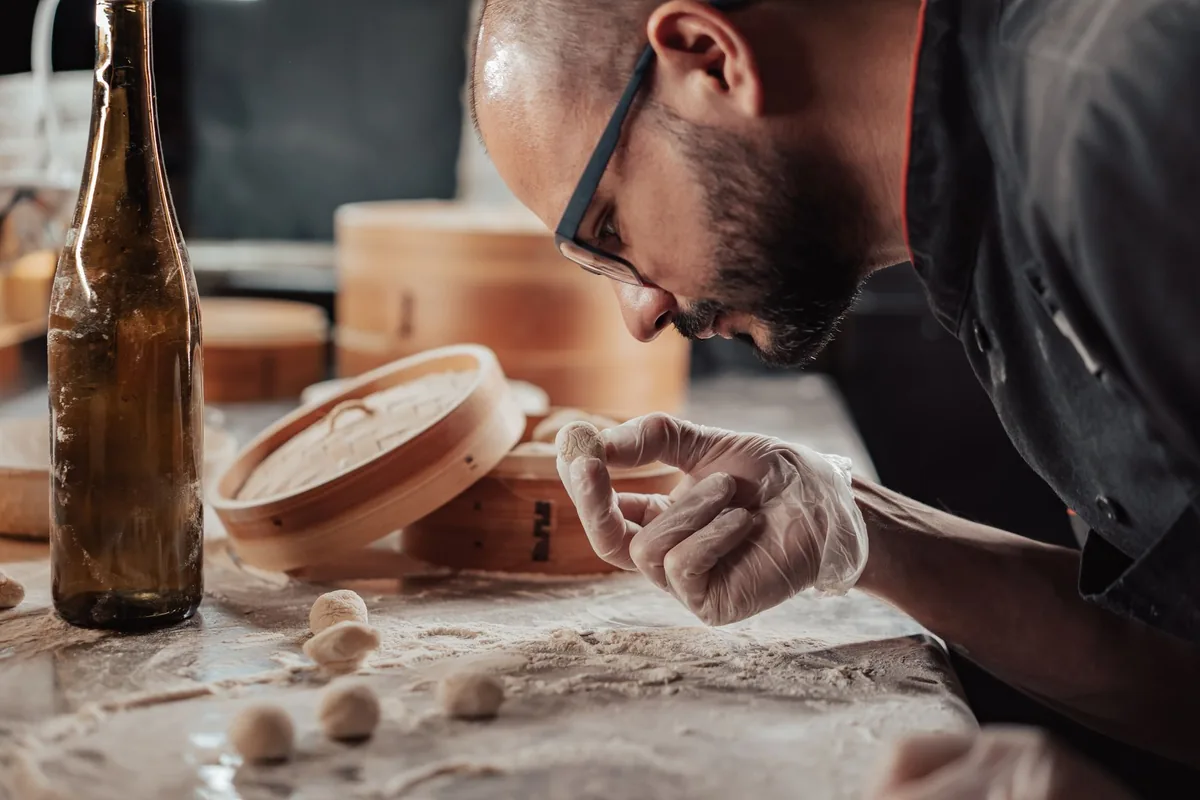
Frontline staff must maintain accurate knowledge of on-property amenities, menus, operating schedules, internal protocols, and local attractions [1]. In addition, eHotelier notes that team members should remain aware of current local and international news to support confident conversations with international travelers [1]. If an employee does not possess an answer to an inquiry, they must never lie or invent information [1]. Instead, the professional protocol requires the worker to state that they will investigate the matter and return with verified facts [1].
How does punctuality protect hotel operations?
Punctuality ensures that departments finish their operational prep work and mise en place prior to heavy guest volume [1]. When an individual worker arrives late, it disrupts duty allocations across the entire team, particularly during high-pressure service windows [1]. Reliability demonstrates professional respect toward coworkers and ensures the department performs at peak capability [1].
What career results come from continuous professional standards?
Supervisors and hotel managers actively monitor consistent frontline performance, rewarding workers who embody proactive and respectful standards [1]. eHotelier reports that team members who routinely maintain high hygiene, assist colleagues, communicate across diverse backgrounds, and show operational reliability achieve faster promotions, higher compensation, and strong company recognition [1].
Reported by
This article was written from the following reporting. Follow the links for the original coverage.
Frequently asked
+What should a hotel employee do if they do not know the answer to a guest inquiry?
Hospitality staff should never invent answers or mislead the guest. The employee must tell the guest they will find out the correct details and return promptly with accurate information, maintaining honesty and professionalism throughout the interaction [[1]].
+How should hospitality employees assist lost guests on property?
Staff members should approach the guest immediately and escort them directly to their destination instead of merely giving verbal directions or pointing across the property, ensuring the guest feels fully supported [[1]].
+What phrasing should staff use when supporting busy colleagues?
Workers should avoid asking generic questions and instead take initiative by offering specific assistance, using direct phrases such as 'How can I help you?' or 'Let me do that' to support operational workflow [[1]].
+Why is arriving early necessary for hospitality shift work?
Early arrival gives employees adequate time to complete their mise en place and workstation preparations before service begins, preventing team disruptions and maintaining performance standards during high-volume periods [[1]].
+How does professional attitude influence hospitality career growth?
Supervisors take note of team members who demonstrate strong grooming, reliability, and proactive service, routinely rewarding these individuals with accelerated promotions, salary increases, and organizational loyalty [[1]].
Keep reading
Our reporting
More in operations