Casino Resorts Pivot Architectural Design to Target Experiential Guests
Integrated resort developments replace traditional gaming-only layouts with wellness, retail, and outdoor entertainment hubs.
The short answer
Casino operators and architects are shifting property design away from gaming-centric floors toward integrated resort models. Properties are adding extensive wellness, outdoor entertainment, and multi-tier dining venues to attract broader travel demographics.
“The fundamental shift is that the casino is no longer necessarily the destination. It is one component of a much broader destination experience.”
The short version
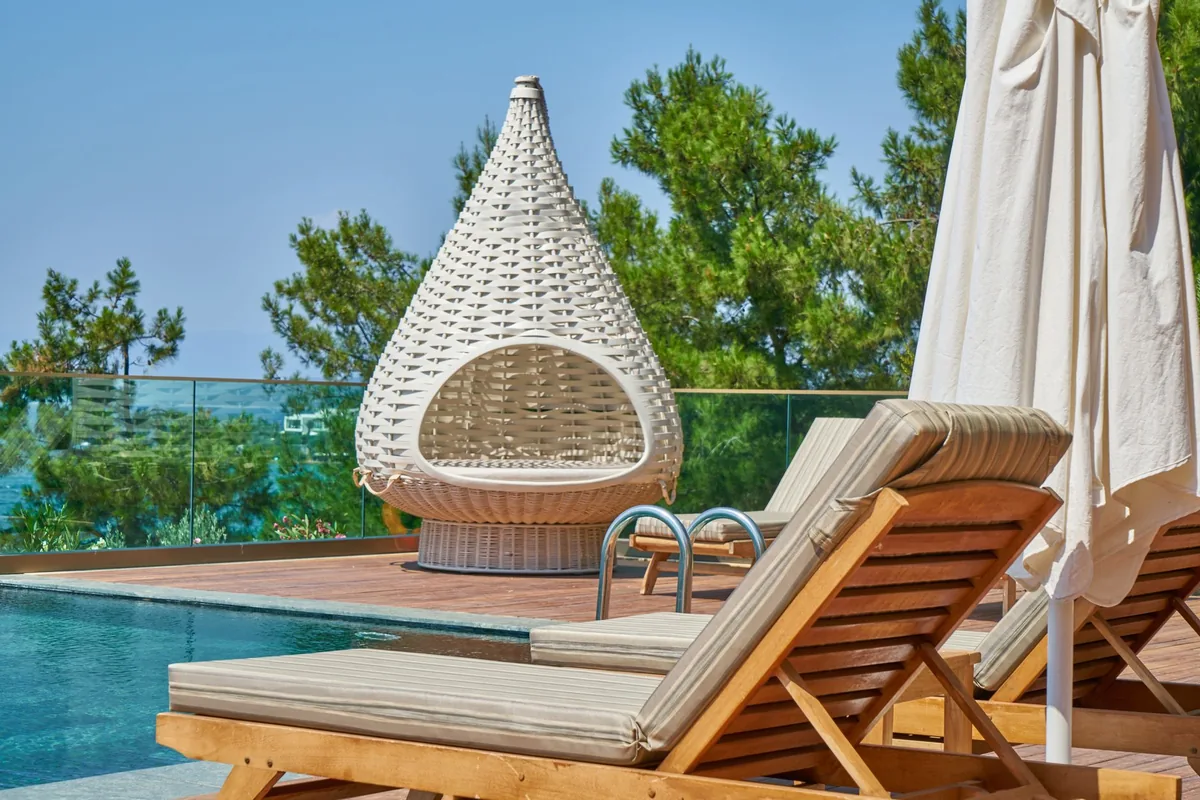
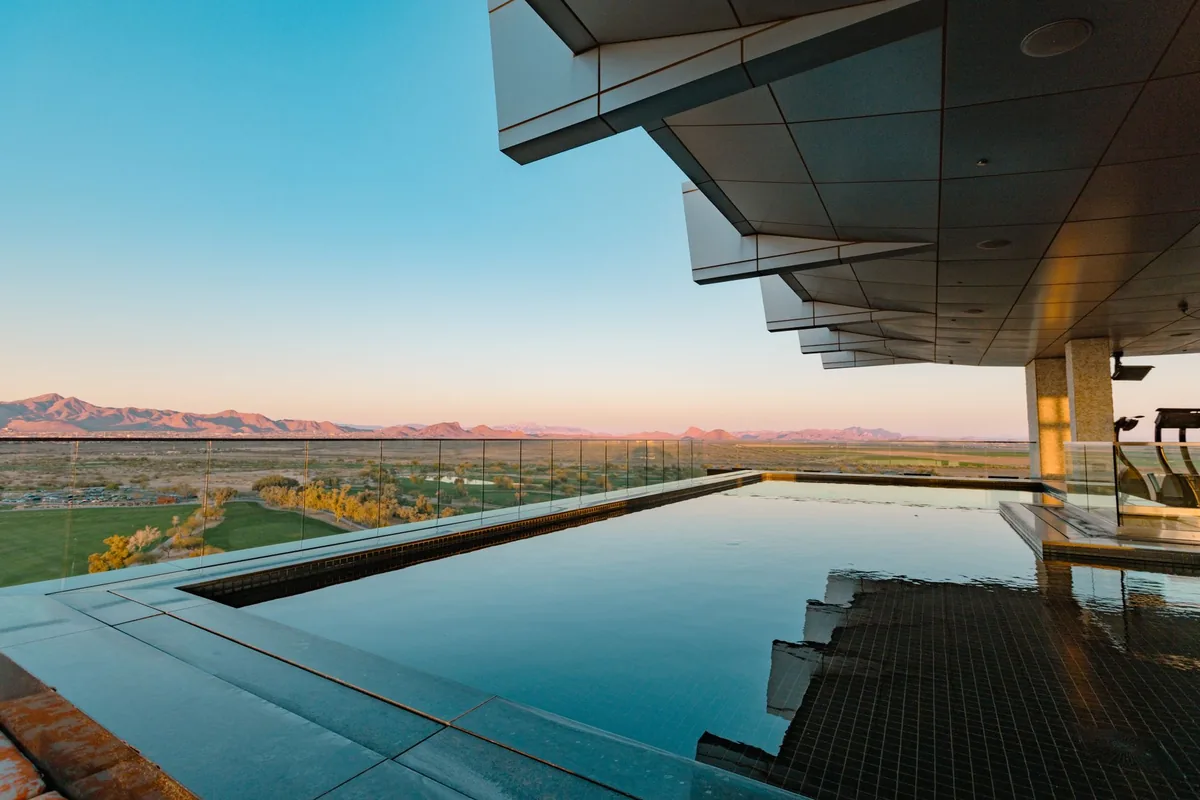
- Jamul Casino Resort added a 16-story, 200-room hotel tower complete with a rooftop pool and speakeasy to transition into a full-service resort destination.
- Choctaw Casino & Resort in Durant incorporated 1,000 hotel rooms, three acres of pools, conference facilities, and movie theaters alongside expanded gaming.
- Desert Diamond Casino White Tanks utilizes a central organizing spine to connect a multi-tier dining program and cultural design elements.
Casino resorts are redesigning their properties to shift away from pure gaming floors toward integrated, experiential destinations. Operators are adding full-scale hotels, rooftop pools, multi-venue dining, wellness spas, and family entertainment amenities to capture non-gaming travel budgets. As Jeanne M. Muscolino of JCJ Architecture told Hotel Business, properties now target the entire trip rather than simply gaming spend. [1]
How has casino resort programming shifted away from the gaming floor?
Integrated resort master plans now treat the casino floor as one element of a multi-faceted destination rather than the primary anchor. Historically, casino design focused almost exclusively on maximizing circulation, dwell time, and visibility around slot machines and table games, with food, beverage, and entertainment serving supportive roles, Hotel Business reported. [1] Operators now design hotels, meeting facilities, nightlife, wellness spas, and outdoor venues as interconnected features to attract travelers who may never place a bet. [1]
According to Hotel Business, this transition helps operators build resilience by diversifying revenue streams and giving guests reasons to extend their stays. [1]
What architectural strategies organize large integrated resort footprints?
Architects use intuitive circulation, strong spatial hierarchies, and central organizing corridors to connect diverse amenities without forcing all guests into the gaming floor. At Desert Diamond Casino White Tanks in Arizona, designers introduced a central spine to anchor the large building footprint and provide direct pathways connecting dining, sportsbooks, retail, and gaming areas, Hotel Business reported. [1]
This layout structure enables different guest segments—including conference attendees, dining visitors, families, and high rollers—to experience distinct areas independently within the same property. [1]
| Property Name | Location | Primary Program Additions | Design and Anchor Features |
|---|---|---|---|
| Jamul Casino Resort | Southern California | 16-story hotel tower, 200 rooms | Rooftop pool with mountain views, spa, Fly Room speakeasy [1] |
| Choctaw Casino & Resort | Durant, Oklahoma | 1,000 hotel rooms, conference facilities | Three acres of resort pools, retail, movie theaters, entertainment venues [1] |
| Choctaw Landing Hochatown | Broken Bow, Oklahoma | Lodging, retail mercantile | Outdoor amphitheater, beer garden, family-friendly activities [1] |
| Desert Diamond Casino White Tanks | Arizona | Food hall, fine dining, sportsbook | Central circulation spine, butterfly design elements, Tohono O'odham heritage [1] |
How are wellness and dining venues reshaping property layouts?
Wellness facilities and multi-concept food and beverage spaces now serve as primary visit drivers, establishing distinct operational zones that contrast with high-energy gaming areas. At Jamul Casino Resort in Southern California, JCJ Architecture placed a rooftop pool and full-service spa to capture mountain views, offering quiet retreat spaces directly alongside high-energy nightlife and gaming, Hotel Business noted. [1]
Food and beverage programs also provide multiple price points to broaden appeal. At Desert Diamond Casino White Tanks, dining options range from casual food hall concepts and the Pub Stop to high-end dining at Morton's Steakhouse. [1] At Jamul Casino Resort, non-gaming hospitality drivers include the Fly Room speakeasy. [1]
Why are tribal casino developments incorporating regional culture into initial concepts?
Tribal casino developments are weaving regional identity and heritage into the foundational architecture rather than adding decorative finishes at the conclusion of a project. At Desert Diamond Casino White Tanks, the architectural concept incorporates Tohono O'odham Nation heritage directly into the structural forms, interior finishes, artwork, and landscape, using butterfly motifs and Southern Arizona desert references. [1]
According to JCJ Architecture, rooting designs in local geography, culture, and community prevents properties from becoming interchangeable boxes and gives guests a distinct sense of place. [1]
How do outdoor entertainment venues drive non-gaming traffic?
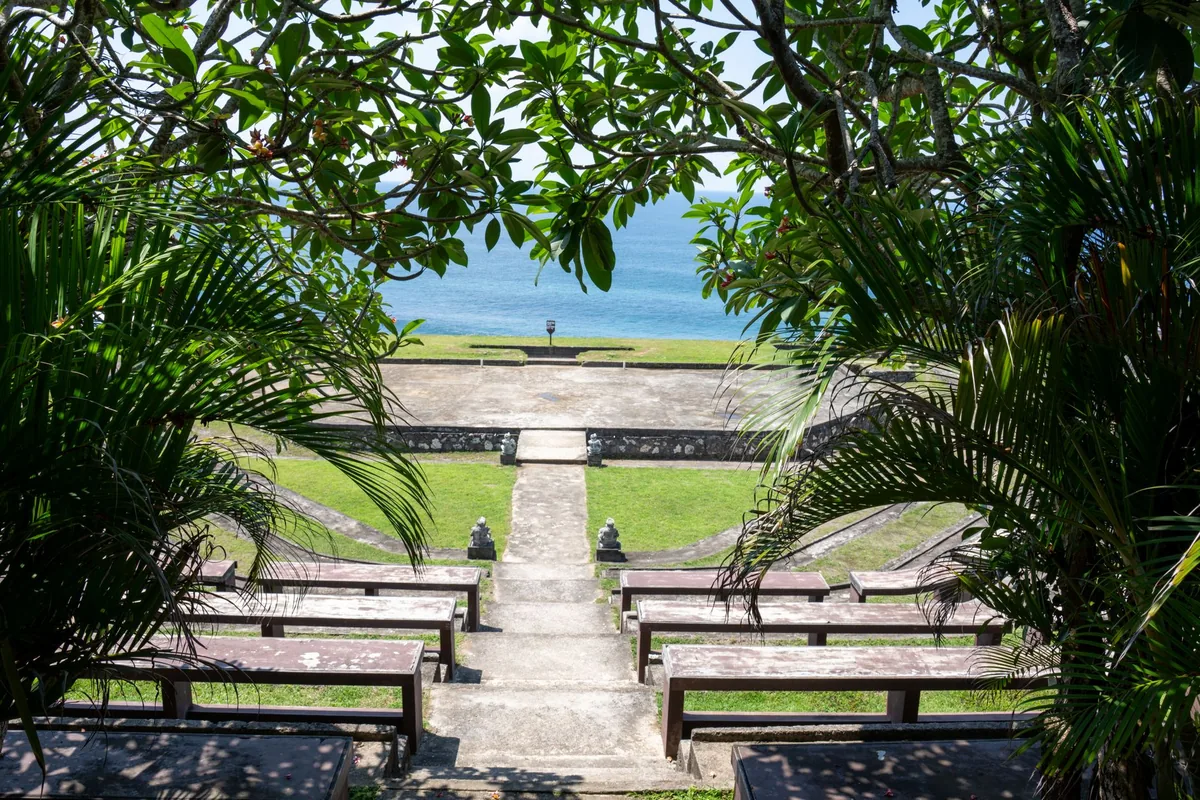
Outdoor entertainment amenities draw families and leisure travelers who prioritize open-air events and recreation over traditional casino activities. At Choctaw Landing Hochatown in Broken Bow, Oklahoma, the resort integrates an outdoor amphitheater, a beer garden, a mercantile shopping area, and family-friendly activities alongside traditional lodging, Hotel Business reported. [1] Similarly, the Choctaw Casino & Resort in Durant, Oklahoma, features three acres of resort-style pools, movie theaters, and extensive conference spaces to capture broader trip spending. [1]
Reported by
This article was written from the following reporting. Follow the links for the original coverage.
- [1]Casino Resorts Pivot Design to Target Experiential Guests— Hotel Business
Frequently asked
+Why are casino resorts shifting their physical design away from gaming floors?
Operators are transitioning properties into full-service destinations to capture total trip spend. Integrating wellness, diverse dining, meeting spaces, and outdoor venues attracts non-gaming travelers and extends guest length of stay.
+What amenities are featured in the Jamul Casino Resort expansion?
Jamul Casino Resort in Southern California added a 16-story, 200-room hotel tower featuring suites, a rooftop pool with mountain views, a spa, dining venues, and the Fly Room speakeasy.
+How does the design at Desert Diamond Casino White Tanks handle large floor plans?
The property uses a strong central spine to organize circulation across a large footprint. This structure connects dining concepts, sportsbooks, retail, and gaming areas intuitively while incorporating Tohono O'odham cultural elements.
+What outdoor amenities did Choctaw properties add to diversify their appeal?
Choctaw Casino & Resort in Durant added three acres of resort-style pools, while Choctaw Landing Hochatown in Broken Bow incorporated an outdoor amphitheater, beer garden, family-friendly recreation, and a mercantile retail concept.
+How do architects integrate tribal heritage into casino projects?
Architects integrate cultural storytelling from the start of the design process across architecture, materials, landscaping, and art, such as butterfly-inspired elements reflecting Tohono O'odham heritage at Desert Diamond Casino White Tanks.
Keep reading
Our reporting
More in operations