WTTC Signs Deal with JATA to Expand Japan Tourism
A three-way agreement aligns global travel leaders with Japanese agencies to drive tech adoption and overseas spending.
The short answer
WTTC has entered a formal partnership with JATA and Tourism EXPO Japan to exchange research, boost international ties, and accelerate digital transformation. Japan's travel market generated US$343.1 billion in 2025, driven by surging inbound spending.
“Through this partnership, we can share knowledge, support the adoption of new technologies, help improve workforce efficiency and create new opportunities for businesses and destinations.”

The short version
- Japan's travel sector generated US$343.1 billion in 2025, accounting for 8.1% of national GDP.
- International visitor spending reached US$63.3 billion in 2025, up 74.9% over 2019 levels.
- JATA, WTTC, and TEJ will collaborate on AI adoption, workforce efficiency, and market intelligence.
The World Travel & Tourism Council, the Japan Association of Travel Agents, and the Tourism EXPO Japan Executive Committee have signed a Memorandum of Understanding to advance global tourism ties, technology adoption, and research sharing as Japan cements its standing as the world's fifth-largest travel market [1].
What does the agreement between WTTC, JATA, and TEJ entail?
The tri-party agreement establishes a structured framework for research sharing, cross-border industry dialogue, and joint activities at international travel conferences [1]. According to eHotelier, WTTC President and CEO Gloria Guevara signed the pact alongside JATA Chairman Yuji Hara and Tourism EXPO Japan Executive Committee Chairperson Eijiro Yamakita [1].
Under the terms of the memorandum, the three groups plan to swap market intelligence, reports, and operational best practices to assist commercial decision-making [1]. In addition, WTTC will participate directly in Tourism EXPO Japan, while Japanese tourism bodies will gain dedicated access to WTTC global summits [1]. As reported by eHotelier, the organisations will also coordinate with national, regional, and municipal destination management bodies to balance visitor arrivals with local community needs [1].

How large is Japan's travel economy today?
Japan's travel economy generated US$343.1 billion in 2025, accounting for 8.1% of the country's gross domestic product and making it the world's fifth-largest travel economy [1]. Research from WTTC indicates that tourism outpaced general economic growth across the country, expanding by 4.6% in 2025 compared to 1.1% for the broader national economy [1].
| Metric | 2025 Performance | Comparison / Context |
|---|---|---|
| Total Economic Contribution | US$343.1 billion | 8.1% of Japan's total GDP |
| Sector GDP Growth Rate | 4.6% | Outpaced national economy growth (1.1%) |
| International Visitor Spending | US$63.3 billion | Up 74.9% vs. 2019 (US$ ranking: 7th) |
| Spending Growth (Year-on-Year) | 8.8% | Rank rose from 15th worldwide in 2019 |
As documented in WTTC’s Economic Impact Research cited by eHotelier, inbound travellers spent US$63.3 billion in Japan during 2025 [1]. This moved Japan to the seventh-largest market globally for international visitor receipts, up from 15th place in 2019 [1]. Inbound visitor expenditure rose 8.8% year-on-year and finished 74.9% higher than pre-pandemic figures logged in 2019 [1].
How are operators handling operational bottlenecks and AI?
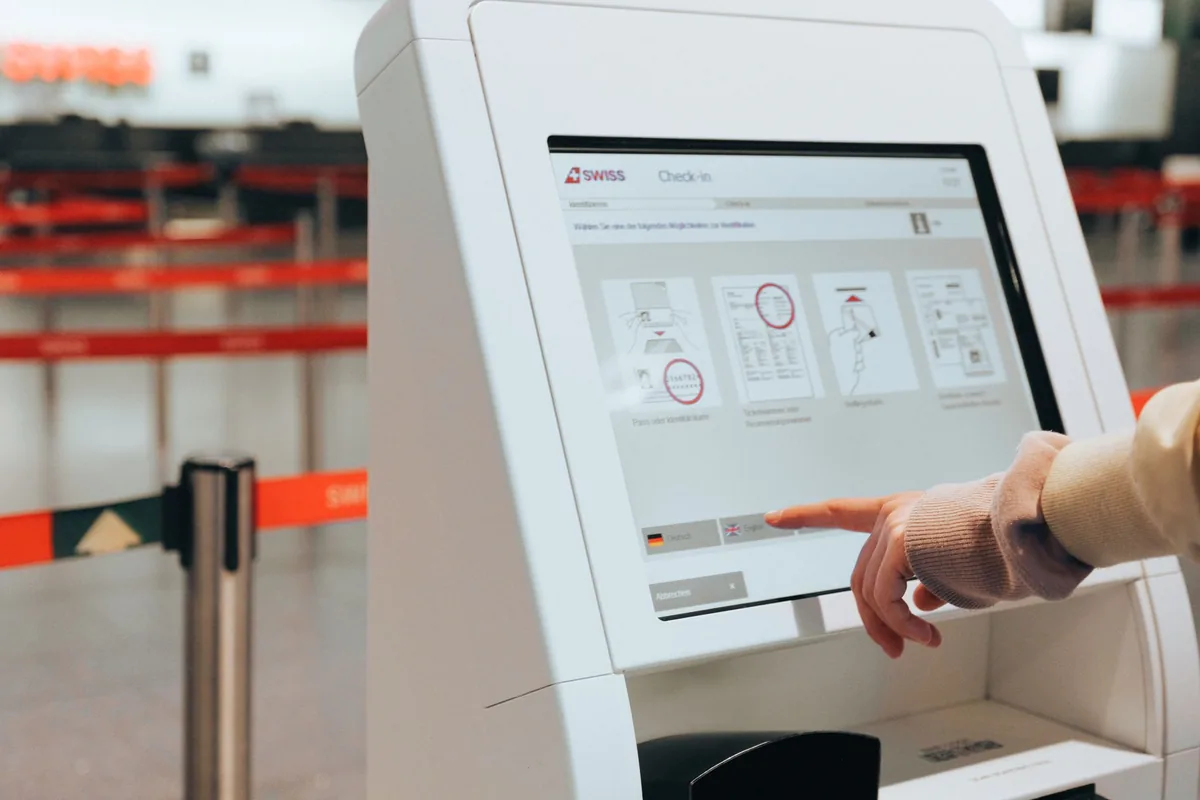
Japanese operators and international partners are turning to artificial intelligence and automation to offset workforce constraints and improve daily hotel operations [1]. The country relies on digital transformation to preserve service delivery standards across transit and lodging networks without placing unmanageable strain on staff [1].
Addressing the agreement, Guevara pointed to technological modernisation as a priority, explaining that the partnership focuses on practical technology deployment [1]. By sharing operational models between global hotel brands and domestic operators, the alliance seeks to streamline workforce workflows and enhance overall guest handling [1].

What role will JATA's membership network play?
JATA provides an extensive distribution network across the country to execute the goals set out in the memorandum [1]. The organisation operates as a general incorporated association representing commercial travel agencies tasked with expanding travel demand and regulating service standards [1].
JATA's membership currently spans 1,200 full members, 326 associate members, 80 affiliate members, and 137 overseas affiliate members [1]. Chairman Yuji Hara stated that linking this private-sector base directly to WTTC's international private-sector roster gives Japanese travel sellers immediate channels to coordinate on long-term, inclusive hospitality programs [1].
Why is destination stewardship entering the executive agenda?
Accelerating arrival numbers and higher inbound expenditure have forced regional policymakers and hotel owners to address destination capacity limits [1]. WTTC and JATA intend to engage directly with local city destination management offices to spread tourism traffic outside overcrowded corridors [1].
TEJ Chairperson Eijiro Yamakita confirmed that integrating WTTC into Tourism EXPO Japan will help domestic operators study foreign capacity-management solutions [1]. The executive committee aims to ensure that future inbound volume matches the infrastructure limits and community expectations of Japanese prefectures [1].
Reported by
This article was written from the following reporting. Follow the links for the original coverage.
- [1]WTTC Partners with JATA to Expand Japan Tourism— eHotelier
Frequently asked
+What organisations signed the tourism partnership for Japan?
The agreement was signed by the World Travel & Tourism Council (WTTC), the Japan Association of Travel Agents (JATA), and the Tourism EXPO Japan (TEJ) Executive Committee.
+What is the economic value of Japan's travel sector?
According to WTTC research from 2025, travel and tourism contributed US$343.1 billion to Japan's economy, representing 8.1% of national GDP and ranking Japan as the fifth-largest tourism economy globally.
+How much did foreign visitors spend in Japan in 2025?
International visitors spent US$63.3 billion in Japan in 2025, marking an 8.8% increase over the previous year and a 74.9% increase compared to 2019 levels.
+How many members does JATA represent?
JATA has 1,200 full members, 326 associate members, 80 affiliate members, and 137 overseas affiliate members across the travel industry.
+What operational initiatives are highlighted in the agreement?
The agreement focuses on knowledge exchange, market intelligence sharing, destination stewardship, and the adoption of AI and automation tools to enhance hospitality workforce efficiency.
Keep reading
Our reporting


More in operations