Hotel Room Turnover Delays Risk 15% of Annual Revenue
Operators tackle turnover lag, cash tipping shortfalls, and scheduling friction with automated allocations and instant-payout technology.
The short answer
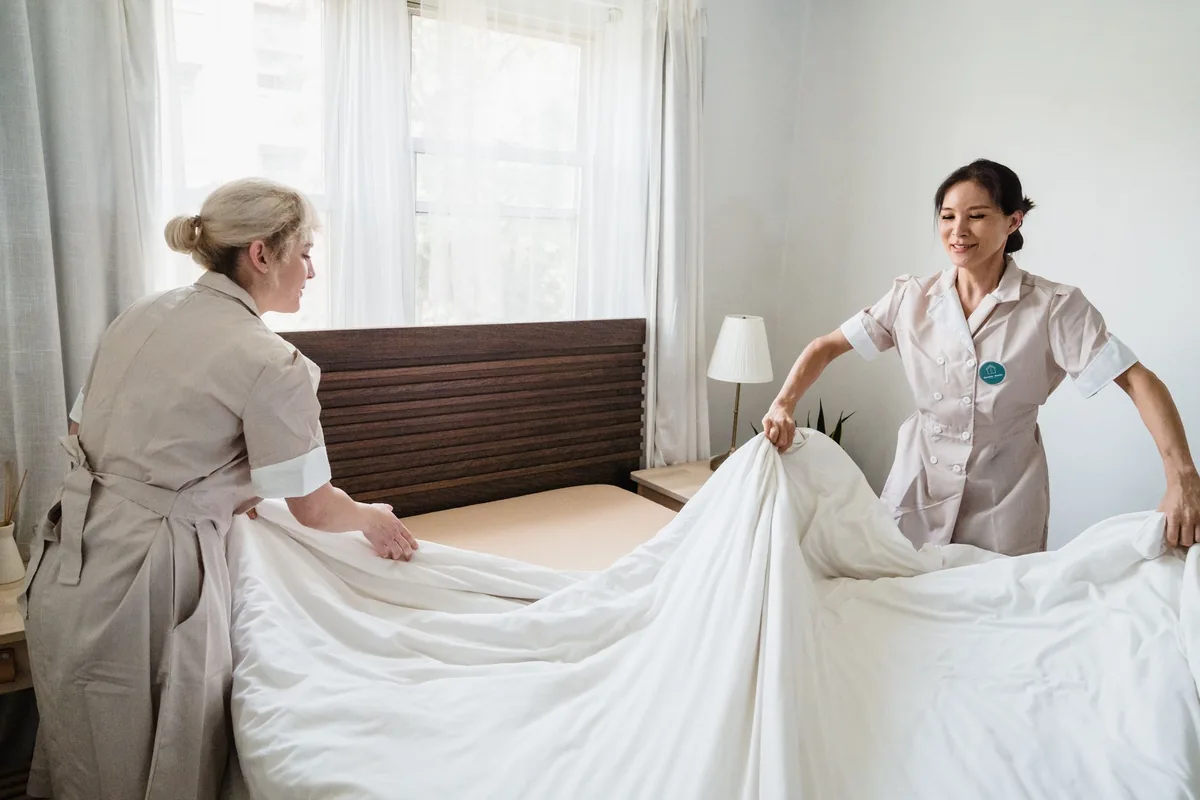
Room turnover delays threaten up to 15 percent of annual hotel revenue per site as operators balance guest arrival demands against staffing pressures. By introducing mobile task automation and rapid digital tipping, properties improve labor productivity by up to 67 percent while securing frontline retention.
“Every delay in getting a room ready has a knock-on effect, whether that’s preventing an early check-in, slowing down room allocation, or leaving rooms unavailable to sell when demand is high.”
The short version
- Access Hospitality research indicates room readiness delays risk up to 15 percent of a hotel's annual revenue.
- Capilon Hotels achieved a 343 percent ROI and saved 114 hours per month after replacing paper room lists with mobile software.
- 35 percent of hoteliers planned to introduce digital tipping systems during 2026, according to the Lodging Technology Study.
Hotel operators can protect margins and retain housekeeping staff by eliminating paper-based task assignments, deploying digital tipping systems with immediate wage access, and linking live room-readiness data to early arrival upselling. Combined operational data reveals that turnover delays jeopardize up to 15 percent of annual site revenue, while automated task allocation and cashless gratuities cut room-readiness friction and boost hourly retention [[2], [3]].
How much revenue do room turnover delays put at risk?
Room turnover delays can reduce annual hotel revenue by 8 to 15 percent per site, according to Access Hospitality research reported by Lodging Magazine [3]. Operational bottlenecks prevent front desks from granting paid early check-ins, delay room allocations, and freeze sellable inventory during periods of peak guest demand [3]. Access Hospitality further found that one in three hotel operators cites housekeeping as a core operational challenge [3]. When departures bunch together without coordinated room cleaning schedules, hotels lose out on repeat bookings and secondary spending [3].
How does automated task management cut cleaning delays?
Automated task systems cut cleaning delays by replacing printed morning room lists with live status updates pushed directly to mobile devices [1]. Lodging Magazine reported that Mews Flexkeeping helped hotel teams increase productivity by 40 percent while decreasing guest complaints by 45 percent [1]. When Capilon Hotels deployed the software across four boutique London properties, the company saved 114 hours monthly, achieved a 343 percent return on investment, and raised housekeeping productivity by 67 percent [1].
Because housekeepers update cleans and report room maintenance directly from their phones, front desk personnel see live room availability in their property management system the moment attendants finish [1]. Software also eliminates language barriers: Flexkeeping features an AI assistant that lets team members dictate updates in their native tongue, which the system translates into structured tasks delivered in the recipient's primary language [1].
Why is the shift to cashless tips hurting frontline retention?
The decline of physical cash directly suppresses frontline earnings because guests who do not carry paper currency cannot leave gratuities, even after an exceptional stay [2]. According to eHotelier, housekeeping remains one of hospitality's most diverse workforces, where take-home earnings are vital for household obligations [2]. In a University of Central Florida-led study of 140 hotel housekeepers organized through UNITE HERE Local 737 in Orlando, only 9.5 percent of participants were born in the continental United States, with others originating from Puerto Rico, Haiti, and Central or South America [2]. Many send money abroad, where U.S. Treasury data indicates residents transferred roughly $73 billion to foreign family and friends in 2021 [2].
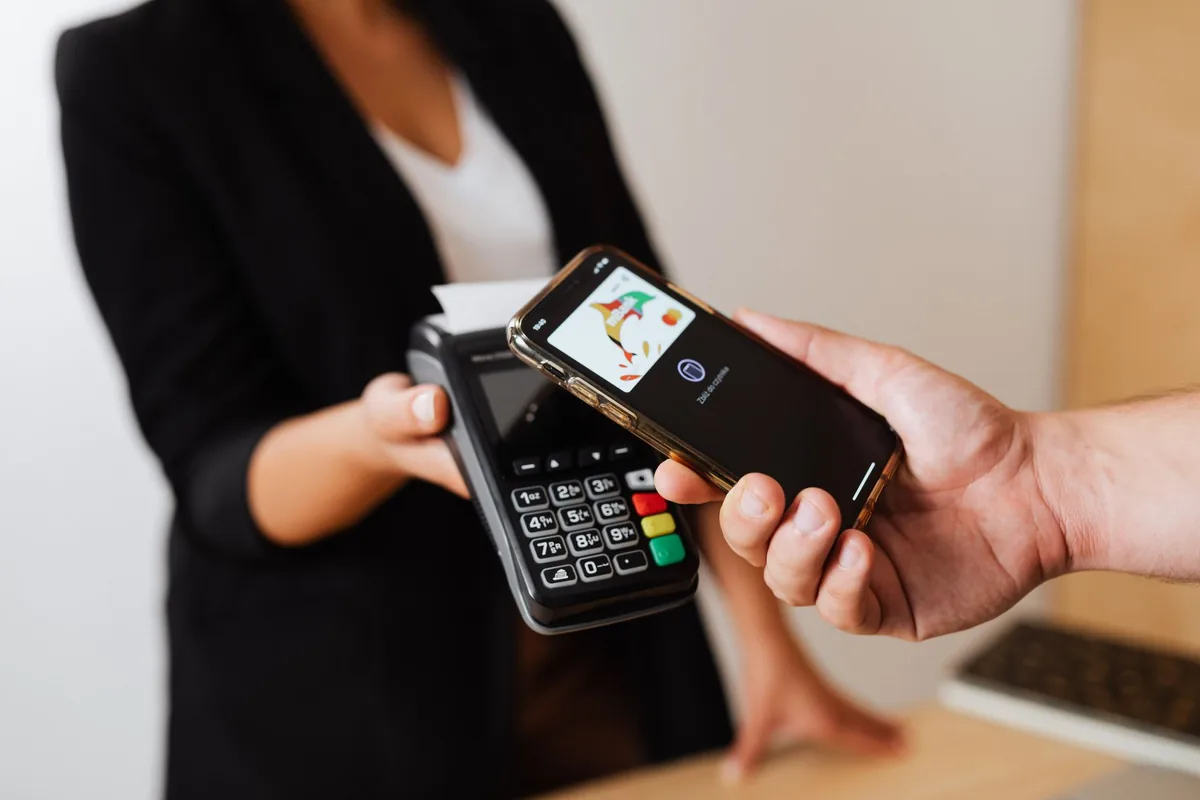
Waiting two weeks for tip disbursements creates acute retention friction [2]. Bankrate research shows that 34 percent of American workers live paycheck to paycheck, a figure rising to 43 percent for those earning under $50,000 annually [2]. In a separate 2025 Bankrate survey, 62 percent of workers noted that income trailed household expense inflation [2]. UKG research highlights that low pay is the primary driver of frontline resignations, with 65 percent working extended hours to make ends meet and 60 percent feeling pressured to produce more output without added pay [2].
How do digital tipping platforms change daily operations?
Digital tipping platforms provide instant wallet access for workers while generating performance benchmarks for managers [2]. Rather than using QR codes or native apps, platforms like TIPMO by GratifID allow guests to tap an NFC-enabled smartphone against a physical tag assigned to the employee, completing transactions via Apple Pay or Google Pay [2]. According to the 2026 Lodging Technology Study, 35 percent of hoteliers planned to implement digital tipping during 2026 [2].
Management dashboards aggregate these electronic payments into operational metrics [2]. By reviewing time-stamped tips and guest ratings across shifts, properties, and departments, leadership identifies top-performing room attendants to build peer-coaching programs, or spots individuals who require additional cleaning training [2].
What concrete operational gains emerge from modern housekeeping tech?
Modern housekeeping technology delivers measurable operational and financial returns across room turnaround times, labor efficiency, and capital deployment [[1], [2], [3]]:
| Operational Metric | Traditional Housekeeping Operations | Automated & Digital Infrastructure | Source |
|---|---|---|---|
| Turnover Impact on Annual Revenue | Delays risk 8% to 15% revenue loss | Early turnover unlocks check-in upselling | Access Hospitality [3] |
| Housekeeping Productivity | Baseline paper-list operations | 40% to 67% productivity increase | Mews / Capilon Hotels [1] |
| Guest Complaints | Uncoordinated room turnaround | 45% reduction in guest complaints | Mews Flexkeeping [1] |
| Management Hours Spent | Manual schedule assignments | 114 hours saved per month across 4 hotels | Capilon Hotels [1] |
| Digital Tip Deployment Plans | Cash-only tipping reliance | 35% of hoteliers planning adoption | 2026 Lodging Technology Study [2] |
How does AI turn room readiness into ancillary revenue?
AI transforms clean room inventory into incremental revenue by comparing live departure cleans against incoming guest profiles to trigger automated arrival offers [3]. Access Hospitality recommends a three-part approach: forecasting arrivals through booking history, automating status alerts to arriving guests via SMS or apps, and packaging early room readiness into automated purchase offers [3]. Software such as GuestStay Evo evaluates real-time clean room releases and guest booking data to present paid early check-in, late check-out, and premium room upgrades at the exact point in the guest journey when the traveler values them most [3].
Reported by
This article was written from the following reporting. Follow the links for the original coverage.
- [1]Mews Flexkeeping Boosts Housekeeping Productivity by 40%— Lodging Magazine
- [2]Digital Tipping Takes Focus for Housekeepers Week— eHotelier
- [3]Room Turnover Delays Risk 15% of Hotel Revenue— Lodging Magazine
Frequently asked
+How much annual revenue is lost to hotel room turnover delays?
Research from Access Hospitality reveals that room readiness delays can impact annual site revenue by 8 to 15 percent by blocking early arrivals, complicating room allocations, and taking inventory out of circulation during peak reservation windows.
+What efficiency improvements does automated housekeeping software provide?
Mews reported that Flexkeeping delivers a 40 percent boost in productivity and reduces guest complaints by 45 percent. In a deployment across four London hotels, Capilon Hotels achieved a 67 percent productivity increase and saved 114 hours per month.
+How does digital tipping help hotel housekeeping retention?
With guests carrying less cash, platforms like TIPMO use NFC tags to process tips via mobile wallets. Because 43 percent of workers making under $50,000 live paycheck to paycheck, immediate digital tip payouts improve frontline financial stability and reduce job churn.
+How do multilingual AI tools assist hotel room operations?
Modern housekeeping suites include AI assistants that allow attendants to speak or write in their native language. The platform automatically translates these updates into structured maintenance and cleaning tasks in the recipient's language, removing communication barriers.
+How can hotels monetize fast room turnaround times?
By using guest engagement tools like GuestStay Evo to combine real-time clean room statuses with guest arrival data, hotels can automatically send targeted offers for paid early check-ins, late check-outs, and room upgrades before the traveler arrives.
Keep reading
Our reporting

More in operations