AHLA Report: 90% Say AI Speeds Work Without Cutting Staff
A joint AHLA and Actabl study shows AI acts as a labor enabler, cutting routine tasks and improving scheduling while frontline adoption lags.
The short answer
A joint report from the AHLA and Actabl reveals that artificial intelligence acts as a labor enabler rather than a headcount reduction tool. While 90 percent of respondents see faster routine work, only 15 percent see frontline gains, highlighting an untapped operational opportunity.

The short version
- Operational efficiency led value metrics at 38 percent, outpacing revenue growth at 28 percent.
- Hours per occupied room dropped 3.1 percent at full-service hotels and 3.5 percent at select-service hotels during the first half of 2026.
- Frontline adoption lags significantly, with only 15 percent of respondents noting frontline improvements compared to 84 percent seeing general workload gains.
Ninety percent of hotel respondents report artificial intelligence helps get everyday duties finished more quickly, according to a joint study by the American Hotel & Lodging Association and software provider Actabl [2]. Unveiled on November 4 at The Hospitality Show in Miami Beach, Florida, the publication titled “AI and the Hotel Workforce: How Technology Is Supporting People and Improving Hotel Operations” argues that automation serves to assist employees rather than eliminate hospitality jobs [1][2]. Rather than attempting to replace critical labor, properties use software to eliminate administrative tasks so workers can redirect attention toward guest interactions [1].

Operational efficiency emerged as the primary benefit, selected by 38 percent of participants, while 28 percent highlighted revenue growth, Lodging Magazine reported [1]. Even so, a sharp split exists between management adoption and guest-facing execution. While 84 percent of surveyed workers said AI improved their personal workloads, a mere 15 percent stated that the software improved frontline operations [1][3]. Asian Hospitality noted that this divide represents an immediate growth target for properties seeking to deploy tools for onboarding, interdepartmental coordination, and standard operating procedure retrieval [3].
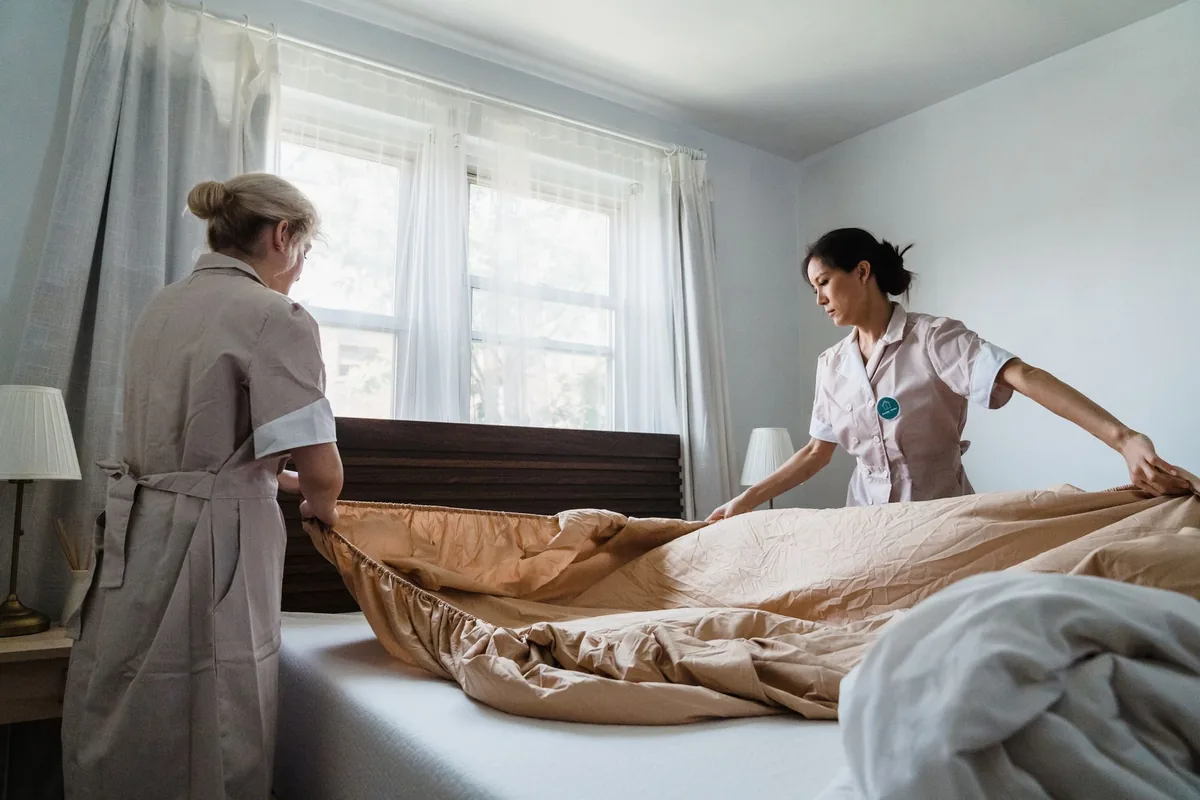
Labor metrics show tighter operational margins alongside broader technological adoption. In the first half of 2026, hours per occupied room dropped 3.1 percent at full-service properties and 3.5 percent across select-service hotels utilizing Actabl’s Hotel Effectiveness platform, despite rising room occupancy [1]. As Hotel Dive reported, predictive scheduling tools allow managers to anticipate staffing needs earlier, stabilizing shifts for staff while freeing surplus labor hours for deep cleaning, preventive maintenance, or staff training [2]. Concurrently, industry retention has stabilized. HotelData.com figures revealed that hotel turnover fell to 5.35 percent in June 2026, down from 5.84 percent in June 2025 and 6.07 percent in June 2024, beating the Bureau of Labor Statistics broader accommodation and food services churn rate of 5.7 percent [3].

Case studies within the report demonstrate practical applications in human resources and operations. Cote Hospitality chief executive Agnelo Fernandes applies AI systems to oversee employee feedback analysis, establish department service standards, and support mentorship through internal programs named G.U.I.D.E. and G.R.A.C.E. [3]. However, broader technology hurdles linger across commercial hospitality teams. An NYU Tisch Center, RateGain, and HEDNA survey of 58,000 hotels revealed that although over half of operators use or procure generative AI, fewer than one in 10 reduced manual tasks by more than 30 percent, with 80 percent of commercial teams losing one to two days every week to manual reporting [3].
For general managers, investing in operational software translates directly into predictable employee schedules that lower expensive mid-season staff churn.
Sources
This article was written from the following reporting. Follow the links for the original coverage.
- 1AHLA Report Shows AI Boosts Hotel Labor Efficiency · Lodging Magazine
- 2
- 3AHLA Report Urges Hotels to Support Staff With AI · asianhospitality.com
- 4AHLA Urges Hotels to Use AI to Empower Staff · asianhospitality.com
Compare the systems named here
Frequently asked
+Does AI reduce frontline staff headcount in hotels?
No, the report emphasizes that AI acts as an operational enabler rather than a replacement for hospitality labor. Systems are primarily used to automate administrative tasks, handle forecasting, and eliminate routine reporting so employees can spend more time on guest service and human interaction.
+What is the primary benefit hoteliers see from AI?
Thirty-eight percent of survey respondents cited operational efficiency as the top value driver of AI, placing it ten percentage points ahead of revenue growth at 28 percent. Additionally, 90 percent reported that AI helps them complete routine duties more quickly.
+Why is there a gap between management and frontline AI benefits?
While 84 percent of respondents noted AI improved their own work, only 15 percent reported improvements in frontline work. This gap exists because adoption has focused heavily on managerial reporting, scheduling, and administrative duties rather than customer-facing or on-the-floor tools.
+How does AI affect hotel employee turnover and scheduling?
Predictive scheduling tools allow managers to anticipate demand earlier, providing employees with stable work hours that accommodate personal commitments. Hotel turnover dropped to 5.35 percent in June 2026, down from 6.07 percent in June 2024, helping stabilize property retention.
+What operational efficiency metrics were reported for 2026?
In the first half of 2026, hours per occupied room fell 3.1 percent at full-service properties and 3.5 percent at select-service properties using Actabl's Hotel Effectiveness tool, achieving tighter alignment between staffing and actual demand even as guest occupancy rose.
Keep reading
Our reporting
More in operations