AHLA Urges Lawmakers to Crack Down on Deceptive Hotel Booking Sites
The American Hotel & Lodging Association is lobbying state and federal officials to curb deceptive online travel platforms impersonating properties.
The short answer
The American Hotel & Lodging Association is lobbying state and federal lawmakers to curb deceptive third-party booking websites that impersonate hotels. State bills in Illinois and Georgia aim to mandate clear intermediary disclosures and penalize unfair trade practices.
The short version
- AHLA is lobbying federal regulators and state legislators to penalize deceptive hotel booking channels.
- Illinois and Georgia are introducing measures requiring explicit affiliation disclosures and classifying booking misrepresentations as unfair trade practices.
- Federal Trade Commission guidance dating back to 2017 has failed to keep pace with modern digital booking scams.
The American Hotel & Lodging Association (AHLA) is renewing efforts with Congress, federal regulators, and state legislatures to crack down on fraudulent hotel booking platforms that mimic properties and dupe travelers. Lodging Magazine reported that the association seeks new legal remedies to separate legitimate booking intermediaries from deceptive operators that mislead consumers and damage hotel reputations [1].
What tactics do deceptive hotel booking websites use against travelers?
Deceptive platforms rely on misleading URLs, fake phone representatives, and unauthorized property photography to make guests believe they are booking directly with a hotel [1]. Lodging Magazine noted that these rogue websites also use unauthorized trademarks and paid advertisements to intercept reservation traffic [1]. Once consumers enter these channels, they frequently face bait-and-switch pricing, undisclosed membership charges, and unexpected service fees that violate federal and state consumer protection standards [1]. In other instances, travelers arrive at properties to find restrictive cancellation rules or non-existent amenities that the hotel never agreed to provide [1].
How do fraudulent booking practices impact property operations and front-desk staff?
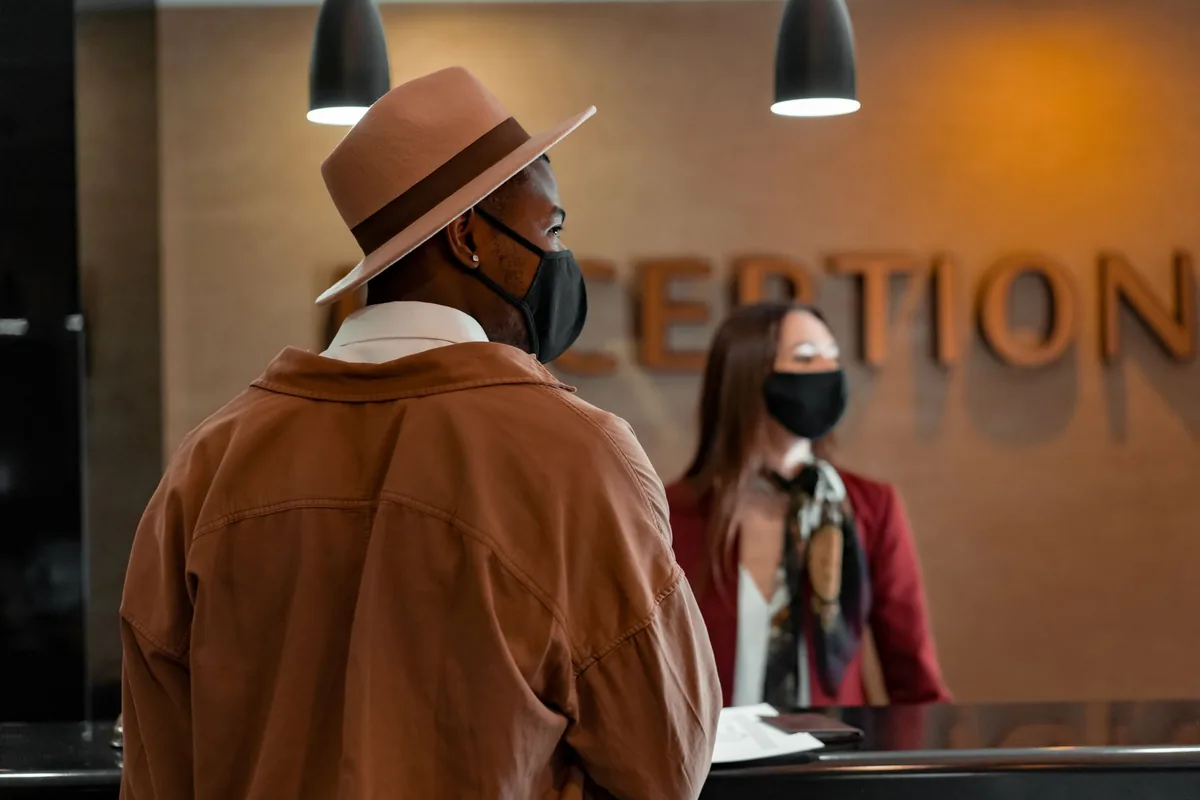
Frontline hotel staff bear the primary operational burden when swindled travelers arrive at the front desk with incorrect or inflated reservations [1]. Because guests believe they completed reservations on direct channels, they hold the property accountable when discrepancies emerge [1]. According to Lodging Magazine, front-desk associates must resolve disputes over undisclosed third-party fees, unauthorized room types, and unfulfilled service expectations [1]. Beyond individual front-desk friction, properties suffer reputational damage and guest dissatisfaction despite playing no role in the misleading transaction [1].
Why are current legal remedies insufficient for lodging operators?
Individual enforcement actions like cease-and-desist notices and litigation remain too fragmented to halt widespread online deception [1]. Lodging Magazine reported that hotel brands, owners, and operators routinely issue cease-and-desist letters, adjust commercial distribution agreements, and pursue civil litigation against bad actors [1]. However, AHLA is examining whether these existing tools remain effective against modern schemes [1]. Back in 2017, the Federal Trade Commission issued a formal report to Congress addressing deception across online hotel reservation platforms and recommending stronger enforcement [1]. Nearly a decade later, the association maintains that federal and state regulatory enforcement must modernize to counter evolving digital tactics [1].
| Jurisdiction | Policy or Regulatory Measure | Targeted Practice |
|---|---|---|
| United States (FTC) | 2017 Congressional Report Recommendations | Online hotel booking deception and misleading marketing practices [1] |
| Illinois | Proposed Third-Party Disclosure Legislation | Mandatory disclosure stating site is unaffiliated directly with property [1] |
| Georgia | Proposed Unfair Trade Practices Amendment | Third-party website misrepresentations classified as deceptive trade practices [1] |
What actions are individual states taking to curb rogue booking platforms?
State legislatures are advancing targeted bills to outlaw misleading digital intermediary tactics and require explicit disclosures [1]. Earlier this year, lawmakers in Illinois introduced legislation requiring third-party booking websites to clearly disclose that they hold no direct affiliation with the properties they list [1]. Meanwhile, Georgia lawmakers proposed legislation designating third-party booking misrepresentations as unlawful, unfair, and deceptive trade practices under state law [1]. Lodging Magazine reported that AHLA supports these state-level measures as models for broader legislative remedies across the country [1].
Reported by
This article was written from the following reporting. Follow the links for the original coverage.
- [1]AHLA Pushes Lawmakers to Crack Down on Booking Scams— Lodging Magazine
Frequently asked
+What is AHLA asking lawmakers to do about hotel booking scams?
AHLA is urging Congress, federal regulators, and state legislatures to introduce stronger enforcement mechanisms and legal remedies. These efforts aim to penalize deceptive websites that impersonate hotels, use bait-and-switch pricing, and mislead consumers into booking through unaffiliated channels [[1]].
+How do rogue booking sites impersonate genuine hotels?
Rogue websites buy paid search ads, deploy imposter URLs, copy hotel trademarks, and use property photography without authorization. Some platforms even use phony phone agents who pretend to work as direct hotel staff [[1]].
+What legislative actions have states introduced to combat booking deception?
Illinois legislators introduced bills requiring third-party websites to disclose that they have no direct affiliation with the property. Georgia proposed legislation classifying website misrepresentations by third parties as unlawful and deceptive trade practices [[1]].
+When did the Federal Trade Commission examine online hotel booking deception?
The Federal Trade Commission issued a report to Congress in 2017 addressing deception in the online hotel reservation market and recommended regulatory enforcement against deceptive marketers [[1]].
+What operational problems do booking scams cause for hotel staff?
Front-desk associates are left to handle angry guests who arrive with unexpected fees, canceled reservations, or missing amenities. These problems strain customer service teams and harm the property's reputation [[1]].
Keep reading
Our reporting
More in operations