Hotel Operators Deploy Integrated Software and BI Tools
Operators connect property systems, labor scheduling, and digital ordering to modernize daily workflows.
The short answer
Hotel operators are deploying integrated property software, native business intelligence, and mobile ordering tools to connect back-of-house and front-of-house workflows. Recent implementations show significant efficiency gains in labor scheduling and guest ordering across multi-brand portfolios.
“The IRIS platform is imperative to both our day-to-day operations across our properties and longer-term growth strategy across the group. The improvements to our guest experience have been phenomenal and likewise the guest feedback on our mobile ordering offer has been overwhelmingly positive.”
The short version
- Cote Hospitality deployed ProfitSword, Hotel Effectiveness, and Alice to unify forecasting and labor scheduling across its portfolio [[1]].
- Mews launched Mews BI to provide native data analysis within its property management system [[2]].
- HEI Hotels expanded mobile ordering across 20 properties, driving a 114% F&B revenue increase at Westchester Marriott without adding staff [[3]].
Hotel operators are adopting integrated software and data tools by connecting central property management systems, forecasting intelligence, labor platforms, and guest-facing digital ordering tools into automated workflows. These integrations eliminate phone-based bottlenecks, align staffing schedules with real-time demand forecasts, and give managers direct operational visibility across multiple departments.
How are operators connecting disparate systems to manage labor and forecasting?
Operators are moving away from disconnected legacy software by integrating specialized operations platforms directly into daily management routines. According to Hotel Tech Report, Cote Hospitality embedded ProfitSword, Hotel Effectiveness, and Alice across its resort and camp portfolio to shift management from reactive historical reporting to forward-looking operational planning [1].

By linking business intelligence with labor scheduling, Cote Hospitality aligns department schedules with projected demand. ProfitSword is utilized daily across finance, people services, and operations departments to coordinate forecasting [1]. Hotel Effectiveness applies demand data to build staffing schedules that prevent overstaffing and understaffing, while Alice connects housekeeping and service delivery to minimize handover failures across property teams [1].
What role does native business intelligence play in core property management?
Property management systems are incorporating native analytics directly into their platforms to give operators direct access to property performance without third-party data extraction. Boutique Hotel News reported that property management system provider Mews launched Mews Business Intelligence (Mews BI), a native data analysis tool designed for real-time reporting [2].
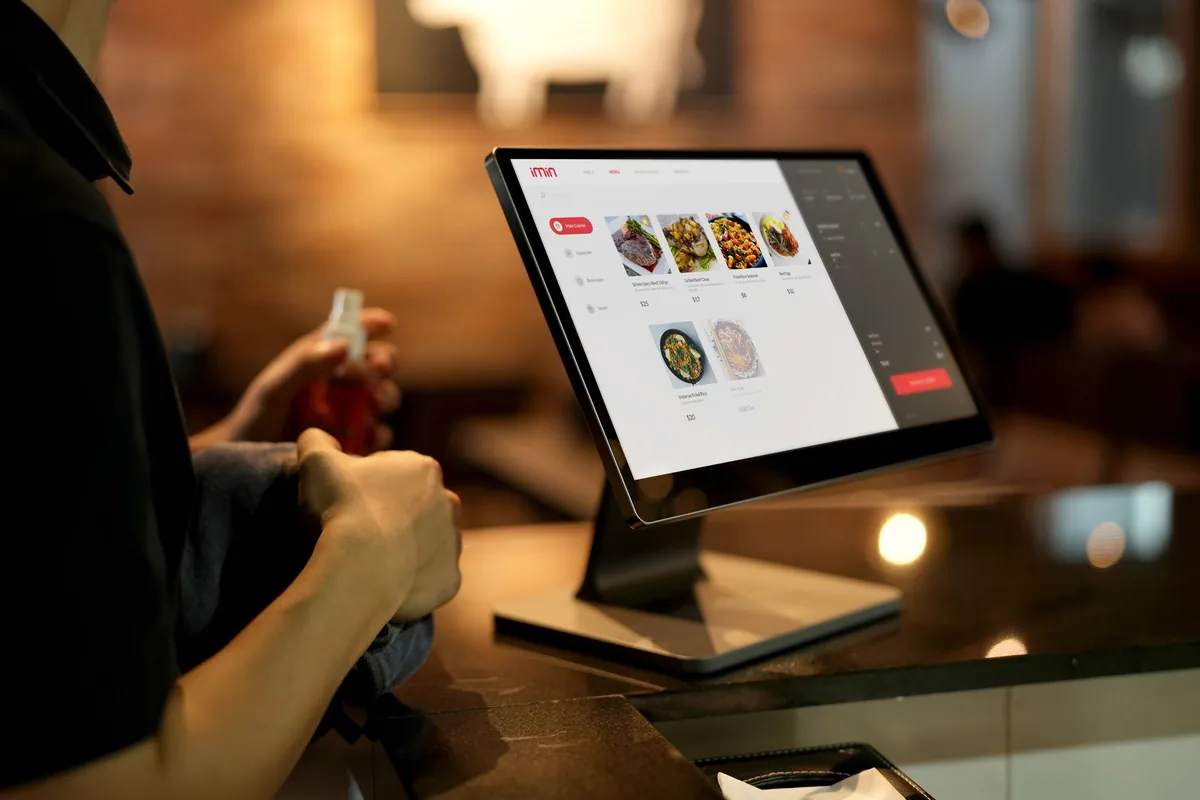
Native tools allow property leadership to evaluate performance indicators without manually transferring data between different systems. This integration simplifies reporting for on-property teams and provides standardized portfolio data across properties [2].
How does automated food and beverage ordering improve departmental workflows?
Digital ordering platforms streamline food and beverage operations by routing guest orders directly into existing point-of-sale systems, eliminating front desk order handling. Hospitality Technology reported that HEI Hotels & Resorts deployed the IRIS mobile ordering platform across 20 properties, spanning Marriott, Hilton, Hyatt, and Choice brands [3].
The tech-agnostic platform uses QR codes that allow guests to view visual menus, customize selections, and pay without downloading an application [3]. Because orders route automatically to kitchens and bars, front desk teams no longer split attention between guest check-ins and phone-based room service requests [3].

| Property / Operator | Technology Deployed | Operational Area | Reported Impact |
|---|---|---|---|
| Cote Hospitality | ProfitSword, Hotel Effectiveness, Alice | Labor, forecasting, and cross-department operations | Shifted from backward-looking reporting to forward planning across resort portfolio [1] |
| HEI Hotels & Resorts (The Gwen, Chicago) | IRIS Platform | Digital F&B and in-room dining | Guest spend increased by over 20%, exceeding budget targets [3] |
| HEI Hotels & Resorts (Westin Riverwalk San Antonio) | IRIS Platform | Digital F&B and mobile ordering | Transaction values rose by up to 122% via visual menus and automated upsells [3] |
| HEI Hotels & Resorts (Westchester Marriott) | IRIS Platform | Digital F&B and in-room dining | 114% YoY revenue growth; processed 127% more orders with same staffing levels [3] |
How do digital workflows change operational labor and revenue performance?
Automating administrative tasks allows hotels to handle higher volume without expanding headcount. At Westchester Marriott, the deployment of mobile ordering enabled the property to process 127% more food and beverage orders with existing staff levels, generating 114% year-over-year revenue growth, as reported by Hospitality Technology [3].
Automated ordering prompts also increase check averages by capturing add-ons often omitted during phone calls. At The Westin Riverwalk San Antonio, transaction values increased by up to 122% through automated suggestions and visual menus [3]. Removing administrative tasks from front-of-house staff enables associates to focus on guest service while kitchen operations receive accurate tickets directly [3].
Reported by
This article was written from the following reporting. Follow the links for the original coverage.
- [1]How Cote Hospitality Uses Data to Drive Operations— Hotel Tech Report
- [2]Mews Launches Native Business Intelligence Tool— Boutique Hotel News
- [3]Operationalizing Digital F&B: A Case Study in Scalability— Hospitality Technology
Frequently asked
+How does Cote Hospitality use data tools in daily hotel operations?
Cote Hospitality uses ProfitSword for forward-looking financial forecasting, Hotel Effectiveness for accurate labor scheduling based on demand, and Alice for cross-department service and housekeeping handovers across its resort portfolio [[1]].
+What is Mews Business Intelligence?
Mews Business Intelligence (Mews BI) is a native data analysis tool launched by property management system Mews to provide built-in operational and performance reporting [[2]].
+What operational issues prompted HEI Hotels to adopt digital F&B ordering?
HEI Hotels faced front desk bottlenecks from staff taking room service phone calls, declining in-room dining spend, and miscommunication errors that created service recovery expenses [[3]].
+What financial gains did HEI Hotels achieve with mobile ordering?
The Gwen in Chicago saw guest spend rise by over 20%, The Westin Riverwalk San Antonio increased transaction values by up to 122%, and Westchester Marriott achieved 114% year-over-year F&B revenue growth [[3]].
+How does integrated mobile ordering impact hotel front desk workload?
Mobile ordering routes food and beverage requests directly to kitchens and bars via POS integrations, allowing front desk staff to focus on guest check-ins without answering room service calls [[3]].
Keep reading
Our reporting


More in operations