10 Ways Hotels Drive Profit with Sustainability Tech
Hospitality operators are turning sustainability tech into direct operating margin gains across energy, waste, and food service.
The short answer
Hotels are lowering operational expenses across energy, food, and refurbishment through sustainability technology. From AI kitchen cameras to on-site microgrids and greywater loops, operators turn resource efficiency into direct margin gains.

The short version
- AI food monitors and on-site aerobic digesters cut kitchen purchasing costs and eliminate waste transport fees [[1]].
- Plant-forward menu modifications reduce food-related carbon emissions by 30% to 50% [[1]].
- Greywater recovery and IoT occupancy sensors lower room utility consumption without compromising guest comfort [[1]].
Hotels drive profit with sustainability technology by deploying automated systems that directly lower utility bills, food waste, and material costs. Deployments span AI kitchen monitors, on-site renewable microgrids, automated IoT HVAC controls, greywater reclamation systems, and aerobic digesters, allowing properties to cut carbon emissions while improving operational margins over multi-year periods [1].
How Do AI and Food Tech Lower Kitchen Costs?
AI kitchen tools combine digital scales and cameras to track discarded ingredients in commercial kitchens [1]. According to eHotelier, kitchens use this equipment to distinguish preparation waste from customer plate waste, enabling chefs to adjust menu portions and real-time prep schedules [1]. This visibility directly curtails excess purchasing and lowers food production costs [1].
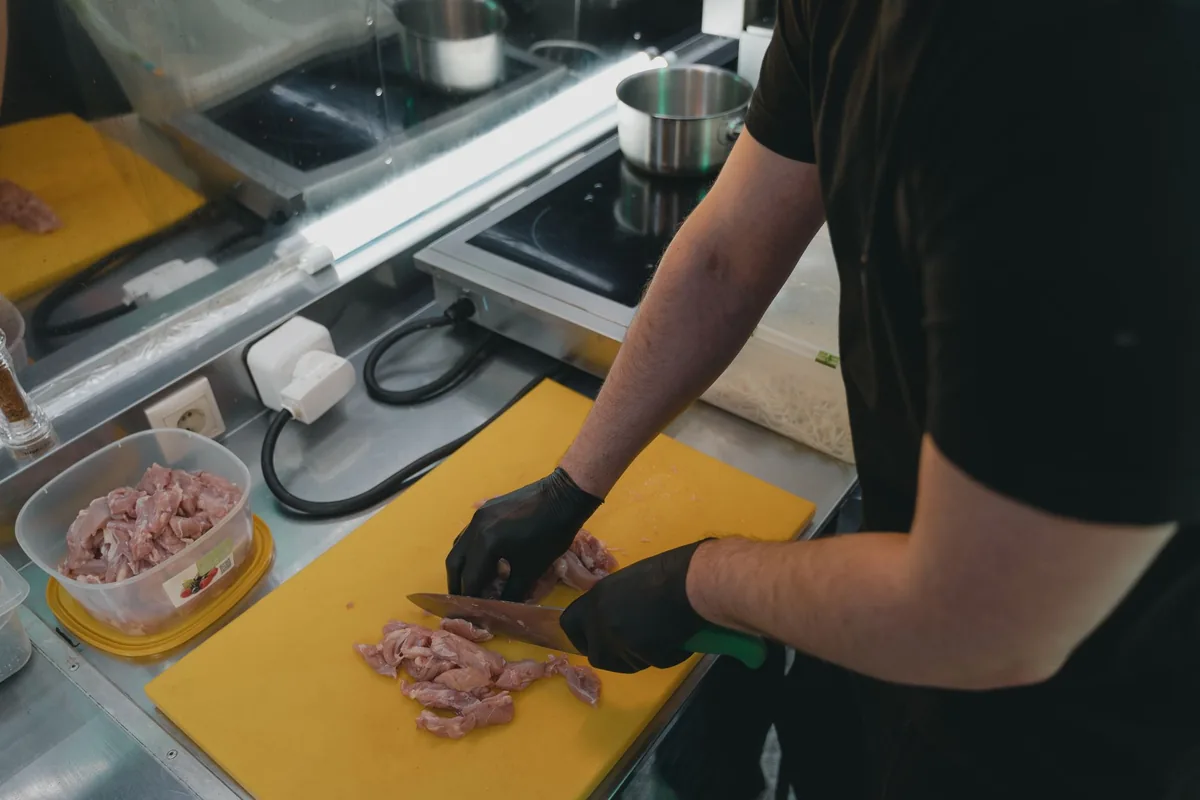
Food operations also reduce carbon footprints by 30% to 50% by redesigning menus around pulses, legumes, and alternative proteins instead of carbon-heavy proteins like beef [1]. Commercial kitchens further process remaining scraps using on-site aerobic digesters, which turn organic matter into fertiliser or nutrient-rich water in 24 hours to cut transport fees [1].
How Do Microgrids and Smart IoT Sensors Cut Utility Overhead?
Properties deploy on-site solar panels, wind installations, and geothermal loops to generate their own power instead of purchasing all electricity from utility providers [1]. As reported by eHotelier, energy-positive properties produce surplus electricity and export it directly back to municipal power grids [1].
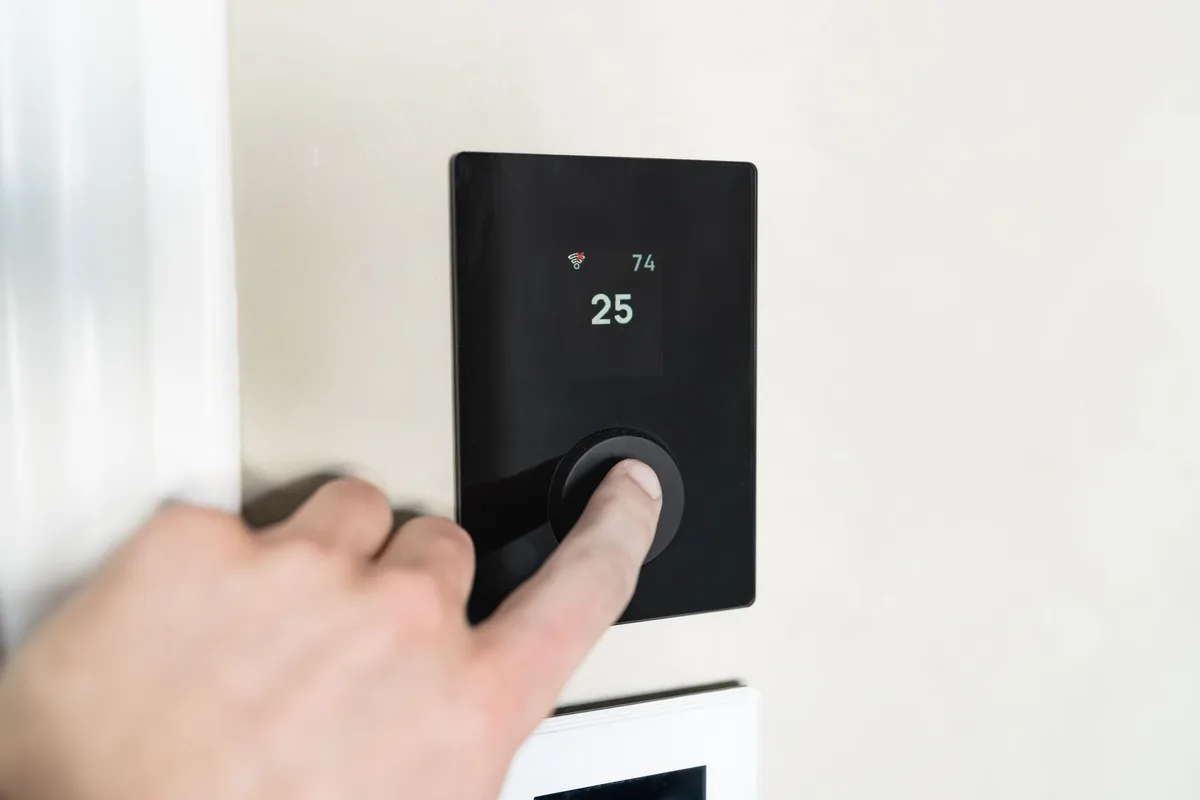
Within guestrooms and kitchens, automated Internet of Things (IoT) sensors eliminate idle utility drain [1]. In guestrooms, occupancy detectors alter HVAC and lighting setpoints immediately after guests exit [1]. In restaurant kitchens, intelligent exhaust hoods adjust fan speed in response to active cooking, and smart sensors flag refrigeration temperature swings to stop stock spoilage [1].
What Tech Recovers Water and Eliminates Hidden Plastics?
Water conservation technology captures shower and laundry effluent through greywater filtration loops [1]. Properties repurpose this treated water for grounds irrigation and toilet flushing, while inline acoustic and flow sensors identify small plumbing leaks before pipe ruptures occur [1].
To tackle back-of-house operating supplies, properties replace cling wrap with reusable silicone covers and swap standard vacuum bags for compostable versions [1]. Operations also standardise on large wall-mounted dispensers and paper-based takeaway containers [1].
| Technology Category | Operational Mechanism | Primary Financial and Environmental Impact |
|---|---|---|
| AI Food Waste Tracking | Integrates scales and cameras to differentiate prep and plate waste | Lowers food spend and cuts kitchen carbon emissions [1] |
| Renewable Microgrids | On-site solar, wind, and geothermal power generation | Reduces grid power purchases; exports excess electricity [1] |
| Smart Room IoT | Automated sensors linked to guestroom HVAC and lighting | Stops energy draw when rooms are vacant [1] |
| Greywater Systems | Filters shower and laundry run-off for reuse | Supplies water for toilet flushing and landscape irrigation [1] |
| Aerobic Digesters | Breaks down kitchen organics on-site within 24 hours | Eliminates waste haulage fees and landfill disposal [1] |
| Plant-Forward Menus | Replaces high-emission animal proteins with legumes and pulses | Reduces kitchen carbon footprint by 30% to 50% [1] |
How Does Circular Design Lower Refurbishment Capital Expenditure?
Circular refurbishment avoids standard strip-out cycles by reusing base materials and commissioning modular items [1]. Properties source reclaimed timber, bamboo, and recycled metals for interior buildouts [1]. Engineering teams select furniture that allows component-level repair or upgrades rather than discarding intact frames, sending usable items to donation channels instead of landfills [1].
Why Are Properties Publishing Carbon Metrics to Guests?
Venues publish carbon footprint ratings directly on dining menus and present aggregate energy savings figures on room folios [1]. eHotelier reported that providing verified environmental data encourages guest participation in green initiatives, including housekeeping opt-out programmes [1]. Transparency builds credibility among corporate and leisure travellers who assess carbon output prior to booking [1].
Reported by
This article was written from the following reporting. Follow the links for the original coverage.
- [1]10 Ways Hotels Drive Profit with Sustainability Tech— eHotelier
Frequently asked
+How does AI track and reduce commercial kitchen food waste?
Commercial kitchens pair artificial intelligence software with automated scales and cameras to catalogue discarded food. The system identifies whether items originate from pre-service prep or guest plates, giving culinary teams the exact data needed to modify portion sizes, adjust procurement orders, and trim unnecessary food expenditures [[1]].
+What equipment allows hotels to operate as energy-positive properties?
Hotels install on-site renewable power systems including photovoltaic solar arrays, wind generation turbines, and geothermal heating installations. Properties configured as energy-positive generate more power than building systems consume, exporting the excess electricity back into local municipal electrical grids [[1]].
+How much carbon can hotels cut by adjusting menu protein sources?
According to industry reporting, re-engineering dining menus to highlight plant-forward dishes, pulses, and alternative proteins instead of resource-intensive proteins like beef reduces an operation's carbon footprint by 30% to 50% while catering to broader guest dietary preferences [[1]].
+How do on-site aerobic digesters process hotel organic waste?
Aerobic digesters process unavoidable kitchen food scraps directly on the property. The machines break down organic materials into nutrient-rich water or commercial fertiliser within a 24-hour cycle, removing the logistics and transportation expenses tied to hauling waste to landfills [[1]].
+What role do IoT sensors play in reducing hotel room energy use?
Internet of Things occupancy sensors track whether guestrooms are occupied or vacant. When guests leave, the system automatically alters thermostats, shuts off ventilation, and switches off room lighting to prevent power consumption in empty spaces [[1]].
Keep reading
Our reporting


More in sustainability