Banyan Group and Travalyst Target Measurable Destination Health
Hospitality leaders are dropping generic sustainability claims to focus on quantifiable ecological and community contribution.
The short answer
At the Skift Global Forum, Prince Harry urged the travel industry to track destination health alongside standard financial figures. Concurrently, Banyan Group retired the word sustainability to focus on measurable contributions to local ecosystems and communities.
“We must remember there is no successful travel industry without successful destinations,”
The short version
- Banyan Group has dropped the word sustainability from marketing to focus on measurable contributions to communities and ecologies.
- Prince Harry urged hotel boardrooms to measure destination health alongside financial indicators like RevPAR.
- 7.3% of global greenhouse gas emissions come from travel and tourism, according to the World Travel & Tourism Council.
Hospitality brands are shifting from generic sustainability metrics to measurable destination health by tracking positive ecological and community contributions rather than relying solely on business performance figures. At the Skift Global Forum, Travalyst founder Prince Harry demanded the travel industry measure destination health alongside boardroom numbers, while Banyan Group retired the term sustainability entirely to prioritize demonstrable additions to local ecosystems, communities, and employees.
Why are hospitality brands abandoning generic sustainability labels?
Hospitality groups are dropping generic terminology because audience attention has eroded after years of unverified corporate jargon. Banyan Group Deputy CEO Ho Ren Yung explained at the Skift Global Forum that the Singapore-based hotel operator is retiring the word sustainability from its pitch because both guests and industry peers have stopped listening to it [1]. Rather than relying on tired slogans, Banyan Group reframes its environmental programs around measurable contribution [1]. This strategy monitors what an individual property actively adds to its local ecology, community, and staff alongside traditional operational cuts to waste, water, and energy [1].
The push away from standard corporate terminology also reflects mounting external pressures across international travel hubs. Travalyst founder Prince Harry, Duke of Sussex, stressed at the Skift Global Forum that travel functions as a double-edged sword, relying on nature and local populations while threatening them through overtourism and climate impacts [2]. Skift reported that travel and tourism accounts for roughly 7.3% of global greenhouse gas emissions based on figures from the World Travel & Tourism Council [2]. Prolonged community backlash in popular tourism spots followed a summer of drought, extreme heat, and wildfires, underscoring the risk of ignoring community stability [2].
How can destination health be measured against traditional financial metrics?
Destination health requires operators to evaluate the vitality of the local community and surrounding environment rather than tracking only guest spending and room revenues. Prince Harry called on the hospitality sector to measure destination health directly, pointing out that corporate boardrooms continuously track metrics like RevPAR instead of tracking destination longevity [2]. He argued that without resilient, healthy destinations, commercial success cannot continue [2].

| Entity or Brand | Strategic Focus | Reported Operational Metric or Initiative | Target Growth or Operational Scope |
|---|---|---|---|
| Travalyst | Destination health advocacy | Addressing the 7.3% global emissions share from travel and tourism [2] | Global industry accountability [2] |
| Banyan Group | Measurable contribution model | Coral gene bank storage and guest replanting program [1] | Asia, Middle East, Africa, Mexico, Europe [1] |
| World Travel & Tourism Council | Global footprint tracking | 7.3% global greenhouse gas emissions attributed to tourism [2] | Worldwide tourism analysis [2] |

What does measurable ecological contribution look like on the property level?
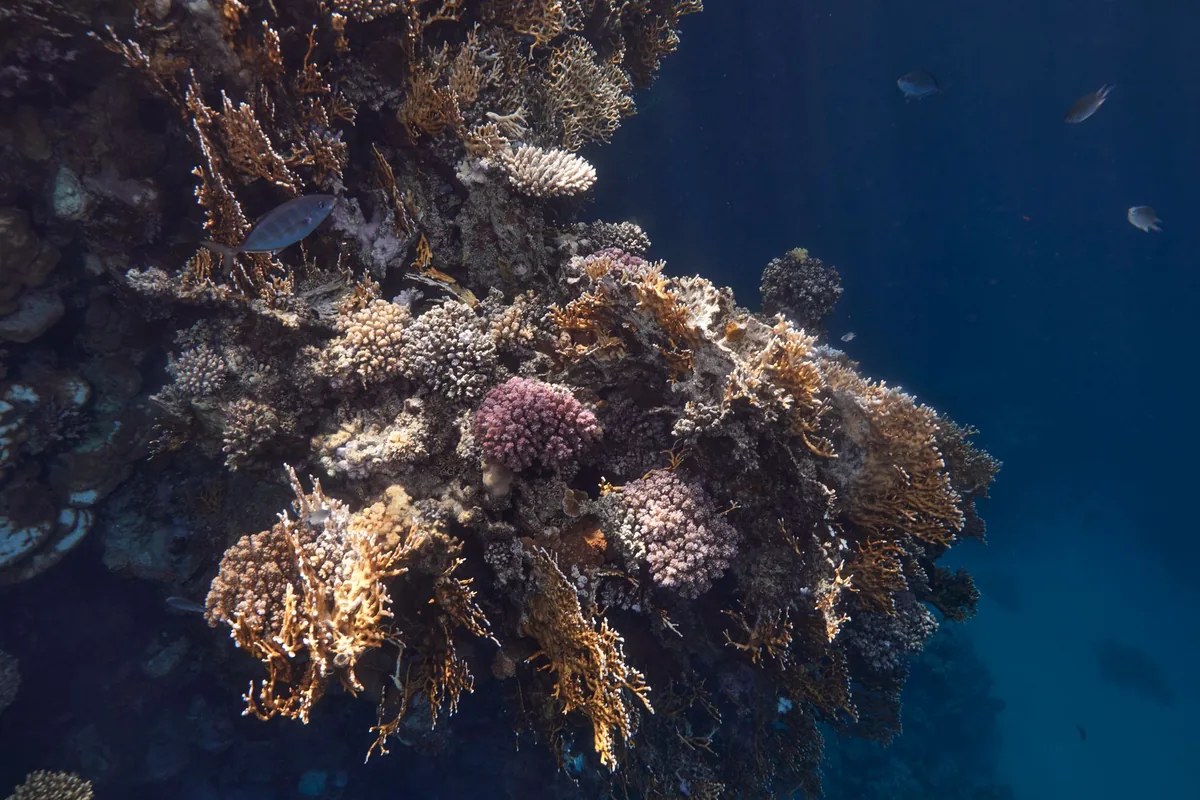
Tangible ecological contribution requires infrastructure investments that protect natural assets from climate disruptions while integrating guests into conservation. In the Maldives, Banyan Group established a land-based coral gene bank to safeguard fragments against severe bleaching threats anticipated from a building super El Niño [1]. The lab functions as environmental insurance and doubles as a paid guest experience [1]. Skift detailed how visiting families can plant and track their own coral specimens, tying guest spending directly to measurable ecological replenishment [1].
How does the focus on community health alter hotel development and guest programming?
Moving toward community health changes demographic segmentation and property location strategies. Banyan Group has discarded age-based segmentation, focusing instead on what it identifies as kinship travel [1]. This booking category covers multigenerational and group journeys centered on connection, wellness, and purpose, which requires updates to resort room layouts and daily guest programming [1].
According to Skift, Banyan Group avoids expansion in the United States, viewing the market as saturated and driven by competitive levers that conflict with its brand [1]. Instead, the operator focuses growth across Asia, the Middle East, Africa, Mexico, and Europe [1]. Banyan Group is also targeting mixed-use developments located one to two hours outside major metropolitan centers, combining concert venues, working farms, and wineries on single properties [1].
Reported by
This article was written from the following reporting. Follow the links for the original coverage.
Frequently asked
+Why is Banyan Group retiring the term sustainability?
Banyan Group Deputy CEO Ho Ren Yung reported that guests and industry peers have stopped listening to the word sustainability. The company is adopting the concept of measurable contribution instead, assessing what properties add to ecology, staff, and communities alongside conventional resource reduction goals.
+What is Prince Harry's critique of conventional hotel metrics?
Prince Harry, Duke of Sussex and founder of Travalyst, stated that hotel boardrooms track commercial figures like RevPAR while ignoring the condition of host communities. He warned that travel relies on healthy nature and communities, meaning long-term business viability requires measuring destination health.
+What percentage of global emissions comes from travel and tourism?
According to the World Travel & Tourism Council cited in coverage of Prince Harry's speech, travel and tourism generates approximately 7.3% of global greenhouse gas emissions, creating risks for host communities facing severe weather events like wildfires and droughts.
+How does Banyan Group run its coral gene bank in the Maldives?
Banyan Group stores coral fragments in a land-based laboratory to protect them from bleaching events linked to an incoming super El Niño. The initiative acts as ecological insurance and operates as a paid activity where families plant and track their own coral.
+What is kinship travel in Banyan Group's strategy?
Kinship travel is Banyan Group's replacement for standard age-based demographic segmentation. It describes multigenerational and group trips driven by shared connection, wellness, and purpose, which directly influences property programming and guest room design.
+Where is Banyan Group looking to expand its portfolio?
Banyan Group is concentrating expansion in Asia, the Middle East, Africa, Mexico, and Europe. It is also targeting mixed-use sites located one to two hours outside major cities that feature wineries, farms, and concert venues, while steering clear of the saturated U.S. market.
Keep reading
Our reporting
More in sustainability