Mindtrip Study Reveals Two-Year AI Adoption Gap
Travelers outpace destination marketing organizations on artificial intelligence adoption, creating operational and discovery risks across the sector.
The short answer
Travelers are adopting artificial intelligence nearly two years faster than destination organizations, with 75 percent planning to use it for future trips. While 40 percent discover destinations via AI, only 22 percent of DMOs provide AI planning tools on their websites.

The short version
- Mindtrip, Sabre, Sojern, and MMGY found 54 percent of travelers use AI for planning, while only 22 percent of DMO websites offer AI tools.
- 72 percent of destination leaders warn that failing to adopt AI within two years risks discovery irrelevance.
- 40 percent of travelers discovered a destination through AI tools, and 29 percent modified plans based on AI recommendations.
Travelers lead destination marketing organizations by nearly two years in artificial intelligence adoption across discovery, planning, and booking [1]. The AI Readiness Report reveals that 54 percent of travelers have used artificial intelligence to plan trips, while only 22 percent of destination organizations offer artificial intelligence tools on their official websites [[1], [2]].
How large is the artificial intelligence adoption gap between travelers and DMOs?
Consumer uptake is moving significantly faster than destination infrastructure [1]. As reported by Asian Hospitality, 54 percent of travelers have already utilized artificial intelligence to plan travel, and 75 percent plan to deploy it for upcoming itineraries [1]. Lodging Magazine noted that in contrast, only 22 percent of destination marketing organizations currently feature artificial intelligence trip-planning utilities directly on their websites [2]. Furthermore, just 26 percent of destination organizations maintain a documented artificial intelligence operational strategy [[1], [2]].

The study, executed by MMGY Travel Intelligence alongside Mindtrip, Sabre, and Sojern, surveyed 1,006 U.S. adults and 103 destination leaders in April 2026 [1]. The research exposes an operational timing disconnect [1]. Fully 72 percent of destination marketing leaders acknowledge that organizations failing to integrate artificial intelligence within the next two years face the risk of becoming irrelevant in traveler destination discovery [[1], [2]].
How are travelers using artificial intelligence to plan trips?
Travelers apply artificial intelligence for deep utility and logistical organization rather than mere high-level inspiration [[1], [2]]. Research shows that 62 percent of travelers use artificial intelligence to research attractions, restaurants, and local transportation options, according to Asian Hospitality, while Lodging Magazine reported this figure at 60 percent [[1], [2]]. Additionally, 56 percent utilize it to evaluate and compare pricing, and 43 percent employ artificial intelligence to build full itineraries and organize specific trip details [[1], [2]].

Artificial intelligence directly alters travel choices [1]. Forty percent of surveyed travelers discovered a destination via artificial intelligence, while 29 percent adjusted their existing travel schedules following an artificial intelligence recommendation [[1], [2]]. Among younger demographics, artificial intelligence tools are replacing legacy channels [1]. Sixty-nine percent of Millennials and 63 percent of Gen Z travelers consult artificial intelligence assistants as frequently as social media platforms when planning trips [[1], [2]].
| Traveler AI Activity / Industry Metric | Reported Share (%) | Context & Source |
|---|---|---|
| Future AI Trip-Planning Intent | 75% | Travelers planning future trip use [[1], [2]] |
| DMO Relevance Risk Concern | 72% | Leaders citing 2-year risk [[1], [2]] |
| Millennial AI Assistant Usage | 69% | Use AI as often as social media [[1], [2]] |
| Attraction & Dining Research | 60% – 62% | Discrepancy: 62% [1] vs 60% [2] |
| Price Comparison Usage | 56% | Travelers comparing trip prices [[1], [2]] |
| Prior AI Trip-Planning Experience | 54% | U.S. adult travelers surveyed [[1], [2]] |
| Itinerary Building AI Usage | 43% | Travelers building trip details [[1], [2]] |
| DMO Documented Strategy Rate | 26% | Destination marketing orgs [[1], [2]] |
| DMO Website AI Tool Availability | 22% | Destination marketing orgs [[1], [2]] |
| DMO Focus on Itinerary Building | 20% | Leaders ranking high value [[1], [2]] |
Where is the disconnect between destination tools and traveler expectations?
A functional misalignment exists regarding itinerary creation tools [1]. Only 20 percent of destination marketing organization leaders rank itinerary construction as a high-value capability, even though travelers rely on it as a core function [[1], [2]]. Destination websites risk losing audience traffic by failing to provide these integrated utilities [1].
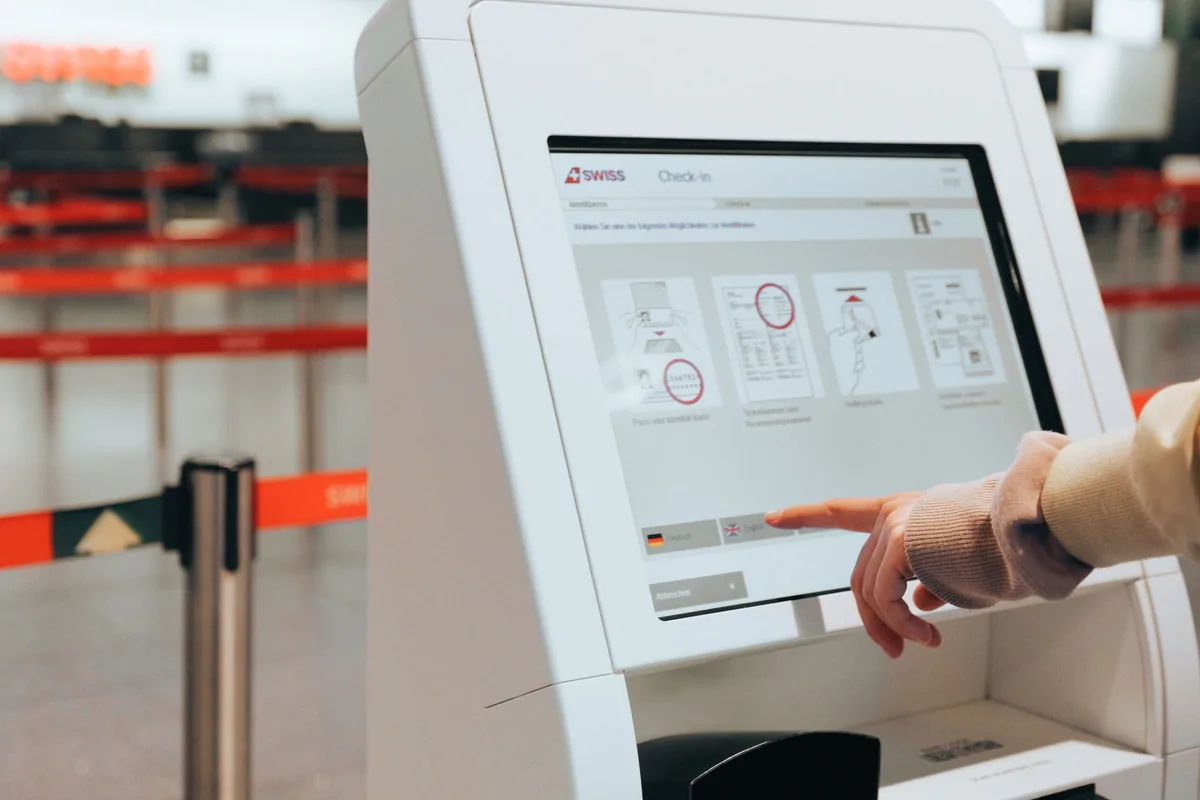
According to Asian Hospitality, 62 percent of travelers would use an artificial intelligence trip planner directly on a destination website, whereas Lodging Magazine recorded this demand at 63 percent [[1], [2]]. Furthermore, 25 percent of respondents state they are less likely to visit or engage with a destination website that lacks artificial intelligence capabilities [[1], [2]].
What role does artificial intelligence play in travel booking?
Travelers are expanding artificial intelligence usage into direct booking transactions [1]. More than one-third of travelers feel comfortable allowing artificial intelligence to participate in booking actions, with the highest comfort levels concentrated among Millennial and Gen Z demographics [[1], [2]]. Consumer willingness to finalize bookings via artificial intelligence increases when human customer support remains accessible [1].
A separate Amadeus report established that 74 percent of U.S. travelers use artificial intelligence to plan journeys, though trust decreases as systems transition from generating suggestions to executing automated actions [1]. Destination organizations that establish integrated discovery-to-booking pathways can directly assist travelers from early research through transaction fulfillment [[1], [2]].
Reported by
This article was written from the following reporting. Follow the links for the original coverage.
- [1]Travelers Adopt AI Two Years Faster Than Destinations— asianhospitality.com
- [2]Study Shows Travelers Outpace Industry in AI Adoption— Lodging Magazine
Frequently asked
+How fast are travelers adopting AI compared to destination marketing organizations?
Travelers lead destination marketing organizations by approximately two years in artificial intelligence adoption. While 54 percent of travelers have used artificial intelligence to plan trips, only 22 percent of destination organizations offer artificial intelligence tools on their websites.
+What percentage of travelers plan to use AI for upcoming trips?
The study shows that 75 percent of travelers intend to utilize artificial intelligence tools for planning future travel journeys, demonstrating expanding reliance on automated assistance.
+How does AI usage impact destination choice and traveler itineraries?
Artificial intelligence directly affects travel decisions, with 40 percent of travelers discovering destinations through artificial intelligence tools and 29 percent modifying their travel plans following an artificial intelligence recommendation.
+What disconnect exists around AI itinerary planning tools?
While 43 percent of travelers use artificial intelligence to build itineraries, only 20 percent of destination organization leaders view itinerary building as a high-value capability for their digital channels.
+How comfortable are consumers with AI-assisted travel booking?
More than one-third of travelers are comfortable with artificial intelligence participating in the booking process, with comfort peaking among Gen Z and Millennial travelers when human support is accessible.
Keep reading
Our reporting


More in technology