Hotel Staff Communication: Speed Up Guest Response
Direct cross-department communication reduces delays, prevents duplicate work, and protects labor productivity during peak occupancy periods.
The short answer
Instant cross-department communication enables hotel teams to handle guest requests rapidly and eliminate operational friction. Direct connectivity keeps lean teams coordinated across housekeeping, front desk, and engineering during peak demand.
The short version
- Direct staff communication eliminates redundant stockroom checks and intermediate desk calls.
- Housekeeping and engineering updates routed immediately protect check-in flow during sold-out periods.
- Cobra communication solutions maintain connectivity across demanding back-of-house environments.
Instant team communication boosts hotel efficiency by connecting front-of-house and back-of-house departments directly, enabling staff to resolve guest requests, maintenance issues, and room turnovers in minutes without duplicate work or operational delays [1]. As properties face lean staffing and high turnover, immediate connectivity protects labor hours and prevents service failures from escalating into negative reviews [1].
How does direct communication accelerate guest service delivery?
Direct communication eliminates intermediate handoffs by allowing front desk staff to reach housekeeping, engineering, or valet immediately upon receiving a guest request [1]. Hotel Business reported that breakdowns in internal messaging trigger repeated calls, excessive stockroom searches, and unnecessary return trips to front desks [1]. When associates route needs directly to the closest staff member, teams resolve minor friction before it results in comped rooms or negative guest reviews [1].
What operational friction occurs across disconnected departments?
Disconnected departments create operational silos where organizational separations disrupt the single, unified service flow guests experience [1]. While management divides responsibilities across front desk, engineering, housekeeping, valet, catering, and security teams, operational delays in one division immediately affect downstream workflows [1].
| Operational Area | Communication Failure Risk | Impact of Instant Coordination |
|---|---|---|
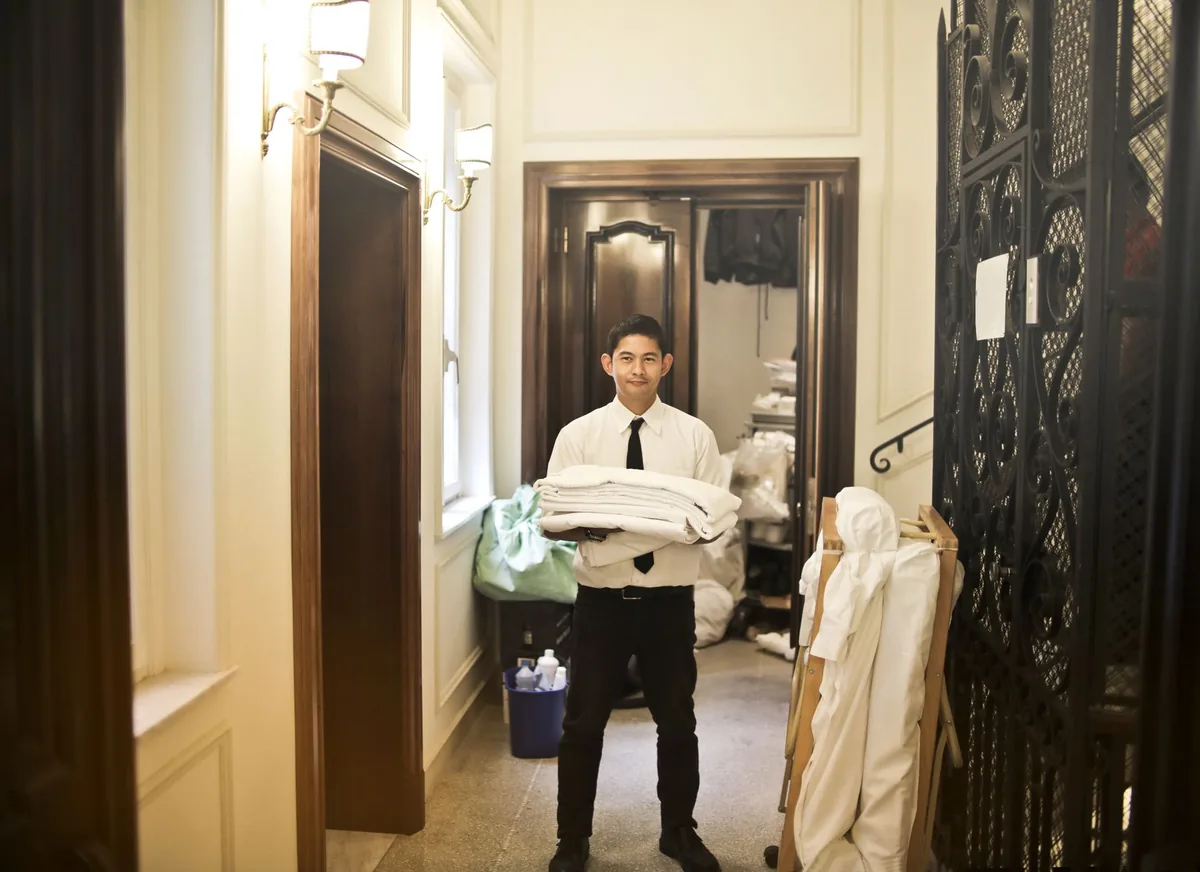
| Housekeeping | Unnecessary stockroom checks and delayed room readiness | Real-time room status updates and rapid linen dispatch [1] |
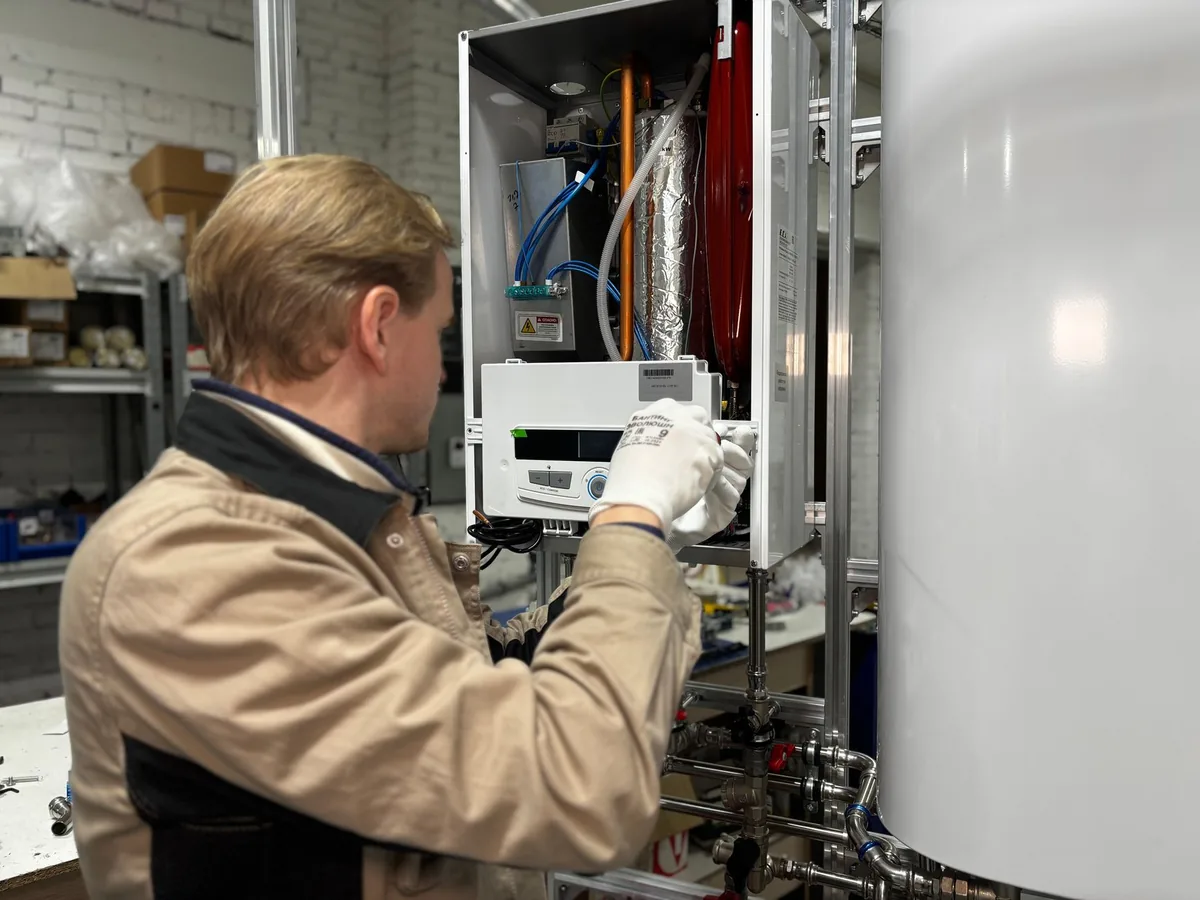
| Engineering | Delayed response to in-room defects and maintenance | Immediate dispatch to repair plumbing and room issues [1] |
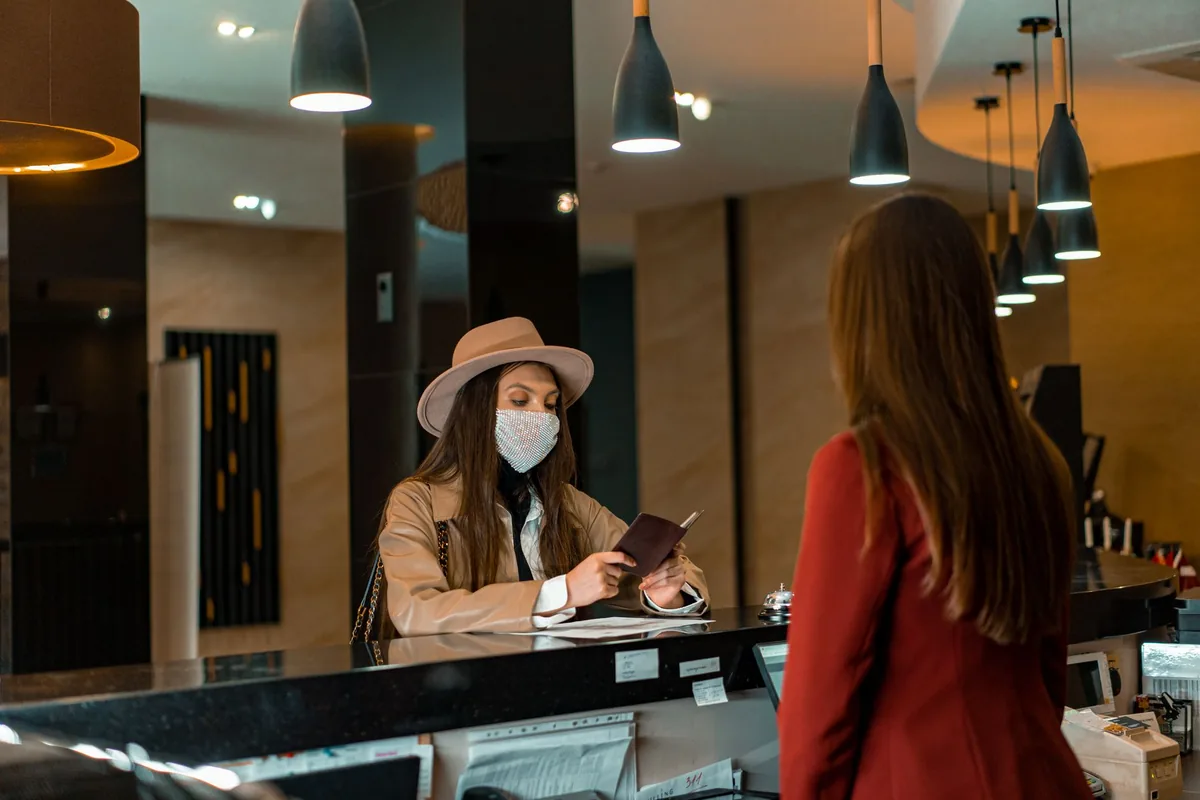
| Front Desk | Check-in bottlenecks from unknown room turn status | Smooth handling of early arrivals, VIPs, and group blocks [1] |
| Valet & Events | Unmanaged lobby rushes and unexpected arrival surges | Advance alerts ahead of expected vehicle or guest rushes [1] |
How can lean hospitality teams maintain brand standards?
Lean teams maintain brand standards by cutting the time workers spend chasing information across the property, allowing them to focus directly on guest service [1]. Communication technology allows supervisors to balance workloads dynamically during peak periods and dispatch available personnel without pulling workers away from critical duties [1]. New associates can query managers directly through shared channels instead of leaving work stations or guessing, which prevents operational disruptions [1].
Why is real-time connectivity essential during peak hotel occupancy?
Peak occupancy periods, including conferences, weddings, sold-out weekends, and weather disruptions, generate simultaneous service demands across multiple operational areas [1]. During these windows, the front desk requires immediate updates on room turns while valet directs vehicle flows and banquet crews execute last-minute resets [1]. As Hotel Business highlighted, hardware solutions such as Cobra communication tools provide the durability needed in noisy environments and demanding back-of-house conditions during long shifts [1].
How does rapid staff coordination prevent public negative reviews?
Rapid staff coordination enables immediate service recovery before an unresolved room issue or service failure turns into a negative public review [1]. When guests report room defects, misplaced items, or plumbing problems, direct dispatch systems assign clear ownership immediately to prevent duplicate assignments [1]. Immediate cross-department visibility across housekeeping, engineering, and management assures guests that the property retains full operational control [1].
Reported by
This article was written from the following reporting. Follow the links for the original coverage.
- [1]Instant Staff Communication Boosts Hotel Efficiency— Hotel Business
Frequently asked
+How does instant staff communication improve room turnover times?
Instant communication allows housekeeping to broadcast room status updates directly to front desk teams the moment cleanings finish. This eliminates check-in bottlenecks, helps manage early arrivals and VIP requests, and prevents unnecessary trips between departments [[1]].
+Why is immediate communication critical for properties operating with lean teams?
Lean teams spend less time searching for information, checking stockrooms, or repeating explanations when direct channels exist. Managers can dispatch the closest available associates and balance workloads during peak rushes without disrupting active duties [[1]].
+How does real-time internal messaging support newer hotel employees?
Newer staff members can instantly contact supervisors or experienced colleagues to ask questions rather than leaving their stations or guessing. This maintains brand standards and keeps daily property workflows moving smoothly [[1]].
+What role does fast communication play in hotel reputation management?
Quick response times resolve room defects, plumbing issues, and missing items before guests turn complaints into public online reviews. Clear dispatch assigns single ownership to requests and prevents costly comped stays [[1]].
+What operational environments require specialized communication hardware?
High-occupancy events, wedding banquets, and adverse weather create demanding back-of-house conditions. Hardware must function continuously across noisy facilities, extended shifts, and constant physical movement [[1]].
Keep reading
Our reporting
More in operations