MCR Hotels chairman and CEO Tyler Morse plans to ban personal AI booking agents, arguing the bots eliminate high-margin upsells and impulse purchases. Unlike airlines citing privacy, Morse is protecting traditional merchandising strategies built to persuade human travelers to splurge.
Key Takeaways
1Tyler Morse stated hotel operators will ban AI booking bots to protect revenue streams.
AHLA submitted comments to the FTC urging regulators to distinguish between harmful personalized pricing and legitimate practices like dynamic rates and loyalty discounts. The association warned that overly broad rules could disrupt standard revenue management and confuse consumers.
Key Takeaways
1AHLA asked the FTC to differentiate between exploitative pricing and standard dynamic room rates.
2Regulators are cautioned against rules that could inadvertently restrict loyalty discounts or corporate rates.
3Over 25 state and local jurisdictions are considering pricing mandates, raising concerns of regulatory patchwork.
Braemar Hotels & Resorts has officially terminated its advisory relationship with Ashford Inc., completing its transition to a self-managed REIT backed by a reconstituted board and leadership team. The move follows roughly $1 billion in hotel asset sales to fund termination fees, alongside settlement of an activist shareholder dispute.
Key Takeaways
1Braemar funded termination fees by selling over $1 billion in luxury properties, including Four Seasons Scottsdale and Ritz-Carlton Sarasota.
2Six incumbent directors, including Chairman Monty Bennett, resigned and were replaced by seven independent board members.
3The streamlined seven-hotel portfolio will use third-party operators, tapping Stonebridge and Avion for two key properties.
Scandic's €500 million acquisition of Dalata delivered an immediate 24% boost to pro forma earnings per share in its first post-deal report. The deal expands Scandic's footprint into Ireland and the UK with Dalata's high-performing, 80% occupancy portfolio.
Key Takeaways
1Scandic completed the €500 million acquisition of Dalata's 57 UK and Ireland hotels.
2Pro forma EPS rose 24% to SEK 6.65, driven by Dalata's 80% average occupancy rates.
3Combined 12-month pro forma revenue reached SEK 30.4 billion with an 11% EBITDA margin.
Inflation-adjusted spending by international visitors to the U.S. is projected to drop 6.3% to $163 billion in 2026, remaining 25% below pre-pandemic levels. Industry leaders are urging Congress to address visa delays, airport modernization, and Brand USA funding to mitigate the impact on hotel revenues.
Key Takeaways
1Inbound visitor spending will fall nearly $11B in 2026, with arrivals not recovering to 2019 levels until 2030.
2Spending growth is expected to rebound in 2027 by 2.8% and accelerate in 2028.
3Industry groups urge lawmakers to protect Brand USA funding, streamline visa processing, and modernize air traffic control.
United Airlines has updated its terms of service to prohibit autonomous AI bots and automated tools from booking flights on its platform. The policy aims to protect direct distribution channels and customer data as third-party AI agents gain consumer traction.
Key Takeaways
1United modified platform rules to ban automated agents and bots from searching and booking flights
2The move aims to protect proprietary direct channels, inventory access, and consumer data from scraping
3Signals a broader travel industry conflict between autonomous booking tools and brand direct distribution
U.S. hotel RevPAR growth is projected to decelerate to 3% in 2027 as operating expenses continue to outpace revenue gains. While luxury properties lead rate growth, rising insurance and labor costs are squeezing bottom-line margins across the industry.
Key Takeaways
1RevPAR growth is forecast to slow from 5% in 2026 to 3% in 2027, with supply growth remaining low at 1.2%.
2Luxury ADR is projected to rise 6.8%, contrasting with a 0.1% decline in the economy segment.
3Operating costs have risen four times faster than revenue, led by a 111% surge in insurance expenses since 2019.
Marriott International has opened the Sugar House Hotel, a Tribute Portfolio property in Winooski, Vermont, marking its first hotel designed for all-electric, net-zero energy operations. The 115-room property integrates geothermal heating, rooftop solar panels, and full electric commercial kitchens to target LEED Platinum certification.
Key Takeaways
1Operates as Marriott's first all-electric, net-zero energy hotel with zero gas lines or fuel tanks.
2Features 115 rooms, rooftop solar supplying one-third of power needs, and a geothermal HVAC system.
3Developed by Nedde Real Estate and Lodging Capital Partners, with operations managed by Fathom Companies.
The World Travel & Tourism Council called on governments and business leaders to deepen collaboration across eight strategic priorities to boost sector resilience. Travel and tourism is forecast to hit a record $11.9 trillion contribution to global GDP in 2026.
Key Takeaways
1Tourism is forecast to contribute a record $11.9 trillion to global GDP in 2026, outpacing the wider economy.
2WTTC outlined eight strategic priorities, including AI adoption, seamless biometric travel, and crisis preparedness.
3Leadership stressed establishing public-private crisis protocols proactively rather than responding reactively.
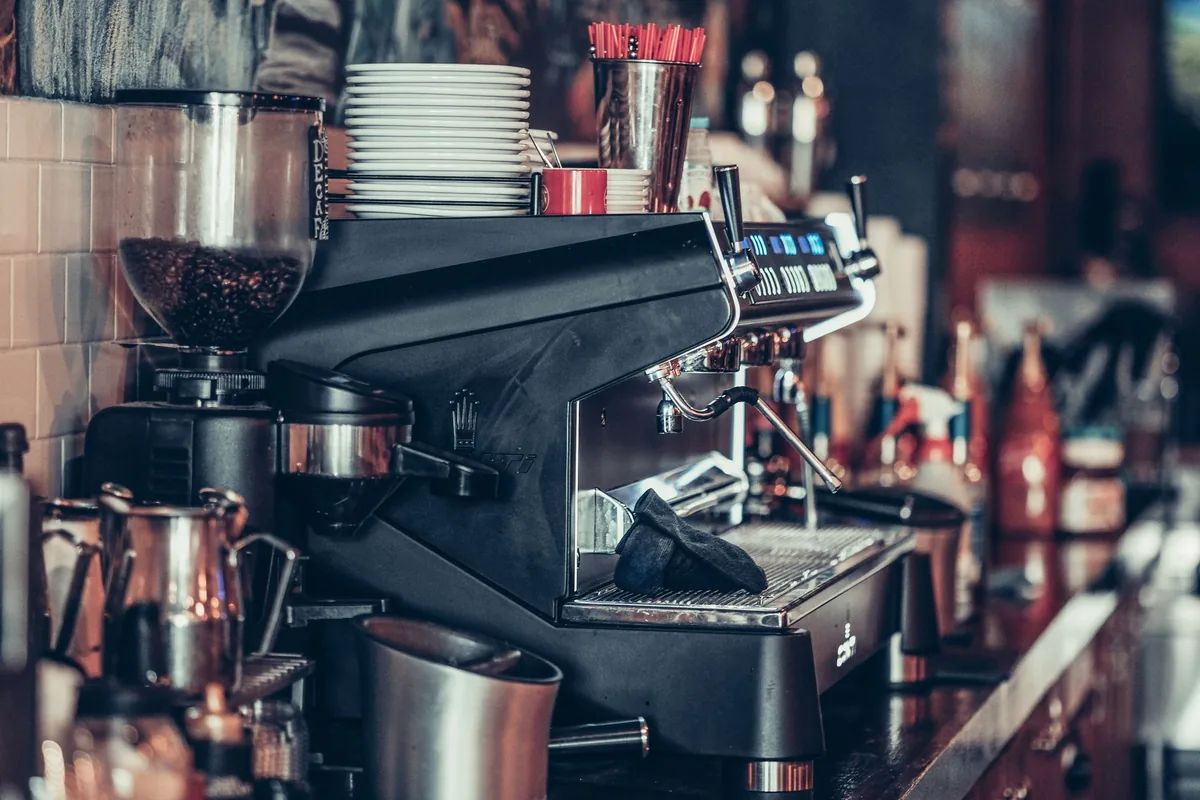
Hoteliers are balancing guest expectations for premium coffee with ongoing labor constraints by adopting automated, easy-to-maintain equipment. Upgraded self-serve or automated programs satisfy guests while reducing staff workload and capturing on-property beverage spend.
Key Takeaways
1A 2026 Costa Coffee study found 43% of guests say upgraded coffee improves their impression of a hotel.
2Over half (56%) of guests will pay for premium coffee on-site even if free options exist, keeping revenue on-property.
3Automated equipment frees staff during peak morning checkout and breakfast hours without requiring dedicated baristas.
European corporate travel spend will reach €404 billion in 2026, but the 7% increase is largely driven by inflation rather than trip volume. Operators can capture margin by catering to longer multi-purpose stays, bleisure travel, and emerging Eastern European markets.
Key Takeaways
1Trip volume is projected to grow just 0.7%, meaning higher spend reflects elevated ADRs and inflation.
255% of European corporate travelers plan to blend business with leisure, offering high-margin weekend extension opportunities.
3Central and Eastern Europe spend will jump 10.8% in 2026, nearly double Western Europe's 6.5% growth rate.
Analytics cookies.
We count visits either way — anonymously, with no IP stored. Accepting also lets
Google Analytics measure how the site is used. No advertising cookies, ever.
Privacy policy.
Get the briefing when it lands
One notification a day, the moment the edition publishes. No email needed.