Meyer Jabara Hotels Fall Group Sales Strategy
Meyer Jabara Hotels details a multi-department university model and layered lead timeline to secure recurring group demand beyond peak weekends.
The short answer
Meyer Jabara Hotels details a fall group strategy that splits university accounts across individual departments and layers sales cycles a year ahead. The approach focuses on capturing midweek business and multi-market portfolio leads beyond high-demand weekends.

The short version
- Meyer Jabara Hotels treats university accounts as multiple individual business generators across academic, athletic, and admissions departments.
- Academic groups book on July-to-June fiscal budgets, making outreach six to 12 months ahead necessary to lock in base revenue.
- Providence properties extend fall occupancy deep into late October by targeting drivable corporate retreats and regional association meetings.
Meyer Jabara Hotels drives fall group revenue by splitting university accounts into individual departmental buyers, securing recurring business a year in advance, and layering shorter-window corporate and social segments around base dates. This sales model targets midweek volume and repeat campus business rather than relying entirely on peak weekend events like homecoming. [1]
How should sales teams structure university accounts?
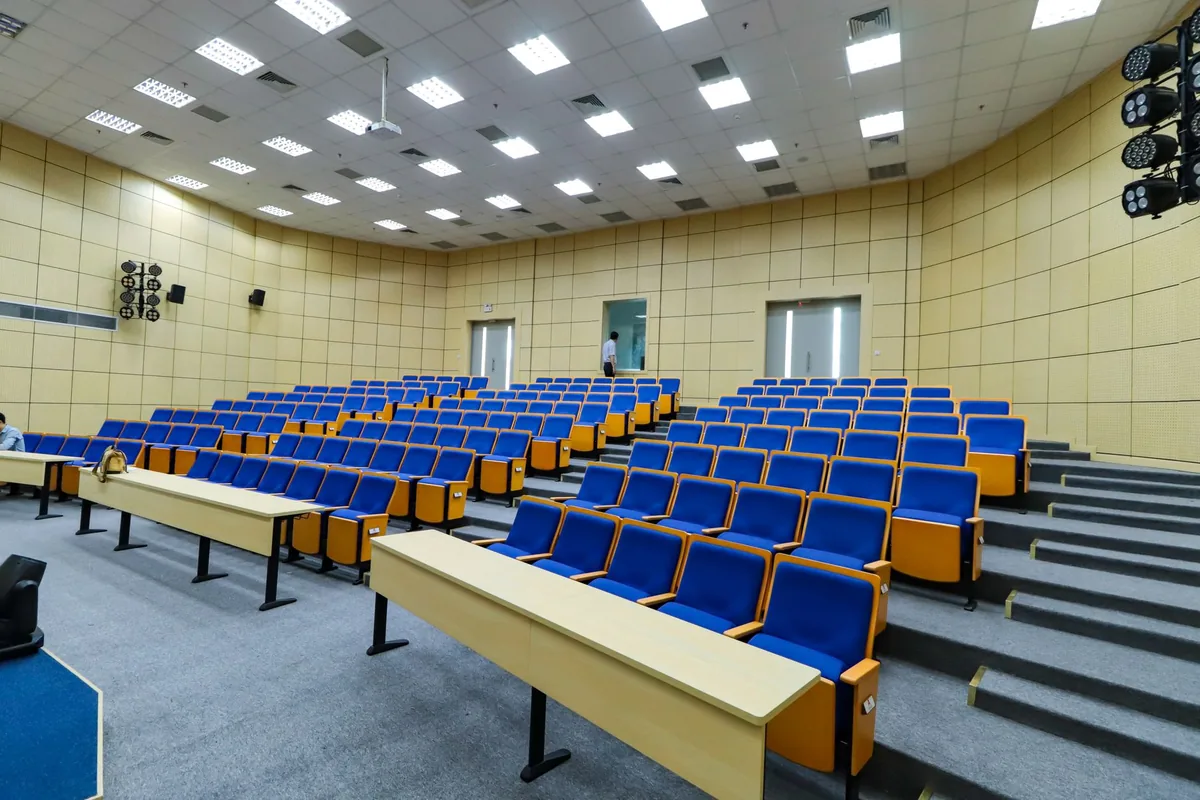
Hotel sales teams must treat higher-education institutions as collections of independent business generators rather than single centralized accounts, according to eHotelier. [1] Athletic departments organize travel for teams, officials, and visiting coaching staffs, while academic departments require rooms and meeting rooms for guest lecturers, symposia, and research conferences. [1] Admissions offices create demand by hosting prospective students and their families, while alumni relations teams organize milestone class reunions. [1] Beyond faculty and students, universities drive room nights through visiting trustees, commercial vendors, corporate recruiters, and research partners. [1] Having only one contact at a college campus leaves revenue on the table because the person booking athletic lodging rarely coordinates accommodations for departmental guest lecturers. [1]

When do different group segments confirm their fall bookings?
Booking windows vary widely across autumn demand sources, requiring sales directors to layer commitments over an extended timeline, eHotelier reported. [1] While educational institutions are highly productive when approached roughly six months prior, Meyer Jabara Hotels targets outreach a full year ahead to capture academic demand tied to July-to-June fiscal budgets. [1] Hoteliers targeting fall volume should already be prospecting for September and October 2027 to capture higher-value recurring accounts. [1]
| Group Segment | Typical Booking Window | Primary Drivers and Needs |
|---|---|---|
| Large Associations | 1 to 2 years in advance | Annual conventions, planned dates, regional travel [1] |
| Education Accounts | 6 months to 1 year ahead | Department seminars, speakers, athletics, campus visits [1] |
| Regional Associations | 3 to 6 months in advance | Drive-market conferences, accessible meeting facilities [1] |
| Corporate & Government | A few weeks to a few months | Fluid schedules, executive retreats, team meetings [1] |
| Social & Military Reunions | Varies by group organizer | Midweek meeting preference, specific organizer contacts [1] |
What alternative segments capture midweek autumn business?
Properties fill shoulder-period gaps by targeting non-scholastic demand generators that favor midweek arrivals, eHotelier detailed. [1] Military reunions serve as strong targets because they frequently gather during midweek dates and operate with a single designated coordinator. [1] Corporate retreats and regional association meetings also fill midweek blocks when properties market drivable regional destinations as affordable alternatives to major gateway cities. [1] For instance, Meyer Jabara Hotels positions Providence, Rhode Island, as an accessible drive-market option that provides value and distinct regional character compared with nearby Boston without requiring air travel. [1] In that Rhode Island market, autumn demand now extends well into late October, supported by amateur sports tournaments, tour operators, and regional leisure travelers pursuing fall foliage. [1]
How can hotels uncover unadvertised group leads locally?
Sales teams uncover grassroots group business by conducting direct outreach through community connections rather than waiting for formal electronic requests, according to eHotelier. [1] For amateur sports tournaments, sales managers consult with local coaches, tournament organizers, and hotel staff members whose families participate in regional sports leagues. [1] Partnering directly with local Convention and Visitors Bureaus, regional chambers of commerce, and area attractions reveals smaller organizations seeking midweek meeting packages paired with guestrooms. [1] When properties establish strong ties with multi-city accounts, sales managers pass hot leads directly across the management portfolio by telephone rather than relying on automated email transfers. [1]
Reported by
This article was written from the following reporting. Follow the links for the original coverage.
Frequently asked
+Why should hotels target multiple contacts within a single university?
Universities house multiple independent buyers whose budgets operate separately. Athletic departments, admissions offices, development teams, and academic faculties each plan distinct events, hire speakers, and manage visiting groups independently from central procurement.
+How far in advance should hotels book fall educational groups?
While educational accounts are particularly productive approximately six months before arrival, properties should aim to prospect a full year ahead to align with annual university fiscal-year calendars running from July through June.
+Which fall group segments help fill midweek room nights?
Military reunions and smaller corporate retreats represent strong midweek targets. Military groups often deliberately meet midweek with an established organizer, while regional corporate meetings avoid high weekend rates and peak travel windows.
+How does Meyer Jabara Hotels capture regional drive-market business?
The company positions secondary markets such as Providence, Rhode Island, as affordable, drive-friendly alternatives to costly metros like Boston, avoiding air travel costs for regional association meetings and corporate retreats.
+What is the recommended protocol for cross-property group referrals?
Sales directors should pick up the phone and call their counterparts at sister properties to provide a personal introduction and explain customer preferences, rather than simply sending cold lead information through an automated email.
Keep reading
Our reporting

More in operations