IHG Sued by New York Over Rochester Hotel Labor Abuse
New York AG targets brand standards enforcement after renovation workers were subjected to forced labor at a Rochester Holiday Inn.
The short answer
The New York AG has filed a forced labor lawsuit against IHG, a Rochester franchisee, and a contractor over renovation abuses. The case threatens the standard franchisor defense that corporate brands hold no responsibility for property contractor labor.
“A company that considers itself a leader in the fight against human trafficking cannot ignore when employees at its own hotel ask for help,”
The short version
- Roman Petrik and Nayan Patel allegedly used deportation threats, eviction warnings, and unpaid wages to coerce renovation crews into working up to 112 hours per week.
- IHG offered to restore reservation access, delayed $96,350.50 in overdue corporate fees, and waived $13,000 in interest without auditing whether renovation crews were compensated.
- Holiday Inn terminated the property's franchise license in January 2025 before the location converted into a Wyndham and shuttered five months later over fire code violations.
On this page
A corporate brand may mandate property renovations to safeguard its reputation, but enforcing standards without auditing contractor workforce conditions creates direct liability under federal anti-trafficking statutes. The New York Attorney General has sued InterContinental Hotels Group alongside Rochester hotel owner Nayan Patel and contractor Roman Petrik, challenging the standard corporate defense that franchisors remain separate from property-level contractor employment [1].
Renovation mandates expose franchisors to direct oversight duties
Corporate hotel brands regularly condition franchise licenses on aggressive property improvement plans. In Rochester, IHG required the renovation as a prerequisite for Horizon Edge Hospitality LLC to maintain the Holiday Inn flag, dictating the scope of work and conducting on-site project oversight, according to Asian Hospitality [1]. Contractor Roman Petrik recruited personnel from multiple states and foreign countries to execute the work, promising lodging and hourly pay that ceased after two weeks [1].

Labourers logged between 60 and 80 hours per week across six days, with work expanding to 98 and 112 hours in weeks preceding corporate brand inspections and renovation target deadlines [1]. Under the Trafficking Victims Protection Reauthorization Act, the lawsuit alleges IHG benefited from a venture it knew, or should have known, engaged in forced labor [1]. While franchisors historically treat property renovations as independent franchisee undertakings, the state's action asserts that active inspection and licensing leverage strip away passive third-party immunity [1].
Corporate brand visits establish direct evidentiary trails
The state's case challenges the standard distance franchisors keep from site operations. The investigation started after Enlace and the Worker Justice Center of New York raised exploitation concerns [1]. On June 14, 2024, IHG personnel visited the property and inspected the hotel's seventh floor, where staff spoke directly with workers [1]. Personnel informed the brand representatives that they had gone without wages for over eight months, resided in hazardous conditions, and received threats of deportation [1].
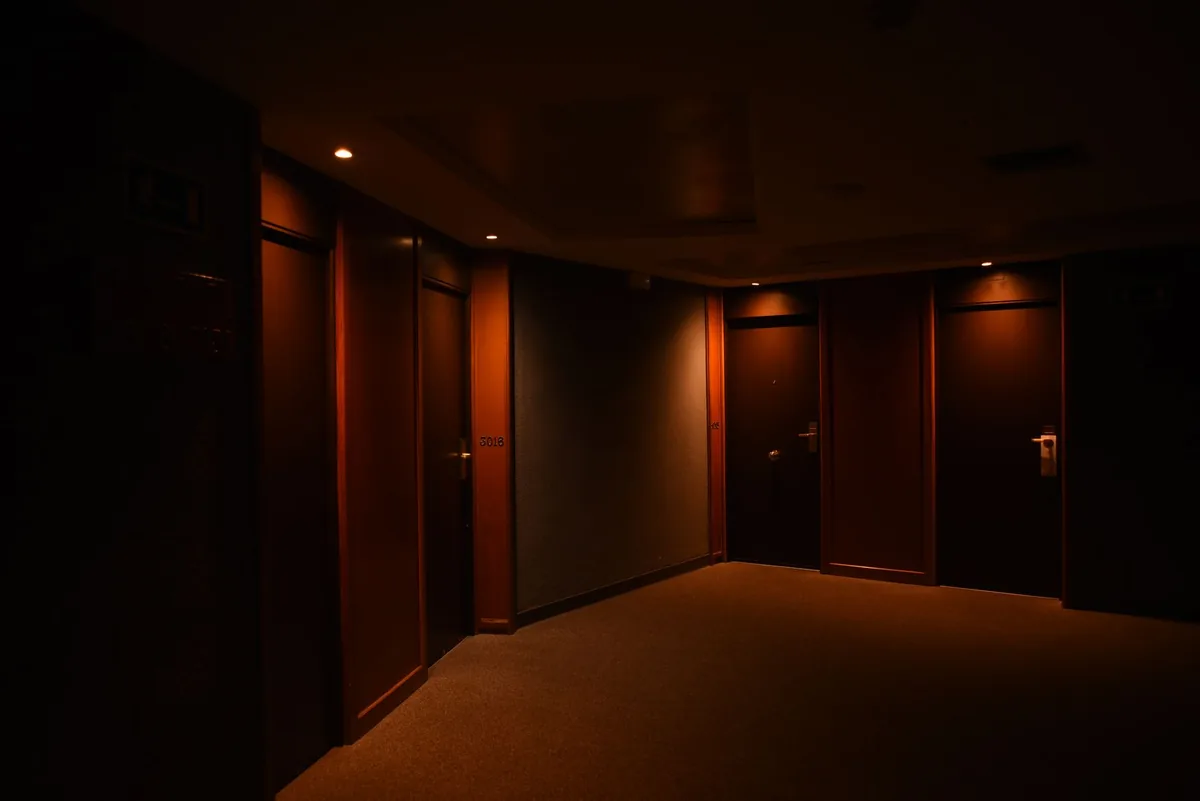
Workers and their children had been transferred in September 2023 to that seventh floor—a wing decommissioned since at least 2016 without functional bathrooms, running water, electricity, or winter heat—to clear guest rooms for paying customers [1]. Four days after the walk-through, an IHG regional vice president contacted Patel regarding the occupants on the floor, characterizing them as brand safety and reputational liabilities and instructing the franchisee to remove them [1]. IHG later offered to restore the property to its reservation platform, extended payment terms on $96,350.50 in past-due corporate fees, and erased over $13,000 in accrued interest, without verifying whether back wages had been disbursed [1].
Franchisee contractor management reveals severe compliance failures
Property-level leadership faces severe exposure when contractor oversight is ceded entirely to third parties. According to Asian Hospitality, Petrik and Patel utilized coercion to maintain site operations without issuing payroll [1]. Patel warned labourers that he possessed personal connections to immigration leadership and threatened immediate deportation without back wages if work stopped [1]. Both Patel and Petrik threatened eviction, and Petrik asserted that immigration agents staged routine visits at the property [1].

The financial losses inflicted on individual workers were severe. In one cited instance, a renovation worker promised $18 an hour accumulated 68 hours weekly across 29 weeks [1]. The contractor owed the individual $30,506 in back wages but paid only $2,200 [1]. Petrik also leveraged withheld compensation to coerce a female employee into sexual compliance, leading to her departure without earnings and subsequent homelessness [1]. The state's action pursues unpaid compensation, restitution, full disgorgement of property profits, civil penalties, and permanent injunctions prohibiting Patel, Petrik, and their operating entities from conducting business in New York [1].
In defense statements, IHG asserted it never employed the contractor or project labourers, had no knowledge of forced labor conditions, removed the hotel from reservation systems in April 2024, and permanently terminated the Holiday Inn franchise license in January 2025 [1]. The asset briefly converted to a Wyndham before closing in June due to fire code infractions, according to Reuters [1].
What would reverse this legal reading
This assessment of franchisor and managerial liability would be upended if a federal or state court grants IHG summary judgment by ruling that brand standards inspections, franchise fee modifications, and corporate default notices do not constitute participation in a commercial venture under the Trafficking Victims Protection Reauthorization Act. That determination would require a judicial finding that corporate brand quality auditors owe no duty of care to investigate contractor payroll or living conditions, even after receiving explicit oral notifications from workers on property during an official inspection.
Sources
This article was written from the following reporting. Follow the links for the original coverage.
- 1New York AG Sues IHG Over Rochester Hotel Labor Abuse · asianhospitality.com
- 2New York Sues IHG Over Forced Labor at Holiday Inn · asianhospitality.com
Frequently asked
+Why is IHG named as a defendant alongside the franchisee and contractor?
The lawsuit accuses IHG of violating the Trafficking Victims Protection Reauthorization Act by benefiting from a venture it knew or should have known relied on forced labor, specifically citing on-site brand inspections where workers reported unpaid wages and unsafe housing directly to corporate representatives.
+What working conditions did the renovation crew experience at the Rochester property?
Crews worked 60 to 80 hours across six-day weeks, reaching up to 112 hours before corporate inspection deadlines. Most wage payments stopped after two weeks, leaving workers unpaid for months while they were subjected to deportation and eviction threats.
+Where were the renovation workers housed during the hotel's operation?
Workers and their children were moved in September 2023 to an unused seventh floor lacking electricity, running water, functional bathrooms, and winter heat, after ownership cleared standard guest rooms to accommodate paying hotel customers.
+How did IHG corporate respond after inspecting the seventh-floor living quarters?
An IHG regional vice president emailed franchisee Nayan Patel stating the occupants posed safety and brand reputational risks and instructed Patel to remove them. IHG later offered to restore the property to reservation platforms while waiving interest on overdue franchise fees.
+What legal penalties is the New York Attorney General seeking in this case?
Attorney General Letitia James is seeking unpaid employee wages, damages, civil penalties, and restitution, alongside full disgorgement of profits and permanent court orders barring the hotel owner, contractor, and their business entities from operating in New York.
Keep reading
Our reporting

More in operations