FAA Lifts Nationwide Ground Stop After Outage Strands Thousands
A four-hour telecommunications failure across 22 air control centres grounded departures, triggering over 5,700 cancellations nationwide.
The short answer
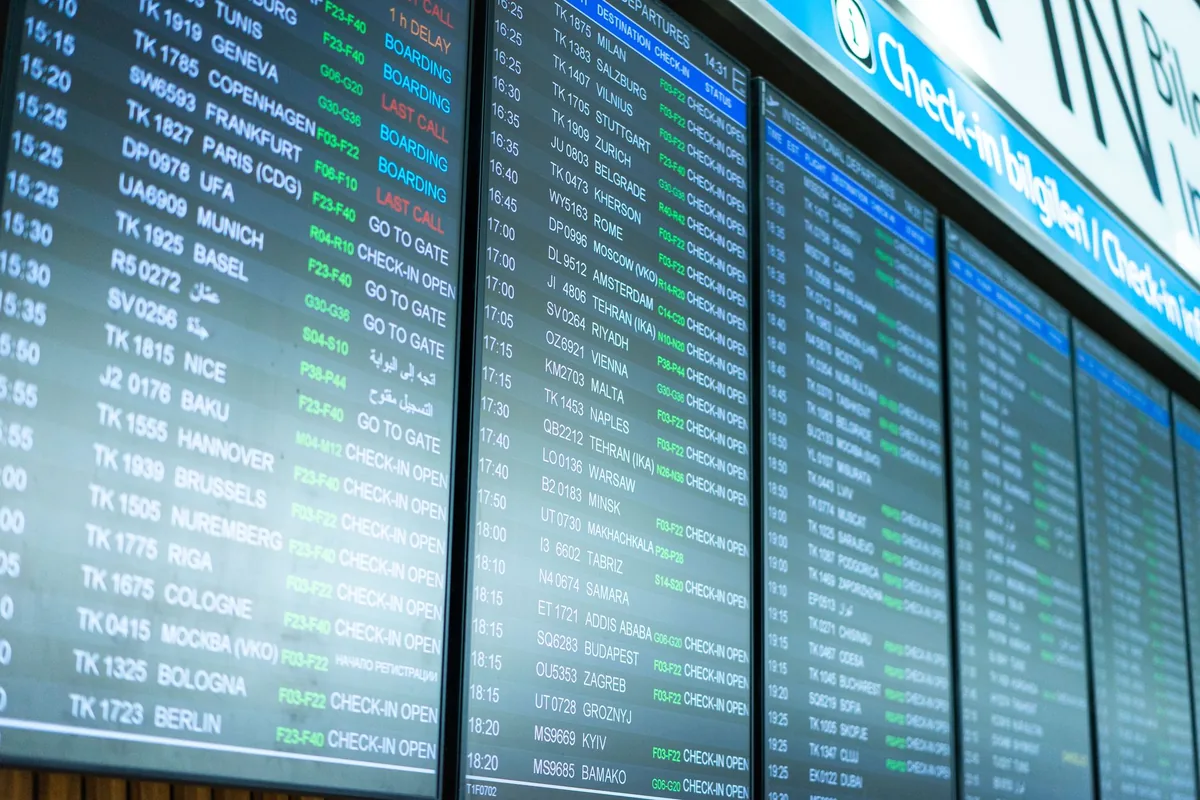
The FAA ended a four-hour nationwide ground stop triggered by legacy telecommunications failures at all 22 Air Route Traffic Control Centers. Airlines recorded over 5,700 cancellations, creating immense operational ripple effects for hotel arrivals and stranded guests.
The short version
- Air Route Traffic Control Centers declared 'ATC Zero' conditions as communications and radar feeds failed at facilities handling airspace above 18,000 feet.
- Airlines pre-emptively cancelled 980 Saturday departures while repositioning displaced aircraft and crews across the country.
- White House officials requested an additional $30.1 billion from Congress for air traffic control modernization following the outage.
The Federal Aviation Administration lifted a nationwide departure ground stop Friday night at roughly 8:15 p.m. EST after a telecommunications breakdown crippled operations across all 22 Air Route Traffic Control Centers [1][2].
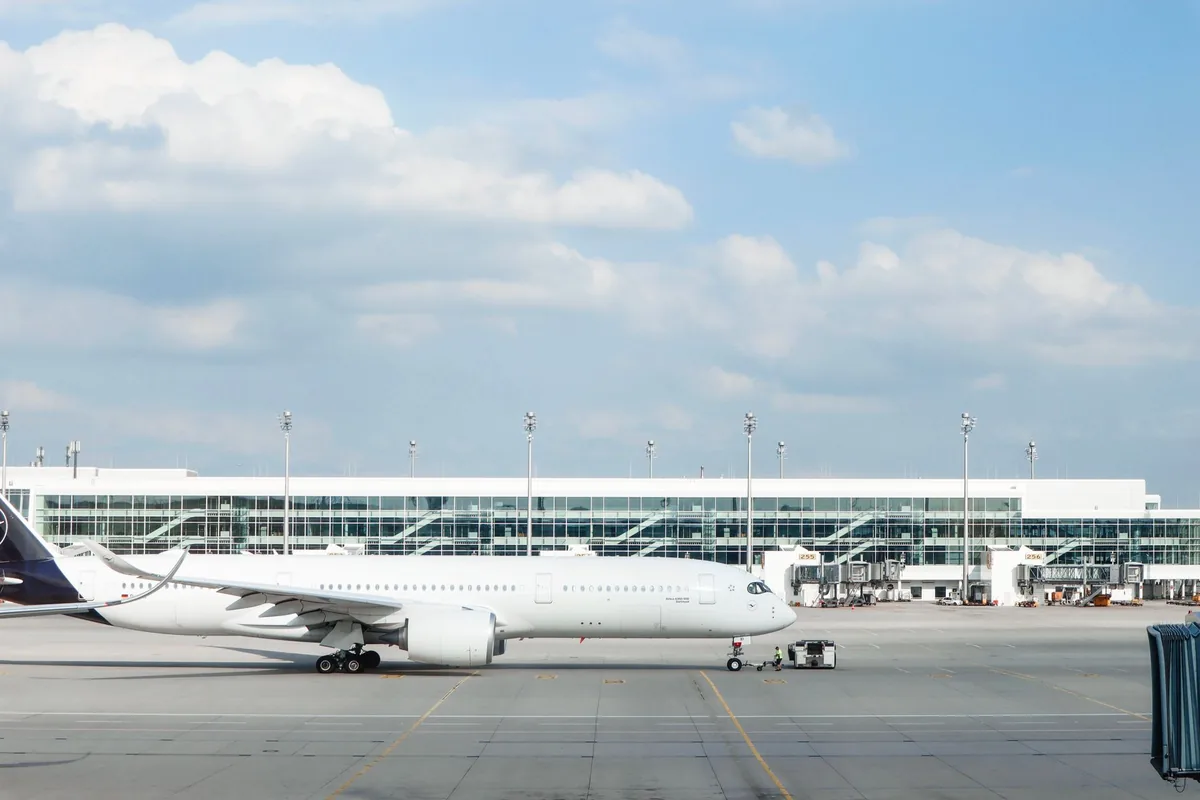
The disruption halted departures for more than four hours after the agency issued the order at 3:54 p.m. EST on Nov. 13, Reuters reported [1]. The affected high-altitude facilities direct aircraft above 18,000 feet, where the loss of radar feeds, radio frequencies and communications forced some locations to declare an "ATC Zero" condition to cease operations [1][2]. Flights airborne before the stop continued to their destinations, reducing over 3,500 active flights to under 400 as pilots landed under fallback procedures [1]. International flights were cleared case by case, while certain ocean-crossing routes and internal flights within Alaska and Hawaii departed normally, ABC News reported [1].
FlightAware data documented mounting fallout across the domestic network: Skift reported cancellations reached more than 5,700 by Friday night, contrasting with earlier tallies of 3,200, while carriers pre-emptively cancelled 980 flights for Saturday [1][2]. More than 10,000 services were delayed, and at least 827 flights were diverted to unscheduled airfields, according to The Associated Press [1]. The ground stop marks only the second nationwide halt of U.S. departures since Sept. 11, 2001, following a January 2023 outage of the pilot notices system [1]. A concurrent global Microsoft outage also impaired airline customer desks and hotel email networks over Thursday and Friday, though officials confirmed it was unrelated [1].

Transportation Secretary Sean Duffy stated that instability surfaced at 3:36 p.m. inside radar and communications networks across centres and Terminal Radar Approach Controls [1][2]. Duffy attributed the shutdown to legacy analog Time-Division Multiplexing telecommunications switches that overloaded with data, whereas newly installed Internet Protocol hardware remained functional [1]. Homeland Security Secretary Markwayne Mullin said investigators saw zero evidence of a cyberattack, pointing instead to new equipment installations overwhelming outdated infrastructure [1]. In response, the White House urged Congress to approve $30.1 billion in modernization funding beyond the $12.5 billion allocated in 2025, Reuters reported [1].
Front desks and revenue teams must prepare for immediate waves of late arrivals and stranded departing guests by holding unsold rooms, waiving same-day cancellation penalties, and redeploying overnight staff to manage sudden terminal overflow [1][2].
Sources
This article was written from the following reporting. Follow the links for the original coverage.
- 1FAA Lifts Nationwide Ground Stop After Telecom Outage · asianhospitality.com
- 2
Frequently asked
+What caused the nationwide FAA ground stop on Nov. 13?
Transportation Secretary Sean Duffy explained that older analog Time-Division Multiplexing telecommunications routers and switches became overloaded with data, causing instability across radar and communications networks at all 22 Air Route Traffic Control Centers.
+Was the air traffic control disruption caused by a cyberattack?
Homeland Security Secretary Markwayne Mullin stated there was zero evidence of a cyberattack or an SI attack, explaining instead that new equipment and technology being installed had overwhelmed the older legacy network.
+How long did the nationwide ground stop last?
The FAA issued the ground stop order at 3:54 p.m. EST and lifted it around 8:15 p.m. EST, keeping departures grounded for more than four hours while engineers verified system stability.
+How many flights were affected by delays and cancellations?
More than 10,000 flights were delayed, at least 827 flights were diverted, and Friday cancellations rose from an initial 3,200 to over 5,700, with an additional 980 flights cancelled for Saturday.
+Did the ground stop force airborne flights to land immediately?
No. The ground stop applied to departures. Over 3,500 airplanes already in the air continued to their destinations or diverts under normal procedures until fewer than 400 remained airborne.
+How did concurrent tech issues compound hospitality operations?
A separate global Microsoft outage across Thursday and Friday disrupted hotel email and internal systems alongside airline support desks, complicating guest communications during the flight chaos.
Keep reading
Our reporting

More in operations