Digital Compendiums Drive Hotel F&B Revenue Growth
Hotels are replacing printed in-room directories with connected digital platforms and POS integrations to boost mobile F&B orders and reduce front desk load.
The short answer
Hotels are replacing traditional paper compendiums with digital directories and POS integrations to boost guest spending. These solutions streamline mobile F&B orders and reduce administrative workloads for front desk staff.
“The integration reduces manual steps for staff while ensuring orders move quickly and accurately from the guest’s device to the kitchen.”

The short version
- IRIS digital directories allow guests to browse menus and order food property-wide via QR codes without native app downloads.
- Innspire integrated its platform with Toast POS to deliver guest orders directly to kitchen systems across tablets, mobile apps, and web links.
- Centralised CMS platforms enable hotels to update seasonal packages, happy hours, and operational details instantly.
Hotels are capturing incremental food-and-beverage revenue by replacing static room binders with mobile-accessible digital compendiums and direct point-of-sale integrations. By allowing guests to browse menus, view daily specials, customise items, and pay from their personal smartphones or in-room tablets via QR codes, properties generate higher order volumes and cut operational friction [[1], [2]].
Why are printed room binders failing modern hotel operations?
Printed room binders fail because their information quickly becomes outdated, reprinting is time-consuming and costly, and static pages cannot display real-time promotions, as eHotelier reported [1]. When guests must sit in their guestrooms to read compendiums or place calls to reception for basic operating hours, friction increases [1]. These repetitive telephone calls pull staff away from front desk responsibilities, adding pressure during industry-wide staffing shortages [1].

How do digital compendiums transform guest mobile ordering?
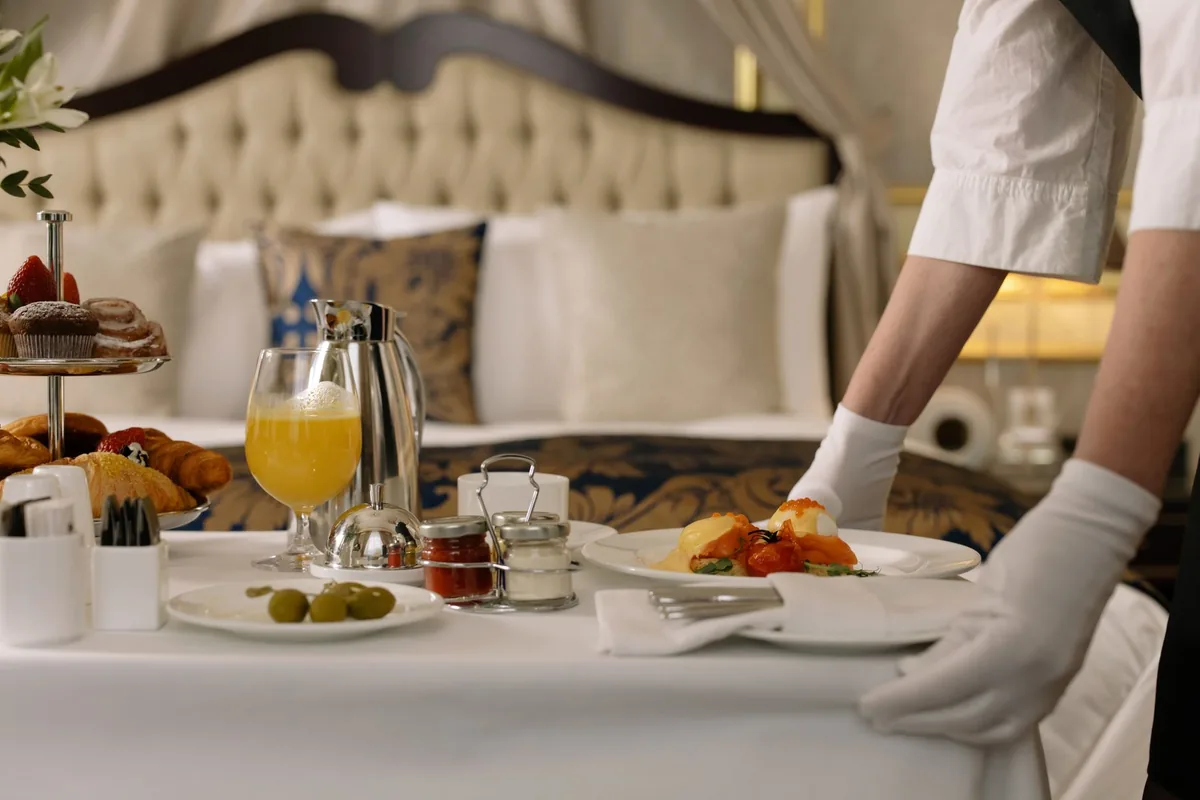
Digital compendiums turn static guest directories into centralised, web-based commercial platforms accessible through property-wide QR codes without requiring app downloads [1]. According to eHotelier, solutions like IRIS allow guests to access hotel services from poolside loungers, the beach, lobbies, or guestrooms [1]. Guests can browse digital menus, customise dish selections, place orders, and settle bills directly from their personal devices for breakfast in bed, poolside snacks, or late-night room service [1].
How does POS integration streamline kitchen workflows?
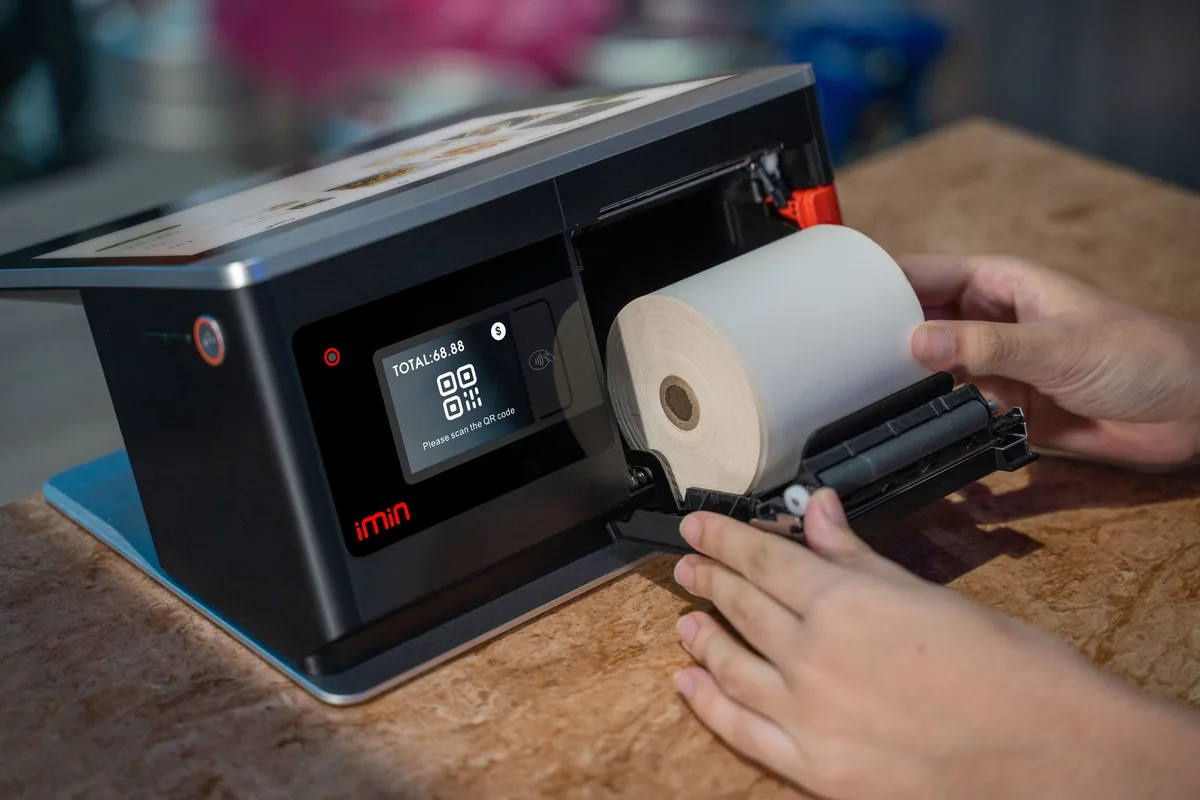
Integrating guest-facing ordering systems directly with kitchen point-of-sale hardware eliminates manual re-entry steps for staff [2]. In a separate industry development, Hotel Business reported that Innspire integrated its hospitality platform with Toast POS [2]. This direct technical connection transmits guest orders placed across branded mobile apps, web interfaces, property QR codes, or in-room tablets straight into Toast POS, moving tickets accurately from the guest device directly to the kitchen [2].

| Solution / Touchpoint | Platform Integrator | Guest Access Method | Operational Benefit |
|---|---|---|---|
| Digital Guest Directory | IRIS | QR codes, web browser (no app download required) | Eliminates reprinting costs, updates offers via CMS, reduces front desk queries [1] |
| Integrated Mobile F&B Ordering | Innspire & Toast | Branded mobile apps, web ordering, QR codes, in-room tablets | Transmits orders directly to Toast POS, cuts manual staff input [2] |
What ancillary revenue opportunities do digital directories unlock?
Digital directories unlock extra revenue by letting operators publish real-time promotions, seasonal dining packages, happy hours, and spa packages through a content management system [1]. As eHotelier detailed, content management systems allow group operators to standardise brand assets while individual properties highlight resort maps, fitness sessions, meeting facilities, restaurant reservations, and local excursion bookings [1].
How do mobile solutions resolve front-of-house staffing pressures?
Mobile platforms resolve front-of-house staffing bottlenecks by giving guests immediate digital answers to routine operational questions [1]. Instead of queuing at reception or phoning the operator for Wi-Fi credentials, hotel policies, housekeeping requests, and checkout details, guests resolve inquiries via mobile search [1]. As Hotel Business reported, automating the order pipeline from guest screens directly to Toast POS simultaneously removes manual order entry for food-and-beverage teams [2].
Reported by
This article was written from the following reporting. Follow the links for the original coverage.
- [1]Digital Directories Replace In-Room Binders to Boost Revenue— eHotelier
- [2]Innspire Partners with Toast to Boost Mobile F&B Orders— Hotel Business
Frequently asked
+Why are hotels moving away from printed compendiums?
Printed directories quickly become outdated and are expensive to reprint. They also prevent real-time offer updates and force guests to remain in their rooms or call the front desk for basic information, adding to staff workloads.
+Do guests have to download an app to access digital compendiums?
No. Digital compendiums such as those from IRIS operate via simple QR codes accessible through mobile web browsers, allowing guests to browse menus and hotel services on their own devices without app downloads.
+How does the Innspire and Toast integration work?
The integration links Innspire's mobile, web, QR code, and tablet ordering channels directly to Toast POS. Orders placed by guests are sent straight to the POS and kitchen, eliminating manual re-keying by staff.
+Where on the property can guests place mobile F&B orders?
Guests can place mobile orders from anywhere on property where QR codes or digital interfaces are available, including guestrooms, pool areas, beaches, and lobby lounges.
+How do digital directories help multi-property hotel groups?
A centralised content management system allows hotel groups to standardise brand design and core content across multiple properties while letting individual hotels manage local dining offers, amenities, and event promotions in real time.
Keep reading
Our reporting
More in technology