88% of US Travelers Prioritize Trips Over Other Spending
New Booking.com research reveals American travelers accept debt, extra work, and budget trade-offs to protect leisure travel.
The short answer
Research from Booking.com reveals that 88% of American travelers believe trip costs are worth the expense despite taking on debt or extra work. Consumers reject bottom-tier pricing in favor of frictionless, memorable experiences and flexible financing options.

The short version
- Booking.com finds 88% of US travelers believe trip expenses are completely worth the financial sacrifice.
- Nearly 69% of consumers have adopted flexible financing or installment payment plans to fund travel.
- Approximately 87% of travelers agree cheap travel options often lead to higher overall costs.
An overwhelming 88% of American leisure travelers report that their trip expenses feel entirely worth it once they return home, according to research published by Booking.com and reported by Hotel Business [1]. Consumers actively cut day-to-day spending, take on second jobs, and utilize flexible financing to protect travel experiences over buying material goods [1].
Why are travelers willing to make financial sacrifices?
Leisure travel functions as a fundamental component of personal wellbeing rather than a disposable luxury [1]. According to Booking.com data published in Hotel Business, 84% of respondents view travel as a direct investment in their quality of life [1]. Furthermore, 80% of surveyed Americans state that taking trips brings more personal satisfaction than purchasing material goods [1].
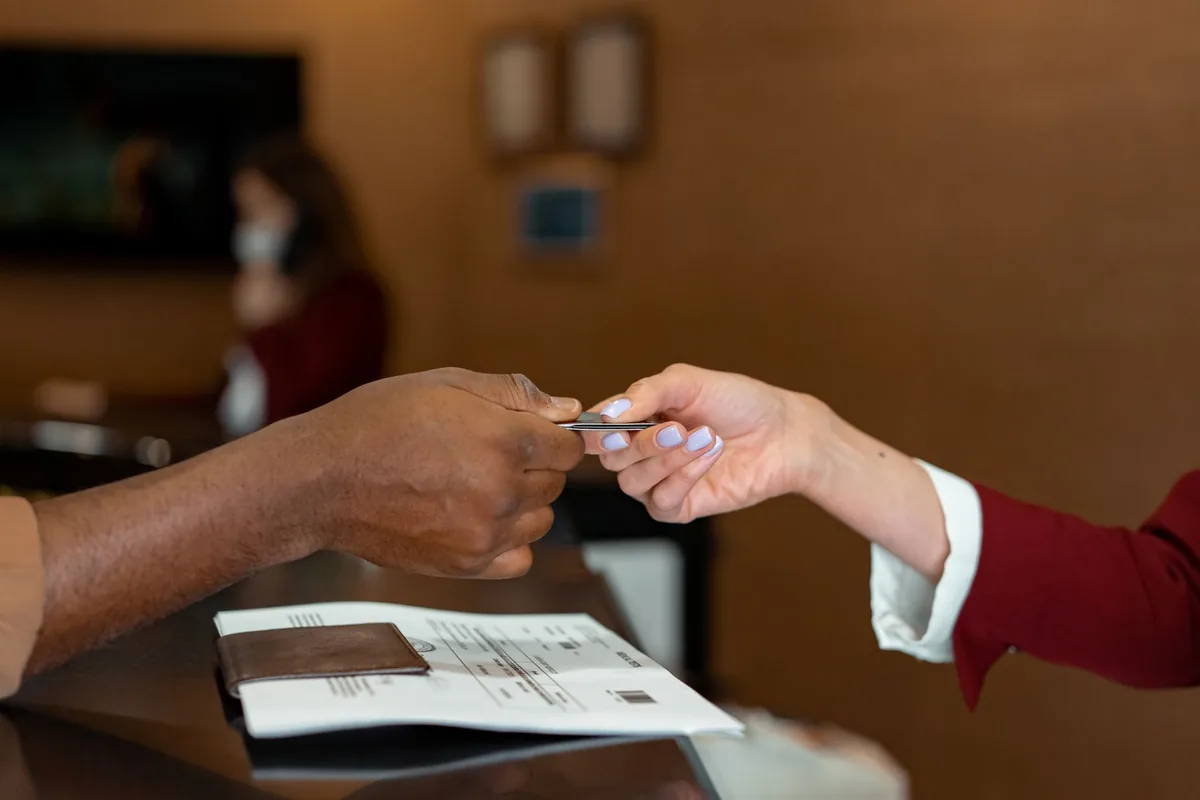
This emotional dividend shapes household spending habits [1]. As Hotel Business reported, 68% of travelers prefer to cut back on general day-to-day purchases to preserve their travel budget [1]. Additionally, 69% of consumers report feeling significantly less guilt when spending money on trips compared to other consumer purchases [1].
What financial trade-offs are consumers making to fund trips?
American consumers make drastic personal and financial compromises to ensure they can afford vacations [1]. Hotel Business reported that 48% of travelers take on additional employment or side jobs specifically to fund their trips [1]. Meanwhile, 39% have charged travel bookings to credit cards without knowing how they will pay off the balance [1].
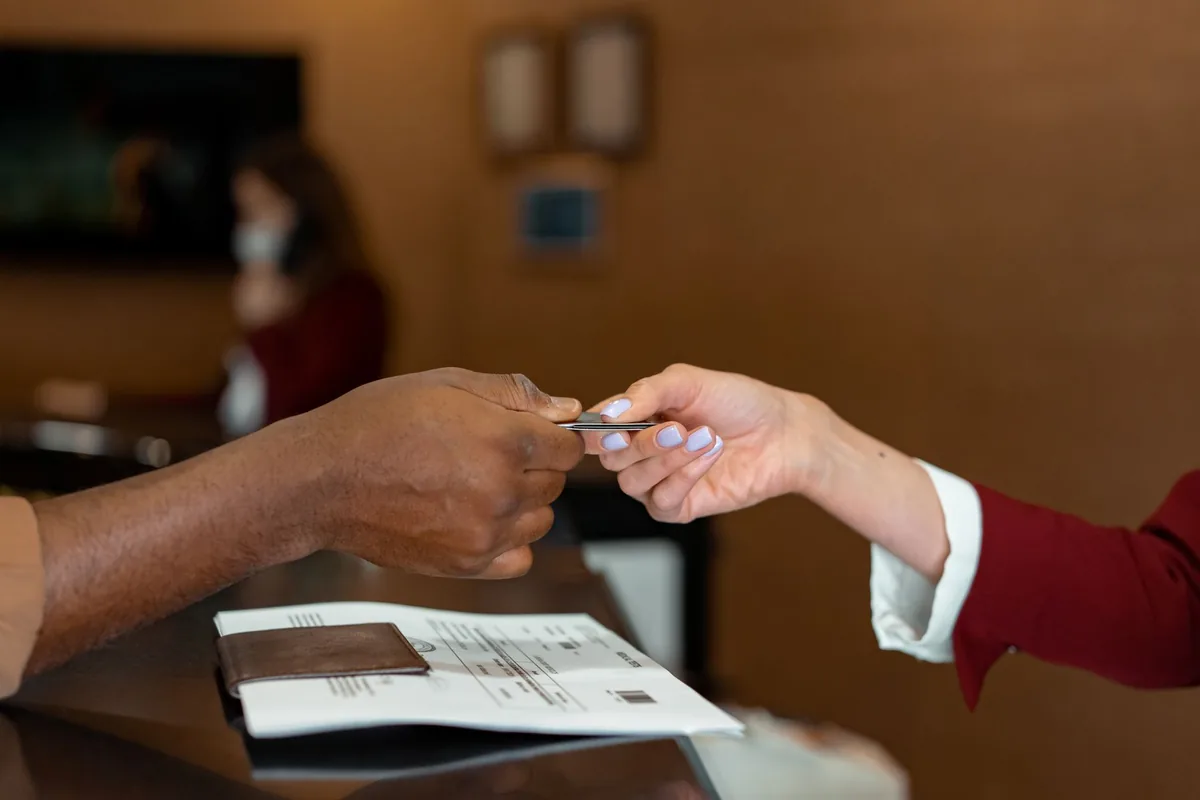
Budget secrecy also features in household planning [1]. Booking.com found that 36% of travelers have hidden the true financial cost of a trip from their romantic partner [1]. After returning from travel, 36% avoid checking their bank account or credit card balances to dodge post-trip spending regret [1]. Despite 46% of travelers spending more than planned on their most recent vacation, 94% say specific memorable moments made the trip worth every penny [1].
| Traveler Behavior and Financial Actions | Share of US Travelers |
|---|---|
| Expenses feel worth it upon returning home | 88% |
| Consider travel an investment in quality of life | 84% |
| Find travel more satisfying than material goods | 80% |
| Use flexible payment methods (e.g., BNPL, installments) | 69% |
| Cut back on day-to-day expenses to travel | 68% |
| Taken on extra work or side jobs to fund a trip | 48% |
| Spent more than planned on most recent trip | 46% |
| Charged travel without knowing how to pay it off | 39% |
| Hidden true trip costs from a partner | 36% |
| Avoid checking bank/card balances after returning | 36% |
| Would forgo travel entirely without flexible payments | 24% |
How does price sensitivity affect hospitality value perceptions?
Travelers actively reject bottom-dollar travel options in favor of convenience and reliability [1]. Booking.com findings show that 87% of travelers believe cheap options frequently end up being more expensive in practice [1]. Similarly, 90% agree that a good trip is rarely the cheapest one available on the market [1].

Instead of seeking discounts, consumers prioritize hassle-free operations [1]. Nine in 10 travelers (90%) place a premium on avoiding friction, while 90% say convenience during experiences forms a vital part of overall satisfaction [1]. Another 67% prioritize relaxing without worry, matching the 67% who focus primarily on enjoying memorable activities [1]. Achieving peace of mind remains central, with 90% stating it is critical to feel they made sound financial choices [1].
How critical are flexible payment options for travel bookings?
Alternative payment methods serve as an essential driver for conversion in leisure hospitality [1]. As Hotel Business reported, 69% of travelers have used flexible payment options such as installment plans and buy-now-pay-later (BNPL) services to secure their trips [1].
Without these checkout options, direct booking volume drops [1]. Nearly one in four travelers (24%) state they would likely forgo travel entirely if flexible payment plans were unavailable at checkout [1].
Reported by
This article was written from the following reporting. Follow the links for the original coverage.
- [1]88% of US Travelers Prioritize Trips Over Other Expenses— Hotel Business
Guide: Hotel email newsletters: what works, and what it is worth
Compare the systems named here
Frequently asked
+Why do US travelers prioritize travel over buying material goods?
According to Booking.com data, 84% of travelers view trips as an investment in their quality of life, while 80% report that travel brings greater satisfaction than material items. This emotional payoff leads 68% to cut other day-to-day spending.
+What financial steps do travelers take to afford vacations?
Nearly half of travelers (48%) take on second jobs or extra work to afford trips, while 39% charge expenses to cards without knowing how they will settle balances, and 36% hide the true cost from partners.
+Do leisure travelers prioritize the cheapest available hotel rates?
No. Findings show 90% of travelers believe a good trip is rarely the cheapest one, and 87% agree that cheap travel can end up being expensive. Consumers focus on avoiding hassles and gaining peace of mind.
+How important are flexible payment methods like BNPL for hotel bookings?
Very important: 69% of travelers have used flexible financing or installment solutions, and 24% state they would forgo traveling entirely if flexible payment options were not offered at checkout.
+Do guests regret overspending on vacations after they return?
Rarely. Even though 46% spend more than originally budgeted on their recent vacations, 88% say the expenses feel completely worth it upon returning home, and 94% say unique experiences justify the cost.
Keep reading
Our reporting
More in marketing