Despite record top-line revenue, rising operating and distribution costs caused average hotel flow-through in the Americas to fall to just 18% in 2025. Evaluating profit conversion alongside RevPAR is critical to prevent margin dilution from volume-driven growth and high OTA commissions.
Key Takeaways
1Hotels in the Americas averaged an 18% flow-through in 2025, down sharply from historical averages of roughly 50%.
2Guest acquisition costs per room rose 25% since 2019, outpacing RevPAR growth of 19% and eroding GOP margins.
3Higher occupancy often brings escalating variable labor and OTA commission costs that rate-driven growth does not.
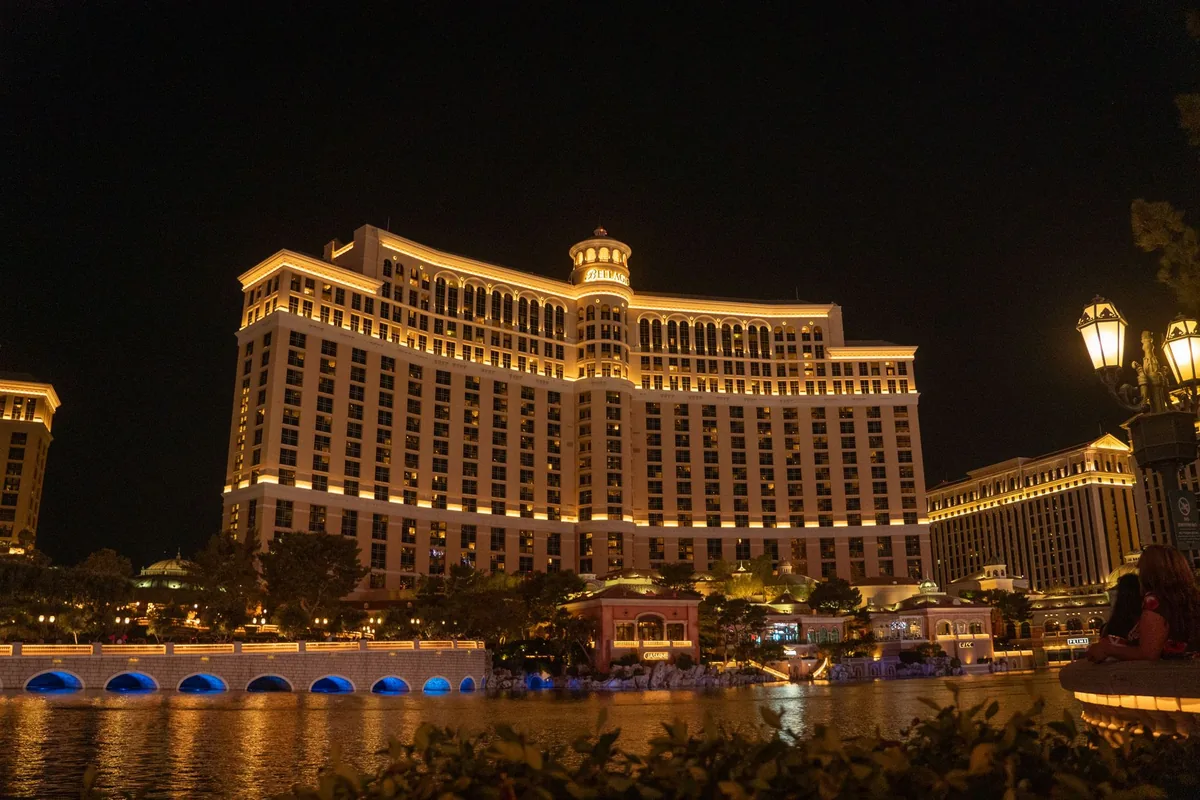
MGM Resorts is experiencing softening room rate pricing power in Las Vegas as rising overall travel costs prompt consumer pushback. The operator faces tighter margins and shifting booking patterns as budget-conscious travelers reassess discretionary trips.
Key Takeaways
1High airfares and broader inflation are reducing guest spending tolerance on the Strip
2MGM anticipates margin compression as average daily rates face downward pressure
3Operators are adjusting revenue strategies to maintain occupancy without eroding base rates
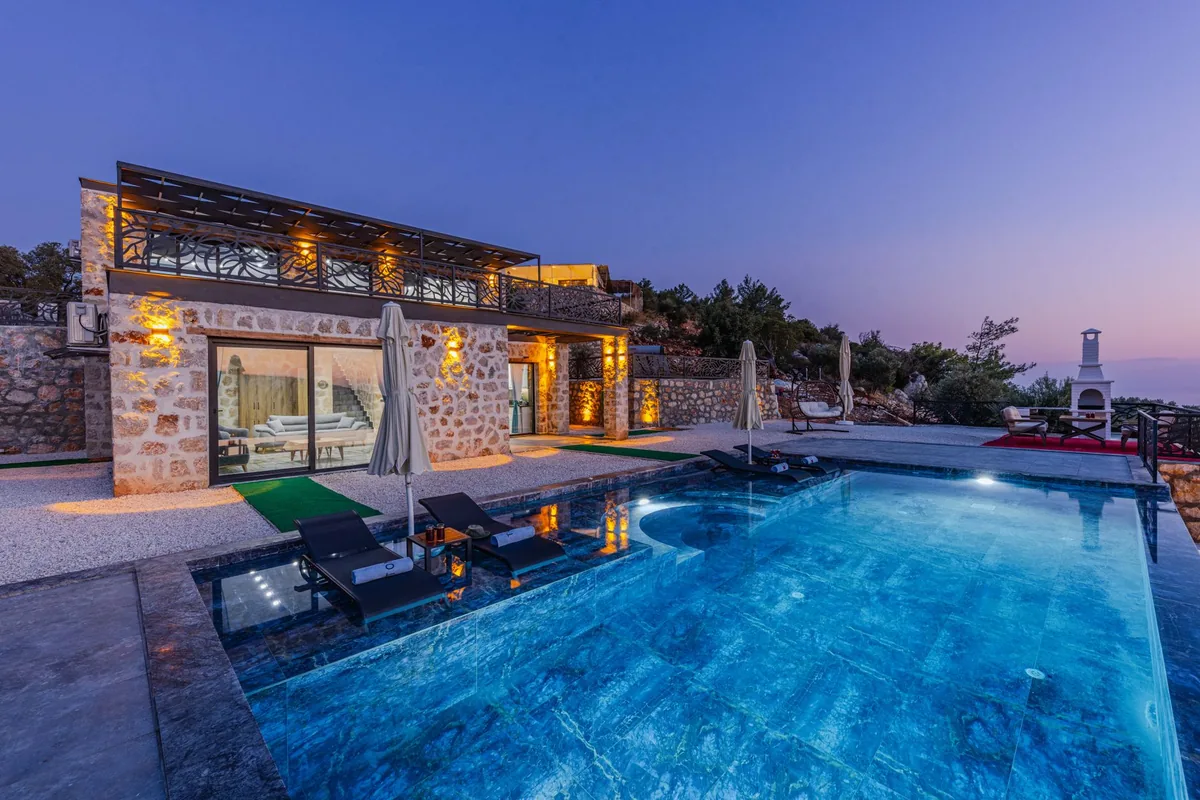
Wyndham Hotels & Resorts has launched Homes & Havens, a collection of curated, professionally managed vacation homes bookable via Wyndham Rewards. The offering directly targets competitors like Marriott by opening new redemption and earning avenues for its 129 million loyalty members.
Key Takeaways
1Debuts with nearly 800 professionally managed homes and villas across the U.S., Caribbean, Mexico, and Europe.
2Partners include property managers such as Brightwild, Simpson Travel, StayTerra, and Thousand Trails.
3Directly integrates into Wyndham Rewards to compete against rival lodging brand vacation platforms.
U.S. hotel performance posted solid year-over-year growth through late October, driven by strong average daily rate gains and major convention activity. Chicago led top-market performance with RevPAR jumping nearly 40 percent.
Key Takeaways
1U.S. RevPAR rose 12.6% to $125.31, bolstered by a 7.4% lift in ADR to $179.55.
2Chicago posted the highest ADR and RevPAR gains, up 26.4% and 39.7% respectively, aided by PACK EXPO.
3Oahu posted the steepest declines in occupancy (down 10.2%) and RevPAR (down 10.7%).
Hyatt and Extell Development Company have unveiled plans for The StandardX Times Square, an 1,800-room property opening in late 2028. The development marks the brand's North American debut and will feature a 1,000-foot observation deck and an enclosed thrill ride.
Key Takeaways
1Hyatt and Extell to open The StandardX Times Square in H2 2028, marking the brand's North American debut.
2The 1,800-room hotel at 255 West 45th Street will include an observation deck over 1,000 feet high and a free-fall ride.
3Amenities include a rooftop pool, multiple dining venues, and nightlife spaces integrated into the high-rise tower.
Elevated Treasury yields and maturing debt are pushing commercial real estate cap rates up and asset values down by up to 10 percent. Hotel owners face surging debt service costs, diverting capital away from new construction toward refinancing and strategic acquisitions.
Key Takeaways
1CBRE projects real estate cap rates will rise 40 to 60 basis points, triggering a 6 to 10 percent decline in property values.
2Roughly $48 billion in hotel loans mature through 2026, with refinancing debt service coming in around 40 percent higher.
3High construction and bridge loan rates of 8 to 10 percent are steering investors away from ground-up builds and into renovations.
A study of over 10 million guest interactions by Canary Technologies reveals that AI tools boost hotel upsell revenue and improve guest satisfaction ratings. Beyond answering basic inquiries, AI is increasingly executing contextual service requests and driving on-property bookings.
Key Takeaways
1Hotels using AI messaging increased upsell revenue by an average of 54% within six months.
2Guests interacting with AI were 11% more likely to leave a five-star review due to rapid response times.
3Nearly two-thirds of guest AI queries involved actionable service requests, with 45% tied to revenue generation.
Sierra CEO Bret Taylor argues AI agents will replace fragmented departmental touchpoints with a continuous, multimodal customer relationship from booking to post-stay. Travel operators must shift from rigid procedural rules to goal-oriented AI systems that actively resolve guest issues.
Key Takeaways
1AI agents unify siloed systems across booking, service, and loyalty into a single continuous guest journey.
2New multimodal agents blend voice, text, and visuals directly into the shopping and concierge experience.
3Operations must evolve from rigid procedural workflows to goal- and guardrail-oriented AI problem-solving.
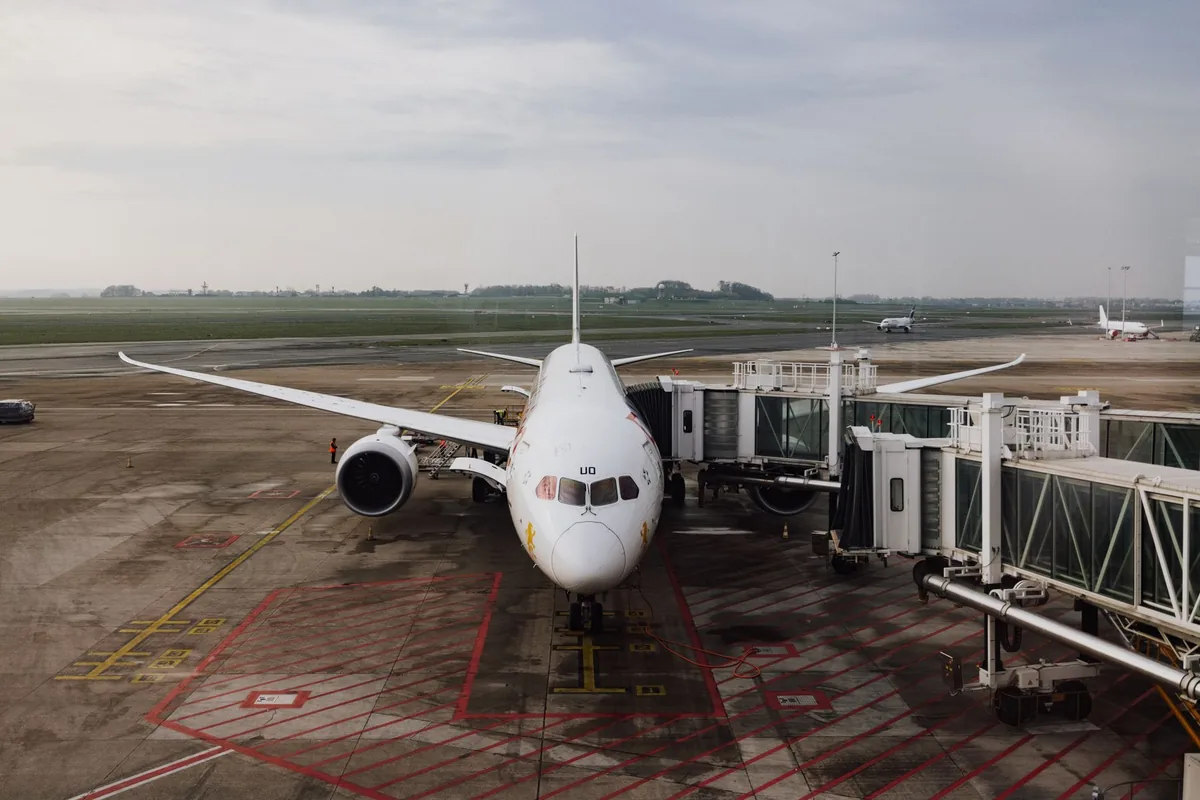
At least 16 international airlines have canceled or delayed flights to Dubai through late March, significantly cutting expected long-haul capacity. This disruption deals a blow to local hoteliers who anticipated a strong winter high season driven by European travel.
Key Takeaways
1Major carriers including KLM, Finnair, United, and Air Canada have suspended Dubai services until spring.
2Lufthansa Group has postponed its scheduled return to the market until at least late November.
3Hotels and short-term rentals face declining forward bookings due to the prolonged loss of inbound capacity.
Thailand reduced its future tourism arrival targets amid lagging demand, yet over 160 hotel projects remain in development. While Bangkok luxury holds steady, regional markets like Phuket face falling occupancy and softer room rates.
Key Takeaways
1Thailand lowered its 2026 arrivals target to 33M, well below the current pace needed to match expectations
2Developers push forward with 167 hotel projects nationwide, including 5,517 new rooms in Phuket
3Phuket upscale occupancy dropped to 80% with ADR down 4%, while Bangkok luxury proves more resilient
Hospitality operators are moving beyond localized culinary experiments by institutionalizing high-performing food and beverage trends across entire portfolios. Standardized procurement, menu engineering, and targeted concepts help transform evolving guest preferences into sustained operational margin growth.
Key Takeaways
1Operators prioritize scalable menu strategies to convert short-term dining trends into long-term profit centers.
2Portfolio-wide procurement and standardized recipes optimize margins against persistent culinary inflation.
3Data-driven beverage and dining concepts drive higher non-room revenue and capture local non-guest demand.
Analytics cookies.
We count visits either way — anonymously, with no IP stored. Accepting also lets
Google Analytics measure how the site is used. No advertising cookies, ever.
Privacy policy.
Get the briefing when it lands
One notification a day, the moment the edition publishes. No email needed.