37% of Americans Travel More for Work, Hotels.com Finds
Business travel surges past pre-pandemic levels as tech workers spend $264 nightly and demand leisure flexibility.
The short answer
Hotels.com finds that 37 percent of Americans are traveling more for work than before the pandemic, logging an average of 10 nights away per year. High-spending technology and finance workers lead corporate trip demand, with guests emphasizing breakfast, loyalty perks, and blended leisure stays.
“Business travel is no longer just about getting from one meeting to the next”

The short version
- Hotels.com found 37 percent of Americans travel more for work now than before the COVID-19 pandemic.
- Technology workers average five to six work trips annually with a $264 nightly hotel budget.
- Finance employees hold the highest daily allowance at $134, compared to the overall average of $115.
Thirty-seven percent of Americans now take more work trips than they did before the COVID-19 pandemic, according to the latest Hotels.com "Booked for Business" study [1]. U.S. corporate guests log an average of 10 hotel nights annually, driven by frequent travel among technology staff and tradespeople alongside rising demand for combined work and leisure amenities [1].
Who is driving the current volume of business travel?
Technology personnel and skilled tradespeople represent the most frequent corporate road warriors, averaging five to six work trips each year, Asian Hospitality reported from the study [1]. Tech workers specifically log 50 percent more travel than they did prior to the pandemic [1]. Gen Z now travels for professional reasons more than any other generation [1].
Daily room budgets reflect this shift toward tech-led corporate travel [1]. Technology employees command an average nightly room allowance of $264, outpacing the general business traveler benchmark of $236 per night [1].
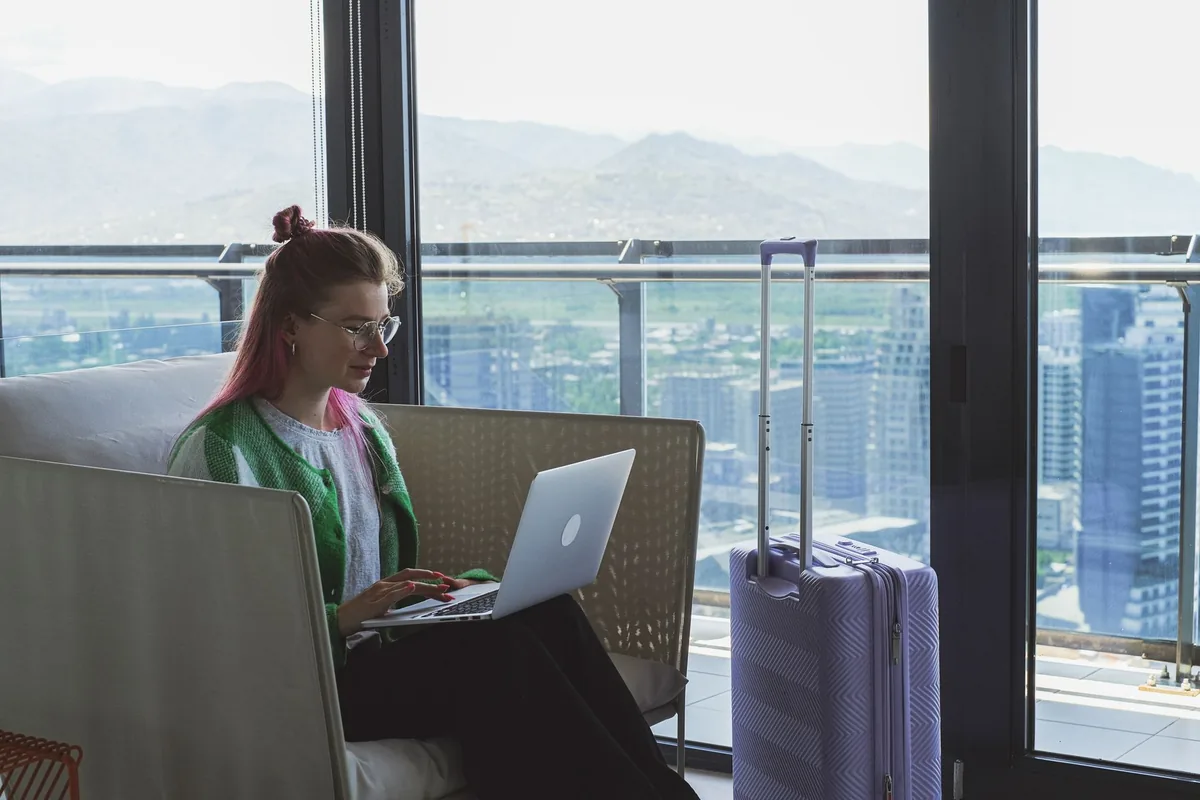
How much do corporate travelers spend per day on the road?
Daily allowances vary substantially by industry, with corporate per-diem rates averaging $115 across all sectors [1]. Finance workers secure the highest daily allowance at $134 per day, narrowly outpacing technology employees at $131 per day and energy and renewables staff at $127 per day [1]. Government employees receive the lowest daily stipend, falling below $79 per day [1].
| Industry Sector | Average Daily Travel Allowance | Nightly Hotel Budget Notes |
|---|---|---|
| Finance | $134 | Highest overall daily per diem [1] |
| Technology | $131 | Average nightly room budget of $264 [1] |
| Energy and Renewables | $127 | Above overall cross-industry average [1] |
| All Business Travelers (Average) | $115 | Overall nightly hotel budget baseline of $236 [1] |
| Government | Less than $79 | Lowest daily allowance recorded [1] |
Which amenities matter most to business guests?
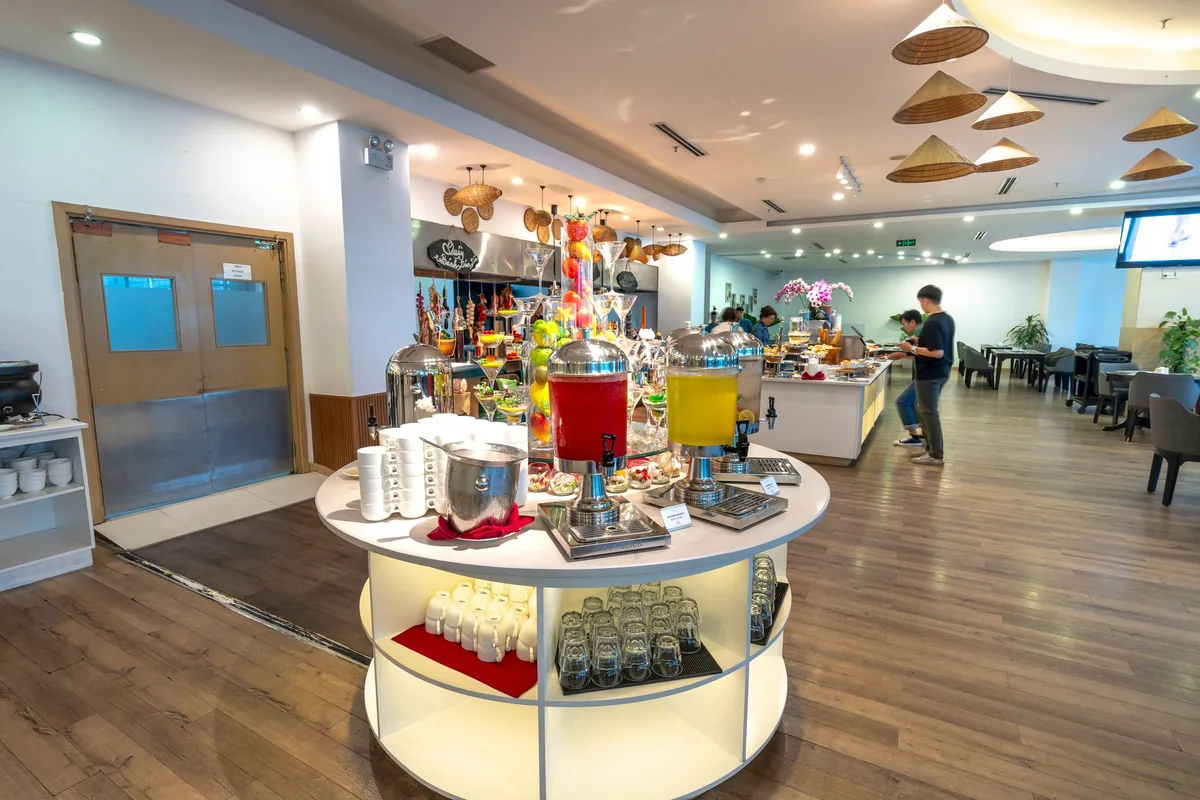
Complimentary breakfast stands out as the primary amenity demanded by corporate travelers, selected by 49 percent of survey respondents [1]. Loyalty program rewards rank second, cited by 39 percent of travelers, while flexible check-in times rank third at 37 percent [1].
Hotels.com noted that corporate guests increasingly prioritize properties that accommodate blended trips [1]. Sixty-three percent of U.S. travelers maintain that business destinations ought to make combining professional duties with leisure activities straightforward [1]. As Melanie Fish, Hotels.com vice president of global public relations, stated: "Business travel is no longer just about getting from one meeting to the next" [1].
Where and when are corporate guests booking stays?
New York, Los Angeles, and Miami represent the three leading U.S. destinations for corporate trips [1]. Peak business travel activity concentrates around two specific windows during the year: June and September [1].
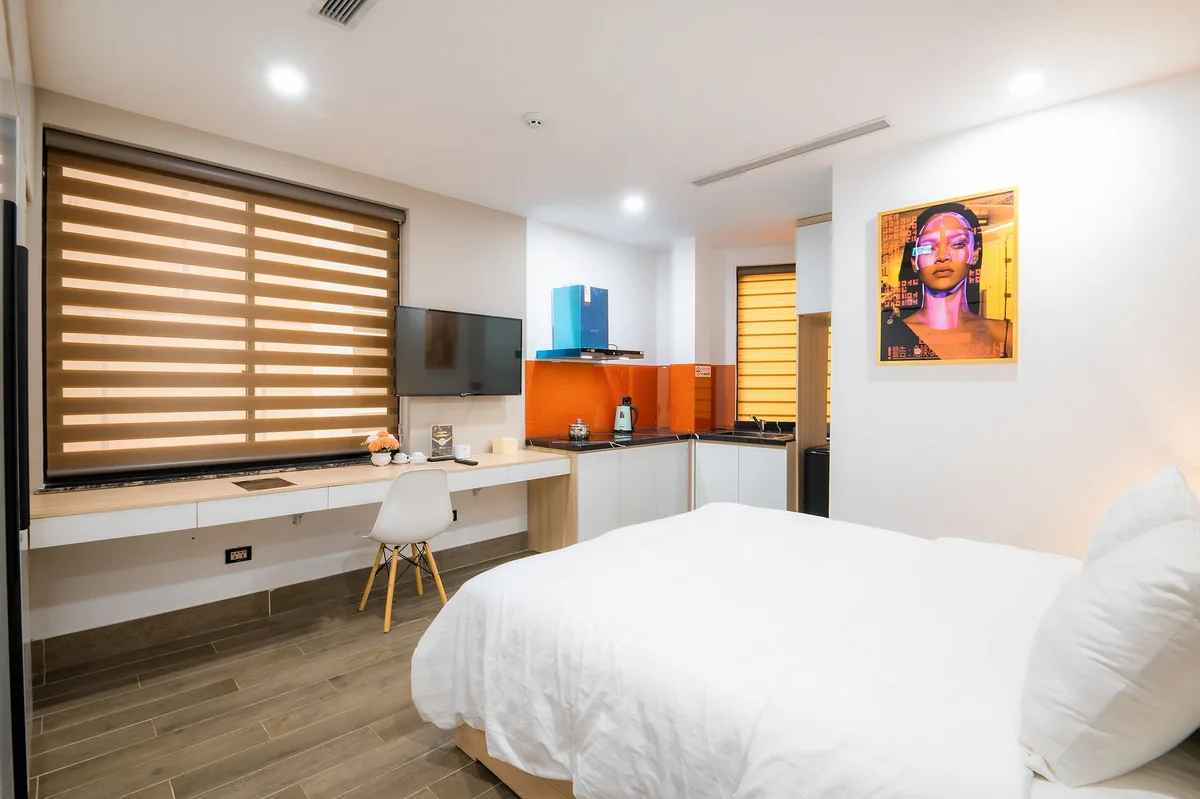
To capture this demand, Hotels.com rolled out a business-travel service across the U.S. and overseas markets [1]. The feature permits guests to save work-trip preferences, locate business-ready accommodations, manage repeat stays via a Quick Rebook function, and accumulate rewards on qualifying bookings [1].
How do generational habits divide across properties?
Generational patterns create sharp contrasts in guest behavior, loyalty, and on-property habits [1]. Gen Z travelers switch hotel brands more freely than older cohorts, rely heavily on hotel laundry services, and report the highest rate of behavioral shifts, with 69 percent showing a different side of their personality while traveling for work [1]. Across all U.S. travelers, 56 percent report showing a different side of their personality on corporate trips [1].
By contrast, Boomer travelers demonstrate greater punctuality and remain more loyal to individual hotel brands on the road [1]. Across all age groups, 58 percent of travelers wake up earlier on work trips than on personal holidays, and 58 percent state they are always punctual when traveling for work [1].
What role does the guest room play during work trips?
Hotel guest rooms serve as the primary sanctuary for workers facing demanding business schedules [1]. Asian Hospitality cited a recent report by Hyatt Hotels Corp. revealing that 90 percent of travelers consider their hotel room the sole location where they feel off the clock during a work assignment [1].
Reported by
This article was written from the following reporting. Follow the links for the original coverage.
- [1]Hotels.com: 37% of Americans Travel More for Work— asianhospitality.com
Frequently asked
+How many nights do U.S. business travelers average per year?
U.S. business travelers spend an average of 10 nights per year on work trips, according to findings from Hotels.com's "Booked for Business" study.
+Which industries take the most corporate trips?
Technology workers and skilled tradespeople travel most frequently, averaging five to six work trips each year. Tech professionals are traveling 50 percent more than they did before the pandemic.
+What is the average nightly hotel budget for business travelers?
The general nightly hotel budget across all business travelers is $236. Technology workers command an above-average nightly room budget of $264.
+Which industry receives the highest daily travel allowance?
Finance workers report the highest daily travel per diem at $134, followed by technology workers at $131, energy and renewables staff at $127, and government workers at under $79.
+What hotel amenities do corporate guests prioritize?
Free breakfast ranks first at 49 percent, followed by loyalty rewards at 39 percent and flexible check-in at 37 percent.
+Which cities are the top U.S. destinations for corporate travel?
New York, Los Angeles, and Miami rank as the top three U.S. business travel destinations, with June and September marking the busiest months of the year.
Keep reading
Our reporting


More in operations