How Hotel Chains Are Structuring India Expansion
Chains are deploying regional midscale brands, luxury assets, urban private clubs, and local partnership networks across India.
The short answer
Hotel groups are adapting their India expansion models through midscale corridor hotels, luxury metro properties, urban club formats, and brand partnerships. Operators are balancing capital efficiency with local loyalty integration across primary and secondary markets.
The short version
- Marriott entered the South Asian midscale highway sector by opening the 56-room City Express by Marriott Udaipur Nathdwara Highway.
- Hilton launched LXR Hotels in Bengaluru with Dan Hospitality India, incorporating a 21,000-square-foot ballroom.
- Radisson plans to double its Indian footprint to 500 hotels by 2030 through regional operational partnerships instead of acquisitions.
Hotel chains are structuring their expansion across India through four distinct operational models: introducing midscale brands into secondary and pilgrimage corridors, launching upper-upscale and luxury flags in Tier-1 technology hubs, creating hybrid urban private clubs, and forming non-equity affiliate partnerships with domestic operators instead of pursuing direct capital acquisitions [1], [2], [3], [4].
How are midscale brands entering secondary and pilgrimage corridors?
Midscale operators are opening compact, highway-adjacent properties designed to capture mixed leisure, spiritual, and regional corporate transit. According to eHotelier, Marriott International introduced its City Express by Marriott flag to South Asia with the 56-room City Express by Marriott Udaipur Nathdwara Highway [1]. The property sits on National Highway 58, 30 kilometers from Udaipur Railway Station and 35 kilometers from Maharana Pratap Airport [1].
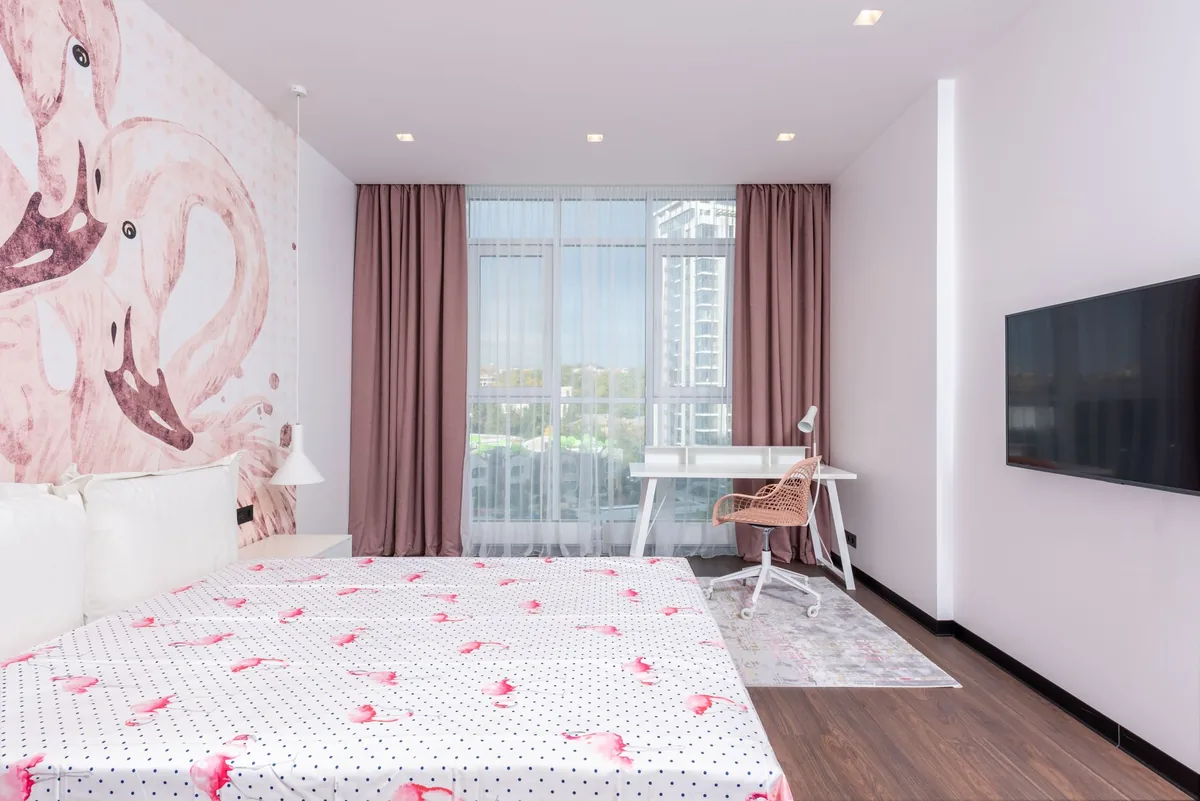
The physical footprint minimizes overhead while offering standardized essentials. The rooms feature dedicated workstations, mini refrigerators, LED televisions, complimentary high-speed Wi-Fi, and electronic safes [1]. Amenities are restricted to a single all-day dining restaurant serving breakfast and an on-site cardio and strength-training fitness center [1]. This framework keeps capital expenditure low for owners while connecting the property to the Marriott Bonvoy loyalty platform to drive direct bookings from regional travelers visiting Nathdwara or Udaipur [1].
Where are luxury operators placing high-amenity inventory?
Global operators are matching luxury and collection flags to high-density technology hubs that support major corporate and event traffic. As Asian Hospitality reported, Hilton debuted its LXR Hotels brand in Bengaluru through an asset owned by Dan Hospitality India [2]. Located in the Whitefield district, the hotel provides immediate transit access to neighboring tech parks, Nexus Shantiniketan mall, Vidhana Soudha, and Lalbagh Botanical Gardens [2].
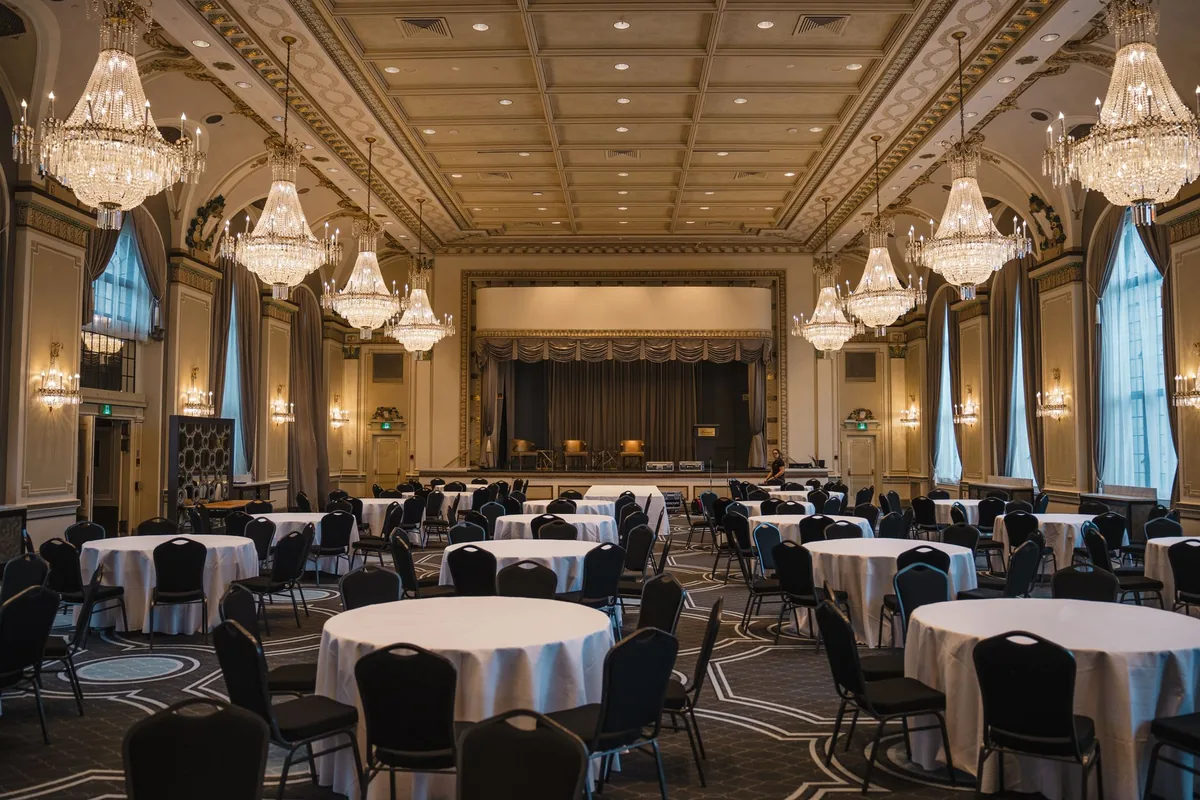
Unlike midscale roadside models, this luxury footprint prioritizes extensive food and beverage and banquet infrastructure. The Whitefield property features four dining venues, an outdoor swimming pool, a spa, a fitness center, a games room, and dedicated meeting spaces anchored by a ballroom offering more than 21,000 square feet of event capacity [2]. This debut follows Hilton's introduction of its Curio Collection into Bengaluru in July with Slohh by Roach, consolidating its luxury pipeline in South India [2].
Why are boutique brands designing urban private club formats?
Boutique leisure operators are moving inward from remote resorts to Tier-1 metros by integrating private social clubs into all-suite properties to generate recurring local membership revenues. Skift reported that Postcard Hotel, founded in 2018 with a 12-property portfolio in destination-led retreats across Goa, Assam, and Gujarat's Gir, is launching an urban format [3]. The brand is actively evaluating sites in Delhi, Mumbai, Bengaluru, and Hyderabad, with discussions underway across three specific locations [3].
The urban configuration relies on all-suite or nearly-all-suite inventories paired with an integrated private members' club [3]. Founder and CEO Kapil Chopra explained that this structure provides a financially workable format for prime metropolitan real estate, balancing room inventory with high-margin food, beverage, and membership dues [3].

Why are global groups choosing partnerships over acquisitions?
International groups looking to scale quickly without heavy capital expenditure are bypassing corporate acquisitions in favor of commercial and operational affiliations with local hotel companies. Speaking to Skift, Radisson Hotel Group CEO Federico González confirmed the company will not make acquisitions to hit its target of doubling its Indian footprint to 500 hotels by 2030 [4].
Acquisitions require heavy capital that the group avoids deploying directly [4]. Radisson instead invites regional Indian operators to fold existing properties into its enterprise network [4]. This model replicates its existing link-up with Indian conglomerate MBD Group, allowing domestic partners to retain ownership while gaining access to Radisson’s central reservation engines, revenue management platforms, operating procedures, and global loyalty program [4].
| Company / Brand | Target Destination Type | Target Property Format | Growth Mechanism |
|---|---|---|---|
| City Express by Marriott | Secondary highway / Pilgrimage (NH-58 Udaipur) | 56 rooms, all-day breakfast, fitness center | Brand debut, loyalty integration |
| LXR Hotels (Hilton) | Tier-1 tech hub (Whitefield, Bengaluru) | Full luxury, 4 F&B venues, 21,000+ sq ft ballroom | Owner-partnered opening (Dan Hospitality India) |
| Postcard Hotel | Tier-1 metros (Delhi, Mumbai, Bengaluru, Hyderabad) | All-suite inventory with integrated private club | Urban real estate roll-out |
| Radisson Hotel Group | Nationwide markets across India | Full portfolio network | Alliances with local operators (e.g., MBD Group) |
Reported by
This article was written from the following reporting. Follow the links for the original coverage.
- [1]Marriott Debuts City Express Brand in India with New Hotel— eHotelier
- [2]Hilton Debuts LXR Hotels Brand in India— asianhospitality.com
- [3]Postcard Hotel Targets Indian Cities With Club-Integrated Suites— Skift
- [4]Radisson Eyes 500 India Hotels via Local Partnerships— Skift
Frequently asked
+What brand did Marriott debut in India along the Udaipur-Nathdwara Highway?
Marriott launched City Express by Marriott in South Asia with a 56-room property on National Highway 58. The hotel targets regional transit, business, and leisure guests traveling toward Nathdwara and Udaipur with functional workspaces, daily breakfast, and a fitness center.
+How is Hilton positioning its luxury footprint in Bengaluru?
Hilton debuted LXR Hotels in Bengaluru's Whitefield area through owner Dan Hospitality India. The property features four dining venues, a spa, and a ballroom with over 21,000 square feet of event space to capture commercial and tech-district demand.
+What is Postcard Hotel's strategy for entering major Indian cities?
Postcard Hotel is transitioning from remote retreats to cities by combining nearly-all-suite accommodations with integrated private members' clubs. The brand is evaluating sites in Delhi, Mumbai, Bengaluru, and Hyderabad to create financially workable urban formats.
+Why is Radisson avoiding hotel acquisitions in India to hit 500 hotels?
Radisson Hotel Group CEO Federico González stated that direct acquisitions demand excessive capital. The company is instead partnering with domestic operators who want access to Radisson's revenue management systems, operational tools, and loyalty network.
+Which existing partnership serves as a precedent for Radisson's India strategy?
Radisson maintains a commercial link-up with Indian conglomerate MBD Group, which serves as the blueprint for onboarding regional operators into its brand and distribution network without direct equity purchases.
Keep reading
Our reporting

More in operations