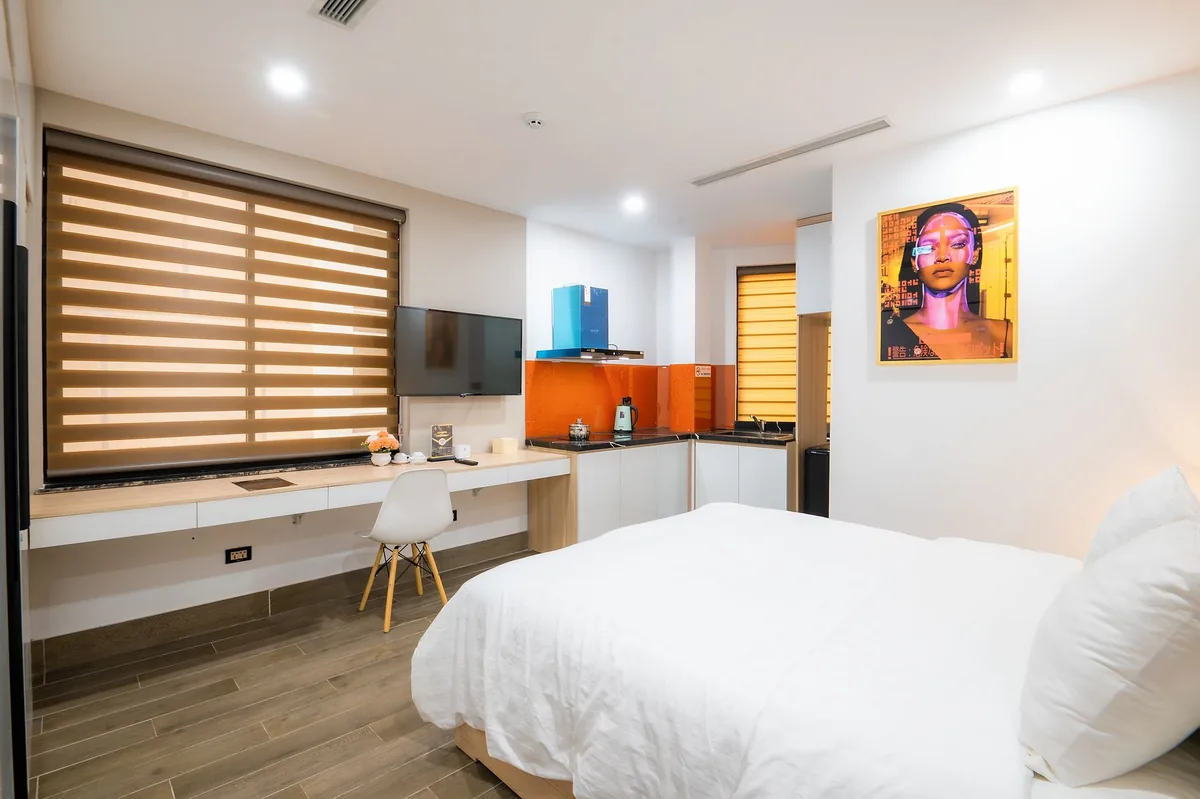
Microsoft has issued a warning regarding 'CaptiveCrunch,' a Russian-linked cyber campaign targeting hotel Wi-Fi networks to steal guest credentials and install malware. Attackers use compromised hotel Wi-Fi gateways to display fake login pages and software updates to business travelers.
Key Takeaways
1Campaign uses compromised Wi-Fi gateways to bypass MFA via fake device-code login prompts.
2Attackers can deploy 'CornFlake' malware to track keystrokes, steal files, and monitor audio/video.
3Microsoft advises guests to use mobile hotspots instead of hotel Wi-Fi for sensitive work.
Trivago anticipates a long-term structural tailwind following a €460 million EU fine against Google for self-preferencing its search results. The regulatory changes aim to level the playing field for hotel search competitors across Europe.
Key Takeaways
1EU fined Alphabet €460 million for favoring its own services in search results
2Trivago CEO calls the mandated Google search changes a long-term tailwind
3Rulings aim to restore competitive balance in European online travel distribution
Expedia Group is expanding its B2B platform beyond hotel supply to offer flights, ground transport, and experiences following a 23% year-over-year revenue surge in Q2. The strategy aims to transform its platform into a comprehensive one-stop shop for its 75,000 global partners.
Key Takeaways
1Expedia's B2B revenue grew 23% year-over-year in Q2.
2The platform is expanding beyond hotels to include flights, transport, and experiences.
Choice Hotels' interim CEO Dominic Dragisich is prioritizing closing the company's RevPAR gap as U.S. performance lags behind industry averages across upscale, midscale, and budget segments.
Key Takeaways
1Choice's U.S. upscale RevPAR grew 1.3% in Q2, trailing the industry average of ~5%.
2Midscale segments grew 1.1% versus the 4% industry average, while budget RevPAR fell 0.7%.
3Interim CEO Dominic Dragisich has taken over the role to address market share losses and boost performance.
Capital One Travel has expanded its Premier and Lifestyle Collections to over 1,400 curated properties, offering premium cardholders exclusive benefits and bespoke booking experiences. The strategy leverages credit card rewards programs, which 34% of U.S. travelers now rank as more rewarding than traditional hotel loyalty schemes.
Key Takeaways
1Capital One's curated hotel program now features more than 1,400 luxury and lifestyle properties globally.
234% of U.S. travelers favor credit card rewards programs over traditional hotel loyalty programs (22%).
3Properties are selected via qualitative reviews and data analysis focusing on service quality and guest satisfaction.
AI platforms are rapidly replacing traditional search engines for trip planning, with AI-driven search traffic converting at 14.2% compared to 2.8% for organic search. To stay visible in AI recommendations, hotels must prioritize Google reviews and direct website Q&A content over traditional technical SEO.
Key Takeaways
1AI search traffic converts at 14.2%, making visitors 4.4 times more valuable than traditional organic search leads.
2Google reviews and answering detailed guest queries directly on hotel websites strongly drive AI visibility, while technical schema offers minimal impact.
3Independent hotels can outperform major chains in AI search by targeting specific, niche guest categories rather than broad keywords.
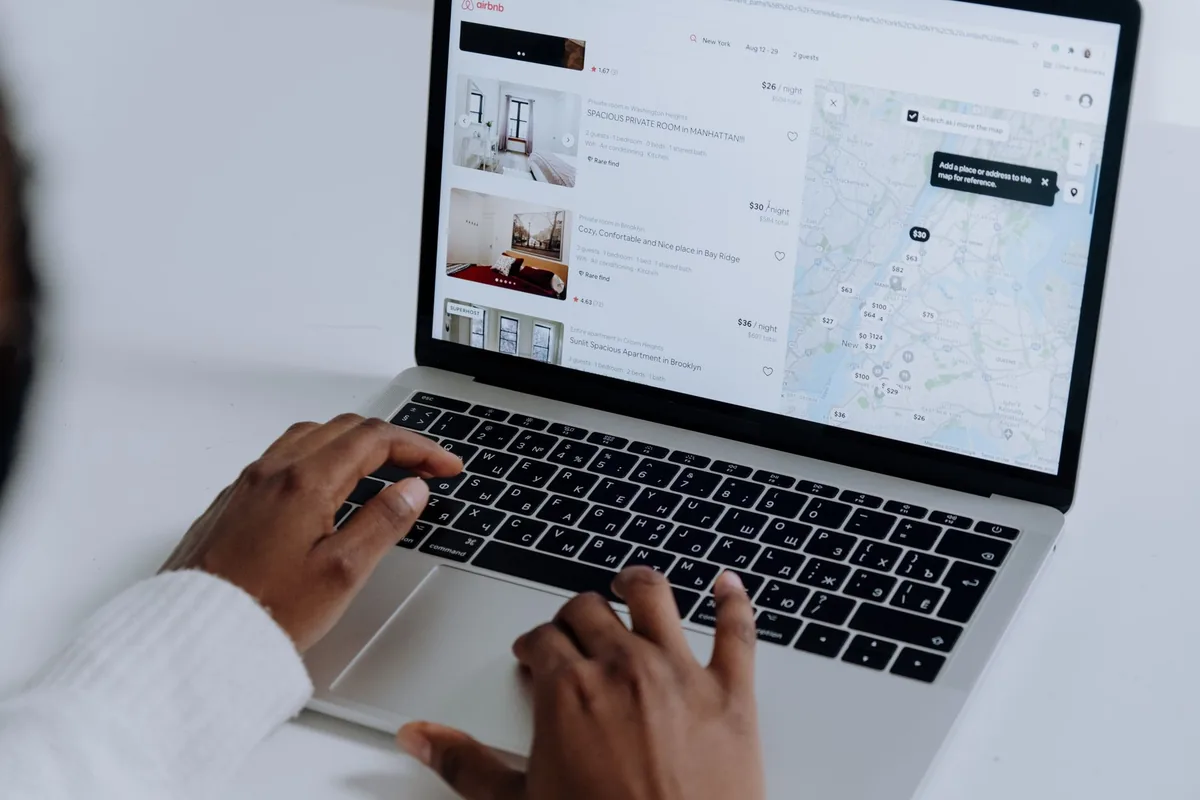
Airbnb has signed a distribution agreement with boutique operator Lark Hotels, adding over 75 US properties to its platform. The deal aligns with Airbnb's aggressive push to expand its boutique hotel offerings.
Key Takeaways
1Adds over 75 boutique properties across Lark's AWOL, Blind Tiger, and Bluebird brands.
2Provides Lark Hotels with a broader direct-to-consumer distribution channel.
3Supports Airbnb's strategy to aggressively expand its presence in the hotel sector.
Skift Research released its inaugural Capital Allocation Brief, revealing $39.6 billion across 242 global travel M&A deals in the first half of the year. The report highlights rising valuations for asset-light lodging and major OTAs alongside shifting global demand patterns.
Key Takeaways
1Global travel M&A reached $39.6B across 242 deals in H1 despite market disruptions.
2Asset-light hotel models and major OTAs command valuation premiums over travel software.
3Asia-Pacific travel demand accelerates while U.S. inbound travel stays structurally weak.
Global business travel spending is projected to reach $1.71 trillion by 2026, driven by higher travel costs rather than a rapid surge in trip volume. While companies remain committed to travel, higher expenses are forcing a focus on selective, disciplined, and high-productivity trips.
Key Takeaways
1Global business travel spend will reach $1.71T in 2026, with the U.S. ($423B) and China ($403.7B) leading.
2Trip volume will grow just 1.3% in 2026 to 1.84 billion trips as higher costs keep demand disciplined.
3Total global spending is now expected to cross $2 trillion by 2030, one year later than initially forecast.
Hilton achieved $482 million in Q2 net income and a 3.9% system-wide RevPAR increase, driven by strong global development and key acquisitions. The company expanded its pipeline to over 541,000 rooms and reaffirmed strong full-year financial guidance.
Key Takeaways
1Q2 net income reached $482M with Adjusted EBITDA topping $1.05B.
2System-wide RevPAR grew 3.9% with full-year expectations set between 3% and 3.5%.
3Development pipeline expanded 6% YoY to 541,300 rooms after opening 200+ properties.
To successfully integrate AI and operational technology, hotel leaders must focus on augmenting staff capabilities and reducing daily administrative burdens rather than aiming for full automation.
Key Takeaways
165% of hotels report staffing shortages, making tech that reduces cognitive burden essential.
2Leadership must decide between full automation, AI augmentation, and purely human service touchpoints.
3Successful tech deployment requires listening to frontline staff to streamline existing workflows.
China's hotel construction pipeline reached 3,588 projects in Q2 2026, driven by record highs in the upper-midscale and upscale segments. Lodging Econometrics forecasts more than 1,100 new hotel openings across the country by year-end 2026.
Key Takeaways
1Upper-midscale and upscale segments make up 66% of all pipeline projects in China.
2Renovations and brand conversions surged 24% YOY to a record 265 projects.
3Chengdu, Guangzhou, and Shanghai lead Chinese cities with the largest project pipelines.
Analytics cookies.
We count visits either way — anonymously, with no IP stored. Accepting also lets
Google Analytics measure how the site is used. No advertising cookies, ever.
Privacy policy.
Get the briefing when it lands
One notification a day, the moment the edition publishes. No email needed.