Lindblad Expeditions Redefines High-End Travel Demand
Expedition travel accounts for under 1% of cruising, but Lindblad sees a target market of 22 million households.
The short answer
Lindblad Expeditions is expanding into land and aviation expeditions to meet rising demand for remote, unscripted travel. CEO Natalya Leahy notes the category targets 22 million qualified U.S. households while representing less than 1% of the cruise market.
The short version
- Lindblad research shows destination, activities, and reputation drive bookings over suite amenities and cuisine.
- 22 million U.S. households are economically qualified for expedition travel, while fewer than 1 million travelers currently take expeditions.
- White Desert Antarctica and Echo Charlie extend Lindblad beyond ship-based travel into land and aviation access.
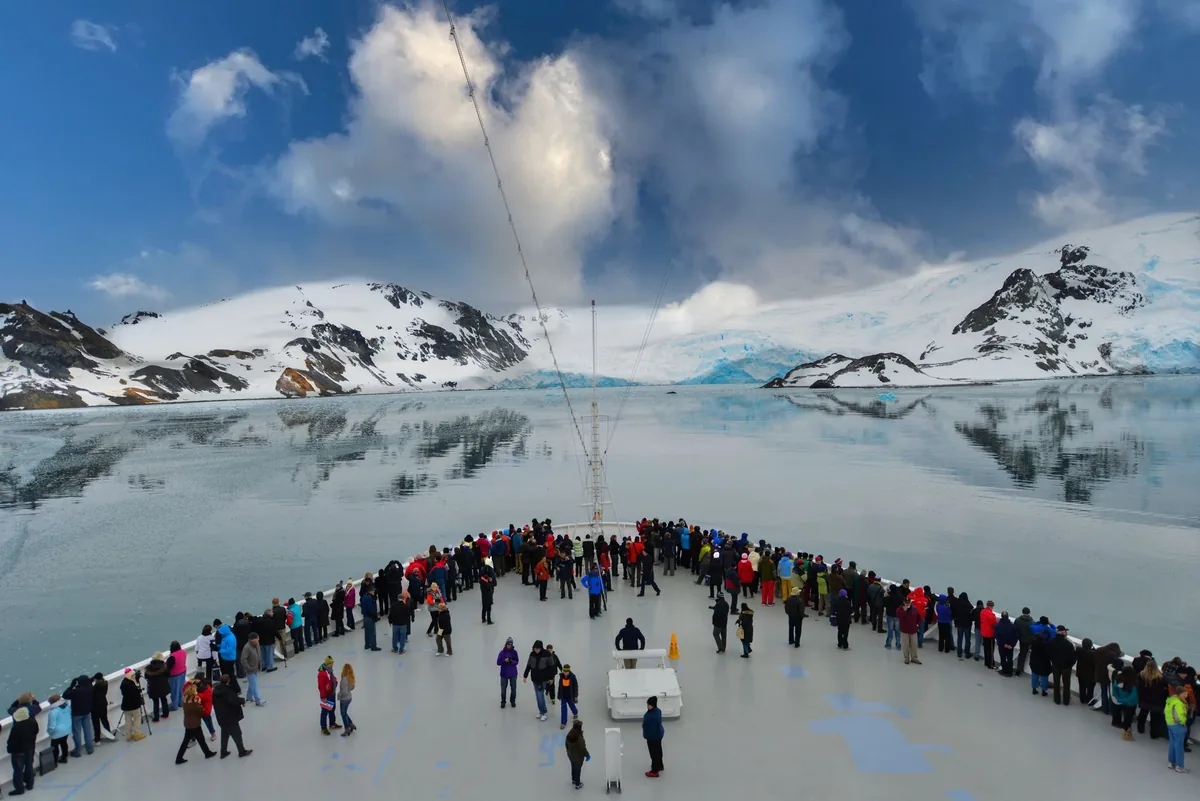
Expedition travel is shifting the definition of luxury by prioritizing remote access, specialized activities, and operator reputation over traditional markers such as culinary programs, cabin appointments, and price points. Lindblad Expeditions Holdings chief executive Natalya Leahy reported that affluent consumers view standard luxury amenities merely as a baseline, driving operators to offer access to environments that are hard to replicate [1].
What drives traveler booking decisions in the premium tier?
Consumer research from Lindblad Expeditions shows that standard luxury signals no longer determine booking intent at the top of the market [1]. According to Skift, the top three factors influencing purchase intent among surveyed guests are destination, expedition activities, and company reputation [1]. Conventional hospitality features—including culinary experiences, price, and suite amenities—failed to break into the top three selection criteria [1]. As detailed by Skift, Leahy clarified that premium travelers do not dismiss suite finishes or fine dining, but treat them as an expected baseline rather than the primary reason to purchase [1].

How is Lindblad expanding outside ship-based operations?
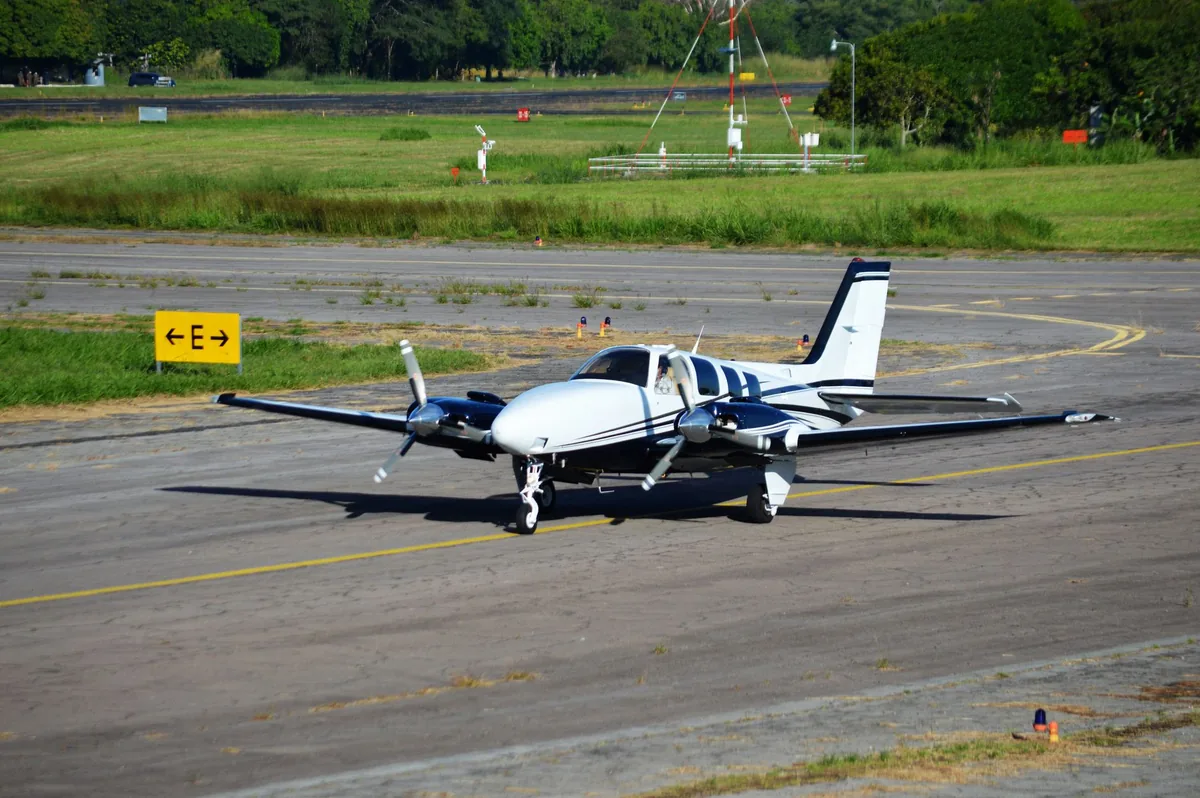
Lindblad is growing its geographic reach by acquiring land-based and aviation-focused expedition brands rather than relying solely on vessels [1]. The company recently added White Desert Antarctica and Echo Charlie to its operating portfolio, according to Skift [1]. White Desert moves guests into Antarctica’s remote continental interior, while Echo Charlie organizes aviation access to remote locations worldwide [1]. This framework builds a portfolio where separate brands extend market access while preserving distinct operational expertise [1].
| Brand / Asset | Operating Mode | Primary Focus |
|---|---|---|
| Lindblad Expeditions | Maritime / Ship-based | Remote marine expeditions and coastal exploration [1] |
| White Desert Antarctica | Land-based interior camps | Access to Antarctica’s remote interior [1] |
| Echo Charlie | Aviation-led travel | Aviation access to isolated destinations globally [1] |
What is the size of the addressable market?
Expedition cruising accounts for less than 1% of the wider cruise market and serves fewer than 1 million travelers globally [1]. In contrast, Leahy identified 22 million U.S. households that Lindblad considers demographically and economically qualified for expedition products [1]. Skift reported that long-term tailwinds include the concentration of disposable time and wealth among older demographics, alongside the ongoing generational transfer of wealth [1]. The commercial test facing operators is capturing this addressable demographic while preserving the operational intimacy required for high-touch travel [1].
How do operational teams maintain service quality at scale?
Service quality depends on frontline staff having the autonomy to execute spontaneous field adjustments rather than following rigid itineraries [1]. Lindblad achieved a record Net Promoter Score during the same operating year it carried its highest-ever guest volume [1]. Maintaining quality during expansion requires what Leahy described as focus and empowered staff [1]. Skift highlighted an example from Antarctica where an expedition leader halted a cross-country skiing excursion for a spontaneous meditation session among emperor penguins away from the vessel [1]. Such unscripted moments rely on deep field expertise rather than pre-planned schedules [1].
Why is technology driving demand for remote journeys?
Everyday saturation with digital platforms and artificial intelligence is increasing the consumer appeal of disconnected travel [1]. Leahy stated that as daily life becomes mediated by technology and AI tools, premium travelers assign greater value to environments that let them disconnect from digital channels [1]. These experiential journeys allow guests to step away from tech-heavy routines and re-engage directly with natural environments and their immediate companions [1].
Reported by
This article was written from the following reporting. Follow the links for the original coverage.
Frequently asked
+What factors most influence bookings for expedition travel?
According to Lindblad consumer research, purchase intent is driven primarily by destination, expedition activities, and company reputation. Standard luxury perks like fine dining, suite amenities, and price did not rank in the top three, functioning instead as a baseline expectation.
+What brands did Lindblad Expeditions recently add to its portfolio?
Lindblad recently added White Desert Antarctica, which operates in Antarctica's interior, and Echo Charlie, a business established around aviation access to remote global locations, broadening the group beyond marine cruising.
+How large is the expedition travel market today?
The expedition sector represents less than 1% of the overall cruise market and serves fewer than 1 million travelers worldwide, according to figures shared by Lindblad CEO Natalya Leahy.
+How many consumers are qualified for expedition travel in the U.S.?
Lindblad identifies 22 million U.S. households as demographically and economically qualified for expedition travel products, representing a sizable growth opportunity.
+Why is technological adoption fueling expedition travel demand?
Rising reliance on artificial intelligence and screens creates technology fatigue, making remote journeys that allow travelers to disconnect digitally and experience natural settings increasingly attractive.
Keep reading
Our reporting

More in operations