Millennials Drive 41% of Wellness Spend in Hybrid Shift
Luxury operators move beyond isolated retreats to embed social fitness, nutrition and recovery into urban and resort real estate.
The short answer
Luxury operators are transforming physical spaces and food concepts as millennials capture 41% of global wellness spending. The industry is replacing isolated retreats with flexible, hybrid models that embed recovery and social connection into standard hotel stays.
“The term trend means it is coming and it is going. That means you should never do something in a real estate development which is a short-term trend.”

The short version
- Millennials generate 41% of global wellness expenditure, spurring flexible, lifestyle-driven hotel programming.
- Wellness square footage is expanding from hundreds to several thousand square metres in luxury resort and urban projects.
- Operators warn against well-washing, urging properties to integrate authentic traditional practices, social dining and fitness.
Hospitality operators are moving away from isolated destination retreats toward hybrid wellness formats that blend fitness, nutrition, recovery and communal programming into conventional luxury stays [1]. Driven by younger travellers who want flexible health choices rather than rigid clinical isolation, hotels are expanding physical wellness square footage and weaving health into daily dining and social operations [1].
Why are luxury hotels moving toward hybrid wellness?
Luxury hotels are adopting hybrid formats because guests increasingly reject rigid, immersive retreats in favour of flexible options integrated into standard itineraries [1]. As reported by eHotelier, travellers now seek health, fitness, food and social experiences that exist alongside a luxury vacation or business trip [1].
Rather than requiring guests to lock themselves into strict, multi-week regimes, brands provide tiered participation [1]. At Six Senses, guests can select how deeply they want to engage, moving from structured clinical programmes down to healthier menu selections, sustainable practices, fitness sessions and social gatherings woven through an ordinary stay [1].
How are younger demographics reshaping wellness demand?
Younger demographics are driving this operational transformation through sheer spending power and distinct lifestyle expectations [1]. Speaking at the BEING Thailand 2026 conference in Phuket, Ingo Schweder, founder and chief executive officer of GOCO Hospitality and managing director of Horwath HTL Health & Wellness, revealed that millennials account for 41% of global wellness spending [1].
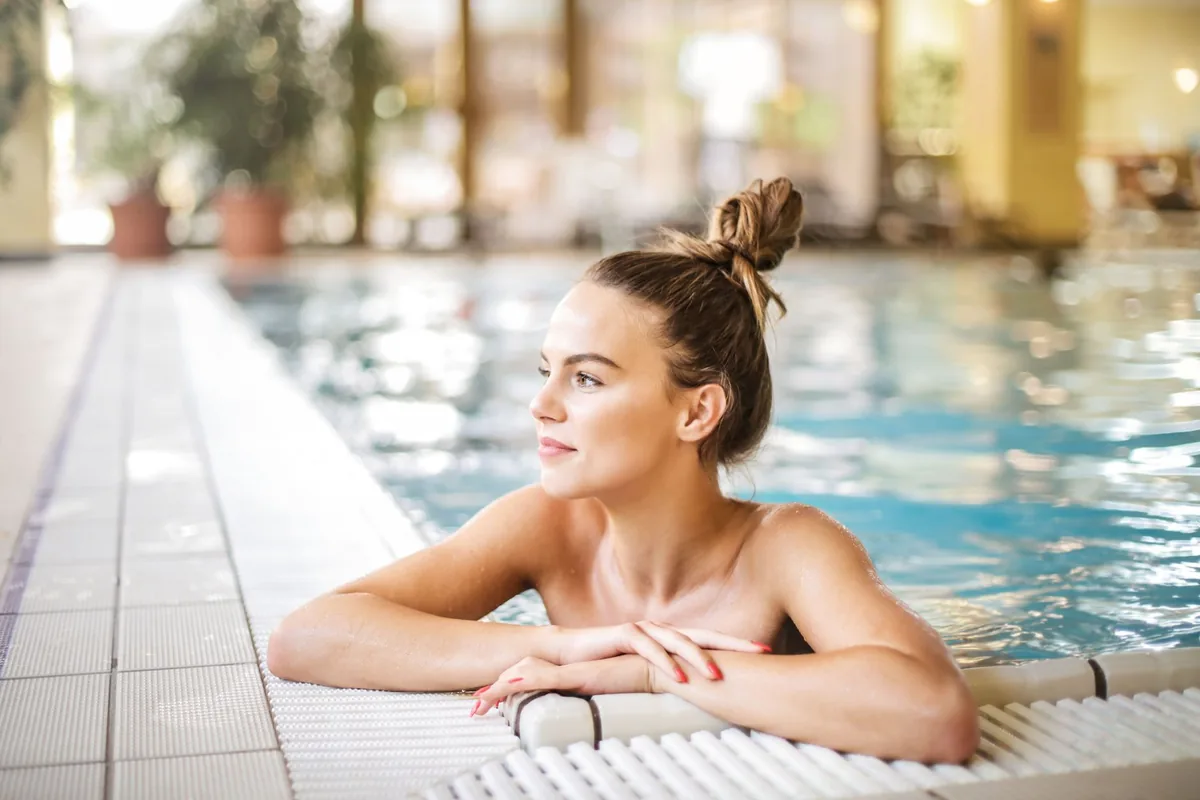
These consumers view wellbeing as a routine expenditure rather than a periodic indulgence [1]. Consequently, operators report strong interest in recovery concepts such as ice baths and sound healing, which Schweder noted introduce consumers to wellness and generate future demand for established hospitality brands [1].
What does this transition mean for hotel real estate?
Real estate square footage allocated to health and recreation is growing dramatically inside luxury builds [1]. Facilities that previously spanned a few hundred square metres now frequently occupy several thousand square metres in high-end resorts and city properties [1].
| Operational Dimension | Traditional Immersive Retreat | Emerging Hybrid Hotel Model |
|---|---|---|
| Physical Footprint | Hundreds of square metres dedicated to treatment rooms [1] | Several thousand square metres across fitness, recovery and social areas [1] |
| Guest Participation | Mandatory, isolated, goal-specific health regimes [1] | Tiered, voluntary options integrated into standard stays [1] |
| Food and Beverage | Strict, restrictive dietary menus [1] | Healthier familiar dishes, adaptogens, fermented items alongside regular dining [1] |
| Social Atmosphere | Solitary, silent, reflective spaces [1] | Community tables, shared saunas, group fitness [1] |
| Location Scope | Remote, dedicated destination properties [1] | Resorts and urban city hotels for daily lifestyle integration [1] |
Schweder cautioned owners and developers against designing assets around passing fads [1]. Real estate involves long-term capital allocation, meaning physical developments must avoid short-term trends that quickly fade [1].
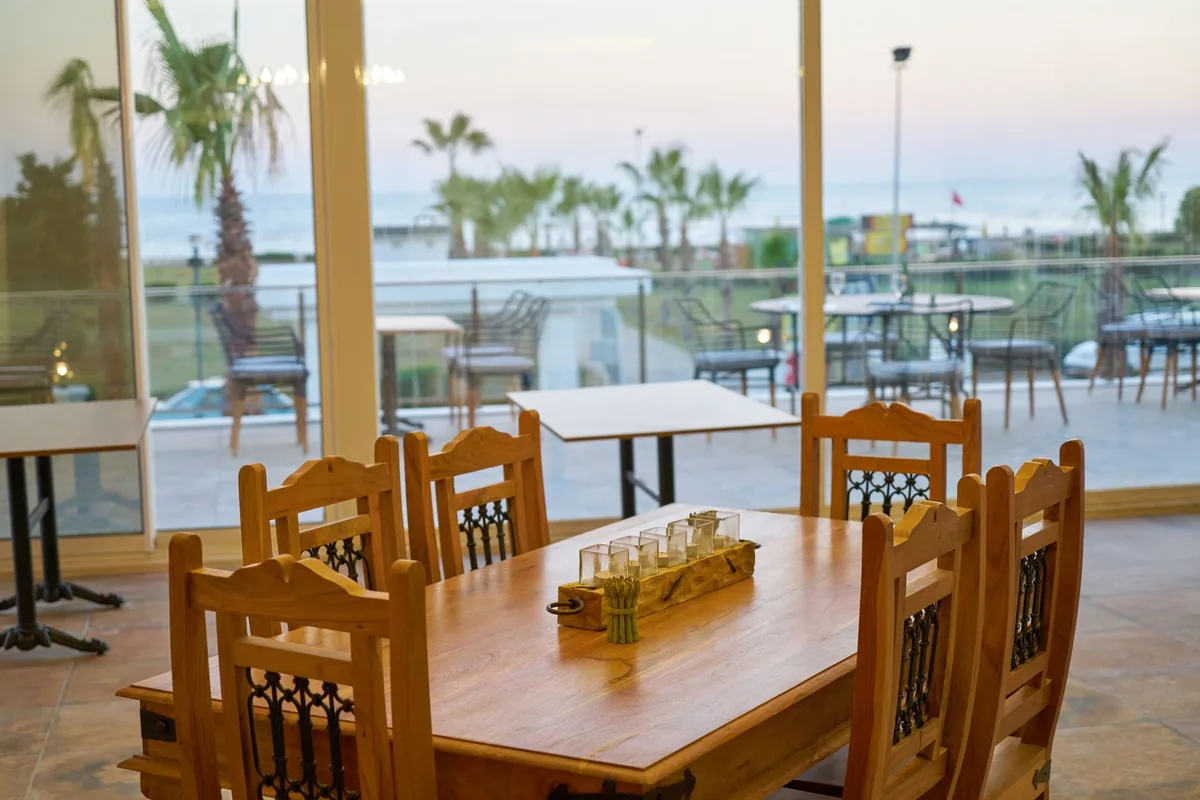
How are food and beverage programmes evolving?
Food and beverage departments are abandoning restrictive, punishing menus to focus on healthier adaptations of recognisable dishes [1]. Ingredients such as fermented foods and adaptogens are taking centre stage across culinary outlets [1].
Six Senses pairs everyday dining with specialized menus aligned with detoxification, athletic fitness and weight management programmes [1]. This allows guests travelling together to eat from different dietary paths at the same table, avoiding the operational friction of segregated health canteens [1].
Why is wellness shifting from solitary to social spaces?
Wellness is transitioning into a social activity through shared saunas, destination running groups and communal dining layouts [1]. Properties are directly countering the assumption that personal health requires complete solitude [1].
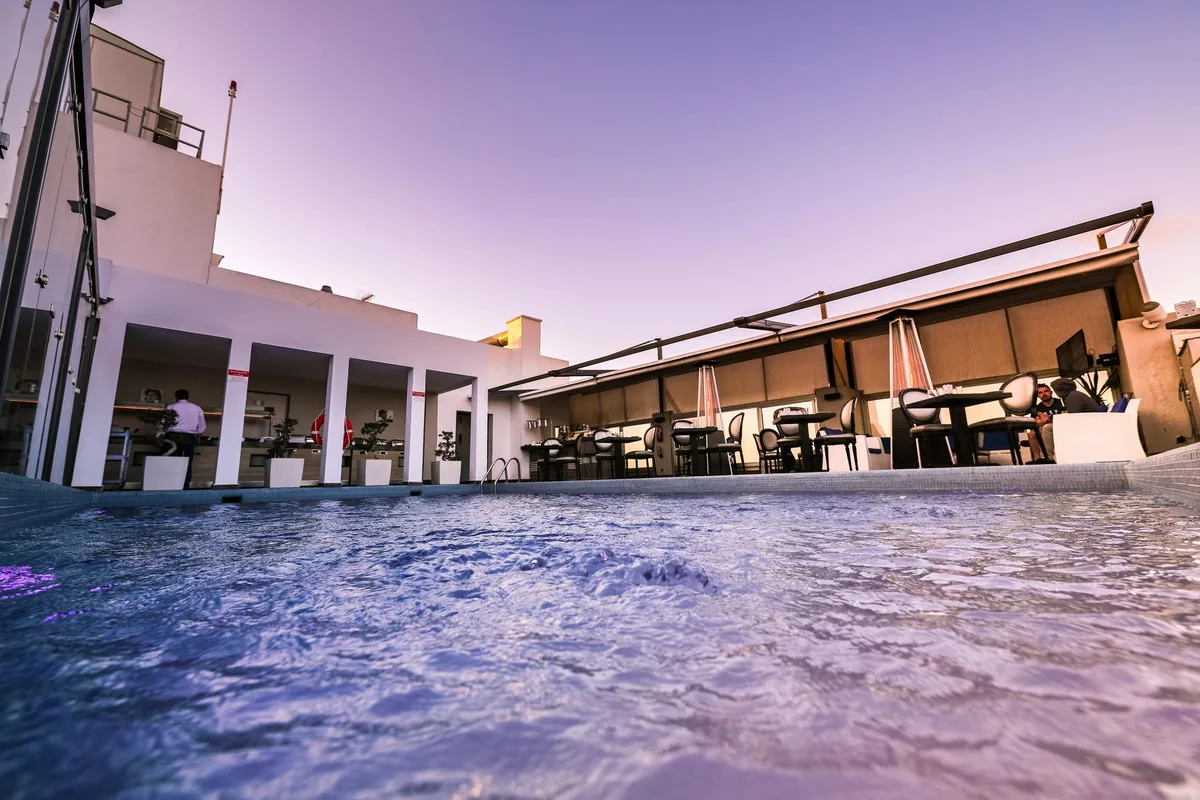
At Kamalaya, Chief Financial Officer Matthew Brennan noted that the resort's community table proves exceptionally popular with solo travellers seeking connection alongside their personal health routines [1]. Furthermore, outdoor sports such as swimming and group trail running give hotels a practical way to link physical movement with local destinations [1].
How is urban hospitality adapting to the wellness shift?
Urban hotels are incorporating comprehensive wellness infrastructure to capture local business and frequent corporate travellers [1]. Six Senses has rolled out dedicated urban wellness concepts that fuse fitness facilities, spa services, nutritious food and social zones [1].
Schweder stated that luxury city properties are deliberately dedicating greater square footage to wellness to transform health maintenance into a daily habit rather than an annual trip [1]. This approach positions metropolitan hotels as ongoing lifestyle hubs for local club members and global guests alike [1].
What operational traps must operators avoid?
Hospitality executives warned operators to avoid "well-washing," which involves superficial marketing or purchasing fashionable gadgets without embedding wellbeing throughout operational touchpoints [1]. The panel emphasized that the core differentiation lies in unifying health, fitness, nutrition, sustainability and human connection across the entire guest journey [1].
Regional destinations face specific preservation challenges during this evolution [1]. Jael Fischer, head of development for Asia Pacific at Six Senses, noted that Thailand holds an advantage by pairing Eastern and Western practices with strong hospitality culture [1]. However, Brennan stressed that markets such as Thailand must protect their uniqueness, heritage and Traditional Thai Medicine as global wellness offerings homogenise [1].
Reported by
This article was written from the following reporting. Follow the links for the original coverage.
Frequently asked
+What is driving the growth of hybrid wellness in hotels?
Younger travellers, particularly millennials, are driving the shift. Rather than visiting isolated retreats with restrictive rules, guests want flexible health, fitness, recovery and social elements integrated into conventional resort and urban hotel stays.
+What share of wellness spending do millennials control?
Millennials account for 41% of global wellness spending, according to Ingo Schweder of GOCO Hospitality. Their willingness to invest in personal health is reshaping how luxury hotels programme amenities and allocate real estate.
+How is wellness changing hotel physical footprints?
Wellness spaces that previously covered hundreds of square metres now reach several thousand square metres in high-end developments. Operators are allocating this additional space to fitness, active recovery, communal saunas and social areas.
+What is well-washing in hospitality?
Well-washing refers to the practice of installing trendy wellness gadgets or using superficial wellness branding without actually embedding nutrition, fitness, recovery and human connection into the broader guest journey.
+How are hotel food and beverage menus adapting?
Hotels are replacing restrictive health diets with healthier versions of familiar dishes. Menus increasingly highlight functional ingredients such as adaptogens and fermented foods alongside tailored nutrition tracks for detox and fitness.
Keep reading
Our reporting
More in operations