Intrepid Travel Expands Scope to Cut Carbon 8% by 2030
Intrepid Travel is tracking customer aviation and deploying on-site green infrastructure to reduce emissions per traveler by 2030.
The short answer
Intrepid Travel is tracking non-transacted customer flight footprints to achieve an 8% emissions cut per passenger per day by 2030. The operator is redesigning trip itineraries closer to home markets while deploying solar power and electric vehicles on the ground.
“The more we invest in our communities and our staff and the planet, the more we keep growing.”
The short version
- Intrepid Travel committed to cutting emissions by 8% per passenger per day by 2030.
- Intrepid tracks customer flights cradle-to-grave even when the flights are not booked through the company.
- AI tools have been integrated into 19 internal operational workflows at Intrepid Travel.
Intrepid Travel is measuring its full cradle-to-grave emissions footprint by tracking customer flight emissions that the company does not transact, according to Skift [1]. To meet its verified climate goal, the tour operator has committed to reducing carbon emissions by 8% per passenger per day by 2030 through destination redesign and visible on-site decarbonization projects [1].

How is Intrepid Travel altering emissions accounting?
Intrepid Travel measures its operational influence from cradle to grave rather than restricting boundaries to directly controlled operations [1]. Darrell Wade, co-founder and chairman of Intrepid Travel, explained during a session moderated by Skift's Sarah Kopit that the operator tracks total emissions per journey [1]. This accounting method includes the flights customers book independently to reach their tour departures, even though science-based targets do not formally require non-transacted transport reporting [1]. Wade noted that businesses measuring solely what they control directly are isolating the easiest segment of footprint calculations [1].

What does cradle-to-grave tracking mean for destination planning?
Expanding emissions accountability alters tour catalogues, itinerary planning, and destination selection [1]. As Skift reported, accounting for customer aviation requires Intrepid to redesign trips and build more travel products closer to core source markets [1]. Under this operational framework, North American travelers are offered alternatives such as trips to Mexico rather than long-haul flights to destinations like Morocco [1]. This itinerary shifting directly lowers transit output per booked passenger [1].
| Operational Focus | Implementation Mechanism | Target or Impact |
|---|---|---|
| Aviation Emissions Accounting | Tracking non-transacted customer flights cradle-to-grave | Scope 3 accountability beyond standard requirements |
| Per-Passenger Reduction Target | Redesigning itineraries and shifting destinations closer home | 8% reduction per passenger per day by 2030 |
| Customer-Facing Carbon Fund | Capital deployment into safari EVs and remote solar setups | Direct guest visibility of active decarbonization |
| Internal Artificial Intelligence | Automation deployed across internal workflow divisions | Integration in 19 operational workflows |

How does the company make decarbonization visible to travelers?
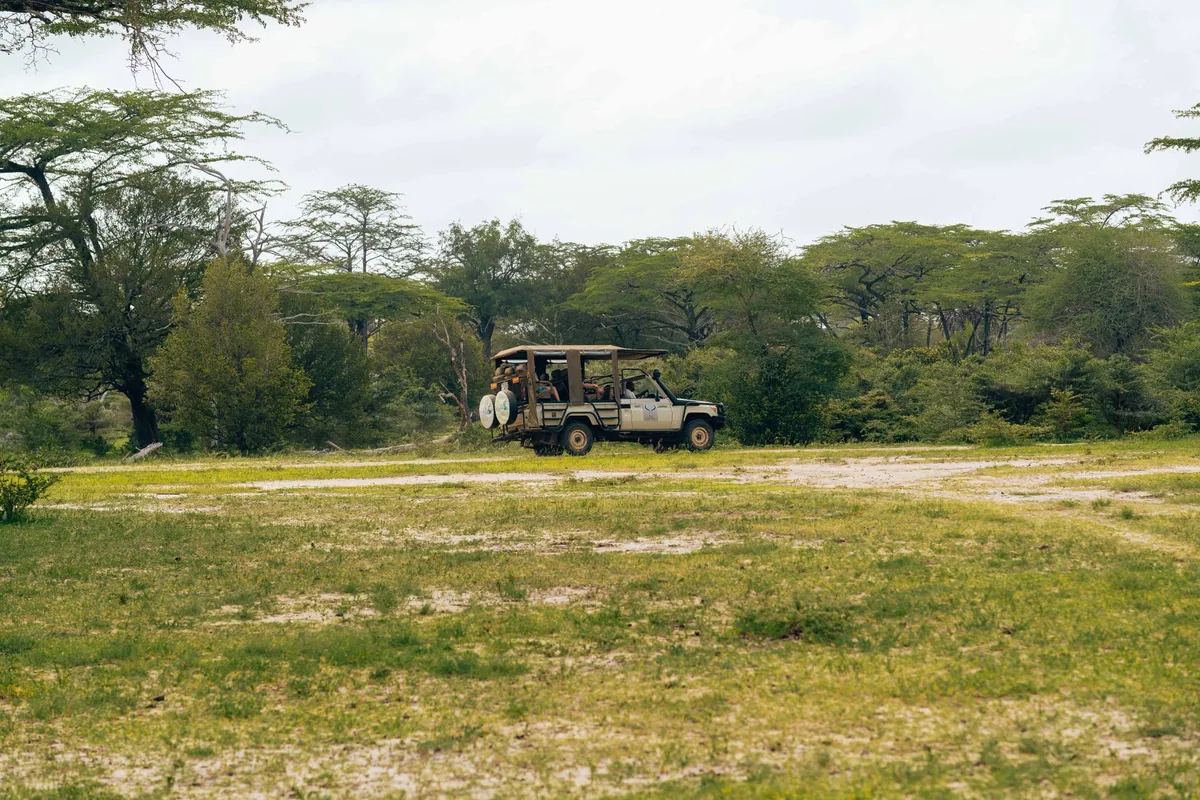
Intrepid Travel channels capital through a dedicated carbon fund to execute tangible decarbonization where guests can see it during their itineraries [1]. According to Skift, projects financed by this fund include the deployment of electric vehicles for tours in Africa and the installation of solar panels at remote base camps [1]. Wade stressed that guests need clear evidence that sustainability actions are actively happening rather than remaining theoretical statements [1]. He also argued that operators assume sustainability always carries a cost premium, whereas the direct correlation between consumer pricing and carbon efficiency is not close [1].
How is political pushback and operational technology affecting growth?
Despite noting that the current political environment in the United States is disappointing and has set the broader sustainability agenda back, Wade stated that Intrepid will maintain its trajectory after 30 years of operational practice [1]. Intrepid connects community, staff, and environmental investments directly to continued business growth [1]. Alongside sustainability initiatives, Intrepid has deployed artificial intelligence across 19 internal workflow areas to drive operational productivity [1]. However, Wade stated that digital automation does not alter Intrepid's core business model as a last-mile operator, noting that higher digital engagement drives travelers to seek real-life, on-the-ground experiences [1].
Reported by
This article was written from the following reporting. Follow the links for the original coverage.
Frequently asked
+What is Intrepid Travel's target for emissions reduction?
Intrepid Travel is committed to cutting greenhouse gas emissions by 8% per passenger per day by 2030 across its global itineraries, as reported by Skift.
+Why does Intrepid track flights it does not sell?
Intrepid measures non-transacted customer flights to capture its full cradle-to-grave footprint, despite science-based targets not requiring accounting for third-party transport outside direct transactions.
+How does cradle-to-grave tracking change travel itineraries?
To lower transit emissions, Intrepid redesigns its product portfolio to offer trips closer to source markets, such as offering American travelers itineraries in Mexico instead of Morocco.
+What projects are financed by Intrepid's carbon fund?
Intrepid's carbon fund finances guest-facing decarbonization initiatives, including deploying electric vehicles for African operations and installing solar panel systems at remote camps.
+How is artificial intelligence used inside Intrepid Travel?
Intrepid has implemented artificial intelligence across 19 workflow areas to increase internal productivity, though management notes it does not change its role as a last-mile ground operator.
Keep reading
Our reporting


More in sustainability