Hilton Unveils All-Electric Home2 Suites Prototype
The optional clean energy prototype cuts annual utility bills up to 40% and eliminates operational emissions for U.S. developers.
The short answer
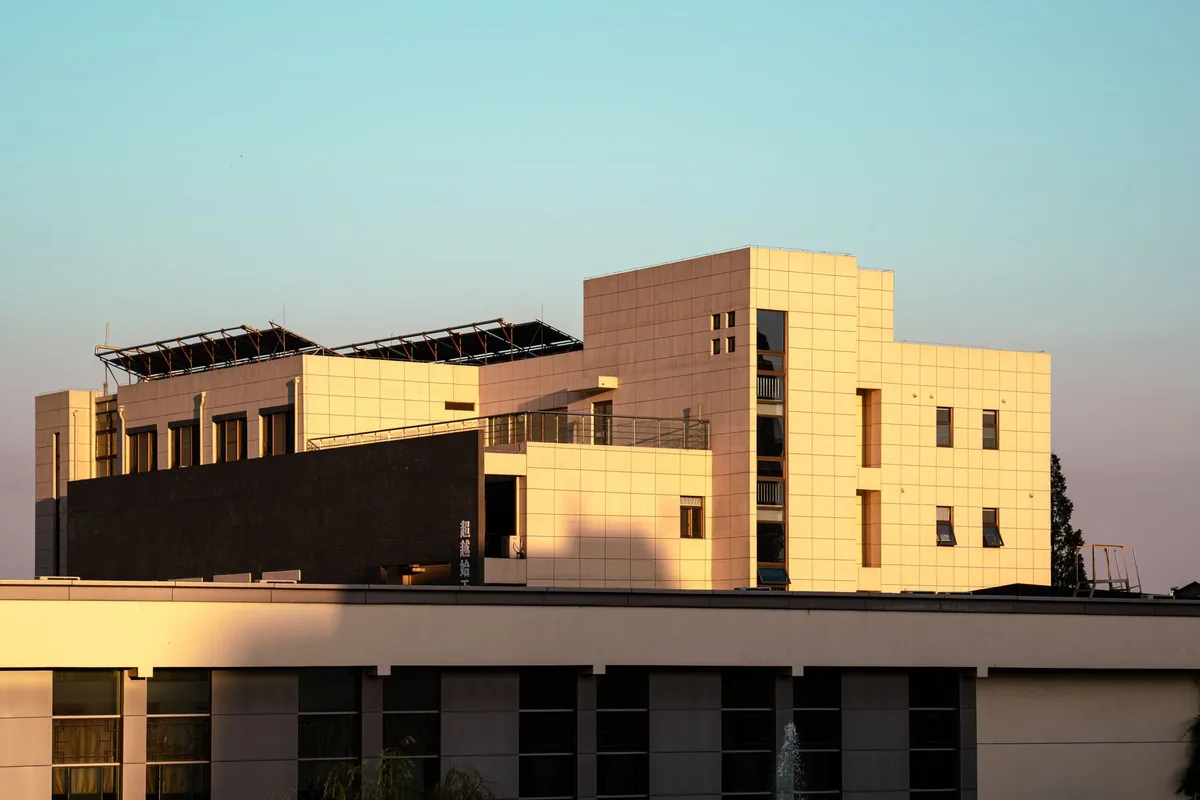
Hilton has launched an optional, all-electric Home2 Suites prototype for U.S. developers designed to cut annual energy costs by up to 40%. The turnkey model eliminates operational emissions through enhanced building envelopes and renewable energy.
“Our owners, many of whom operate small businesses, are facing rising energy costs and are looking for a turnkey option to lower operating expenses, improve energy efficiency and reduce emissions.”
The short version
- Hilton launched an optional all-electric Home2 Suites prototype designed with zero operational emissions.
- American Hotel & Lodging Association figures show U.S. hotel utility overhead grew 28% over the past five years.
- 13 municipal markets were modeled to demonstrate energy cost savings ranging from 18% to 40%.
Hilton has introduced the Home2 Suites Clean Energy Prototype, an optional all-electric design package for U.S. developers that cuts annual operational energy costs by 18% to 40% [1]. Engineered with zero operational emissions, the model combines on- and off-site renewable power, enhanced building envelopes, and fully electrified equipment to insulate owners against utility inflation [[1], [2]].
Why did Hilton introduce an all-electric extended-stay prototype?
Hilton rolled out the clean energy building blueprint directly in response to steep spikes in energy pricing across the hospitality sector [1]. According to the American Hotel & Lodging Association, U.S. hotel utility expenses climbed 28% over the past five years [1]. Hotel Business reported that the optional, turnkey model was engineered to address evolving energy markets and supply practical sustainability tools to owners [1].
The package marks Hilton's first widely available prototype engineered around zero operational emissions [[1], [2]]. As reported by Lodging Magazine, the program aligns with Hilton’s broader Travel with Purpose framework, offering an avenue for owners—many of whom run small businesses—to lower property-level expenses while meeting shifting brand standards across its global portfolio of more than 9,400 hotels [[1], [2]].
What cost savings and performance gains does the design deliver?
The clean energy model cuts annual operational energy expenses by 18% to 40% relative to a baseline property relying on natural gas or nonrenewable electricity [1]. Hilton confirmed these projections using a detailed modeling analysis executed across 13 U.S. cities [[1], [2]].
Across those municipal test models, the company demonstrated that the design improves overall energy efficiency by 30% while reducing operational carbon output by 440 metric tons [1]. In addition to reducing ongoing electricity overhead, the architectural enhancements and lowered operating liabilities support higher overall property valuations for hotel owners over the life of the asset [[1], [2]].
| Metric Evaluated | Projected Impact | Baseline Comparison |
|---|---|---|
| Annual Energy Cost Savings | 18% to 40% reduction | Standard Home2 Suites using natural gas/grid power |
| Overall Energy Efficiency | 30% increase | Standard Home2 Suites prototype |
| Operational Carbon Footprint | 440 metric tons avoided | Standard fossil-fuel powered prototype |
| Operational Emissions Scope | Zero operational emissions | Standard mixed-fuel hotel baseline |
| Five-Year U.S. Lodging Utility Inflation | 28% increase across U.S. hotels | AHLA historical utility data |
Which engineering features drive the prototype's efficiency?
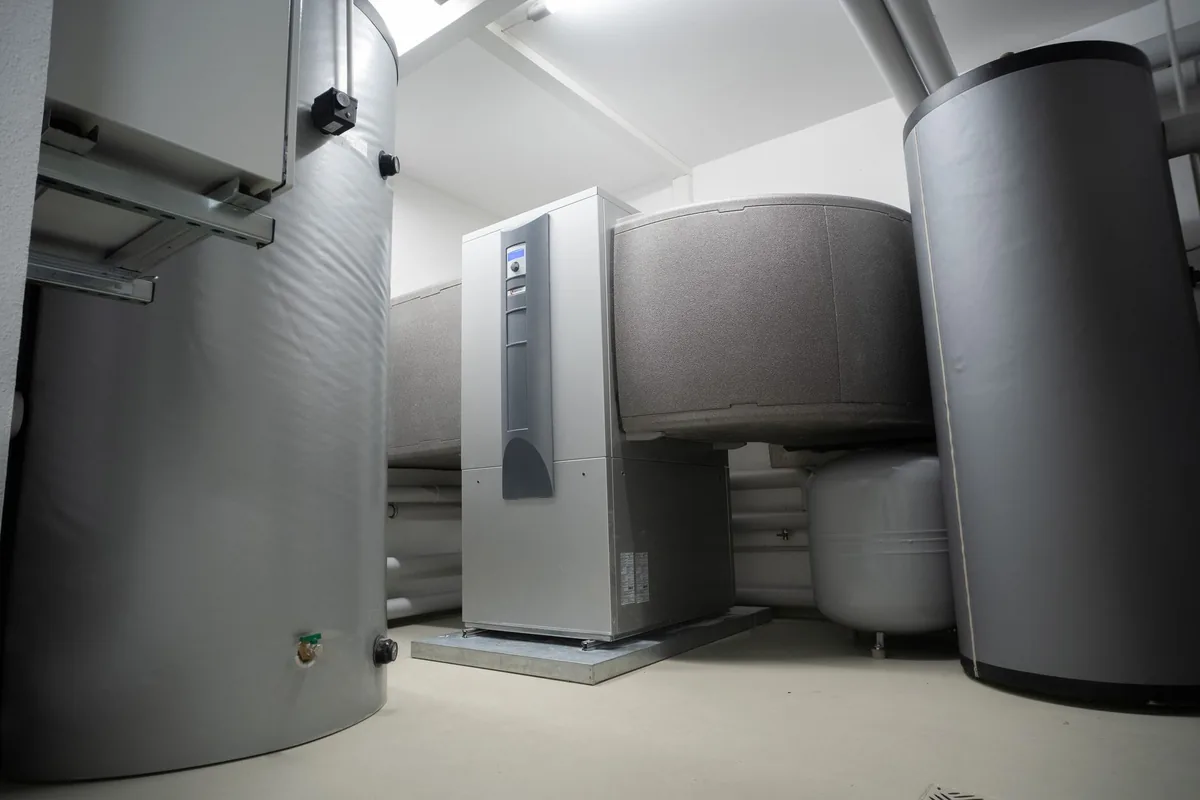
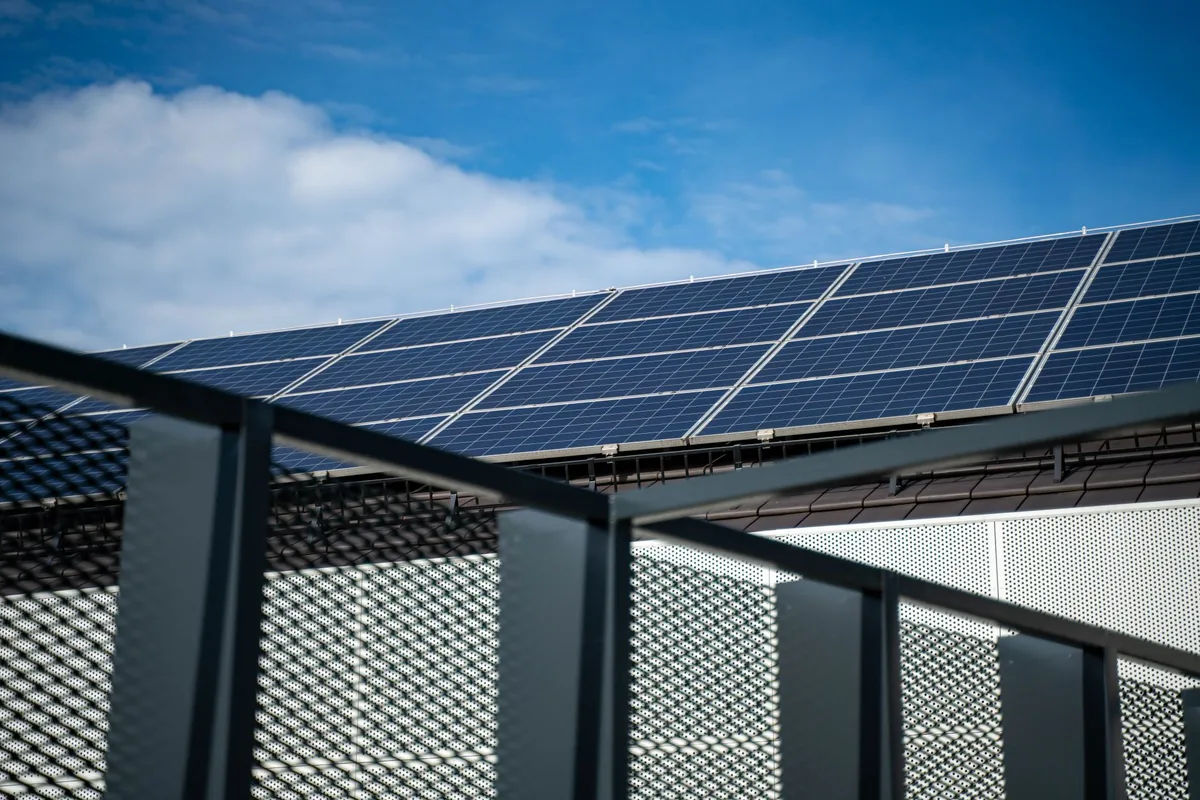
The design package combines an upgraded building envelope, fully electrified mechanical equipment, and a blend of on-site and off-site renewable power sources to eliminate on-property fossil fuel consumption [[1], [2]]. By removing natural gas connections, the building mitigates exposure to volatile commodity heating markets [1].
The physical footprint incorporates Energy Star-rated appliances throughout the extended-stay guest suites, along with LED lighting and energy-efficient roofing materials [[1], [2]]. Water-conscious landscaping and saline swimming pools lower utility and maintenance loads, while operational standards mandate reusable dishware to cut property waste streams [[1], [2]].
How do extended-stay guest preferences factor into the rollout?
Guest demand for lower-impact lodging options played a central role in formulating the new extended-stay offering [[1], [2]]. Brand research reveals that more than half of surveyed guests consider resource preservation for future generations an important factor in their travel decisions [[1], [2]].
Talene Staab, brand leader for Home2 Suites by Hilton, noted that the brand's footprint provides a wide platform to scale energy reduction while maintaining the core suite amenities extended-stay patrons expect [[1], [2]]. The brand retains its flexible layout, allowing developers to adapt physical features to local site constraints without altering guest-facing spaces [1].
Reported by
This article was written from the following reporting. Follow the links for the original coverage.
- [1]Hilton Launches Clean Energy Home2 Suites Prototype— Hotel Business
- [2]Hilton Launches Clean Energy Home2 Suites Prototype— Lodging Magazine
Frequently asked
+What is the Home2 Suites Clean Energy Prototype?
It is an optional, turnkey hotel prototype for U.S. developers that pairs all-electric systems, renewable power, and an enhanced building envelope to reach zero operational emissions.
+How much can hotel owners save on energy costs?
Based on Hilton's analysis across 13 U.S. cities, the prototype is expected to reduce annual energy costs by 18% to 40% compared to traditional models using natural gas or nonrenewable electricity.
+Why did Hilton develop an all-electric hotel prototype?
The model addresses rising operational costs after American Hotel & Lodging Association data revealed U.S. hotel utility expenses surged 28% over the past five years.
+What carbon reductions does the prototype achieve?
The prototype avoids 440 metric tons of operational carbon emissions per hotel compared to standard models utilizing traditional energy sources like natural gas.
+What physical features are included in the new prototype?
The specifications feature energy-efficient roofing, an enhanced envelope, Energy Star appliances, LED lighting, saline pools, water-conscious landscaping, and reusable dishware.
+Is the clean energy prototype mandatory for Home2 Suites franchisees?
No, the clean energy model is an optional, turnkey offering designed for U.S. hotel owners and developers looking to lower operating costs and emissions.
Keep reading
Our reporting
More in sustainability