Intrepid Adds Customer Flights to Carbon Footprint Accounting
Intrepid Travel relaunched its climate playbook to incorporate customer flight emissions across total product lifecycles.
The short answer
Intrepid Travel has overhauled its climate reporting by incorporating customer flight emissions into its lifecycle footprint. Chairman Darrell Wade outlined the operational and governance logic behind the change in an interview with Skift.
“flights are the largest emitter in our overall product, regardless of who books those flights themselves, we’re ultimately responsible for creating that demand.”
The short version
- Intrepid Travel relaunched its climate playbook in January 2026 to incorporate customer flight emissions.
- Intrepid applies a ten-year decision-making horizon rather than following quarterly market reporting expectations.
- Intrepid counts approximately 1,000 staff members as employee shareholders across its global business.
Intrepid Travel has altered its environmental reporting by incorporating customer flights into its carbon footprint calculations, as reported by Skift [1]. Co-founder and chairman Darrell Wade stated that the operator relaunched its climate playbook in January 2026 to measure total product lifecycle emissions, accepting responsibility for the air travel demand its trips generate [1].
Why did Intrepid alter its climate emissions boundary?
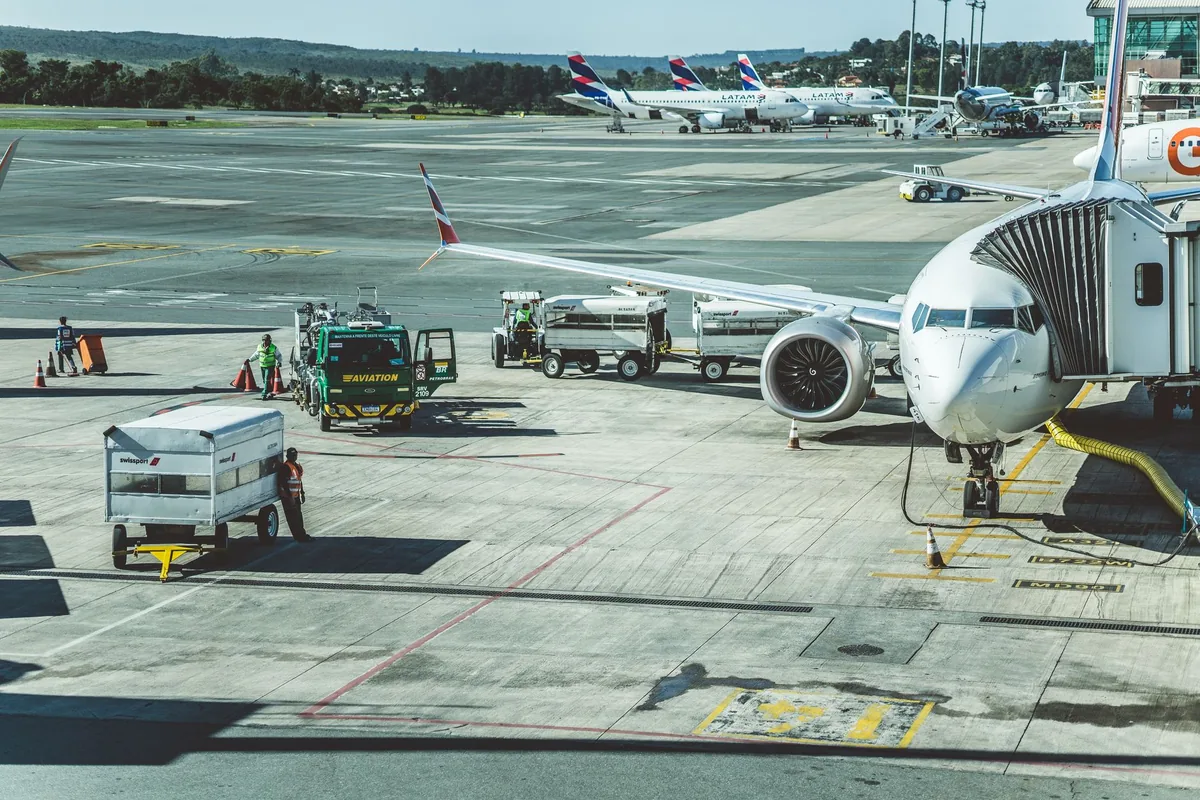
Intrepid expanded its carbon accounting scope because customer transit flights represent the largest emissions source across its vacation inventory [1]. Standard practices among tour operators historically omitted passenger flights to and from travel destinations [1].
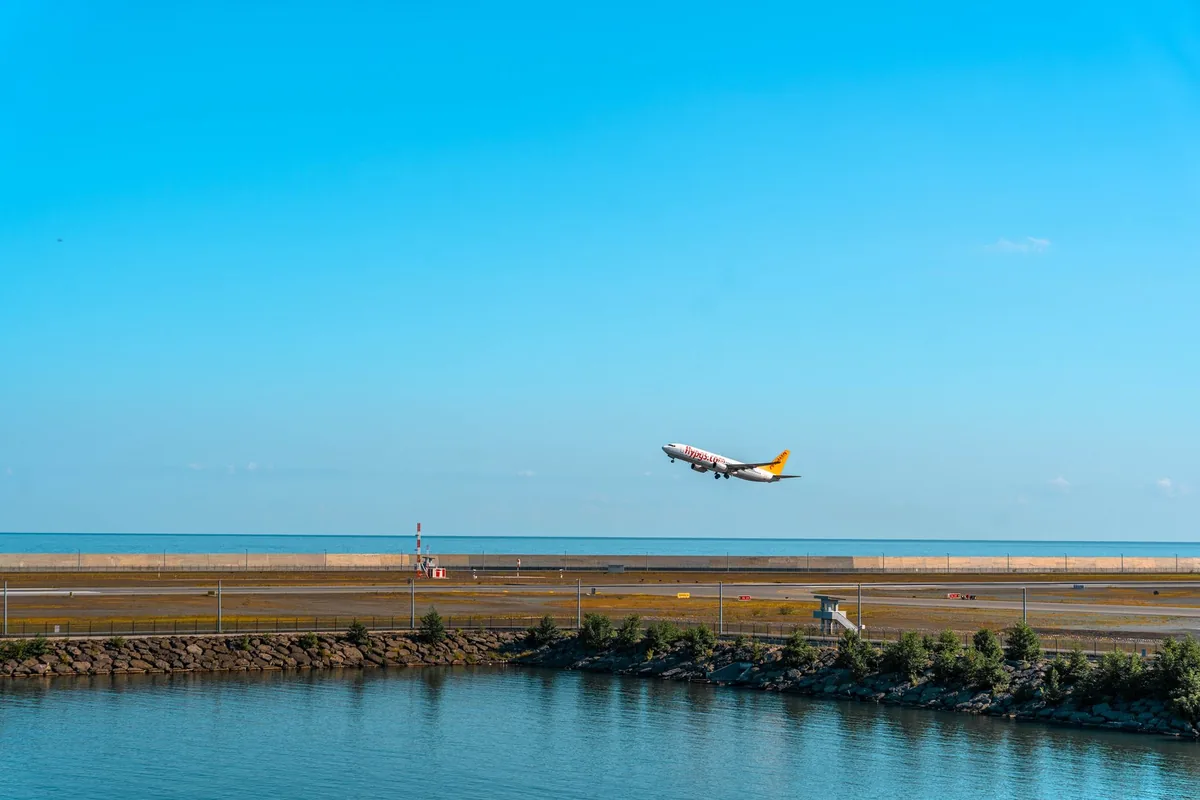
According to Skift, Wade argued that creating trip demand creates direct responsibility for the resulting aviation emissions, regardless of whether guests or the tour company book the tickets [1]. Intrepid moved away from relying strictly on carbon offsets and narrow technical boundaries to establish a total product lifecycle target [1].
What changes distinguish the revised climate playbook?
The revised strategy replaces traditional offset mechanisms with direct investments in decarbonisation programs around the globe [1]. Intrepid implemented the structural shift in January 2026 after evaluating the broader impact of international customer travel [1].

| Reporting Element | Historic Industry Model | Intrepid Revised Standard (2026) |
|---|---|---|
| Scope Boundary | Excludes customer flights booked independently [1] | Total product lifecycle including all transit flights [1] |
| Primary Mechanism | Carbon offsets and technical targets [1] | Direct investments in decarbonisation projects [1] |
| Corporate Planning Cycle | Quarterly public market benchmarks [1] | Ten-year horizon as a private enterprise [1] |
| Target Accountability | Direct operational emissions only [1] | Full demand-generation footprint [1] |
Wade noted that the earlier approach was not incorrect under baseline metrics, but it sidestepped the primary source of environmental damage [1]. The updated structure directs capital toward active carbon reduction rather than standard credit purchasing [1].
How does ownership structure affect environmental reporting choices?
Operating as a privately owned enterprise enables Intrepid to evaluate investments across ten-year time horizons rather than quarterly public reporting cycles, according to Wade [1]. Wade confirmed he filters major operational decisions through a single internal benchmark: whether leadership will be proud of the outcome in ten years [1].
This framework integrates partners, local communities, and ecological factors alongside shareholders [1]. Intrepid balances these competing interests deliberately, recognizing that taking ownership of complete flight emissions introduces higher decarbonisation expenses than those borne by competing operators that maintain narrower boundaries [1].
How is wealth distribution integrated into Intrepid’s operations?
Intrepid combines its environmental framework with economic development programs aimed at poverty alleviation across its global operating destinations [1]. Wade stated that travel operators have an underutilized capacity to function as wealth creation mechanisms for regional workforces [1].
The company targets economic distribution through three channels: earning opportunities for tour leaders, growth pipelines for regional destination suppliers, and an employee equity system [1]. Intrepid has expanded its employee shareholder base to approximately 1,000 staff members worldwide [1].
Reported by
This article was written from the following reporting. Follow the links for the original coverage.
Frequently asked
+Why is Intrepid including customer flights in its footprint?
Intrepid altered its policy because customer air travel represents the largest emission source linked to its trips. Chairman Darrell Wade told Skift that generating tour demand makes the company responsible for transit emissions, regardless of ticketing arrangements.
+When did Intrepid implement this climate strategy change?
Intrepid relaunched its corporate climate playbook in January 2026, transitioning to a total product lifecycle target that encompasses traveler transit flights.
+How does Intrepid address emissions under the updated policy?
Rather than relying predominantly on carbon offsets and standard technical targets, Intrepid directs capital toward decarbonisation projects across the world to mitigate lifecycle trip impacts.
+What decision-making test does Intrepid apply to operational choices?
Intrepid evaluates major corporate actions by asking whether the company will be proud of the choice in ten years, using its private ownership status to bypass quarterly pressures.
+How many employee shareholders does Intrepid have?
Intrepid currently maintains approximately 1,000 employee shareholders who participate in the company's equity programs across its international operations.
Keep reading
Our reporting


More in sustainability