Novotel Expands WWF Alliance to Protect Australian Whales
Accor's Novotel brand joins WWF-Australia to fund Blue Corridors migration research and back Southern Hemisphere marine protection targets.
The short answer
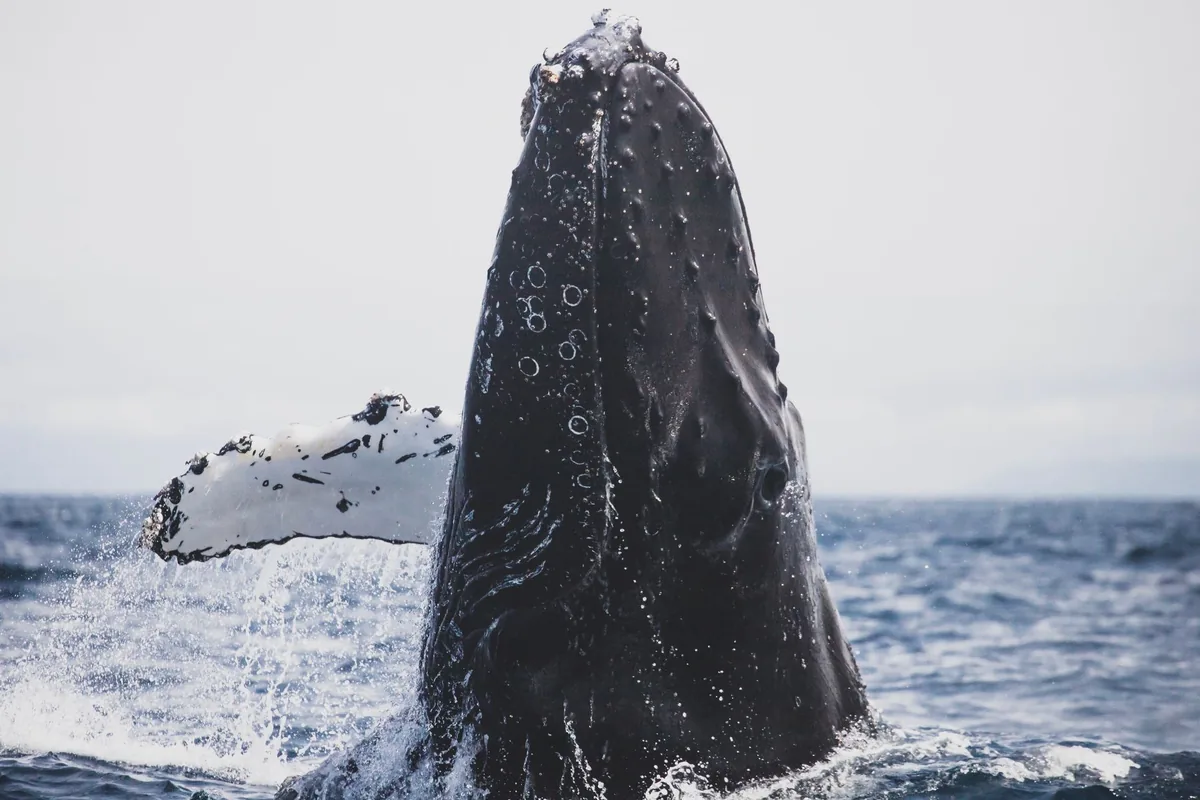
Novotel has expanded its global WWF partnership to Australia to support research and protection for whale migration routes known as Blue Corridors. The initiative backs WWF-Australia's target to protect 100 million hectares of ocean in the Southern Hemisphere.
“Blue corridors are more than just migration routes, they’re lifelines connecting the ocean’s giants to the habitats they depend on.”
The short version
- Novotel expanded its global WWF partnership into Australia to protect whale Blue Corridors across the Pacific.
- WWF-Australia targets the protection of 100 million hectares of ocean across the Southern Hemisphere.
- Novotel has eco-certified 80% of its Australian properties and trained over 1,600 kitchen staff globally in sustainable seafood.
Novotel has expanded its global conservation partnership with WWF into Australia to protect whale migration pathways known as Blue Corridors, eHotelier reported [1]. The regional launch supports WWF-Australia's ambition to protect 100 million hectares of ocean in the Southern Hemisphere, aligning with the worldwide goal to safeguard 30 percent of the planet's oceans by 2030 [1].
What is the WWF-Australia Blue Corridors project?
The WWF-Australia Blue Corridors initiative focuses on mapping and protecting migratory pathways that whales and marine wildlife use between feeding, breeding, and resting habitats [1]. These marine superhighways face rising pressures from shipping traffic, underwater noise, pollution, commercial fishing activity, and climate change [1].

According to eHotelier, Novotel's support will fund efforts to close data gaps for marine mammals, enhance scientific mapping tools on platforms like BlueCorridors.org, and advance conservation advocacy across Australian waters and the Western Pacific [1]. The project incorporates scientific data along with the knowledge and stewardship of Traditional Owners, Indigenous peoples, and local communities to identify high-value marine areas needing protection, such as the waters surrounding Lord Howe Island [1].
How does the Australian launch fit Novotel's global commitments?
This initiative represents the first local market expansion of Novotel's global WWF alliance established in 2024 under the platform Together for Oceans Protection [1]. The brand's international ocean strategy operates across four main pillars: reducing operational impacts, offering sustainable food options, raising guest and team awareness, and contributing to scientific research [1].
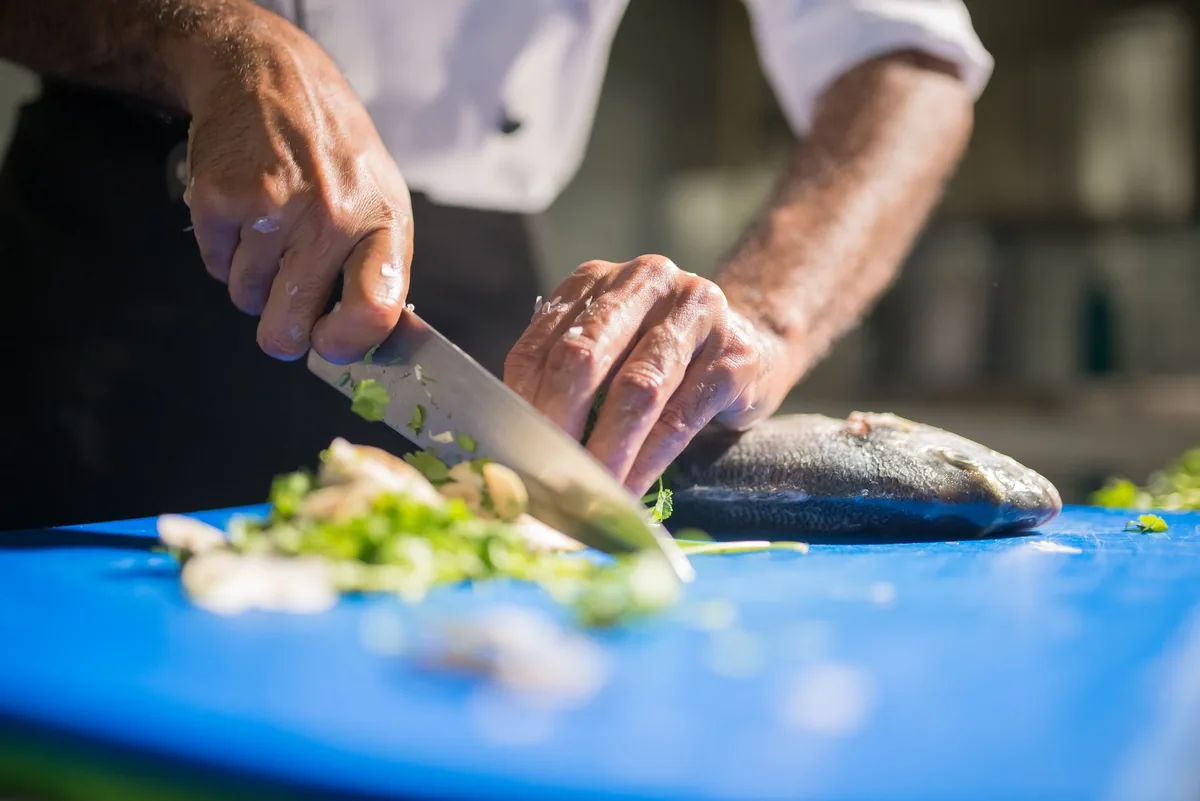
Adrian Williams, Chief Operating Officer for Accor Pacific, stated that the brand aims to extend guest stewardship beyond hotel stays to protect marine ecosystems across the Pacific region [1].
What operational benchmarks has Novotel achieved across its hotels?
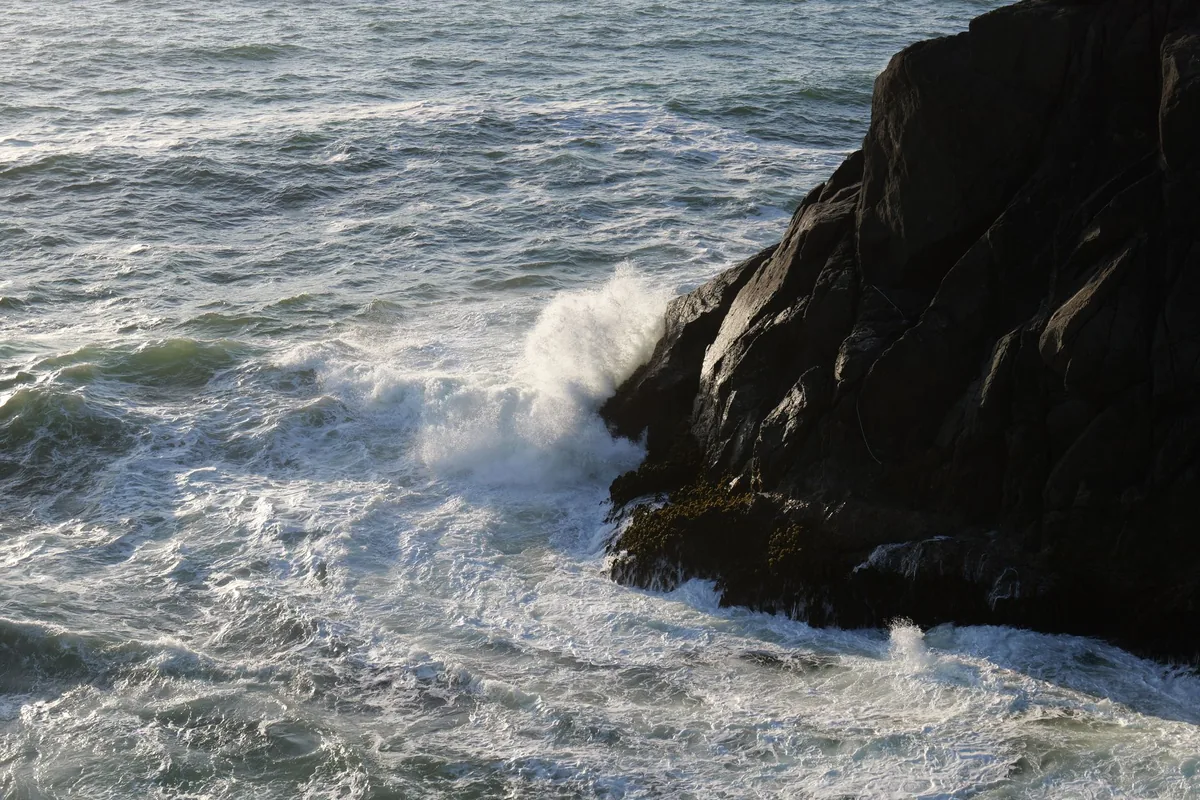
Novotel's second Ocean Impact Report demonstrates progress across its international network of more than 600 properties, eHotelier reported [1]. Local and global operational metrics highlight shifts in plastic reduction, eco-certifications, and staff sustainability training [1].
| Metric / Operational Benchmark | Scope | Reported Achievement |
|---|---|---|
| Compliance with Accor's single-use plastic policy | Australia | 90% of hotels |
| Third-party eco-certification completed | Australia | 80% (20% in progress) |
| Chefs and kitchen staff completing WWF Sustainable Seafood Training | Global | More than 1,600 members |
| Hotel team members completing Ocean Awareness training | Global | More than 3,200 members |
Why are Australian marine corridors facing heightened risks?
Australia hosts more than 33,000 recorded marine species, with many species still unclassified by marine scientists [1]. However, industrial pressures, warming ocean temperatures, plastic pollution, and overfishing place these environments under compounding strain [1].
WWF-Australia CEO Dermot O'Gorman highlighted that healthy whale populations maintain ocean balance, regulate global climate systems, and protect coastal food supplies [1]. The Blue Corridors initiative aims to safeguard these habitats from cumulative human threats by establishing collaborative protections across governments, scientists, and industry partners [1].
Reported by
This article was written from the following reporting. Follow the links for the original coverage.
Frequently asked
+What is Novotel's goal in partnering with WWF-Australia?
Novotel is backing the Blue Corridors initiative to study and safeguard whale migration routes, helping WWF-Australia advance its target to protect 100 million hectares of Southern Hemisphere ocean.
+When did Novotel initially launch its global partnership with WWF?
Novotel established its worldwide partnership with WWF in 2024 under the Together for Oceans Protection platform, with Australia serving as its first local market expansion.
+What operational sustainability progress has Novotel achieved in Australia?
In Australia, 90 percent of Novotel hotels comply with Accor's single-use plastic policy, and 80 percent have achieved third-party eco-certification, with the remaining 20 percent in progress.
+How many hotel staff members have completed ocean-related training globally?
Globally, over 1,600 kitchen team members have completed WWF Sustainable Seafood Training, and more than 3,200 hotel employees have completed Ocean Awareness training across the Novotel network.
+What threats do whale migration corridors face?
Whale migration pathways, or Blue Corridors, face increasing threats from shipping traffic, underwater noise, plastic pollution, commercial fishing operations, and rising ocean temperatures caused by climate change.
Keep reading
Our reporting

More in sustainability