Unifying POS and Guest Data to Drive Non-Room Spend
Hotels miss re-engaging 20% of guests by isolating POS transactions, while modern integrations link ancillary charges directly to stays.
The short answer
Fragmented systems cause hotels to miss re-engaging up to 20 percent of guests by ignoring non-room spend. Direct POS integrations and unified data platforms bridge the gap between accommodation and ancillary outlets.

The short version
- Ireckonu research shows hotels miss re-engaging up to 20 percent of guests by leaving operational data disconnected.
- Operational outlets like restaurants and spas account for up to 22 percent of transactions, while room details represent only 28 percent of guest activity.
- Cloudbeds integrated Oolio's Bepoz, Swiftpos, and Idealpos platforms to automate charge posting and guest verification across more than 22,000 venues.
Integrating point-of-sale systems directly with property management and guest data platforms allows hoteliers to capture non-room spend by posting restaurant, bar, and ancillary charges instantly to a central folio while aggregating operational transactions into unified profiles. This eliminates disconnected billing, verifies guest details at the point of purchase, and creates records needed to drive repeat visits [[1], [2]].
Why does fragmented non-room data hurt hotel performance?
Disconnected transaction data blinds commercial teams to what guests spend beyond their nightly room rate. According to Lodging Magazine, research conducted by Ireckonu revealed that hotels lose the chance to re-engage up to 20 percent of guests simply because their data systems remain fragmented [2]. Many properties track only basic room booking details [2]. Room bookings often account for just 28 percent of overall guest activity [2].
Meanwhile, operational outlets such as restaurants, bars, and spas generate up to 22 percent of all transactions [2]. When those departments run on standalone registers or isolated point-of-sale platforms, commercial teams never connect the patron at the dinner table to the guest residing upstairs. This blind spot hampers efforts to build personalized offers, target marketing campaigns, and reinforce customer loyalty [2].
How do modern POS integrations link stays and dining spend?
Direct application programming interface integrations automatically post charges from food and beverage registers onto the central guest folio in real time. eHotelier reported that Cloudbeds formed a partnership with Australian technology provider Oolio to bridge accommodation and food and beverage workflows [1]. The integration links Cloudbeds directly with Oolio platforms, specifically Bepoz, Swiftpos, and Idealpos [1].
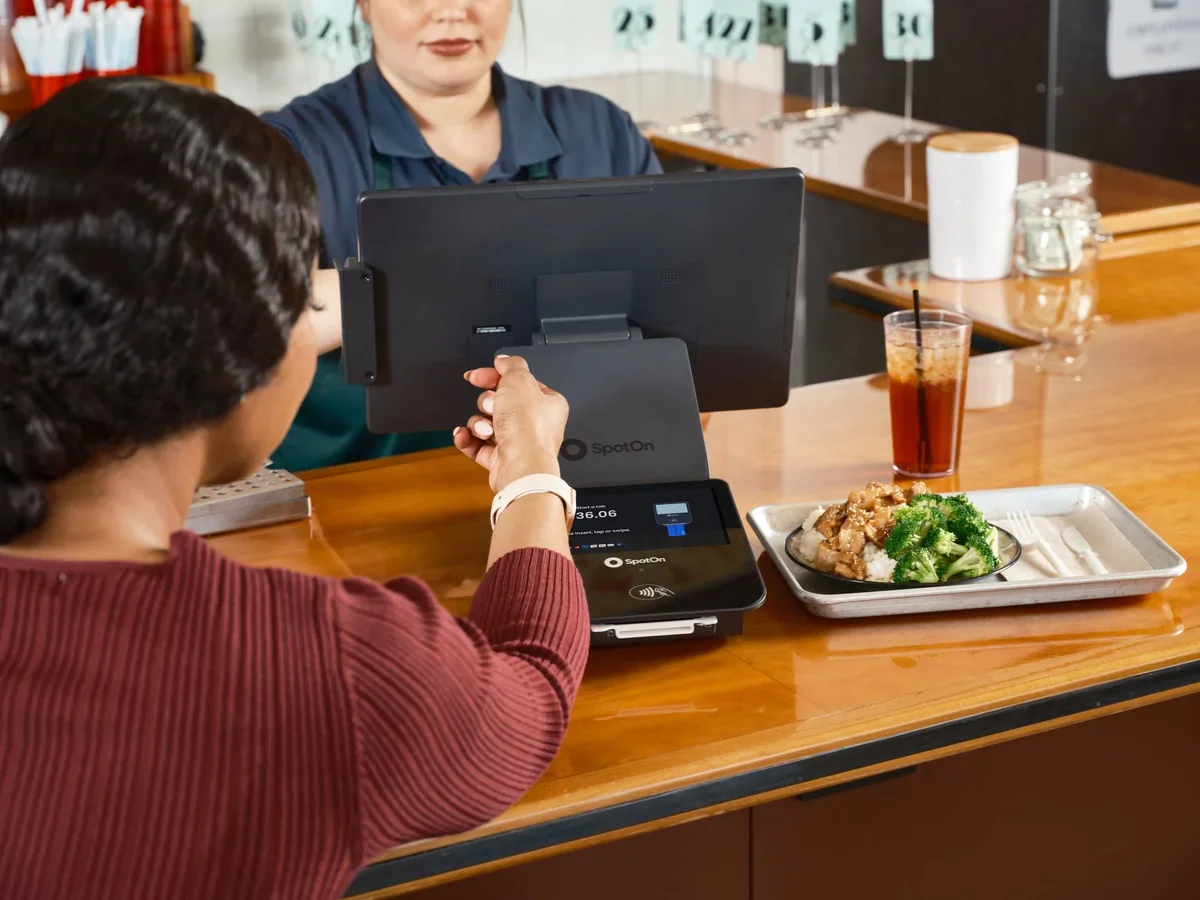
Oolio powers more than 22,000 venues across Australia, encompassing resorts, pub groups, independent hotels, and multi-venue operators [1]. Through the direct connection, front-line staff can verify guest names and room numbers on the point of sale before posting any bill to a room [1]. This check prevents mismatched billing errors and stops personnel from having to manually re-enter receipts across separate software setups [1].
What transactional data points are hotels missing?
Properties that record solely room reservations miss the majority of guest engagements across a property. A breakdown of guest activity identified by Ireckonu highlights the disparity between accommodation records and on-property interactions [2]:
| Guest Activity or Transaction Type | Share of Guest Activity / Transactions | Commercial Impact Reported |
|---|---|---|
| Room booking details only | 28% of guest activity | Captured by standard PMS; leaves other guest habits unrecorded [2] |
| Operational transactions (restaurants, spas) | Up to 22% of transactions | Disconnected data causes properties to miss re-engaging up to 20% of guests [2] |
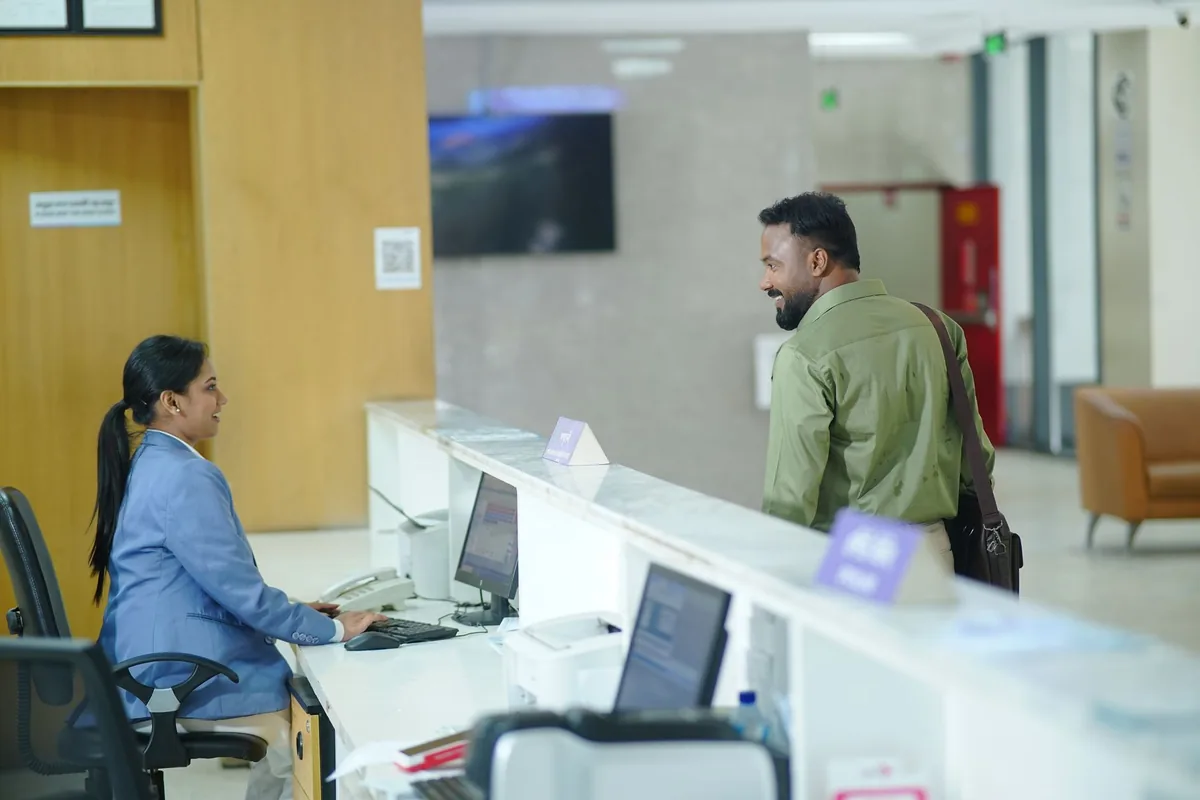
As the figures demonstrate, neglecting operational revenue centers leaves more than a fifth of transactional behavior entirely unrecorded in guest relationship profiles [2]. Unifying these touchpoints bridges that information divide.
How does real-time billing reduce front-desk reconciliation?
Automating transaction handoffs cuts out the manual night-audit corrections that cause friction at checkout. In properties lacking direct point-of-sale links, restaurant slips and bar receipts pile up for delayed batch processing, which invites clerical mistakes during peak service periods [1].
By integrating systems like Bepoz, Swiftpos, and Idealpos with Cloudbeds, the data flows instantaneously to the guest stay record [1]. As Kris Satish, Group CEO at Oolio, noted, connecting technology systems directly removes manual steps between rooms and food and beverage departments while simplifying property-wide guest management [1]. Operational teams no longer re-enter itemized charges, and guests experience seamless folio settlement upon departure [1].
What steps build a reliable guest profile from on-site spend?
Establishing an accurate guest profile requires consistent data governance across every digital and operational touchpoint. In separate research reported by Lodging Magazine, Ireckonu noted that properties must ensure continuity across their booking engine, property management system, loyalty database, and on-site point of sale [2].
Technology alone does not resolve the fragmentation problem [2]. Hanna Schiller, vice president of sales at Ireckonu, emphasized that properties must focus on cleaning, matching, and merging information as it enters their platforms [2]. When transactions from food, beverage, and ancillary amenities are verified and merged into a single profile, commercial teams gain a dependable view of customer habits from check-in to dining, creating the foundation for automated re-engagement [2].
Reported by
This article was written from the following reporting. Follow the links for the original coverage.
- [1]Cloudbeds Integrates Oolio to Unify Hotel and F&B Billing— eHotelier
- [2]Ireckonu: Fragmented Data Costs Hotels 20% in Re-Engagement— Lodging Magazine
Frequently asked
+How much guest activity is tracked through room bookings alone?
According to Ireckonu research, room booking details often account for only 28 percent of overall guest activity, meaning the majority of on-property engagement occurs outside basic reservation tracking.
+What proportion of hotel transactions occur in operational outlets like F&B?
Operational departments like restaurants, bars, and spas generate up to 22 percent of hotel transactions, representing an opportunity to record guest preferences and encourage loyalty.
+How does data fragmentation affect guest re-engagement?
Hotels miss out on the opportunity to re-engage up to 20 percent of guests due to fragmented data management that fails to capture on-property spending across touchpoints.
+Which POS platforms integrated directly with Cloudbeds?
Cloudbeds partnered with Australian technology firm Oolio to integrate with Bepoz, Swiftpos, and Idealpos platforms across independent hotels, resorts, and pub groups.
+How does verifying guests at the POS benefit front-desk operations?
Verifying guest names and room numbers at the POS ensures charges post accurately to the Cloudbeds folio in real time, cutting manual re-entry and reducing billing errors during peak hours.
+What operational steps are needed to clean fragmented guest records?
Ireckonu advises hotel teams to implement consistency across PMS, booking engines, loyalty, and POS systems by actively cleaning, matching, and merging data under strict governance rules.
Keep reading
Our reporting

More in technology