Indian Hotel Rates Surge Up to 20% for Independence Day Weekend
Leisure and pilgrimage destinations report strong booking momentum and rate growth despite the August 15 holiday falling on a Saturday.
The short answer
Indian hotel rates are rising 10 to 20 percent year over year for the Independence Day weekend. Leisure and pilgrimage destinations report strong booking momentum despite the August 15 holiday falling on a Saturday.
The short version
- Hotel rates in key Indian leisure destinations are up 10 to 20 percent year over year for August 15.
- Taj Rishikesh Resort & Spa is charging about $620 including taxes for the holiday date.
- Premium hotel occupancy in India is expected to hold at 72 to 74 percent through fiscal 2027.
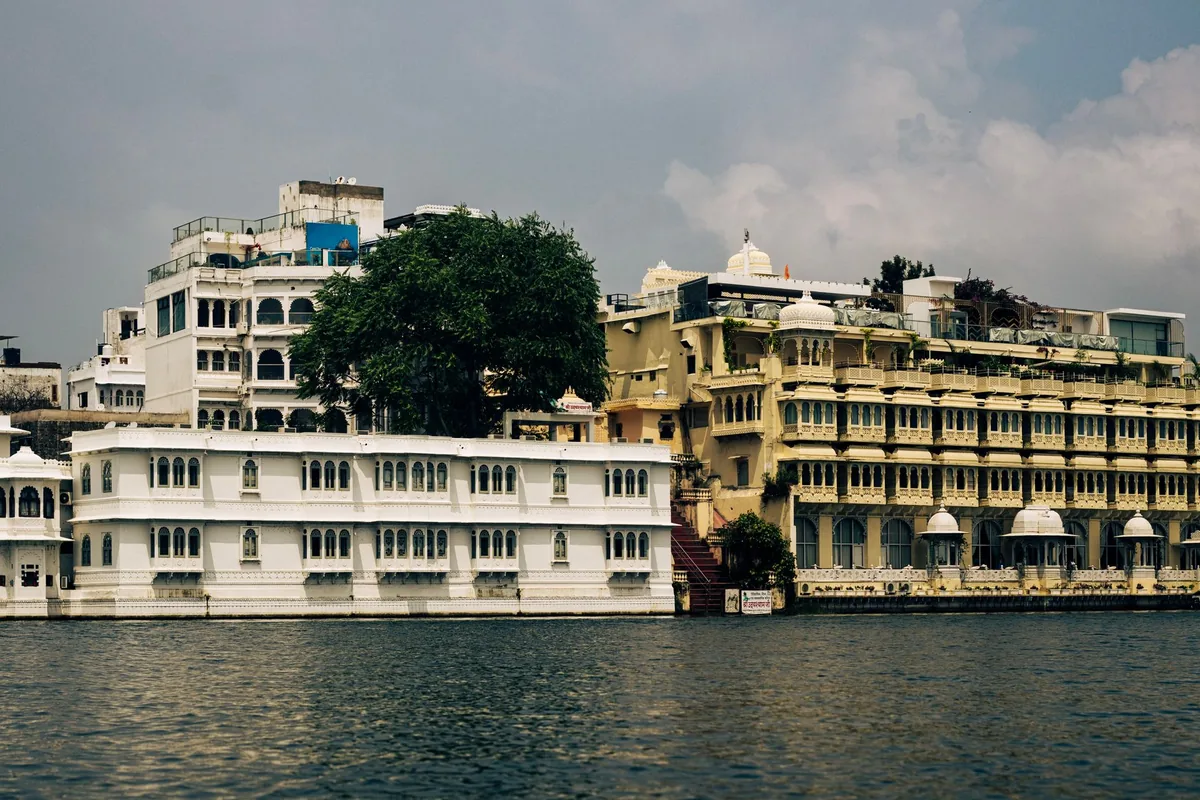
Indian hotel rates are rising 10 to 20 percent year over year for the Independence Day weekend, driven by strong leisure and pilgrimage demand. Despite August 15 falling on a Saturday, properties report higher bookings than last year, fueled by corporate professionals and regional travelers driving to nearby destinations.[1]
Why are bookings rising despite a Saturday holiday?
The calendar placement of August 15 on a Saturday has not deterred travelers. The Economic Times reported that hotels expect higher business than the same weekend last year.[1] Ashish Vohra, CEO of Justa Hotels & Resorts, noted that the period remains a long weekend for corporate professionals who ordinarily work on Saturdays.[1] Travelers from regions like Gujarat are expected to drive to nearby destinations such as Udaipur on Friday, August 14.[1] Justa, which operates more than 40 hotels across India, currently has 50 to 60 percent of its business on the books for August 15.[1] Vohra considers this volume healthy, noting that many travelers make last-minute bookings.[1]
Which destinations are capturing the most demand?
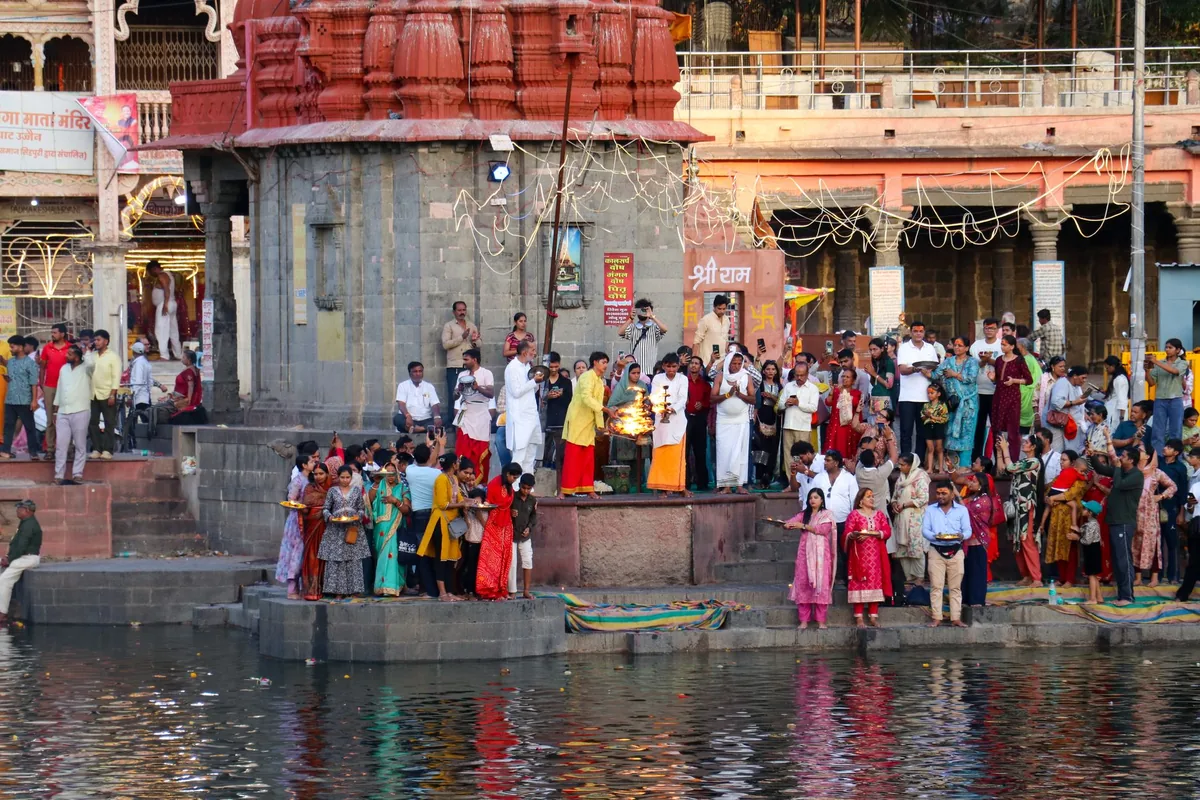
Leisure and pilgrimage markets are seeing sustained demand, with bookings tracking ahead of last year.[1] According to Nikhil Sharma, Radisson Hotel Group’s MD and COO for South Asia, leisure destinations including Goa, Udaipur, Jim Corbett, Manali, and Mussoorie continue to perform well.[1] Pilgrimage destinations such as Ayodhya and Ujjain are also experiencing sustained demand.[1] Animesh Kumar, commercial head of ibis and ibis Styles India, stated that leisure destinations, particularly Goa, are driving booking growth for their properties.[1]
How much are premium properties charging?
Pricing strength remains high across premium leisure destinations. Rates are up about 15 percent year over year for Justa's property in Udaipur, and Vohra noted that rates are up almost everywhere except for Manali.[1] Published rates on travel portals show The Leela Palace in Udaipur charging about $494, including taxes, for August 15.[1] Meanwhile, the Taj Rishikesh Resort & Spa is charging about $620, including taxes, for the same date.[1]
| Hotel Group / Organization | Reported Metric | Figure |
|---|---|---|
| Justa Hotels & Resorts | Rate increase (Udaipur) | 15 percent |
| Leisure Hotels Group | Rate increase | 20 percent |
| ibis and ibis Styles India | Booking increase | 10 percent |
| FAITH | Expected booking increase | 10-15 percent |
How does this compare to last year's performance?
Last year, Independence Day fell on a Friday, which traditionally supports long-weekend travel. However, travel sentiment remained subdued following the Pahalgam incident and amid ongoing geopolitical tensions, according to Shahzad Aslam, head of sales at Leisure Hotels Group.[1] Asian Hospitality reported that Leisure Hotels Group, which owns and operates 28 properties across 18 locations in India, has set rates for the upcoming Independence Day weekend about 20 percent above the same period last year.[1] Aslam noted that early booking trends indicate healthy demand, particularly in Corbett and Nainital, and that several comparable properties have already reported nearly 30 percent confirmed occupancy for the weekend.[1]
What is the long-term occupancy outlook for India?
The Federation of Associations in Indian Tourism & Hospitality expects hotel bookings to rise 10 to 15 percent over the August 15 weekend, according to its general secretary, Rajiv Mehra.[1] Looking further ahead, a recent ICRA report indicated that premium hotel occupancy in India is expected to remain at 72 to 74 percent in fiscal 2027.[1] This projection aligns with the expected occupancy levels for fiscal 2026.[1]
Reported by
This article was written from the following reporting. Follow the links for the original coverage.
- [1]Indian Hotel Rates Surge Up to 20% for Independence Day Weekend— asianhospitality.com
Frequently asked
+Why are Indian hotel rates rising for Independence Day?
Hotels are seeing strong demand from corporate professionals and regional travelers driving to nearby leisure and pilgrimage destinations, pushing rates up 10 to 20 percent year over year.[[1]]
+Which destinations are performing best?
Leisure markets like Goa, Udaipur, Jim Corbett, Manali, and Mussoorie, along with pilgrimage destinations such as Ayodhya and Ujjain, are seeing sustained demand.[[1]]
+How much are premium hotels charging in Udaipur?
The Leela Palace in Udaipur is charging about $494, including taxes, for August 15.[[1]]
+How do this year's bookings compare to last year?
Bookings are tracking ahead of last year, when travel sentiment was subdued due to the Pahalgam incident and geopolitical tensions.[[1]]
+What is the projected premium hotel occupancy for India in fiscal 2027?
Premium hotel occupancy in India is expected to remain at 72 to 74 percent in fiscal 2027, according to a recent ICRA report.[[1]]
Keep reading
Our reporting
More in operations