India's Tourism Sector to Hit $527 Billion by 2036
Driven by strong domestic spending, India's travel and tourism sector generated $263.6 billion in 2025 and is projected to become the world's fourth-largest tourism economy by 2036.
The short answer
India's travel and tourism sector generated $263.6 billion in 2025, growing faster than the global average. The WTTC projects the sector will double to $527 billion by 2036, making India the world's fourth-largest tourism economy.
“Through continued collaboration between government and the private sector, enhanced connectivity, seamless and secure travel experiences, and continued progress on visa facilitation, India can unlock even greater economic benefits for communities across the country.”
The short version
- India's tourism sector generated $263.6 billion in 2025, driven heavily by $203 billion in domestic spending.
- The WTTC projects the sector will double to $527 billion by 2036, elevating India to the fourth-largest tourism economy.
- International visitors stay an average of 18.5 days in India, highlighting opportunities for increased international spending.
India's travel and tourism sector generated $263.6 billion in 2025 and is on track to double to $527 billion by 2036, according to the World Travel & Tourism Council (WTTC) [1]. This growth trajectory is expected to elevate India from the 10th-largest tourism economy globally to fourth place over the next decade [1].
What is driving current tourism growth in India?
Domestic tourism forms the foundation of the sector's expansion, with domestic visitor spending reaching $203 billion in 2025 [1]. This accounted for 86 percent of total tourism expenditure in the country, growing by more than 10 percent year-on-year [1]. The overall travel and tourism sector grew by 7.3 percent in 2025, significantly outpacing the global average of 4.1 percent [1].
The sector's contribution to India's GDP stood at 6.6 percent in 2025, supporting 46.2 million jobs, which translates to more than one in 10 jobs nationwide, Asian Hospitality reported [1]. Looking ahead to 2026, the WTTC projects the sector will outperform the wider economy, with sector GDP expected to grow by 8.5 percent to reach $286.1 billion, and employment rising to 48.1 million [1].
Where does the opportunity for international growth lie?
While domestic spending dominates, international visitor spending accounted for approximately 14 percent of total tourism expenditure in 2025, indicating substantial room for India to capture a larger share of global travel demand [1]. The WTTC forecasts that international visitor spending will increase by almost 60 percent by 2036 [1].
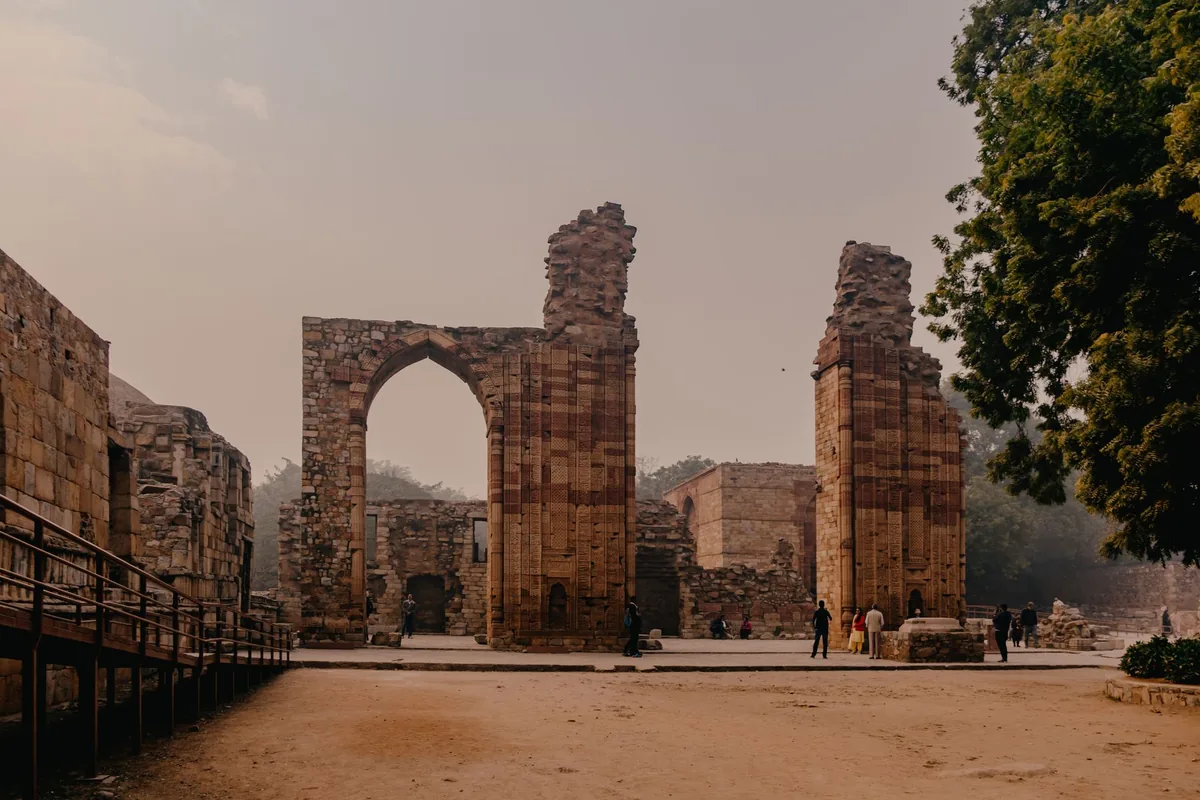
Currently, international visitors stay in India for an average of 18.5 days, which is among the longest average stays globally [1]. This extended duration reflects the country's diverse range of tourism experiences, including heritage, cultural, nature, and eco-tourism offerings that encourage longer visits and higher spending [1].
What infrastructure and policy changes are recommended?
To support this next phase of growth, the WTTC's "Economic Impact Research," sponsored by Chase Travel, outlined several key priorities [1]. These include improving visa facilitation, particularly e-visa processes, and expanding international air connectivity to enhance access from key overseas markets [1].
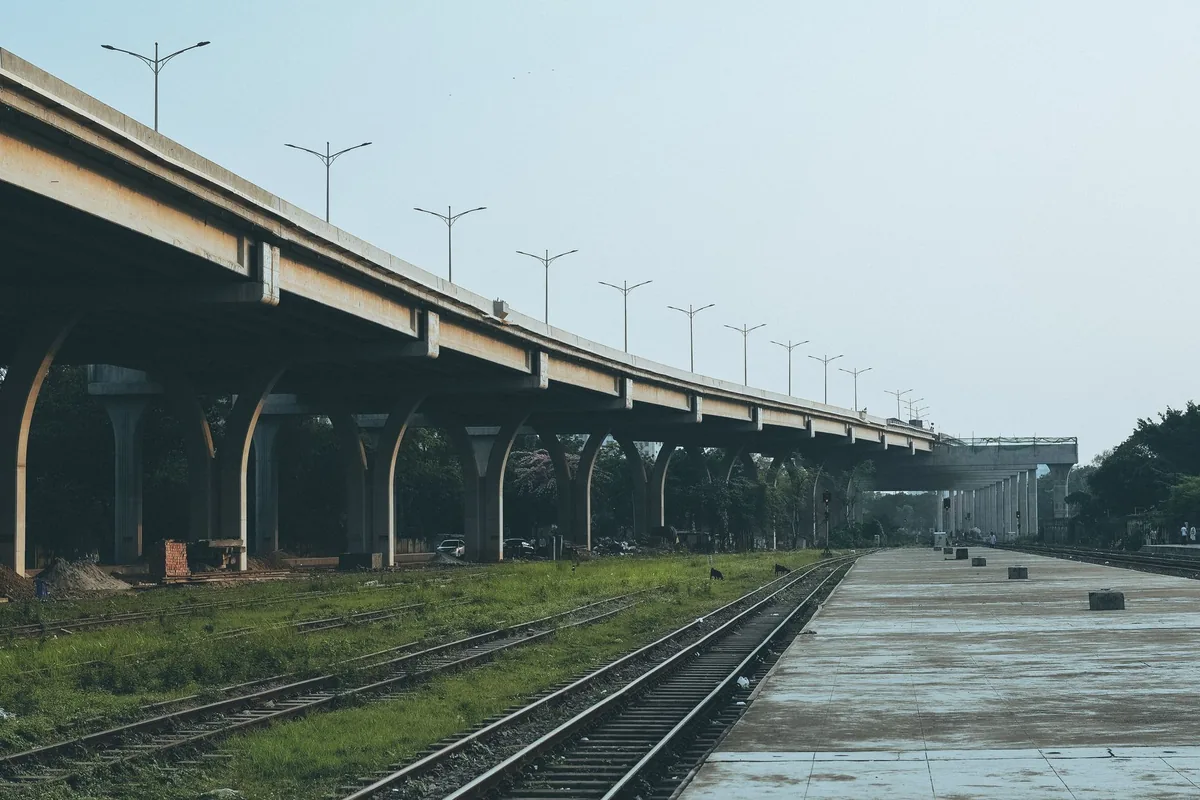
Continued investment in transport infrastructure is also highlighted, with the Mumbai-Ahmedabad High-Speed Rail corridor cited as a project that will improve access to emerging destinations [1]. Additionally, the WTTC called for stronger digital public infrastructure and increased destination marketing in priority overseas markets [1].
| Metric | 2025 Actual | 2026 Projection | 2036 Projection |
|---|---|---|---|
| Sector GDP Contribution | $263.6 billion | $286.1 billion | $527 billion |
| Jobs Supported | 46.2 million | 48.1 million | Not specified |
| Global Ranking | 10th | Not specified | 4th |
How is the government responding to tourism demands?
India's Union Budget 2026–27 has placed tourism at the center of its plans for employment, infrastructure, and regional development, according to Asian Hospitality [1]. Despite this focus, the broader hospitality industry's long-standing demand to be granted formal infrastructure status remains unmet [1].
The WTTC emphasized that public-private collaboration will be essential to unlock greater economic benefits. "Through continued collaboration between government and the private sector, enhanced connectivity, seamless and secure travel experiences, and continued progress on visa facilitation, India can unlock even greater economic benefits for communities across the country," said Gloria Guevara, WTTC president and CEO [1].
Reported by
This article was written from the following reporting. Follow the links for the original coverage.
- [1]India Travel Sector Reaches $263.6B in 2025— asianhospitality.com
- [2]India Tourism Hits $263.6B in 2025, Set to Double by 2036— asianhospitality.com
Frequently asked
+How much did India's tourism sector generate in 2025?
India's travel and tourism sector generated $263.6 billion in 2025, contributing 6.6 percent to the country's GDP.
+What is the projected value of India's tourism sector by 2036?
The World Travel & Tourism Council projects India's tourism sector will reach $527 billion by 2036, potentially making it the fourth-largest tourism economy globally.
+How much of India's tourism spending comes from domestic travelers?
In 2025, domestic visitor spending reached $203 billion, accounting for 86 percent of the total tourism spending in India.
+How long do international visitors typically stay in India?
International visitors stay in India for an average of 18.5 days, which is among the longest average stays globally.
+What infrastructure project was cited as improving tourism access?
The WTTC cited the Mumbai-Ahmedabad High-Speed Rail corridor as a key transport investment to improve access to emerging destinations.
Keep reading
Our reporting


More in finance