Why Hotels Must Shift from RevPAR to TRevPAR
Relying on room revenue conceals business risk as experiential resorts outpace room-centric assets.
The short answer
Hotels relying solely on RevPAR risk masking revenue fragility compared to experiential properties utilizing TRevPAR. While luxury RevPAR climbed 5.3% through August 2025, economy fell 1.8%, driving institutional capital into multi-revenue assets.
“The room is where the guest sleeps. The rest of the property is where the business actually is.”
The short version
- STR benchmarking data confirms TRevPAR captures all guest spending, including golf, dining, banquets, and spas.
- Luxury properties posted 5.3% RevPAR growth through August 2025, while economy chain scales dropped 1.8%.
- Bain Capital acquired Concert Golf Partners from Clearlake Capital in a transaction valued over $1.3 billion.
Hospitality operators face a measurement inflection point as industry analysis urges a shift from traditional revenue per available room (RevPAR) to total revenue per available room (TRevPAR). While RevPAR only tracks room sales, TRevPAR measures total guest spend across food and beverage, golf, wellness, spas, banquets, and ancillary operations, exposing underlying business health [1].
What makes traditional RevPAR a misleading performance metric?
Traditional RevPAR fails to capture revenue generated beyond room rates, creating a false impression of property performance. According to a benchmarking explainer from CoStar’s STR, TRevPAR accounts for every dollar spent on site, including meetings, golf, spa treatments, dining, and ancillary fees [1].
As Hotel Business reported, two hotels can report identical RevPAR numbers while operating fundamentally different commercial models [1]. One asset generates 90% of its total revenue exclusively from room sales [1]. The other property produces 20% of revenue from rooms and 80% from on-property activities after check-in [1]. RevPAR treats both assets as identical, concealing operational risk when room demand drops [1].
How do experiential resorts generate multiple revenue streams?
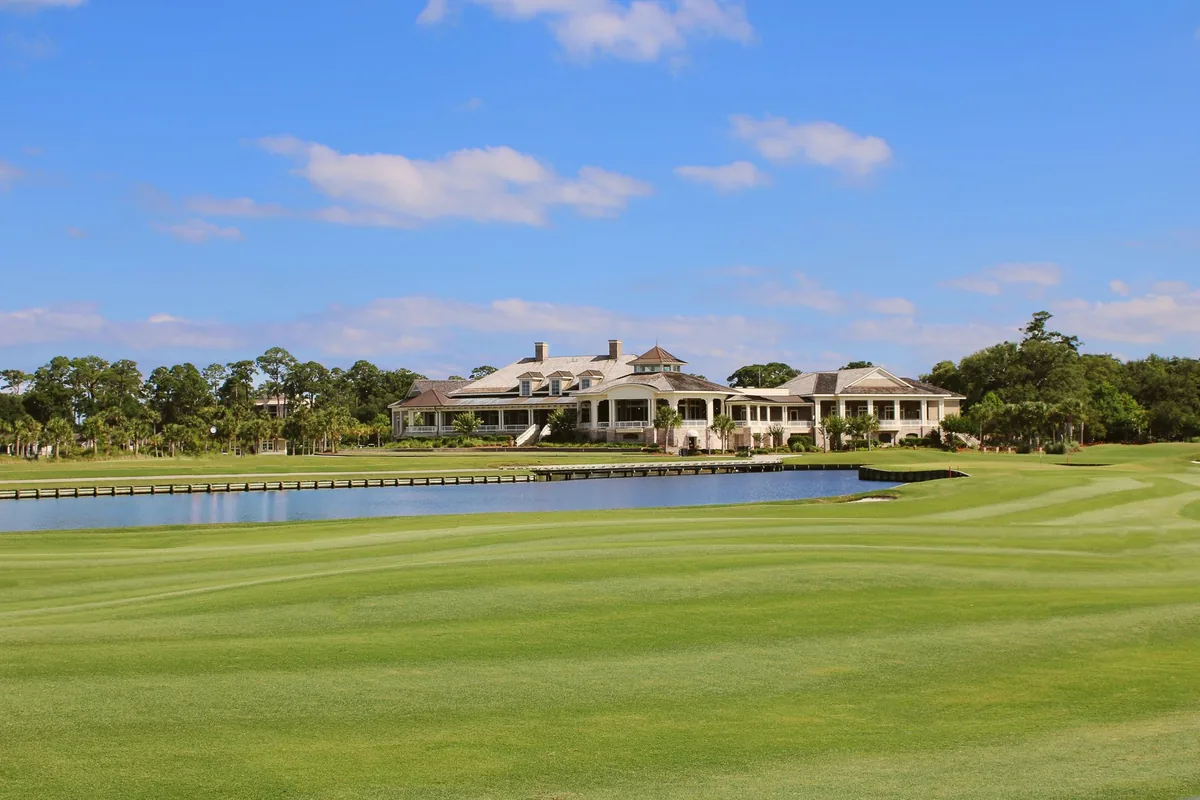
Experiential resorts operate as multiple distinct businesses sharing a single physical footprint rather than relying on a single room-sales engine. Josh McCallen, CEO and cofounder of VIVÂMEE Hospitality, detailed in Hotel Business that a conventional hotel relies on room revenue for 80% to 90% of its business [1]. When citywide events like the FIFA World Cup conclude or local markets soften, conventional assets have no secondary revenue engine to offset declines [1].

In contrast, experiential properties layer several commercial engines together [1]:
- Championship golf operations that feed room demand [1].
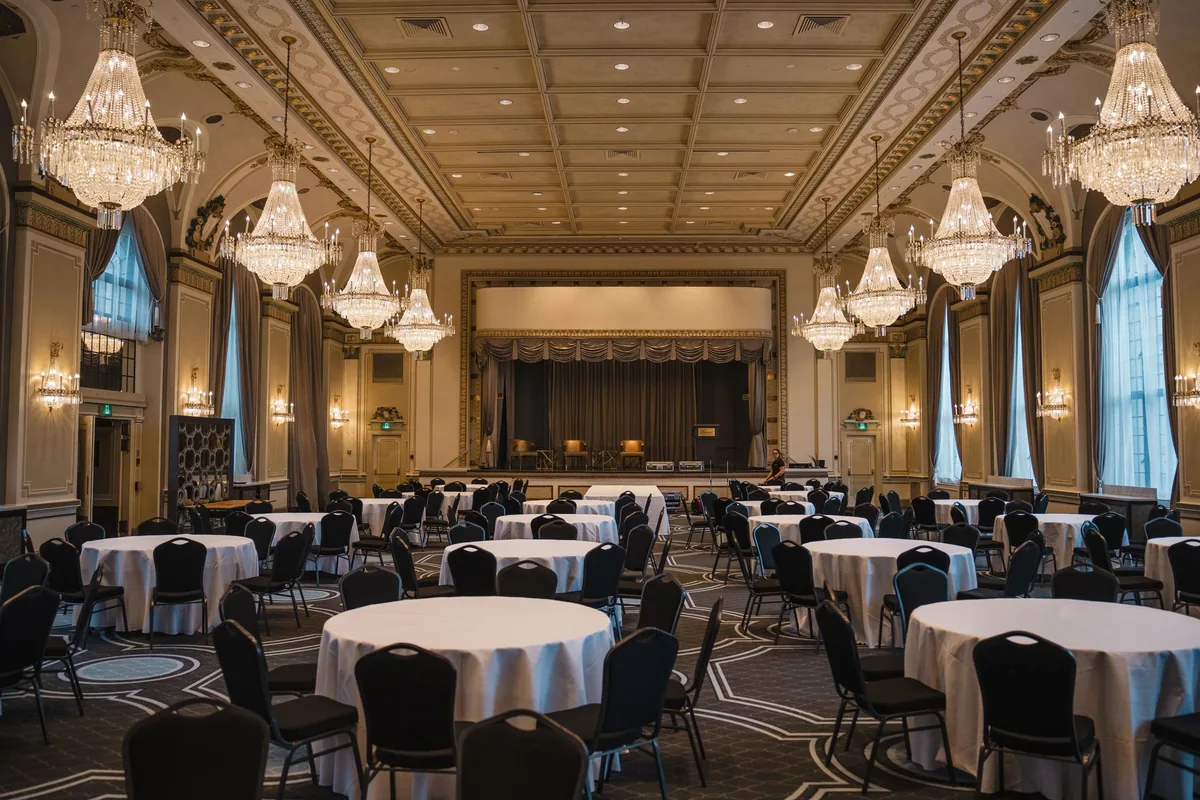
- Luxury wedding sales contracted 12 to 18 months in advance with upfront deposits [1].
- Destination restaurants, banquet services, and private member dining [1].
- Ticketed seasonal programming, private clubs, and spa facilities [1].
This structure delivers commercial durability [1]. If one revenue stream softens, the remaining operations support the property [1].
What do recent chain-scale growth numbers reveal about market demand?
Performance metrics show higher chain scales outperforming lower tiers due to leisure and experiential travel demand. The PwC and Urban Land Institute Emerging Trends in Real Estate report, citing STR data, showed that luxury and upper-upscale were the only chain scales to register positive RevPAR growth through August 2025 [1].
| Chain Scale Tier | RevPAR Performance (Through August 2025) | Revenue Structure Focus |
|---|---|---|
| Luxury | +5.3% | Experiential stays, golf, wellness, programming |
| Upper-Upscale | Positive growth | Multi-day stays, meetings, destination dining |
| Economy | -1.8% | Room-only reliance (80% to 90% room revenue) |
STR figures confirmed luxury RevPAR grew 5.3% through August 2025, while economy chain scales declined 1.8% [1]. Drive-to leisure resorts proved to be the most resilient segment during the pandemic, recovering first when air travel collapsed [1].
Why do traditional hotel brands struggle to adapt to the TRevPAR model?
Major hotel chains struggle to adopt an experiential operational model because managing diversified operations requires specialized talent. Executing a multi-revenue model demands wedding directors who sell two years ahead, culinary teams capable of running standalone destination restaurants, golf managers who protect course culture, and wellness staff who plan programming seasonally [1].
Building these operational capabilities requires long-term team and culture development rather than simple management changes [1]. An experiential model cannot be financialized into existence [1].
How is institutional capital responding to experiential assets?
Private equity and institutional investors are acquiring experiential, golf-anchored resort platforms. Late last year, Bain Capital purchased Concert Golf Partners from Clearlake Capital in a transaction valued at more than $1.3 billion, Bloomberg reported [1].
Sponsors continued making similar platform investments across 2025 and 2026 [1]. However, operating an experiential resort to achieve high TRevPAR multiples demands dedicated programming engines rather than relying on software tools [1]. The hotel room serves as guest accommodation, while the remainder of the property drives the underlying enterprise value [1].
Reported by
This article was written from the following reporting. Follow the links for the original coverage.
- [1]Hotels Urged to Prioritize TRevPAR Over Traditional RevPAR— Hotel Business
Frequently asked
+What is the difference between RevPAR and TRevPAR?
RevPAR calculates room revenue divided by available rooms across the year. Total RevPAR (TRevPAR) records every dollar a guest spends on site, including room rates, food and beverage, meetings, spa visits, golf, and ancillary services according to CoStar's STR.
+Why is room-centric revenue considered risky for hotels?
A conventional hotel draws 80% to 90% of total revenue from room bookings alone. When transient demand or peak market events drop, the property lacks a secondary commercial stream to compensate for declining room sales.
+How did chain scales perform through August 2025?
PwC and the Urban Land Institute reported that luxury and upper-upscale were the only chain scales recording positive RevPAR growth through August 2025, with luxury expanding 5.3% while the economy segment fell 1.8%.
+What major institutional transactions highlight experiential hospitality growth?
Bloomberg reported that Bain Capital acquired Concert Golf Partners from Clearlake Capital in a deal valued above $1.3 billion, demonstrating institutional interest in golf-anchored resort assets.
+Why is it difficult for standard hotel brands to pivot to TRevPAR operations?
Running multiple businesses on one footprint requires specialized talent, including directors of weddings selling two years ahead, culinary teams operating destination dining, golf directors, and wellness teams programming year-round.
Keep reading
Our reporting


More in finance