Hotels Urged to Move Past Basic ADA Standards
Guest advocates call on hotel operators to design spaces around real mobility needs rather than minimum regulatory checklists.
The short answer
Meeting bare-minimum ADA rules leaves significant operational gaps for guests with heavy motorized wheelchairs. Operators are urged to consult users directly and install practical features like adult changing tables.
“Don’t just meet code to get by—consult an actual wheelchair user.”
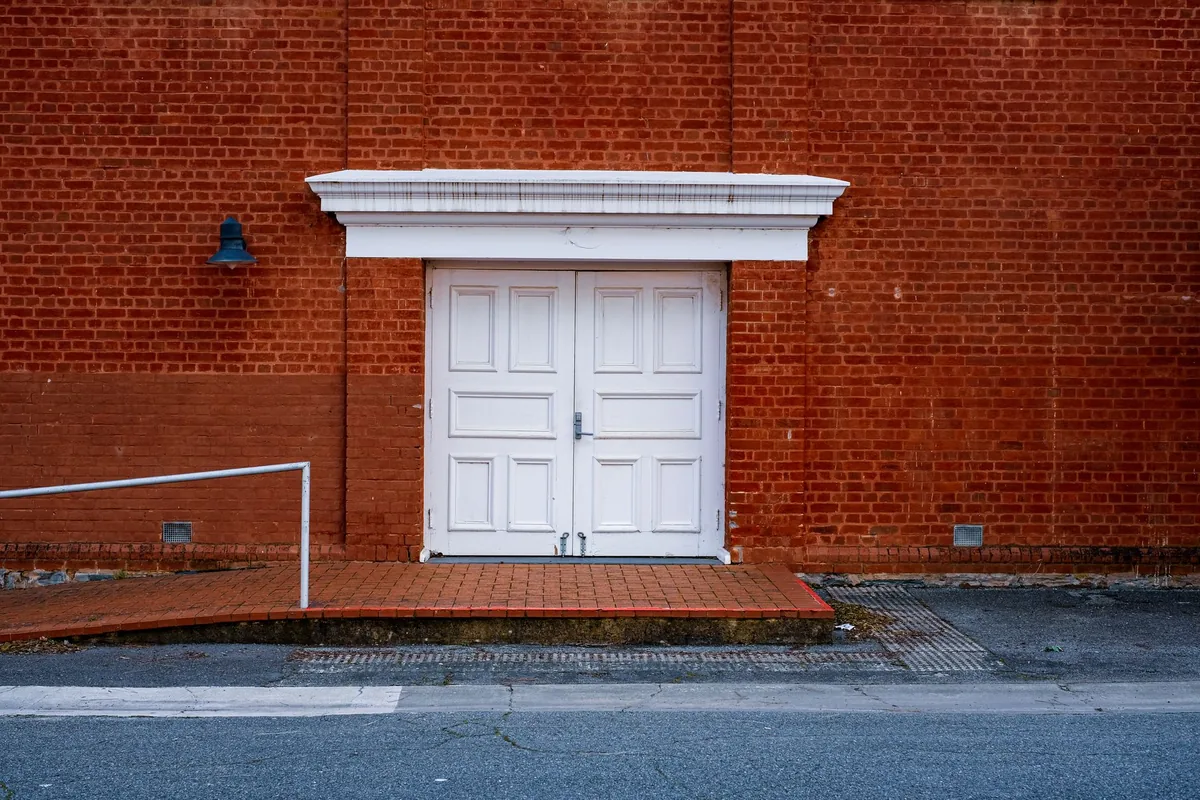
The short version
- U.S. Department of Transportation data shows airlines mishandle over 11,000 wheelchairs and scooters annually, elevating the stakes for ground accommodations.
- 300-lb. motorized wheelchairs require clear turning spaces and adult changing tables that building codes often omit.
- Hotel Business contributors urge management to consult active wheelchair users during property renovations instead of relying solely on baseline codes.
Hotels face rising pressure to move past baseline Americans with Disabilities Act compliance by incorporating practical features like adult changing tables and functional ramp access. According to guest accounts in Hotel Business, minimum statutory compliance fails to solve basic travel barriers for families managing motorized wheelchairs, causing many to skip trips entirely rather than risk inadequate accommodations [1].
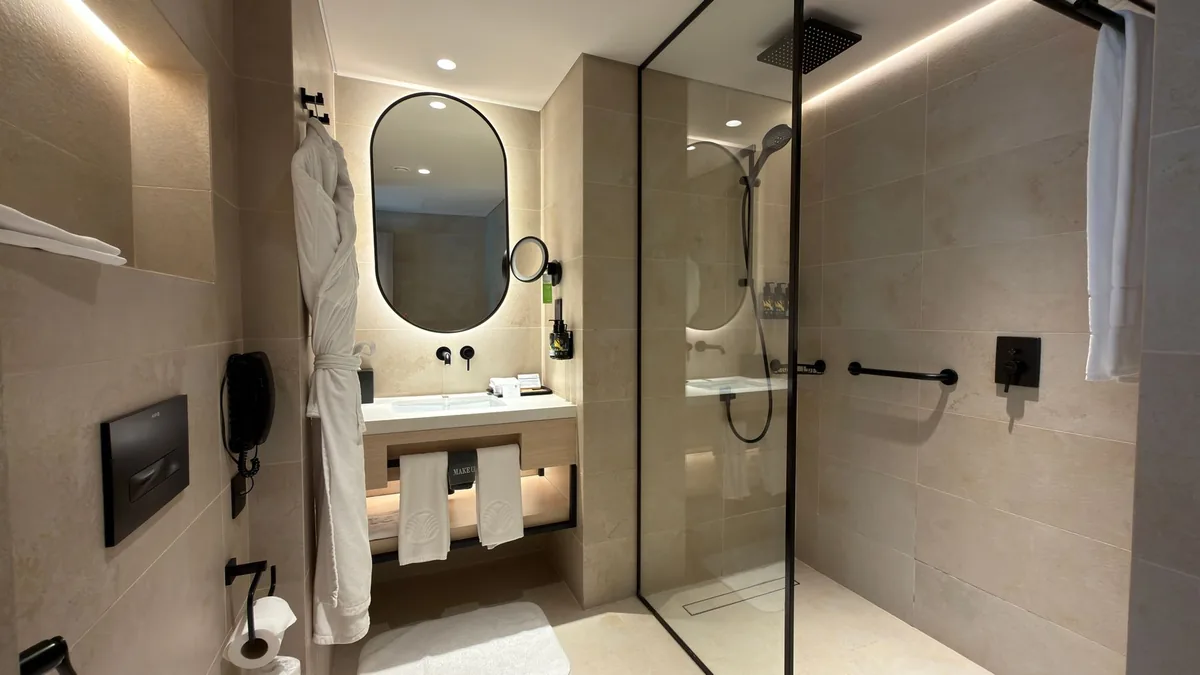
Why Is Baseline ADA Compliance Falling Short for Families?
Baseline regulatory compliance often stops at formal rules without accounting for real-world equipment sizes or functional movement [1]. Cara Schiff, host of the Path We Share podcast, explained in a letter published by Hotel Business that leisure travel became an afterthought after her son was diagnosed with spastic quadriplegic cerebral palsy [1]. Her son relies on a 300-lb. motorized wheelchair that provides him full independence, yet basic architectural oversights turn weekend getaways into exhaustive planning exercises [1]. Hotel Business reported that traveling with such equipment requires multiple phone calls and repeated rounds of phone tag just to confirm essential physical room details [1].
What Physical Features Make or Break an Accessible Hotel Stay?
The presence of an adult changing table is frequently the definitive factor in whether a family can book a property [1]. An informal poll conducted by a parent at an accessible school revealed consistent structural deal-breakers among traveling families, according to Hotel Business [1]. Properties that fail to provide clear information on these amenities force guests to abandon reservations [1].
| Accessibility Feature | Practical Operational Concern | Guest Impact |
|---|---|---|
| Van Parking | Space for ramps to fully extend and turn cleanly | Prevents vehicle offloading and property entry [1] |
| Entrance Pathways | Presence of stairs or steps without alternative roll-in paths | Blocks physical entry for 300-lb. motorized chairs [1] |
| Restroom Equipment | Presence of adult changing tables | Determines whether a travel stay is feasible or cancelled [1] |
| Room Fixtures | Availability of adjustable-height controls and fixtures | Dictates guest independence inside the guestroom [1] |

How Does Air Travel Friction Compound Hotel Operations?
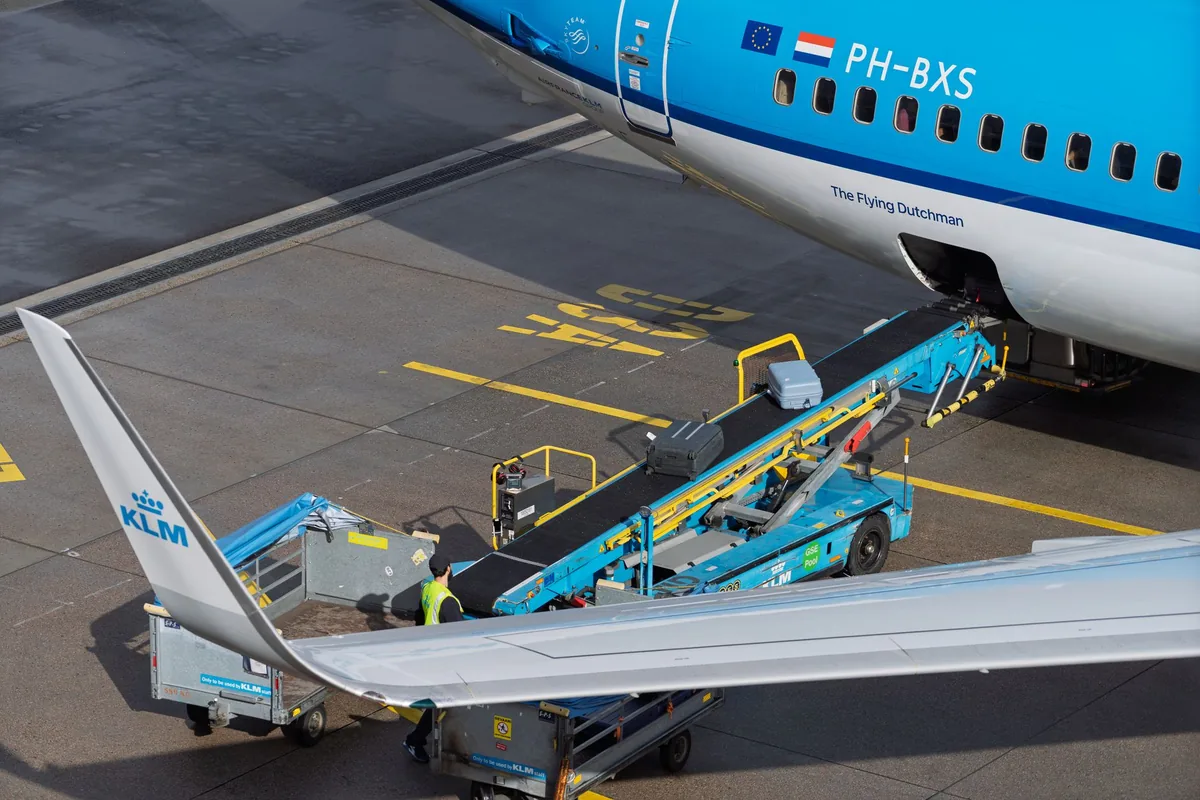
Transit vulnerabilities raise the stakes for hotel stays, because arriving guests cannot easily absorb unexpected equipment damage or logistical failures [1]. Data from the U.S. Department of Transportation reveals that commercial airlines mishandle more than 11,000 wheelchairs and scooters annually [1]. This rate equates to roughly 29 to 30 damaged or mishandled mobility devices per day, or about one in every 80 checked devices [1]. Hotel Business noted that while regular luggage damage is an inconvenience, broken mobility equipment essentially strips a wheelchair user of their legs, and subsequent equipment repairs often require months [1]. Facing these compounding transit risks, families choose to stay home if hotel accommodations are in doubt [1].
How Should Hoteliers Approach Renovations and Facility Upgrades?
Hoteliers must consult actual wheelchair users directly before launching capital improvements rather than designing exclusively to pass building inspections [1]. Schiff argued in Hotel Business that accessible hospitality does not require rolling out a red carpet, but demands thinking about how a physical space is navigated by someone in a power chair [1]. Operators that provide verified accessible parking measurements, install adult changing tables, and fit adjustable-height fixtures secure enduring repeat bookings [1]. Properties that merely treat accessibility as a regulatory box to check risk alienating these families permanently [1].
Reported by
This article was written from the following reporting. Follow the links for the original coverage.
- [1]Hotels Urged to Move Beyond ADA Compliance— Hotel Business
Frequently asked
+What is the biggest travel deal-breaker for families using heavy wheelchairs?
The lack of an adult changing table is often the primary deal-breaker that prevents families from traveling, according to an informal survey highlighted in Hotel Business [[1]]. Unusable van parking spaces without turn-around clearance and stairs at building entrances also prevent bookings [[1]].
+How many wheelchairs are mishandled by airlines each year?
Airlines mishandle more than 11,000 wheelchairs and mobility scooters each year, according to U.S. Department of Transportation figures [[1]]. This equals roughly 29 to 30 damaged or delayed devices every day [[1]].
+What ratio of checked mobility devices face mishandling during flights?
U.S. Department of Transportation data indicates that airlines mishandle approximately one in every 80 mobility devices checked by travelers [[1]]. Repairs to these critical machines often take months to complete [[1]].
+Why do families with motorized wheelchairs avoid uncertain hotels?
Most families prefer staying home rather than risking a trip when accessible accommodations remain unverified [[1]]. Arriving at a property with unexpected physical barriers can completely halt a stay for someone using a 300-lb. power wheelchair [[1]].
+How should hotel operators plan upcoming accessibility renovations?
Hoteliers should consult actual wheelchair users when designing alterations rather than merely meeting minimum building codes, according to Hotel Business contributor Cara Schiff [[1]]. Practical layouts require verified ramp space and adjustable-height fixtures [[1]].
Keep reading
Our reporting

More in operations