Hotel Pest Control: Preventing Reputational Damage
Hotels face severe guest satisfaction and online review risks without integrated pest management programs covering staff training, exclusion, and sanitation.
The short answer
Pest sightings on social media and review platforms cause instant damage to hotel reputations. Properties must implement comprehensive Integrated Pest Management programs targeting staff reporting, structural exclusion, and sanitation.
The short version
- Lodging Magazine highlights that a single pest sighting posted online damages hotel reputation and guest trust.
- Integrated Pest Management protocols require routine staff inspections across guestrooms, kitchens, and waste handling areas.
- Structural exclusion steps like caulking cracks and installing door sweeps prevent pests from entering exterior envelopes.
Hotels face direct threats to guest trust and property reputation if they operate without proactive pest management programs, as online reviews and social media quickly broadcast single sightings of bed bugs, rodents, or insects [1]. Operators maintain cleanliness and protect guest satisfaction by deploying Integrated Pest Management (IPM) protocols focused on early inspection, employee reporting, physical exclusion, food safety, waste controls, and moisture elimination [1].
Why do hotels face elevated reputational risks from pests?
Pest prevention ties directly to guest satisfaction because a single pest sighting damages guest trust and exposes properties to immediate public scrutiny [1]. According to Lodging Magazine, modern travel habits combine with social media and digital review platforms to amplify guest sanitation concerns the moment an insect or rodent appears [1]. Common threats include bed bugs, rodents, cockroaches, flies, and mosquitoes [1]. Bed bugs create operational challenges because they enter properties by hitchhiking on guest clothing and luggage, spreading between rooms when staff members fail to catch them early [1]. Implementing an Integrated Pest Management (IPM) program keeps pest numbers low and safeguards property reputation [1].

Which high-risk property zones require early inspection?
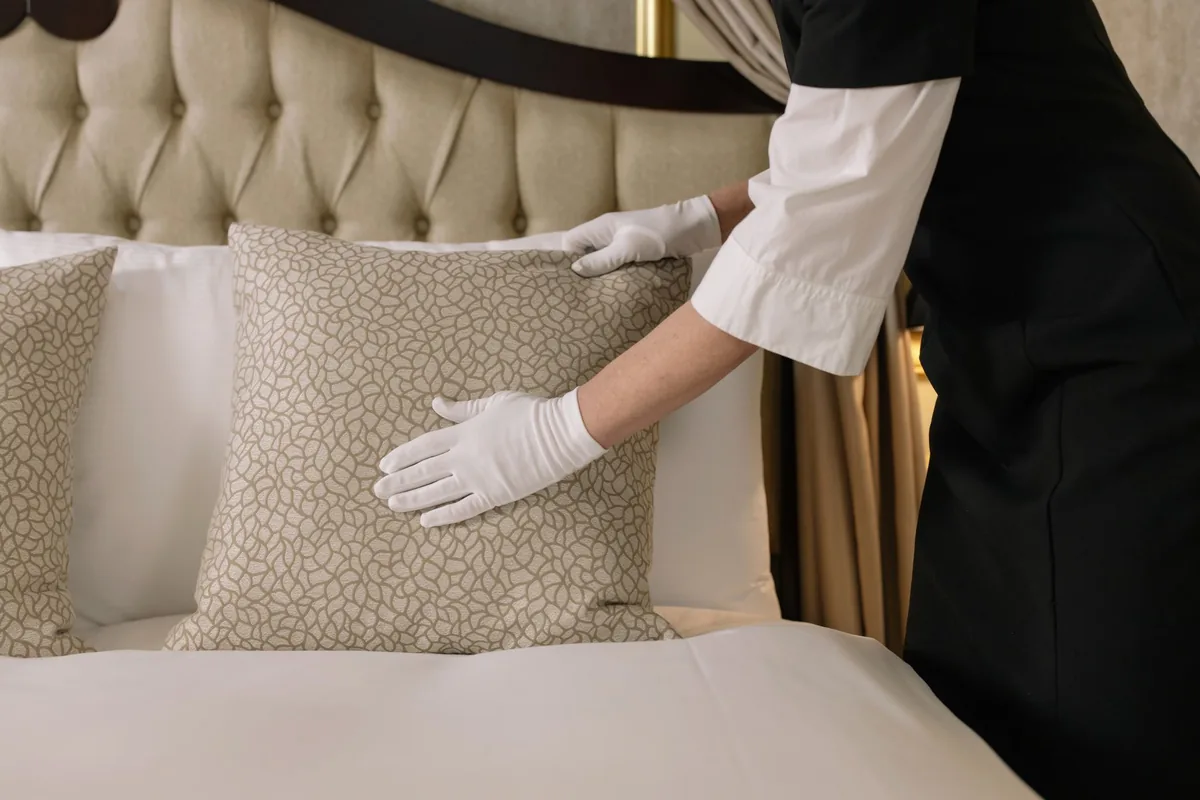
Regular monitoring helps hotel teams resolve pest activity before infestations expand across guest areas [1]. Staff members must inspect hot spots, including commercial kitchens, dining spaces, trash rooms, laundry areas, dry storage spaces, loading docks, and exterior perimeter zones [1]. Inside guestrooms, housekeeping teams must direct close attention to luggage racks, mattresses, bed frames, and headboards [1]. Catching early signs such as shed insect skins, rodent droppings, live bugs, or small stains on linens allows teams to quarantine and treat problems before guests encounter them [1].
| High-Risk Hotel Zone | Primary Pest Vulnerabilities | Prescribed Preventative Action |
|---|---|---|
| Guestrooms | Bed bugs hitchhiking via luggage | Check mattresses, bed frames, headboards, and luggage racks [1] |
| Dining Rooms & Kitchens | Flies, cockroaches, and rodents | Clean spills fast, cover food, rinse bottles, use airtight containers [1] |
| Waste & Loading Docks | Rodents and flies seeking food waste | Keep bins covered, clean enclosures, check deliveries before intake [1] |
| Pools, Spas & Basements | Mosquitoes and moisture-seeking pests | Clear standing water, inspect pump rooms, repair pipe leaks [1] |
| Building Shell & Doors | Rodents and crawling insects | Install door sweeps, caulk exterior cracks, fix damaged screens [1] |
How should hotel leadership train frontline staff?
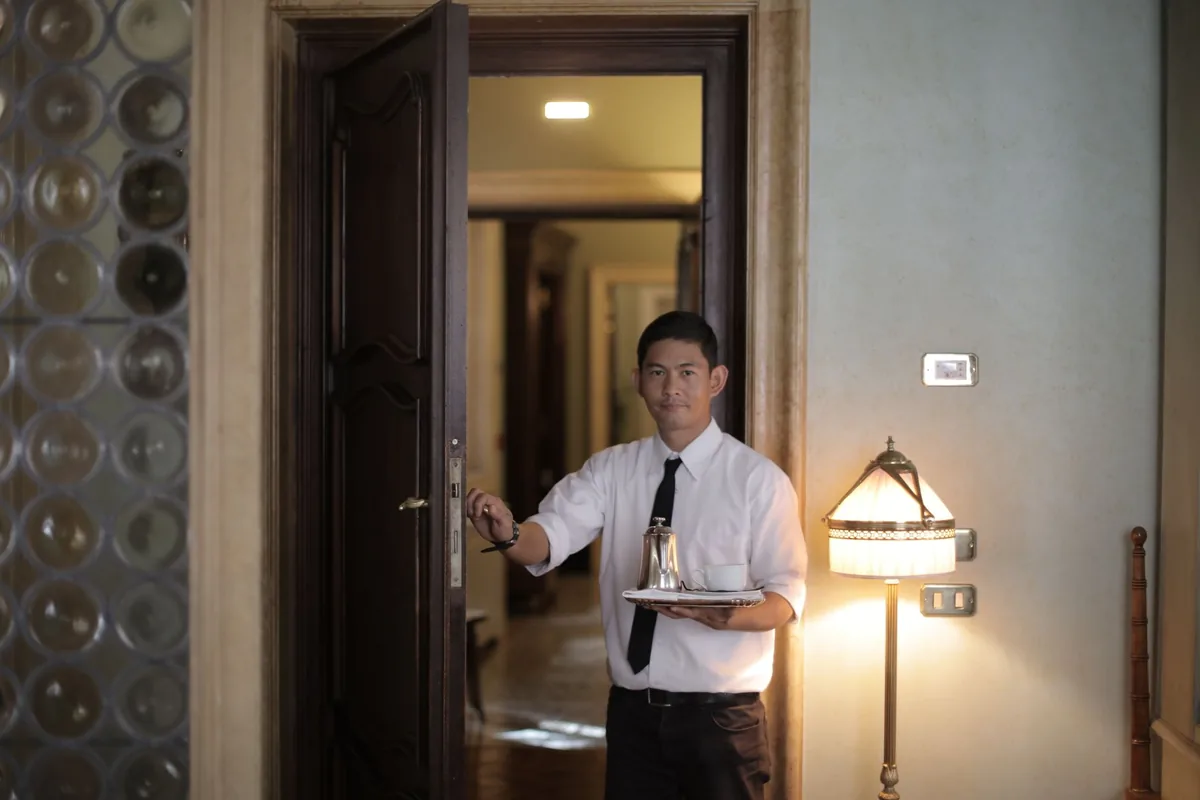
Housekeeping, maintenance, food service, and front-desk personnel serve as the hotel's primary defense line against pest incursions [1]. Because these employees move through operational and public areas daily, they spot early indicators before customers notice them [1]. Training programs must teach workers how to identify warning signs such as droppings, live insects, and mattress stains [1]. Lodging Magazine notes that properties must establish clear, documented reporting procedures so staff members do not overlook emerging infestations during peak travel periods [1].

What structural exclusion steps keep pests outside?
Structural exclusion stops pests from entering properties through minuscule exterior gaps and structural fractures [1]. Lodging Magazine reported that pest management professionals should routinely examine building exteriors alongside on-site engineering teams [1]. These joint teams install door sweeps, fit weather stripping around exterior entries, apply caulking to exterior cracks, and repair damaged window screens [1]. Keeping pests outdoors eliminates the operational costs associated with interior remediation [1].
How do waste and food service practices impact infestations?
Unmanaged food residues and improper garbage handling attract flies, roaches, and rodents to service areas [1]. During dining service, staff must wipe spills immediately, cover buffet dishes exposed for long periods, and clean beverage stations [1]. After service, workers must pack leftover ingredients into airtight bins, sanitize dining surfaces, and rinse empty beverage containers before placing them into recycling bins to avoid attracting fruit flies [1]. External waste handling requires lined, sealed trash cans and sanitized dumpster compounds positioned away from guest entrances [1]. During high-occupancy cycles, properties may need to schedule trash collection runs several times per week [1]. Receiving teams must also check delivered boxes for chewed cardboard, droppings, and damaged packaging before moving items into storage rooms, while avoiding storing boxes flush against walls [1].
Why must engineering teams target standing water and moisture?
Moisture creates viable breeding environments for hospitality pests, particularly mosquitoes, roaches, and rodents [1]. Hotel pools, hot tubs, pump rooms, utility drains, and exterior landscape irrigation systems supply pests with water sources [1]. Maintenance personnel must remove standing water from exterior pool decks after rainfall [1]. Inside the building envelope, engineers must inspect areas under sinks, monitor mechanical rooms, and repair plumbing leaks to eliminate moisture pockets [1].
Reported by
This article was written from the following reporting. Follow the links for the original coverage.
- [1]Hotels Face Reputation Risk Without Proactive Pest Plans— Lodging Magazine
Frequently asked
+Why is pest prevention critical for hotel reputations?
A single pest sighting shared on social media or online review sites damages guest trust and raises immediate sanitation concerns. Implementing Integrated Pest Management keeps pest counts low, protecting customer satisfaction, brand perception, and operating revenue.
+Which areas in a hotel have the highest pest risk?
High-risk zones include kitchens, guest dining rooms, trash storage rooms, commercial laundries, dry storage spaces, loading docks, and exterior grounds. In guestrooms, bed frames, mattresses, headboards, and luggage racks require continuous observation.
+What early signs of pests should hotel staff look for?
Frontline workers should look for shed insect skins, rodent droppings, live insects, gnawed packaging, and small stains on bed linens or mattresses. Identifying these early markers allows teams to isolate infestations before guests encounter them.
+How can hotels prevent pests from entering the building envelope?
Hotels prevent pest entry by partnering maintenance staff with pest professionals to conduct structural inspections. Key exclusion measures include installing door sweeps, fitting fresh weather stripping, caulking exterior wall cracks, and repairing damaged window screens.
+How should hotel kitchens and dining rooms handle waste to stop pests?
Kitchen teams should clean spills immediately, cover food during service, store leftovers in airtight containers, and rinse recyclable bottles. Trash cans must be lined, covered, and emptied regularly, with dumpsters kept closed and placed away from guest entrances.
+What role does moisture control play in hotel pest management?
Standing water and leaks attract pests like mosquitoes and roaches. Engineering teams must sweep pool decks after rain, repair plumbing leaks under sinks, check mechanical rooms, and eliminate damp conditions throughout the facility.
Keep reading
Our reporting


More in operations