Hotel Staff Apparel: Translating Brand Identity into Wardrobes
Hospitality brands align guest impressions across departments using customized uniforms and practical garment programs.
The short answer
Staff apparel serves as a primary visual expression of hotel brand identity across guest touchpoints. Operators achieve long-term consistency by balancing property aesthetics with role-specific functionality and structured garment replenishment.
The short version
- Hotel staff apparel acts as a primary physical touchpoint connecting corporate brand guidelines with on-property service.
- Design Collective by Cintas identifies custom, modified, and ready-to-wear garments as the three tiers for hospitality wardrobe programs.
- Multi-property operators maintain brand cohesion by establishing long-term replenishment systems for new hires and departmental turnover.
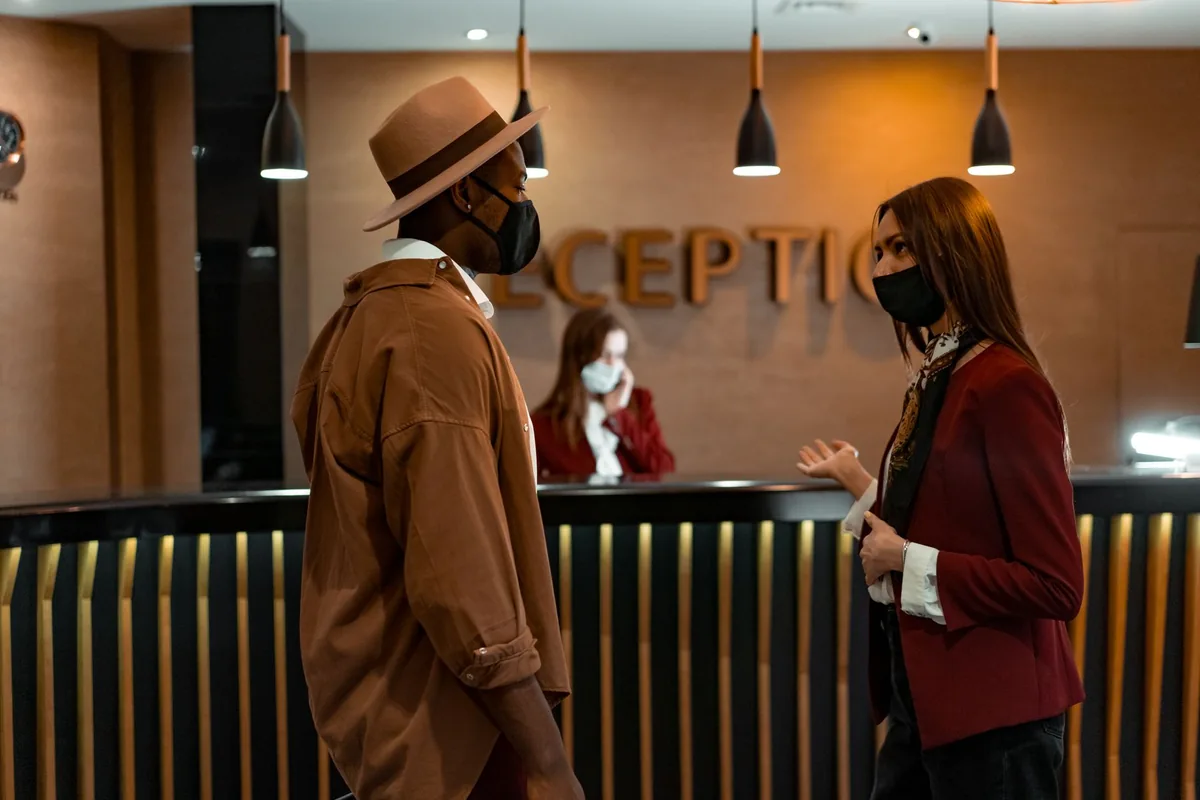
Hotels use staff apparel programs to express brand identity, align guest perceptions across operational departments, and support worker performance [1]. By matching wardrobe design to property style—ranging from luxury restraint to boutique local flair—operators bridge physical brand standards with daily frontline execution across front desk, housekeeping, and dining teams [1].
How does staff apparel translate brand standards into daily operations?
Staff apparel translates brand standards into daily operations by serving as one of the most visible expressions of a hotel's identity [1]. Hotel Business reported that a hotel brand exists beyond architecture, amenities, and interior design [1]. The brand comes to life through the employees who welcome guests, answer questions, clean rooms, and serve food [1]. Wardrobes reinforce property character and build a consistent impression across departments, while helping employees feel confident in their assigned roles [1]. When hoteliers thoughtfully develop an apparel program, garments connect corporate standards directly to the personnel responsible for executing them [1].
Why must apparel programs begin with the guest experience?
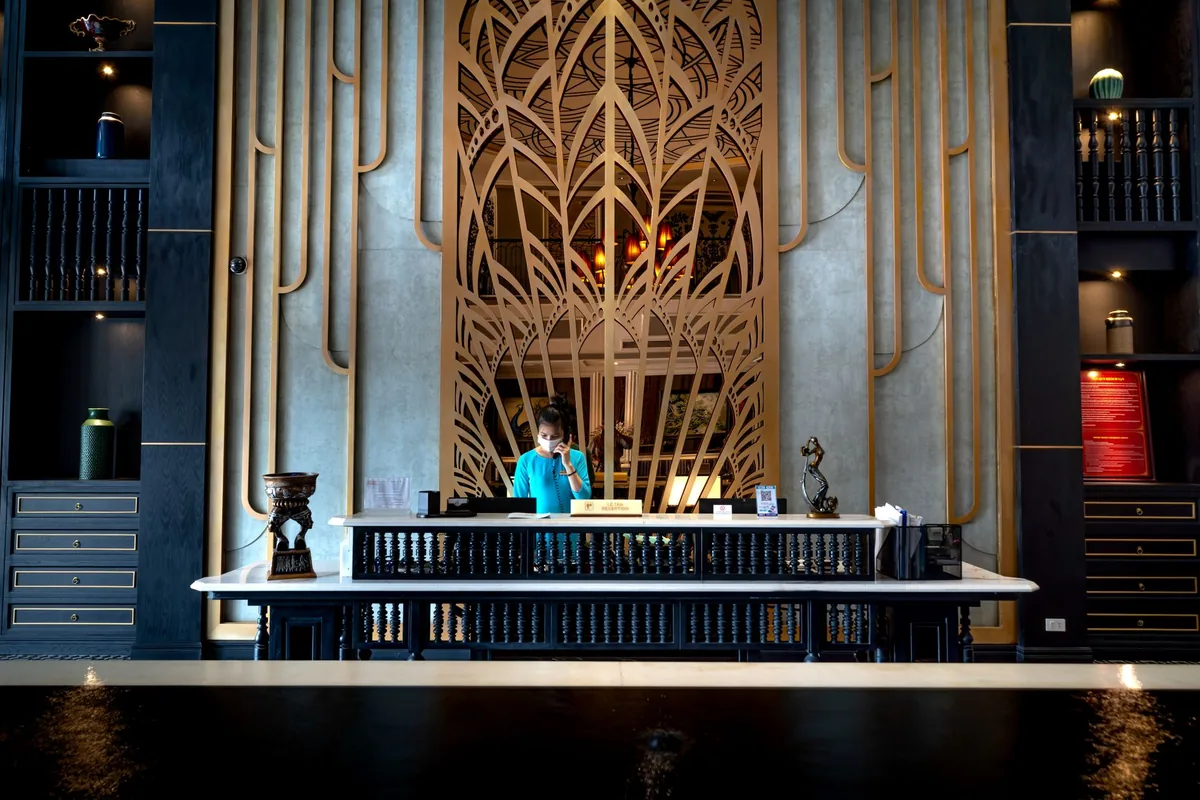
Apparel programs must begin with the guest experience to establish a clear design foundation before selecting any garments [1]. Defining what the property wants guests to see and feel prevents uniforms from looking like an afterthought added onto the operation [1]. Hotel Business stated that different property profiles require distinct wardrobe directions [1]. For example, boutique properties often design wardrobes that reflect a distinctive local personality [1]. In contrast, luxury properties prioritize restrained sophistication [1]. Multi-property chains require recognizable consistency across locations while retaining enough flexibility to suit different regional settings [1].
How do hotels balance visual cohesion with role-specific needs?
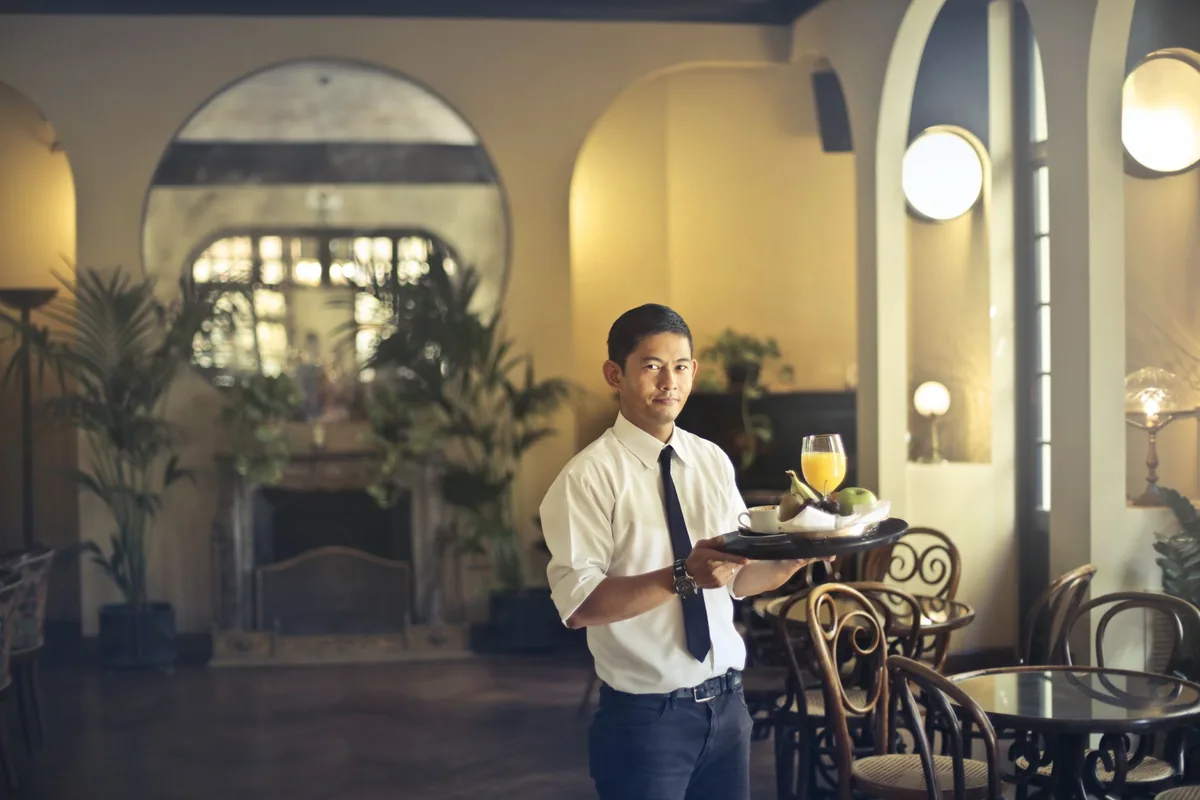
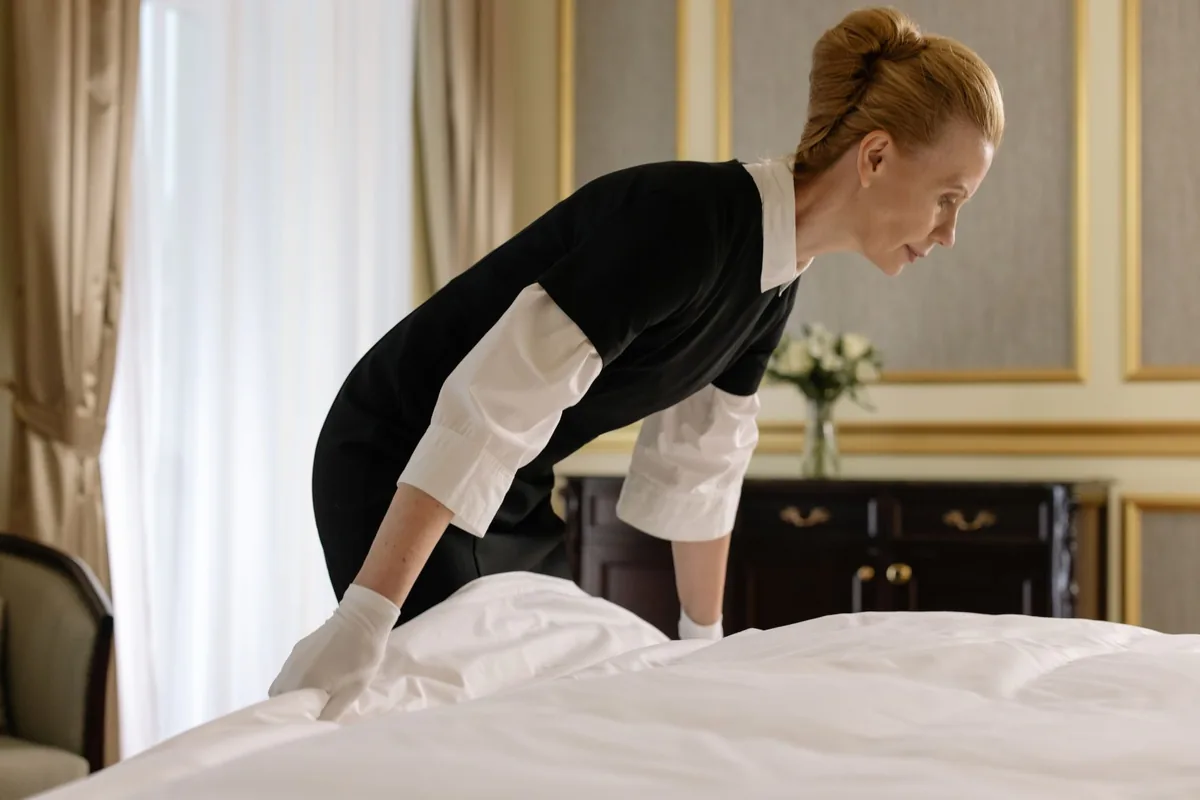
Hotels balance visual cohesion with role-specific needs by creating a shared visual language instead of forcing every employee to wear identical garments [1]. Front desk, food and beverage, housekeeping, and maintenance teams handle distinct tasks in varied physical environments [1]. Silhouettes, colors, fabrics, and small details provide brand continuity across the property without sacrificing employee comfort, range of motion, or functional performance [1].
| Property or Department Requirement | Apparel Design Approach | Primary Operational Objective |
|---|---|---|
| Boutique Property | Distinctive local personality | Reflect local environment and unique character |
| Luxury Hotel | Restrained sophistication | Convey elevated refinement and consistency |
| Multi-Property Brand | Recognizable consistency with flexibility | Maintain portfolio-wide brand standards across sites |
| Operational Departments | Shared visual language via colors and trims | Support role-specific movement, comfort, and function |
What customization tiers exist for hospitality uniform programs?
Hospitality apparel programs utilize three primary customization tiers: fully custom, modified, and ready-to-wear garments [1]. A fully custom program translates an exact brand vision into an exclusive collection [1]. A modified program personalizes existing garment styles by changing colors, trims, or accents [1]. Ready-to-wear options provide rapid turnaround times and operational flexibility for hotels facing immediate staffing demands [1]. Hotel Business noted that operators choose an approach based on brand identity, implementation timelines, operational requirements, and budget constraints [1]. Many hotel companies blend these tiers across different departments to manage costs while maintaining visual impact [1].
How can operators maintain uniform consistency after initial rollout?
Operators maintain uniform consistency after initial rollout by planning ongoing ordering systems, onboarding distribution, and garment maintenance protocols [1]. Design Collective by Cintas noted that dependable execution preserves the guest experience over time, whereas poor replenishment weakens initial design investments [1]. Hospitality management must structure how replacement pieces are ordered, how garments are issued to newly hired team members, and how standards are audited across properties or larger ownership portfolios [1]. A successful apparel program balances artistic creative direction with practical inventory support for the property managers and team members wearing the garments every day [1].
Reported by
This article was written from the following reporting. Follow the links for the original coverage.
- [1]Hotels Use Staff Apparel to Reinforce Brand Standards— Hotel Business
Frequently asked
+Why is staff apparel considered central to hotel brand standards?
Apparel is one of the most visible expressions of a hotel identity. While architecture and amenities set the physical environment, staff apparel connects brand character directly to the employees who interact with guests, prepare rooms, and serve meals.
+How should boutique and luxury hotel apparel programs differ?
Boutique properties typically select apparel that reflects a distinctive local personality. Luxury hotels prioritize restrained sophistication, focusing on clean design that communicates refinement and high-end service standards.
+Do all hotel departments need to wear the same uniform?
No. Effective programs use a shared visual language through colors, silhouettes, and fabric trims while adapting garment cuts and materials to meet the specific movement, comfort, and functional needs of housekeeping, front desk, and dining staff.
+What are the differences between custom and modified apparel programs?
Custom programs create an exclusive collection from scratch to meet a specific brand vision. Modified programs personalize standard ready-to-wear garments by altering colors, trims, and specific details to achieve brand alignment faster and more affordably.
+What ensures a hotel apparel program succeeds after launch?
Long-term success relies on reliable operational execution. Operators must establish clear procedures for ordering replacement pieces, issuing uniforms to new hires, and maintaining garment condition across all departments and properties.
Keep reading
Our reporting
More in operations