Hotel Owners Pivot to Soft Brands and Independence
Across prime urban and coastal markets, owners are exiting legacy flags through major capital works and curated F&B partnerships.
The short answer
Hotel owners are executing major repositioning projects by exiting legacy flags for soft brands or full independence. Recent projects across New York, California, and the UK demonstrate how capital works and targeted F&B concepts redefine legacy properties.
The short version
- GFI Capital Resources converted the former James Hotel NoMad into the 348-room Hotel Seville NoMad under Hyatt's Unbound Collection.
- The Maya invested $10.5 million to drop legacy affiliations and relaunch as an independent waterfront boutique property in Long Beach.
- Hilton relaunched West Hollywood's former Mondrian Los Angeles as The Valorian Los Angeles within its Curio Collection.
Hotel owners reposition aging properties and exit legacy flags by pursuing two distinct capital routes: affiliating with major soft brands such as Hyatt's Unbound Collection and Hilton's Curio Collection to gain enterprise distribution, or going fully independent to capture local identity through bespoke food, beverage, and wellness programming. [1] [2] [3]
How are owners repositioning historic urban assets with soft brands?
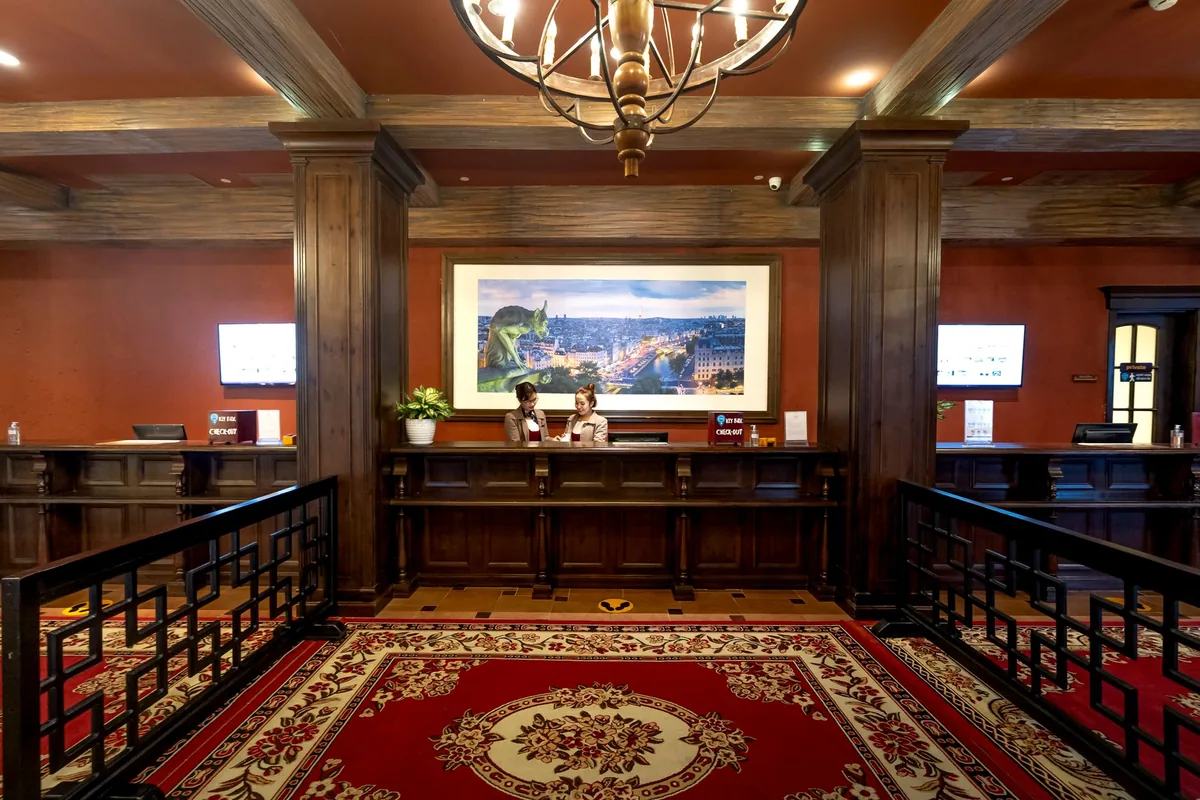
Owners of landmark properties are joining major brand collections to secure global distribution networks while retaining architectural character and unique dining concepts. Hotels Magazine reported that GFI Capital Resources partnered with Hyatt Hotels Corporation to complete a multimillion-dollar renovation of the former James Hotel NoMad, reopening the 1903 Beaux-Arts building as Hotel Seville NoMad under The Unbound Collection by Hyatt [1]. Located at 22 East 29th Street at Madison Avenue in Manhattan, the 348-room property introduced redesigned guest rooms, restored public spaces, and an updated lobby bar, Il Bar, designed by Thomas Juul-Hansen [1].
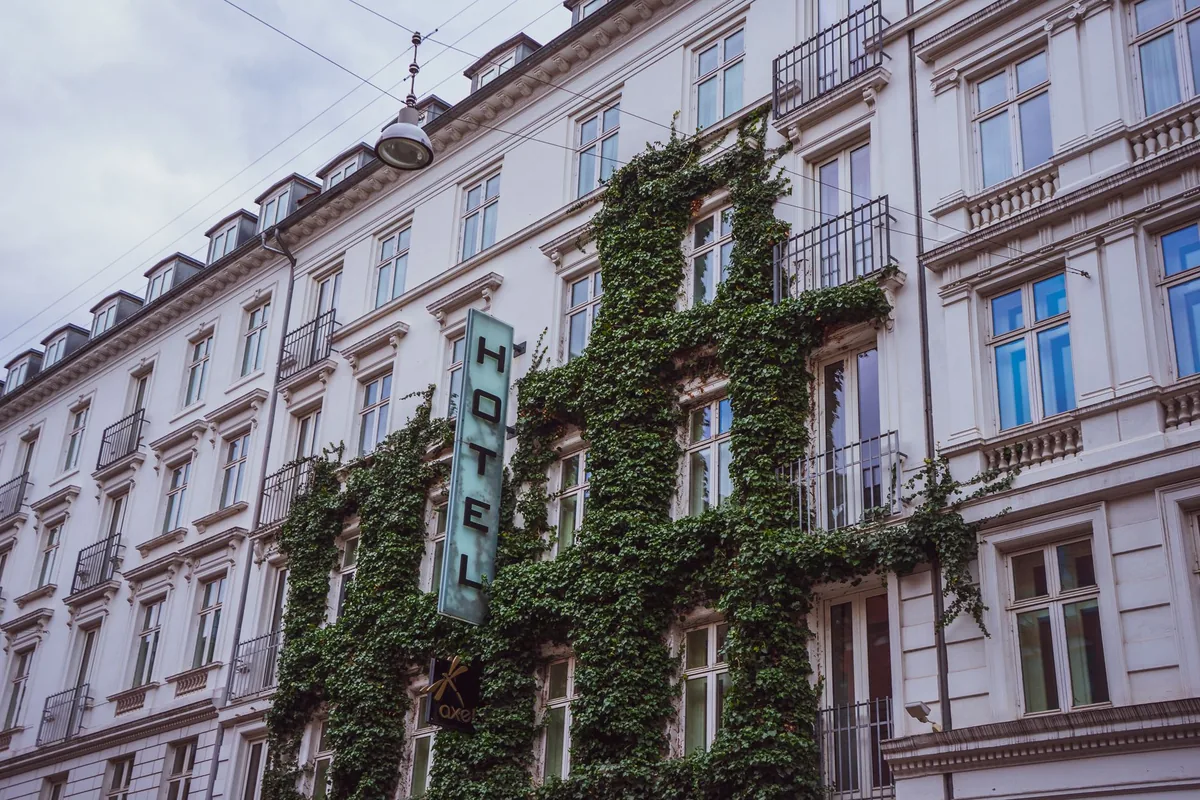
A similar strategy unfolded in West Hollywood, where an iconic Sunset Strip address migrated to Hilton's Curio Collection. Hotel Dive reported that Mondrian Los Angeles, which first opened in 1996 and underwent a redesign in 2018, was relaunched as The Valorian Los Angeles [3]. Operated by Pivot, the lifestyle operating group of Atlanta-based Davidson Hospitality Group, the 236-room property incorporates 30-foot entry doors and reintroduced its rooftop venue—formerly SkyBar—as White Rabbit Sky Lounge [3].
When does full independence make sense over flag affiliation?
Full independence allows operators to shed brand mandates and redirect capital directly into localized guest touchpoints, specialized design, and regional food partnerships. As reported by HospitalityNet, the 191-room Hotel Maya in Long Beach, California, is dropping brand affiliations to debut as the fully independent hotel The Maya following a $10.5 million transformation timed for its 50th anniversary [2]. Originally opened in 1975 as the Queensbay Hilton, the property previously completed a $20 million renovation in 2009 and a $4 million refresh in 2015 [2].
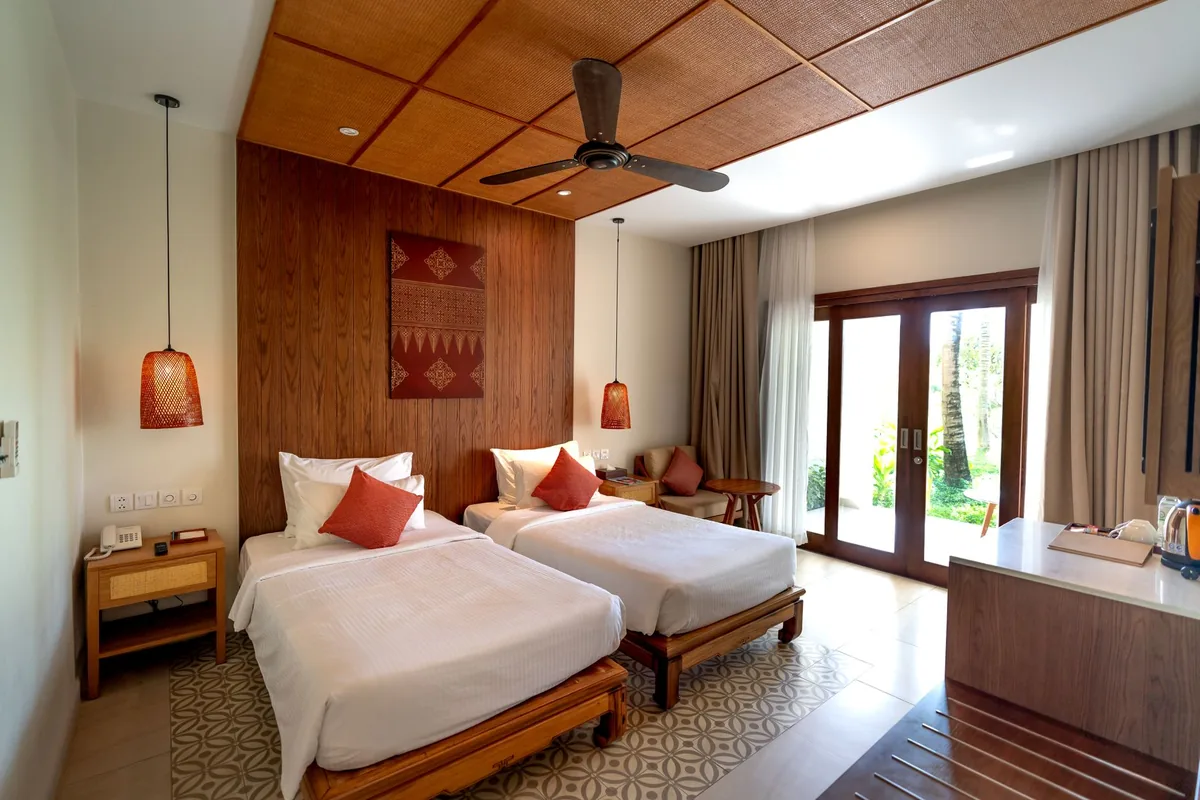
The Maya's transformation, led by Dyelot Interiors, adds eight new one-bedroom suites to bring its total suite count to 10, including the Presidential Suite and Loft Suite [2]. Instead of maintaining standard brand amenities, the hotel introduced wellness programming with The DEN Meditation, alongside local culinary partners Sheldrake Coffee Roasting and Colossus Bakery [2].
How do repositioned assets compare across key project metrics?
Property owners match capital expenditure levels and operating models to their property scale and brand affiliation goals.
| Property Name | Former Identity | Location | Room Count | Operating / Collection Model |
|---|---|---|---|---|
| Hotel Seville NoMad | The James Hotel NoMad | New York, NY | 348 | The Unbound Collection by Hyatt |
| The Valorian Los Angeles | Mondrian Los Angeles | West Hollywood, CA | 236 | Curio Collection by Hilton / Pivot |
| The Maya | Hotel Maya / Queensbay Hilton | Long Beach, CA | 191 | Independent |
| The Rex | Hotel Gotham | Manchester, UK | 60 | Leonardo Hotels |
What role does high-margin food and beverage play in rebranding?
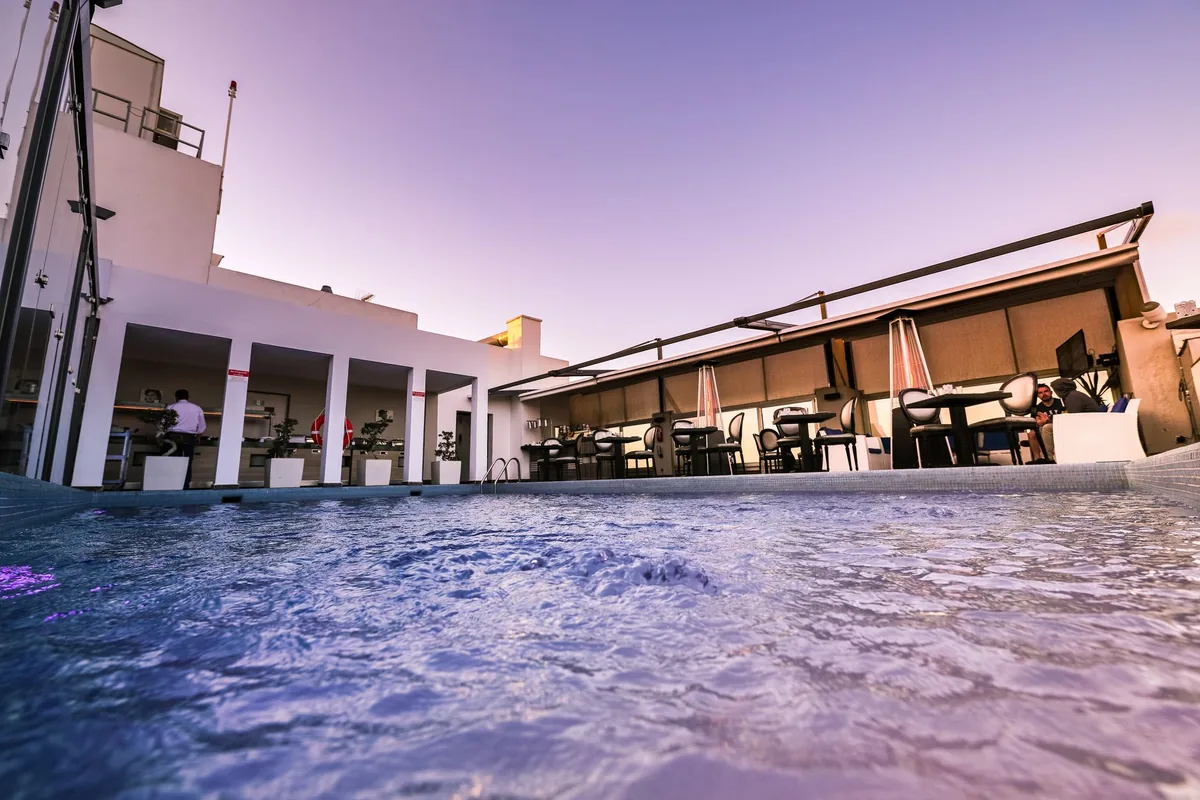
Rebranded assets rely on distinct food, beverage, and private membership venues to drive local foot traffic and non-room revenue. At Hotel Seville NoMad, GFI Capital brought in third-party operator LDV Hospitality to manage Scarpetta, the on-site Italian restaurant, the speakeasy lounge The Seville, and the catering for a 2,400-square-foot ballroom [1]. At The Valorian Los Angeles, the rebrand centered around the White Rabbit Sky Lounge to offer panoramic views of the Hollywood Hills and downtown Los Angeles [3].
HospitalityNet reported that in Manchester, Leonardo Hotels rebranded the 60-room Hotel Gotham as The Rex, housing it inside a former banking building [4]. Central to the property's repositioning is Reserve, a private members' club located on the seventh floor featuring vault-like doors, three rooftop terraces, and small-plate dining, complemented by a secret events space called Treasury [4]. Room rates at the boutique property start from £179 on a bed-and-breakfast basis [4].
How do design updates alter guest-facing spaces?
Design teams are replacing bold, outdated aesthetics with neutral tones, organic textures, and functional technology. At The Maya, bold neon hues were removed from the lobby and signature lounge Fuego, replaced with coastal blues, sunset tones, stone surfaces, and firepits, alongside guest bathrooms equipped with walk-in showers and touch-technology mirrors [2]. Hotel Seville NoMad updated its fitness facility with Peloton bikes and Precor cardio equipment [1]. At The Rex, public spaces retained their Art Deco-meets-modern style while updating restaurant and bar furnishings to host five-course tasting menus, afternoon teas, and private dining [4].
Reported by
This article was written from the following reporting. Follow the links for the original coverage.
- [1]James Nomad Rebrands as Hotel Seville NoMad Under Hyatt— Hotels Magazine
- [2]Hotel Maya Rebrands as The Maya After $10.5M Renovation— HospitalityNet
- [3]Hilton Relaunches Mondrian LA as Valorian Curio Collection— Hotel Dive
- [4]Hotel Gotham Reopens as The Rex Following Rebrand— HospitalityNet
Frequently asked
+What brand collections are owners selecting for urban conversions?
Owners are selecting soft brands like Hyatt's The Unbound Collection and Hilton's Curio Collection. These affiliations allow properties like Hotel Seville NoMad and The Valorian Los Angeles to preserve their architectural character while leveraging enterprise loyalty programs and global sales platforms.
+What capital investment was made to take The Maya independent?
The Maya in Long Beach completed a $10.5 million renovation to embrace independence for its 50th anniversary. This project follows earlier capital programs, including a $20 million overhaul in 2009 and a $4 million refresh in 2015.
+Who manages operations at The Valorian Los Angeles?
The Valorian Los Angeles is operated by Pivot, the lifestyle operating vertical of Atlanta-based Davidson Hospitality Group, following the hotel's transition from the Mondrian brand to Hilton's Curio Collection.
+What specialized spaces were added during the rebrand of The Rex?
Leonardo Hotels introduced Reserve, a private members' club on the seventh floor with three rooftop terraces, alongside a hidden underground events space called Treasury inside the former bank building.
+How are properties handling food and beverage operations during rebrands?
Properties either partner with specialized hospitality groups, such as GFI Capital partnering with LDV Hospitality at Hotel Seville NoMad, or shift restaurant formats toward beverage-forward lounges and local partnerships, as seen at The Maya's Fuego lounge.
Keep reading
Our reporting
More in finance