Hotel Giants Deploy AI Concierges to Curb OTA Reliance
Accor, Hilton and IHG roll out conversational booking engines to challenge online travel agencies charging commissions up to 30 percent.
The short answer
Major hotel chains including Accor, Hilton and IHG have launched conversational AI concierges to capture guests earlier in the booking journey. These tools aim to reduce owner exposure to third-party OTA commissions ranging between 15 and 30 percent.
The short version
- Accor, Hilton and IHG rolled out conversational AI concierges in 2026 to intercept top-of-funnel booking queries.
- 15 to 30 percent commission fees charged by OTAs continue to pressure property-level operating margins.
- 63 percent of independent reservations were captured by third-party distribution platforms during 2025.
Major hotel chains including Accor, Hilton and IHG rolled out generative AI discovery concierges in 2026 to engage travelers during early search stages, aiming to capture direct bookings and curb online travel agency commissions that typically reach 15 to 30 percent per stay [1].
How are hotel brands rolling out conversational tools?
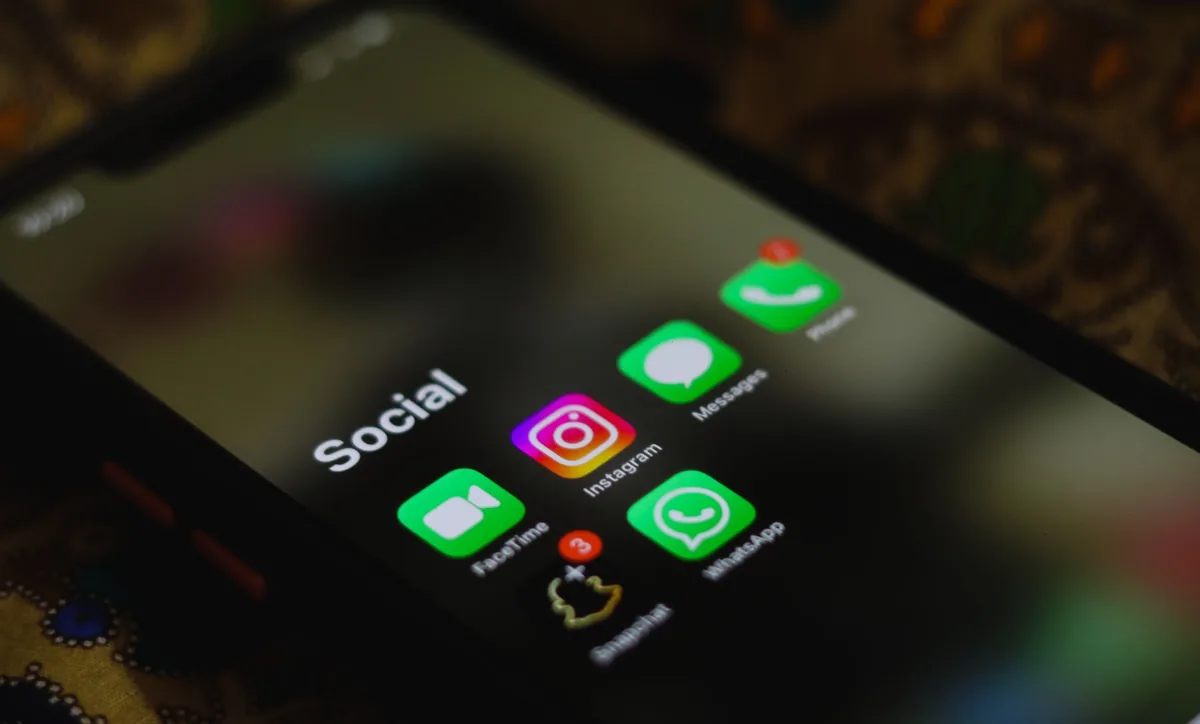
Hotel operators deployed generative AI search companions directly across web and mobile channels to serve guests from initial travel inspiration to post-stay operations [1]. Accor expanded ALL Concierge from pilot to full rollout across ALL.com, its mobile app, WhatsApp and iMessage [1]. The platform supports 11 languages on the web alongside four languages across five mobile points of sale, according to Asian Hospitality [1]. Accor also released The Butler, a companion system designed to aid on-property hotel staff with operational guidance [1].
Hilton and IHG rolled out parallel systems during 2026 [1]. Hilton introduced its Hilton AI Planner in March in beta across selected hilton.com traffic to enable natural language destination and amenity comparison [1]. IHG Hotels & Resorts followed in July by deploying conversational search tests on IHG.com and the IHG One Rewards app [1].
What traveler search behaviors are driving AI investments?
Guest adoption of artificial intelligence during early research phases threatens established booking channels by replacing traditional search queries [1]. Research from Longwoods International revealed that among United States travelers using AI to arrange trips, 54 percent rely on tools to locate attractions and activities [1]. An additional 44 percent consult AI for general travel inspiration, while 42 percent use platforms to pick dining venues [1].

According to the AI Readiness Report published by Mindtrip, Sabre, Sojern and MMGY Travel Intelligence, 54 percent of travelers have planned journeys using artificial intelligence, while 75 percent plan to do so in future trips [1]. Capturing these conversational queries on proprietary brand interfaces prevents online travel intermediaries from monopolizing top-of-funnel customer traffic [1].
| Brand Tool | Launch Window | Active Channels | Primary Capabilities |
|---|---|---|---|
| ALL Concierge (Accor) | Full rollout 2026 (pilot July 2025) | ALL.com, ALL app, WhatsApp, iMessage | Inspiration, booking, post-stay support in 11 web languages |
| Hilton AI Planner | March 2026 (beta) | hilton.com | Conversational search, destination and amenity comparisons |
| IHG Conversational Search | July 2026 (beta) | IHG.com, IHG One Rewards app | Direct conversational search, property discovery |
Can AI discovery tools lower intermediary commission costs?
Direct conversational tools attempt to insulate net room revenues from intermediary fees, though proof of channel shifting remains unpublished [1]. Online travel agencies routinely extract fees between 15 percent and 30 percent per confirmed stay based on geographic market, brand contracts and tiering agreements, reported Asian Hospitality [1]. Third-party channels accounted for roughly 63 percent of independent hotel reservations during 2025, climbing near 80 percent in select regions, according to Cloudbeds' State of Independent Hotels report [1].

None of the major hotel corporations—Accor, Hilton or IHG—has disclosed data confirming a measurable shift in reservation volume from OTAs to direct channels [1]. Furthermore, industry analysts note that if consumers migrate toward generic external search engines rather than proprietary hotel platforms, operators face the expense of competing for placement inside third-party algorithmic networks [1].
What commercial questions must property owners consider?
Hotel owners and franchisees must evaluate how corporate AI tools affect property-level budgets and operational reporting [1]. Brand management agreements introduce commercial variables regarding technology assessments, funding structures, and mandatory franchise standards [1]. Owners face questions on whether participation mandates appear across multi-brand portfolios and whether brands supply performance metrics tracking reductions in OTA channel reliance [1].
To assist franchisees, IHG stated plans to introduce an AI-optimized hotel content platform intended to make individual properties surface better inside conversational query results [1]. ALL Concierge logged more than 1 million customer conversations between July 2025 and its 2026 rollout, but Accor has not published overall consumer adoption figures [1].
Reported by
This article was written from the following reporting. Follow the links for the original coverage.
- [1]Accor and Rivals Deploy AI to Win Direct Bookings— asianhospitality.com
- [2]Accor, Hilton, and IHG Deploy AI to Cut OTA Costs— asianhospitality.com
Frequently asked
+Why are major hotel chains launching generative AI concierges?
Chains are deploying conversational AI to engage travelers during early search stages like trip inspiration and amenity comparison. Capturing guests directly on proprietary channels helps properties avoid paying 15 to 30 percent commissions to third-party online travel agencies.
+Which hotel brands have introduced conversational AI tools in 2026?
Accor moved its ALL Concierge to a full rollout, Hilton introduced the Hilton AI Planner in March, and IHG Hotels & Resorts launched conversational search features on its website and rewards app in July.
+What proportion of bookings do online travel agencies control?
According to Cloudbeds' State of Independent Hotels report tracking 90 million bookings, OTAs captured approximately 63 percent of independent hotel reservations in 2025, reaching nearly 80 percent in certain regional markets.
+How many guest conversations did Accor process during its AI pilot?
Accor reported processing more than 1 million guest interactions through its ALL Concierge tool between the initial pilot launch in July 2025 and its wider rollout in 2026 across web and messaging apps.
+What channels and languages does Accor's ALL Concierge support?
ALL Concierge operates on ALL.com, the brand app, WhatsApp and iMessage. It handles 11 languages on desktop web portals and four languages across five distinct mobile points of sale.
+Have hotel brands proven that AI tools reduce OTA commissions?
No hotel chain has published data demonstrating a verified reduction in third-party bookings. Because systems remain in phased rollouts, operators note that consumer shifts could also establish dependencies on external AI search tools.
Keep reading
Our reporting


More in technology