Google AI Max and Agentic Search: How Hotels Prepare Feeds
Commercial teams face unified search ads and autonomous booking agents that require structured pricing, reliable connectivity, and incrementality tests.
The short answer
Google is integrating hotel formats into AI Max search campaigns while agentic booking tools reshape customer acquisition. Commercial directors must ensure reliable rate feeds, audited connectivity, and strict incremental revenue measurement.
“Almost no one [in travel] is ready for this world.”

The short version
- Google launched Search Campaigns for Travel on April 30, combining travel feeds and ad formats into AI Max.
- Cendyn cautions that accurate rates and availability feeds dictate whether properties appear in AI Max ad placements.
- Cornell research on 26 hotels shows paid ads can cannibalize organic bookings while shifting share to lower-cost channels.
Hotel commercial directors must audit real-time rate feeds, strengthen booking connectivity, and track true incremental revenue to prepare for automated guest acquisition [2]. Google is merging travel formats into AI Max-powered Search Campaigns for Travel, while autonomous AI agents from external software labs quickly reshape consumer booking behavior [1], [2]. Success requires clean data pipelines and rigorous channel monitoring [2].
What changes are Google and tech labs introducing to search?
Google introduced Search Campaigns for Travel on April 30, integrating live travel feeds and hotel ad formats into standard search campaigns governed by AI Max [2]. Asian Hospitality reported that this setup operates as a unified buying mechanism, merging regular booking links and conventional search ads with automated bid adjustments, optimization, and reporting tools [2]. In August, Google expanded conversational travel features by introducing hotel bookings via AI Mode in Search across the United States [2]. This update enables travelers to reserve rooms through conversational interfaces, access flight price tracking, and review flight and hotel rates quoted in loyalty points or airline miles [2].
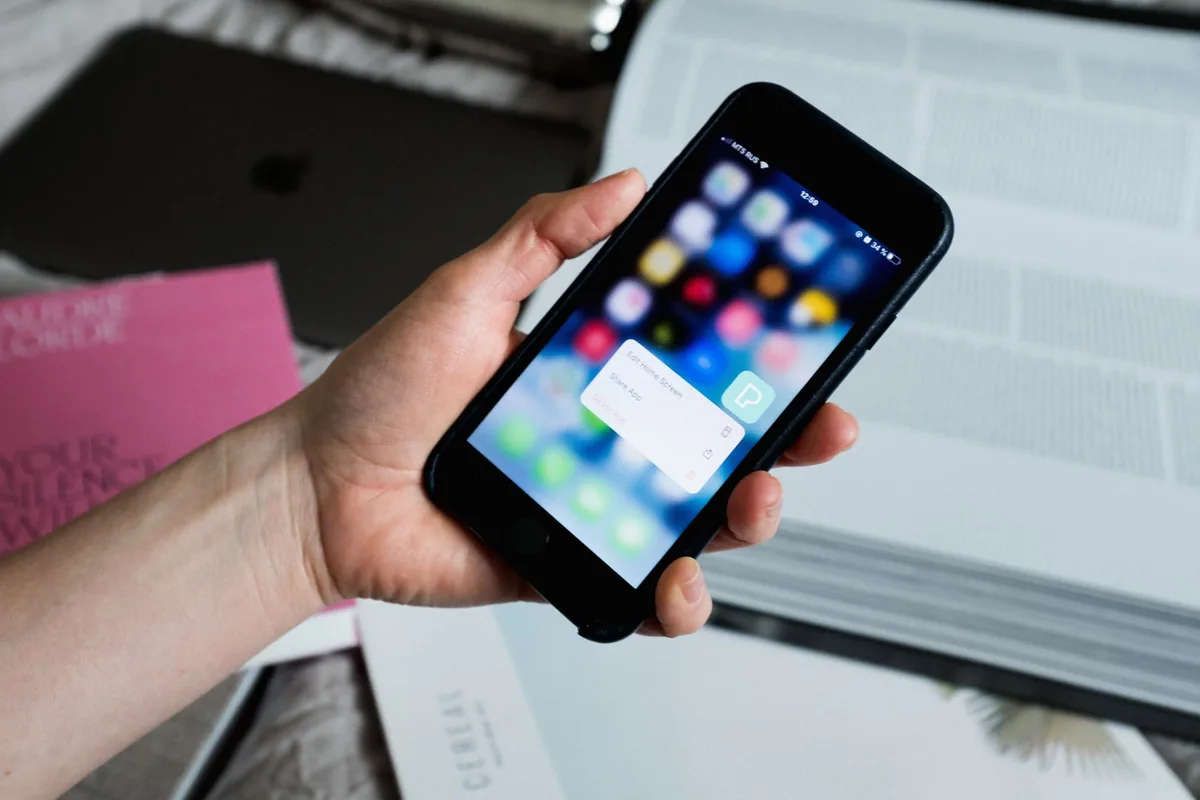
Simultaneously, independent AI software developers are launching autonomous shopping systems [1]. Platforms including Instinct and Muse are rapidly accelerating consumer adoption of agentic booking models, creating an operational shift where machines act as intermediaries [1]. Seth Borko, Skift's Head of Research, noted at the Skift Data + AI Summit Europe in London that autonomous booking agents are already active, leaving broad portions of the hospitality industry unprepared [1].
How do live rates and availability feeds drive AI Max campaigns?
Google uses real-time pricing and room availability within AI Max to choose when, where, and how an ad appears to consumers [2]. Asian Hospitality noted that AI Max expands keyword query matching, tailors creative ad copy, and routes travelers to landing pages based directly on search context [2]. Writing in a blog post cited by Asian Hospitality, Quentin Lederer, vice president of eCommerce at Cendyn, explained that Google's algorithm relies on live rates, availability, and active booking links to evaluate what inventory a hotel can fulfill for a query [2].
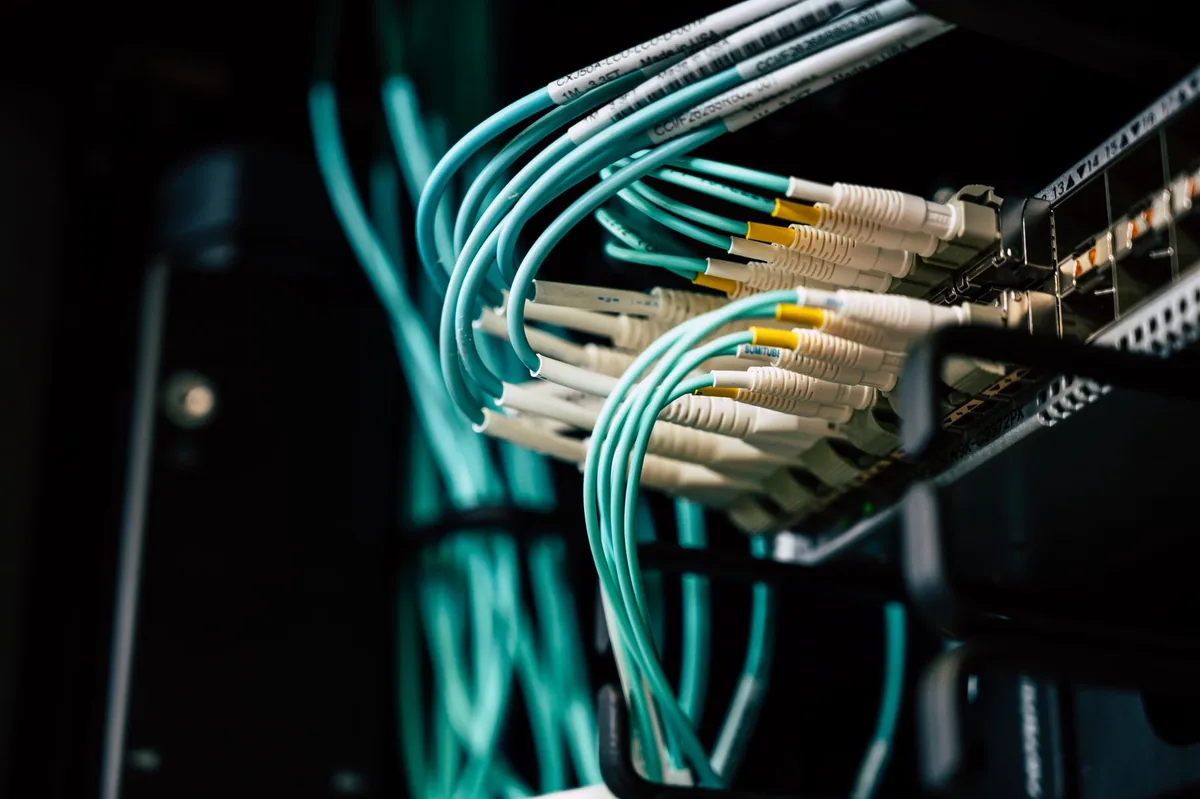
Cendyn, which joined Google's closed beta testing with selected hotels ahead of the product's general release, emphasized that commercial teams must review campaign infrastructure, booking engine connectivity, and data feeds immediately [2]. Inaccurate rates or broken booking pipes prevent automated bidding algorithms from matching ad content to user intent [2]. The format also incorporates data-driven attribution models alongside detailed keyword and search-term reporting [2].
What commercial risks arise from paid automated campaigns?
Paid automated campaigns create significant commercial exposure when paid placements capture reservations that organic search channels would have won without ad spend [2]. Asian Hospitality highlighted research published in the Cornell Hospitality Quarterly in 2025 by Frances Wang, Jeff Larson, and Chris Anderson, titled "Free, Paid, or Pass: Revenue Optimization via Product Search Advertising" [2]. The researchers studied Google Hotel Finder advertising across 26 properties through a controlled field experiment [2].
The study found that while paid visibility cannibalized some organic reservations, it also produced new demand and redirected bookings toward lower-cost distribution channels [2]. The net revenue benefit depended heavily on property capacity and baseline brand exposure [2]. Attributed conversions frequently mislead asset owners because an ad-attributed booking does not prove that marketing spend created net-new demand [2]. If paid ads capture guests who were already committed to booking directly, customer acquisition costs climb while net revenue remains flat [2].
| Capability Dimension | Google Search Campaigns for Travel (AI Max) | Autonomous Agentic Systems (Instinct, Muse) |
|---|---|---|
| Core Operating Engine | AI Max automated bidding and query matching [2] | Autonomous machine-to-machine booking agents [1] |
| Data Feed Requirement | Live rates, room availability, and booking links [2] | Structured API connectivity and catalog inventory [1], [2] |
| Distribution Interface | Unified search ads, booking links, and AI Mode [2] | Conversational interfaces and automated agents [1], [2] |
| Rollout Timeline | Announced April 30; US AI Mode expanded August [2] | Market entry and adoption scaling through 2026 [1] |
| Commercial Risk | Cannibalization of organic direct traffic [2] | Disintermediation and lack of technical readiness [1] |
How should commercial directors measure true performance?
Commercial directors, revenue leaders, and hotel owners must evaluate campaign results by measuring incremental bookings and net revenue after deducting acquisition expenses, rather than relying on raw click counts or standard platform attribution [2]. Asian Hospitality reported that automated bidding engines achieve configured targets efficiently, but the ultimate commercial return remains entirely dependent on the integrity of measurement data [2]. Operators must benchmark campaign outcomes against room capacity constraints and production figures across other distribution channels [2].
Skift reported that operating decisions at hospitality firms center on how to structure capital investment, technical exploration, and day-to-day execution [1]. Because AI labs move faster than hotel commercial structures, properties that fail to connect accurate rate feeds to these distribution mechanisms risk paying inflated acquisition fees or becoming invisible to automated reservation agents [1], [2].
Reported by
This article was written from the following reporting. Follow the links for the original coverage.
- [1]Travel Sector Unprepared for Agentic AI Booking Shift— Skift
- [2]Google Combines Hotel Ads into Standard Search Campaigns— asianhospitality.com
Frequently asked
+What is Google Search Campaigns for Travel?
Announced on April 30, it is an ad format combining travel feeds and booking links inside standard Google Search campaigns powered by AI Max. It merges automated bidding, tailored ad creative, search context landing pages, and unified reporting into a single purchasing portal.
+How does Google AI Max utilize hotel rate feeds?
Google AI Max uses live rates, room availability, and booking links to decide when and how a hotel ad displays. The system evaluates current inventory against search context to tailor ad text, pick landing pages, and adjust bidding.
+What are agentic AI booking platforms?
Agentic AI platforms like Instinct and Muse are autonomous software tools that research and complete travel bookings on behalf of consumers through conversational interfaces and machine interactions, moving beyond standard search engine result pages.
+Do paid hotel search ads cannibalize organic bookings?
Yes. A 2025 Cornell Hospitality Quarterly study of 26 hotels found that paid search ads cannibalized some organic bookings. However, paid campaigns also generated net-new demand and shifted volume to lower-cost channels when properties had available room capacity.
+How should revenue managers evaluate AI Max campaign profitability?
Commercial teams should measure incremental bookings and net revenue after acquisition costs rather than clicks or attributed conversions alone. Performance figures must be cross-referenced against room capacity and bookings from other direct and indirect distribution channels.
Keep reading
Our reporting

More in technology