Hospitality and Construction Turn to H-2B Visas Amid Labor Shortages
As a record shortage of workers looms, employers are requesting thousands of supplemental visas and backing immigration reform to fill empty roles.
The short answer
Hospitality and construction employers are increasingly relying on supplemental H-2B visas and federal immigration reform to fill persistent operational gaps. Trade associations are also funding vocational education to counter the shortage of native-born skilled workers.
The short version
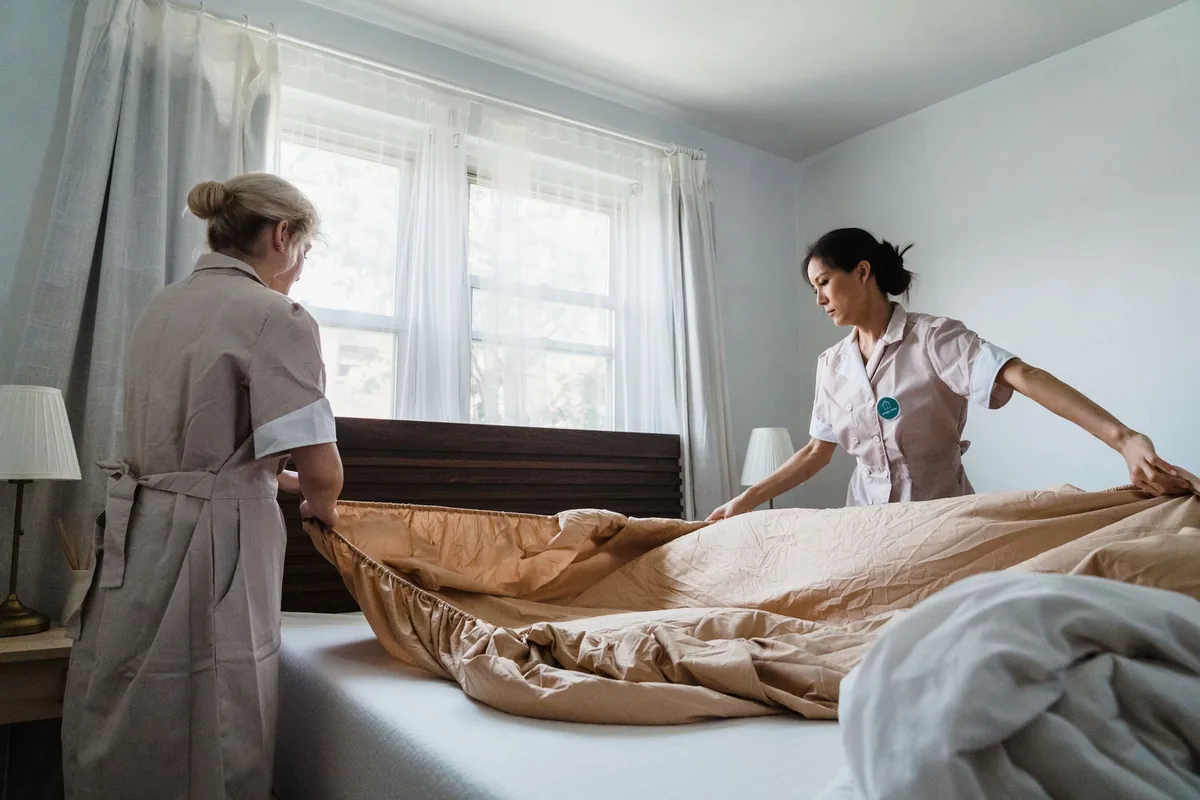
- 13,462 maids and housekeeping cleaners were requested through the H-2B program in the 12 months ending March 2026.
- The Department of Homeland Security added 64,716 supplemental H-2B visas for fiscal year 2026.
- Rhode Island leads the nation in H-2B reliance, with 98.9 percent of its seasonal requests in non-agricultural roles.
Industries facing persistent labor shortages are responding by lobbying for federal immigration reform like the Dignity Act, applying for supplemental H-2B visas, and funding trade education. These separate developments show employers relying heavily on foreign labor and vocational training to fill operational gaps as a record shortage of workers looms despite fresh graduates entering the workforce.
Why are employers turning to federal immigration policy?
Business groups are pushing for new legislation because domestic workers are not filling open roles across multiple trades. According to Pro Builder, the National Association of Home Builders is backing the Dignity Act, a bill creating a seven-year pathway for undocumented individuals who have been in the United States since at least 2020. The legislation requires participants to meet strict rules each year to earn indefinitely renewable work authorization. Pro Builder noted this act is supported broadly across hospitality, agriculture, and healthcare, as all face critical labor shortages that have massive economic impacts. Furthermore, the American Immigration Council reported that more than one-third of all skilled trades workers nationwide are foreign-born, highlighting the heavy reliance on non-native labor.

How many foreign workers do hotels and restaurants actually request?
Hospitality employers requested tens of thousands of seasonal workers in the 12-month period ending in March 2026. A data analysis published by Manifest Law showed that employers requested 13,462 maids and housekeeping cleaners, as well as 10,025 restaurant cooks. Amusement and recreation attendants accounted for another 9,310 requested positions. These figures reflect employer demand for seasonal workers rather than the number of workers ultimately admitted through the program. Manifest Law reported that coastal and tourism-oriented communities rely heavily on these H-2B workers to meet seasonal demand in hospitality and related services. New England relies most heavily on the H-2B program, with Rhode Island ranking highest at 98.9 percent of its seasonal foreign labor requests falling under non-agricultural occupations, while Washington State ranks lowest at 6.3 percent.
What is the current cap on H-2B visas?
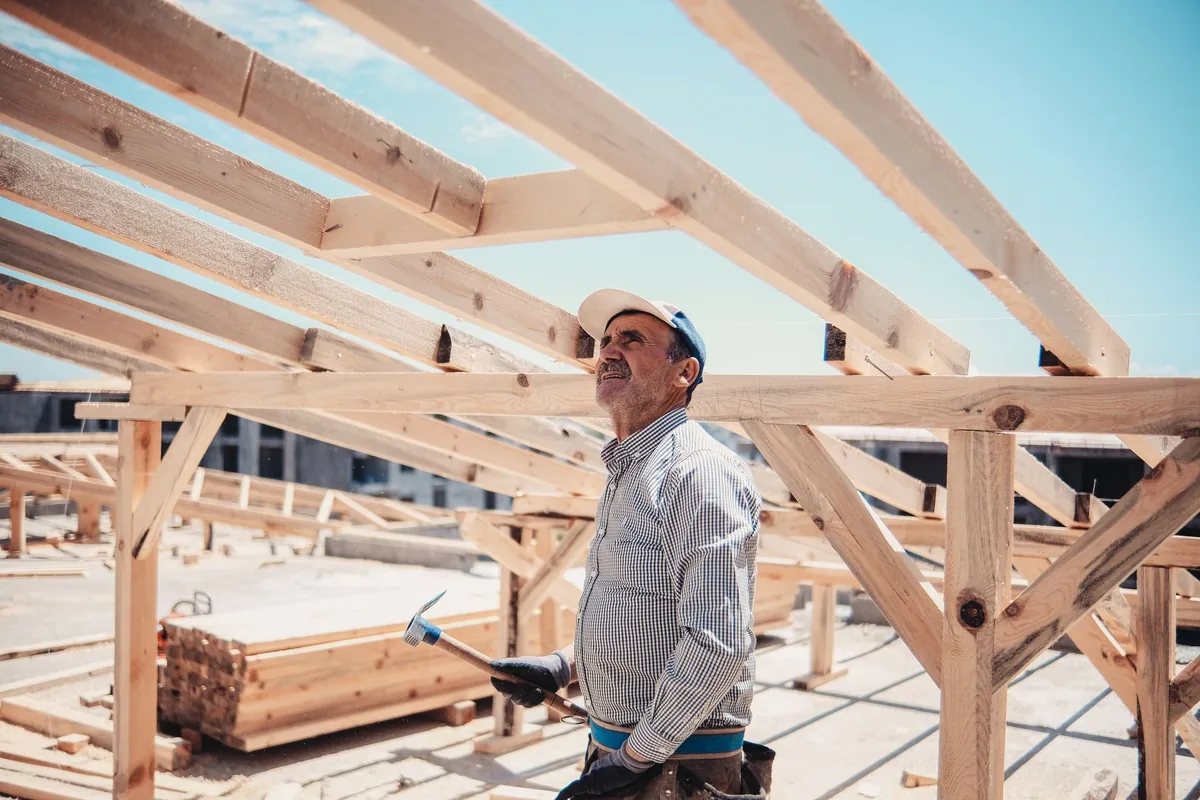
The standard annual limit for H-2B visas is 66,000, but federal departments regularly authorize supplemental numbers. In May 2026, the Department of Homeland Security and the Department of Labor authorized an additional 64,716 supplemental H-2B visas for fiscal year 2026, bringing the total limit to 130,716, according to Pro Builder. Out of those added visas, 46,226 are reserved exclusively for returning workers who received an H-2B visa or were granted H-2B status in one of the last three fiscal years. Manifest Law confirmed that Congress and the Department of Homeland Security have regularly authorized these supplemental visas in recent years because employer demand consistently exceeds the statutory limit.
How does the construction shortfall compare to hospitality?
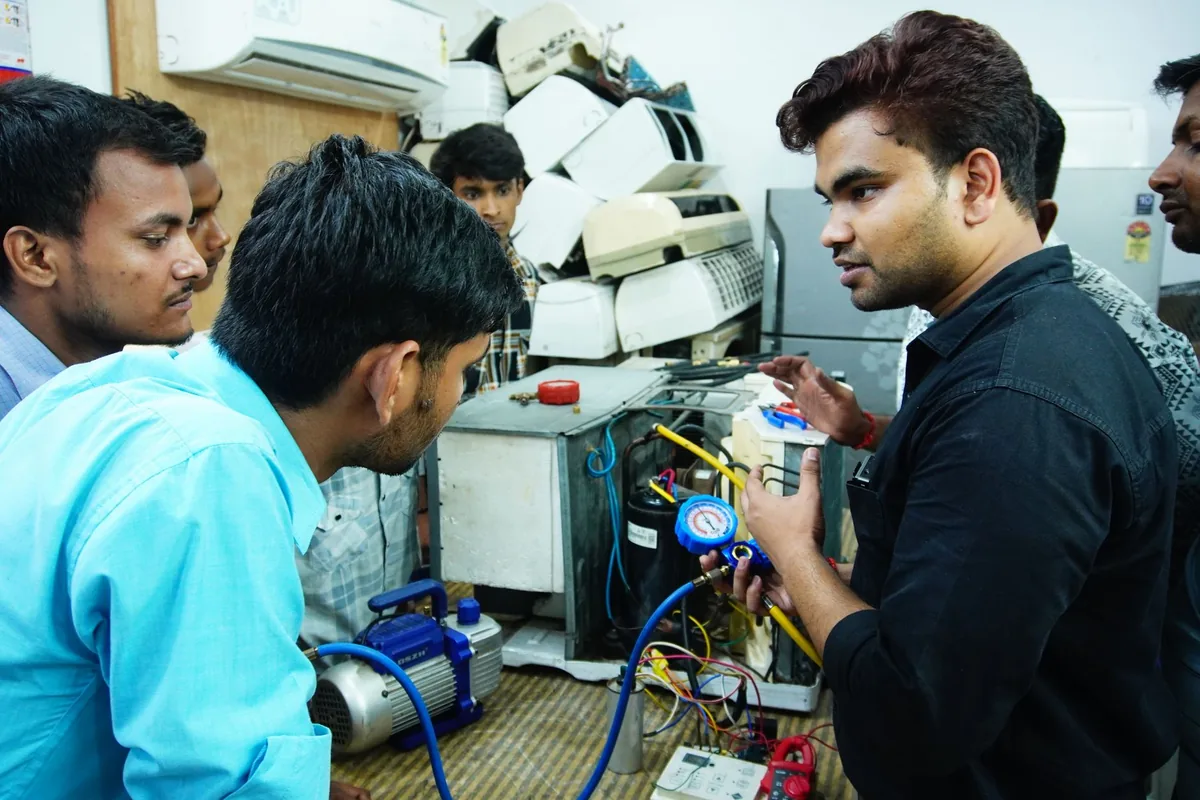
The residential construction industry has more than 200,000 job openings every month, creating an $11 billion annual cost due to longer cycle times, carrying costs, and higher wages. Pro Builder reported that meeting future demand requires 2.2 million new skilled workers over the next three years. The median wage for construction reached $61,370 in 2025. While hospitality relies on H-2B visas, construction uses both H-2B and H-2A programs. Manifest Law data showed employers requested 7,934 construction laborers through the H-2B program. In the agricultural H-2A program, employers also requested 3,699 construction laborers and 2,315 carpenter helpers to support farming operations.
| Occupation | Visa Program | Requested Positions (12 Months Ending March 2026) |
|---|---|---|
| Farmworkers and laborers (crops/nurseries) | H-2A | 533,000 |
| Landscaping and groundskeeping workers | H-2B | 79,400 |
| Agricultural equipment operators | H-2A | 64,300 |
| Farmworkers (animals) | H-2A | 26,300 |
| Maids and housekeeping cleaners | H-2B | 13,462 |
| Forest and conservation workers | H-2B | 13,014 |
| Restaurant cooks | H-2B | 10,025 |
| Amusement and recreation attendants | H-2B | 9,310 |
| Construction laborers | H-2B | 7,934 |
What role does education play in filling these gaps?
Employers and trade associations are funding vocational training to replace the generation of workers lost to the stigma surrounding trade careers. Pro Builder stated that an emphasis on "college for all" educational policy steered young people away from trade skills. To counter this, legislation like the CONSTRUCTS Act aims to fund trade school programs. Meanwhile, Fox 21 Online reported that a record shortage of workers is projected even as college graduates fret over finding jobs. Fox 21 Online highlighted the Revolution Workshop, a non-profit training organization in Chicago, Illinois, where male and female students learn construction skills directly. These educational initiatives operate alongside immigration policy as a dual approach to staffing shortages.
Reported by
This article was written from the following reporting. Follow the links for the original coverage.
- [1]Record Labor Shortage Looming Despite Fresh Graduates— fox21online.com
- [2]NAHB Backs Federal Legislation to Fix Skilled Labor Shortage— probuilder.com
- [3]Hospitality Among Top Industries Reliant on H-2B Visas— manifestlaw.com
Frequently asked
+How many H-2B visas are available annually?
The standard statutory limit is 66,000 visas per year. However, the Department of Homeland Security and Department of Labor authorized an additional 64,716 supplemental visas for fiscal year 2026, bringing the total to 130,716.
+How many housekeepers did employers request through the H-2B program?
In the 12-month period ending in March 2026, employers requested 13,462 maids and housekeeping cleaners through the H-2B labor certification process.
+What is the Dignity Act?
The Dignity Act is a piece of legislation that creates a seven-year pathway for undocumented individuals in the U.S. since 2020 to earn indefinitely renewable work authorization by meeting strict annual conditions.
+Which US state relies the most on non-agricultural seasonal foreign labor?
Rhode Island ranks highest in the United States, with 98.9 percent of its seasonal foreign labor requests falling under non-agricultural H-2B occupations.
+How much does the construction labor shortage cost the industry?
The shortage of more than 200,000 residential construction workers every month costs the industry nearly $11 billion dollars per year due to longer cycle times, carrying costs, and higher wages.
Keep reading
Our reporting


More in hr