H-2B Relief and Untapped Talent: Hotel Labor Options
Federal caps rise to 130,716 visas while alternative pipelines offer domestic solutions for hospitality operators.
The short answer
Hotel operators are navigating structural staffing shortages by pairing supplemental H-2B guest worker visas with underutilized domestic talent pools. Federal visa caps increased to 130,716 for fiscal year 2026 while inclusion initiatives open pathways for hundreds of thousands of neurodiverse workers.
The short version
- Department of Homeland Security expanded fiscal year 2026 H-2B visas to 130,716 total spots.
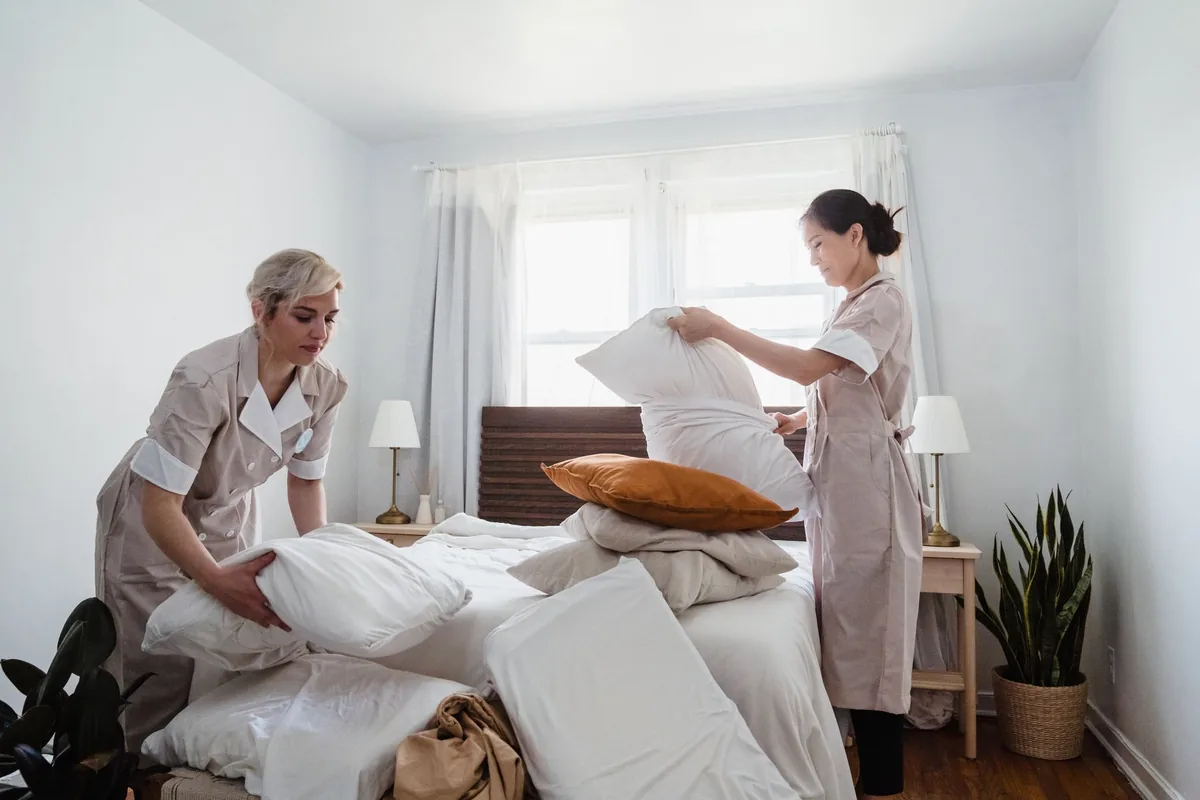
- 13,462 housekeeping cleaner positions were requested through the H-2B program over 12 months.
- Ready, Willing and Able has placed more than 6,300 neurodiverse workers into competitive employment since 2014.
Hotel operators facing structural labor deficits must combine temporary foreign worker visas with overlooked domestic talent pools to maintain guest service levels. The Department of Homeland Security and the Department of Labor authorized 64,716 supplemental H-2B visas for fiscal year 2026, while Canadian inclusion programs demonstrate how hiring neurodiverse workers can fill thousands of long-standing service vacancies [[1], [3]].
How are federal visa expansions easing hospitality shortages?
Federal agencies expanded the H-2B nonimmigrant work visa quota to alleviate pressure on industries reliant on peak seasonal staffing. The statutory baseline of the H-2B program is limited to 66,000 visas per year, but the Department of Homeland Security and Department of Labor authorized an additional 64,716 supplemental visas for fiscal year 2026, bringing the total limit to 130,716, as ProBuilder reported [3]. Of those 64,716 added visas, 46,226 are designated strictly for returning workers who held H-2B status during one of the previous three fiscal years [3].
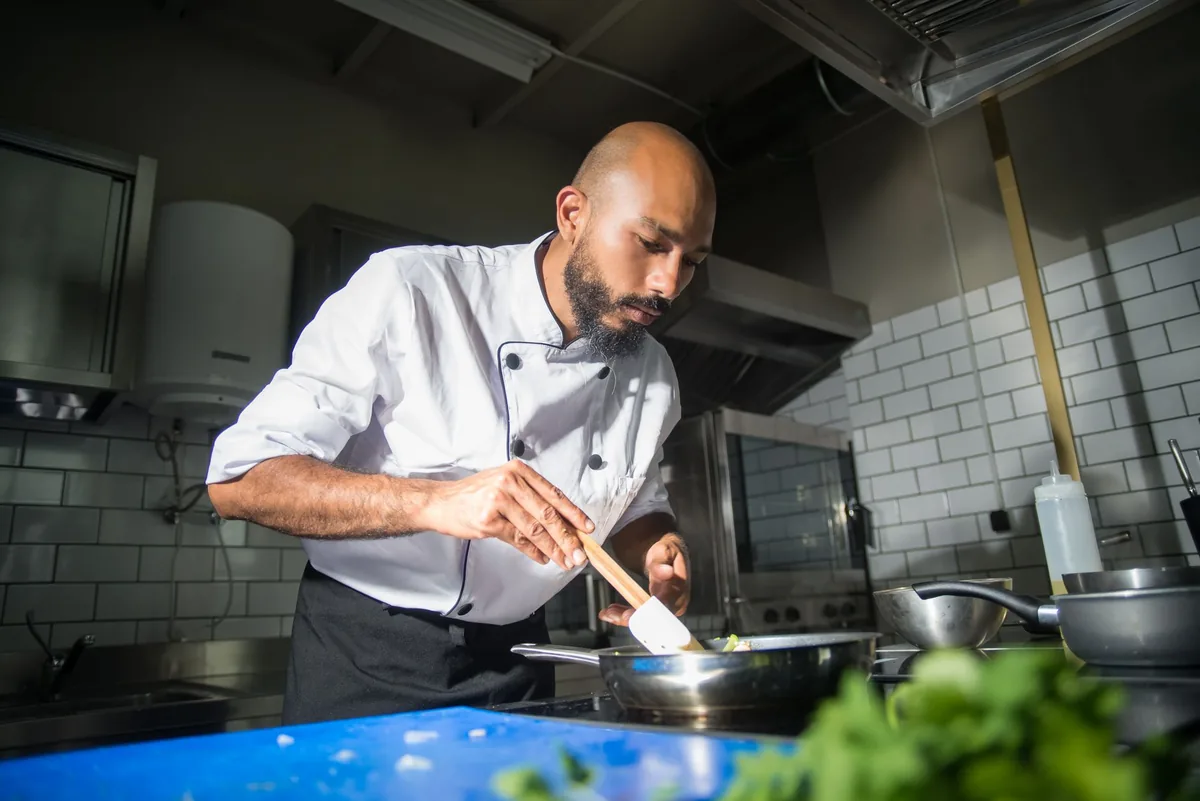
Hospitality represents one of the primary drivers of this non-agricultural guest worker demand [4]. Analysis of U.S. Department of Labor certification figures shows that employers requested 13,462 maids and housekeeping cleaners during the 12-month period ending in March 2026, according to Manifest Law [4]. Restaurant cooks ranked among the leading occupational requests as well, with hotel and restaurant employers submitting petitions for 10,025 positions [4].
| H-2B Certified Occupation | Workers Requested | Primary Program Category |
|---|---|---|
| Landscaping and groundskeeping workers | 79,400 | Non-agricultural seasonal |
| Maids and housekeeping cleaners | 13,462 | Non-agricultural seasonal |
| Forest and conservation workers | 13,014 | Non-agricultural seasonal |
| Restaurant cooks | 10,025 | Non-agricultural seasonal |
| Amusement and recreation attendants | 9,310 | Non-agricultural seasonal |
| Construction laborers | 7,934 | Non-agricultural seasonal |
What broader immigration reforms are hospitality groups tracking?
Broad legislative reforms aim to provide permanent employment status to undocumented workers already active across service sectors. The Dignity Act, supported across hospitality, agriculture, healthcare, and construction, establishes a seven-year pathway for undocumented individuals who have resided in the United States since at least 2020, according to ProBuilder [3]. Meeting annual conditions under the proposed measure would grant individuals indefinitely renewable, permanent work authorization [3].
Passing the bill faces hurdles. ProBuilder reported that during a midterm election year, the measure encounters obstacles because the White House and the House Judiciary Committee prioritize enforcement policies ahead of comprehensive reform [3]. Construction advocates have simultaneously pushed for industry-specific work permits to ease wage escalation and schedule delays, issues that also disrupt hotel property development and capital improvements [3].
Can domestic alternative talent pools reduce foreign visa reliance?
Alternative domestic labor initiatives provide dependable personnel while bypassing immigration backlogs. In Canada, roughly 500,000 working-age individuals with intellectual disabilities or autism remain unemployed or underemployed despite being able to work, the Vancouver Sun reported [1]. Misconceptions regarding productivity and operational adjustments have prevented employers from tapping this pool [1].
To address this mismatch, the national initiative Ready, Willing and Able—a partnership between Inclusion Canada and the Autism Alliance of Canada backed by Employment and Social Development Canada—has connected candidates to over 6,300 competitive jobs since launching in 2014 [1]. The initiative shifts recruitment toward workplace strengths rather than limitations, providing hotels and service employers with dedicated staff amid demographic pressures [1]. An RBC Economics report noted that labor constraints will intensify due to retirements alongside revisions to immigration targets [1].
Why do demographic shifts require multi-channel recruitment?
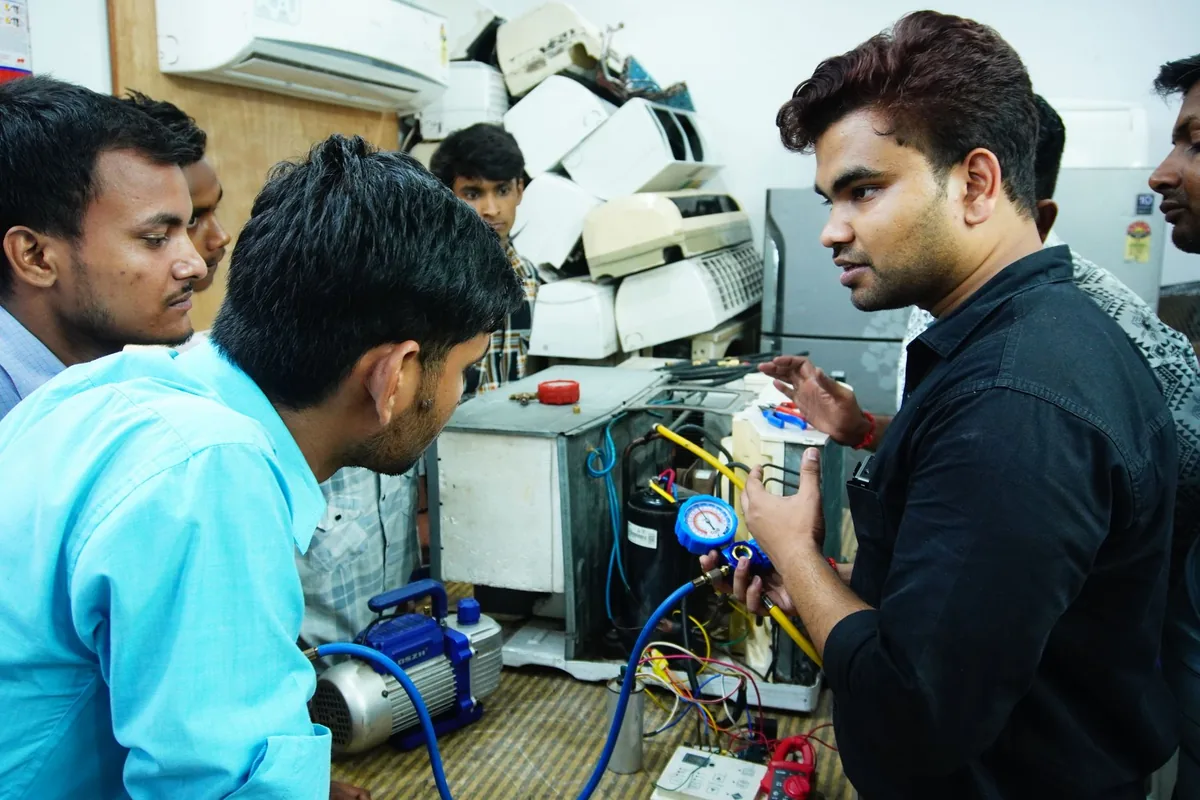
Workforce challenges stem from long-term generational and demographic patterns rather than temporary disruptions. ProBuilder noted that decades of social stigma around service trades and a sustained push toward four-year degrees left vocational sectors short of staff [3]. Fox 21 reported that non-profit training programs, such as the Revolution Workshop in Chicago, are actively preparing male and female students to counteract projected national worker shortages [2].
Relying on a single recruitment stream exposes properties to regulatory risk and seasonal service deficits. Combining supplemental H-2B allocations with structured domestic community inclusion models gives hotel general managers, owners, and operators a reliable workforce across front-line departments [[1], [3]].
Reported by
This article was written from the following reporting. Follow the links for the original coverage.
- [1]Canada Employers Overlook 500k Neurodiverse Workers— vancouversun.com
- [2]Record Labor Shortage Looming Despite Fresh Graduates— fox21online.com
- [3]NAHB Backs Federal Legislation to Fix Skilled Labor Shortage— probuilder.com
- [4]Hospitality Among Top Industries Reliant on H-2B Visas— manifestlaw.com
Frequently asked
+How many H-2B visas were authorized for fiscal year 2026?
The Department of Homeland Security and Department of Labor authorized 64,716 supplemental visas on top of the statutory 66,000 cap, bringing the total to 130,716. Of those added, 46,226 were reserved for returning workers who held H-2B status in the past three years.
+What hospitality roles see the highest volume of H-2B requests?
Maids and housekeeping cleaners represent the largest hospitality occupation in the program, with employers requesting 13,462 workers in the 12 months ending March 2026. Restaurant cooks followed with 10,025 requested worker certifications.
+What is the purpose of the Dignity Act?
The Dignity Act proposes a seven-year pathway for undocumented individuals living in the U.S. since at least 2020. Fulfilling annual rules and conditions would earn workers indefinitely renewable, permanent work authorization across sectors including hospitality and construction.
+How does Ready, Willing and Able assist employers?
Ready, Willing and Able connects employers with jobseekers who have autism or intellectual disabilities. Supported by Employment and Social Development Canada, the program has helped fill over 6,300 jobs since 2014 by focusing on skills and workplace capabilities.
+Why are Canadian employers facing compounding labor shortages?
According to an RBC Economics report, labor shortages in Canada are expected to worsen as worker retirements increase alongside upcoming changes in national immigration policy.
Keep reading
Our reporting

More in hr