Hilton CEO: Service Fundamentals Outweigh AI Disruption
Christopher Nassetta outlines why reliable service and workforce culture remain the core inputs feeding AI booking engines.
The short answer
Hilton CEO Christopher Nassetta explains how foundational service quality and workplace culture dictate brand visibility in AI-driven search models. By pairing 28 distinct brands with proprietary technology like the Hilton AI Planner, the company targets durable lifetime guest loyalty.
“Ultimately, earning a place in an AI recommendation comes down to the same thing that has always earned guest loyalty: being relevant to the traveler and delivering the industry’s most reliable and friendly stays.”
The short version
- Hilton relies on consistent service quality and positive guest reviews to win recommendations inside emerging AI search engines.
- Small and medium-sized business travel is driving growth across midscale and upper midscale properties during midweek periods.
- Hilton maintains 28 distinct brands linked by the Hilton Honors platform to capture varied trip occasions.
Hilton President and CEO Christopher Nassetta affirms that traditional service fundamentals—reliability, workplace culture, and friendly guest experiences—remain the deciding factors for winning traveler bookings in the artificial intelligence era. As AI engines increasingly act as digital gatekeepers for hotel discovery, high operational execution feeds the guest reviews and sentiment data that algorithms require to recommend brands.
How does AI change guest recommendations for hotel brands?
Artificial intelligence alters the search gatekeeper rather than the underlying requirements for earning customer loyalty, according to Skift [1]. Earning recommendations from algorithmic search engines depends on delivering reliable and friendly stays that generate positive guest reviews across global networks [1]. Those verified guest sentiments directly inform the training datasets and recommendation algorithms travelers use to evaluate lodging options [1].
Alongside external search shifts, Hilton is deploying direct consumer tools such as the Hilton AI Planner [1]. The system combines proprietary hotel content with local destination data to generate personalized recommendations directly within the company's booking ecosystem [1]. As Nassetta outlined to Skift, the company relies on an owned proprietary technology platform to scale digital capabilities across its network rather than depending on single, isolated tools [1].
Why is workplace culture treated as a primary technology input?
Workplace culture functions as the starting mechanism for guest satisfaction, which subsequently powers algorithmic visibility [1]. Frontline team members who feel a sense of belonging produce superior service interactions, translating directly into repeat stays and verified reviews [1]. Hilton links employee sentiment to commercial performance through the operating philosophy that being the best place to work enables the company to be the best place to stay [1].
The guest relationship has shifted from a series of disconnected, single transactions into an ongoing relationship spanning multiple trip types across a traveler's lifetime [1]. Maintaining lifetime loyalty requires continuous operational consistency across varied stays, including business trips, family vacations, and milestone events [1].
What demand trends are shaping midscale and corporate travel?
Midweek business travel driven by small and medium-sized businesses is producing strong demand momentum across midscale and upper midscale hotels [1]. While industry discussions previously centered on the resilience of luxury travel, recent booking patterns show broadening demand across diverse market tiers [1]. Corporate travel from smaller enterprises provides a balanced, durable base of demand across commercial properties [1].

| Operational Focus Area | Hilton Strategy Component | Commercial Objective |
|---|---|---|
| Digital Discovery | Hilton AI Planner & Proprietary Tech | Deliver direct, personalized trip planning |
| Frontline Operations | Workplace Culture Development | Drive positive guest reviews feeding AI tools |
| Market Reach | 28 Targeted Brands | Capture fragmented trip occasions |
| Customer Retention | Hilton Honors Platform | Connect multi-brand stays under one relationship |
How does brand portfolio expansion address fragmented traveler behavior?
Expanding to 28 distinct brands enables the company to capture fragmented trip purposes, price tiers, and global destinations [1]. Travelers increasingly choose lodging tailored to specific trip needs rather than relying on a single uniform hotel model [1]. The Hilton Honors loyalty program serves as the connective thread across all 28 brands, allowing guests to navigate different price points while remaining within one unified account architecture [1].
What role will major global events play in driving hospitality demand?
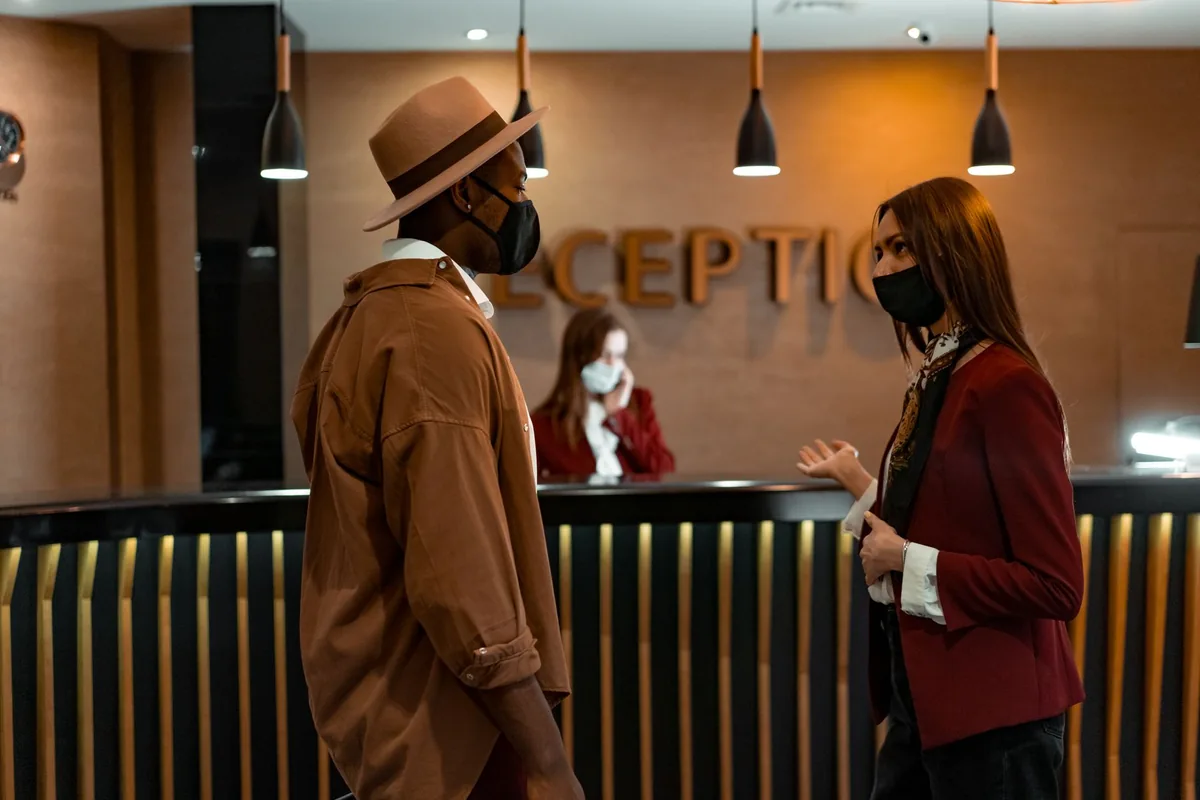
Major international sporting events serve as practical demonstrations of travel bringing diverse groups together, as observed during recent global competitions and looking ahead to the 2028 Olympic Games in Los Angeles [1]. Frontline lobby interactions and shared physical experiences between guests and staff demonstrate the enduring human component of hospitality [1]. Nassetta reiterated that founder Conrad Hilton's vision of hospitality as a positive global force remains central to the organization's long-term operational identity [1].
Reported by
This article was written from the following reporting. Follow the links for the original coverage.
Frequently asked
+How does Hilton ensure its properties get recommended by AI models?
Hilton focuses on delivering reliable, friendly stays that generate positive reviews across digital networks. These verified reviews feed into external AI models, while Hilton simultaneously deploys its proprietary Hilton AI Planner to deliver direct, personalized trip recommendations.
+What is the Hilton AI Planner?
The Hilton AI Planner is a proprietary tool that combines Hilton property content with local destination details, offering travelers personalized stay and activity recommendations directly within the brand's digital channels.
+Why does Hilton maintain a portfolio of 28 distinct brands?
A 28-brand portfolio allows Hilton to meet fragmented traveler demand across varying price points, locations, and trip purposes, while Hilton Honors connects the brands under a single loyalty architecture.
+What recent shift has Hilton observed in business travel demand?
Hilton has seen marked strength in midweek business travel from small and medium-sized businesses, broadening demand into midscale and upper midscale properties alongside luxury segments.
+How does workforce culture impact Hilton's commercial performance?
Hilton views employee satisfaction as an operational driver. When team members feel supported, they provide higher quality service, which elevates guest reviews and drives long-term customer retention.
Keep reading
Our reporting
More in technology