Google Search Changes Threaten Direct Hotel Bookings
European DMA compliance shifts organic search visibility toward intermediaries, cutting direct hotel booking clicks by up to 30%.
The short answer
Google search modifications complying with the EU Digital Markets Act have reduced free direct booking clicks to European hotels by up to 30%. The platform now favors comparison aggregators like Booking.com, forcing operators to prioritize conversion rates and first-party retention.
The short version
- Google compliance with the EU Digital Markets Act reduced free direct hotel booking clicks by up to 30%.
- Comparison platforms like Expedia and Booking.com receive more prominent display space over direct hotel links.
- Hotels must rely on first-party data and retention strategies to counter rising acquisition costs.
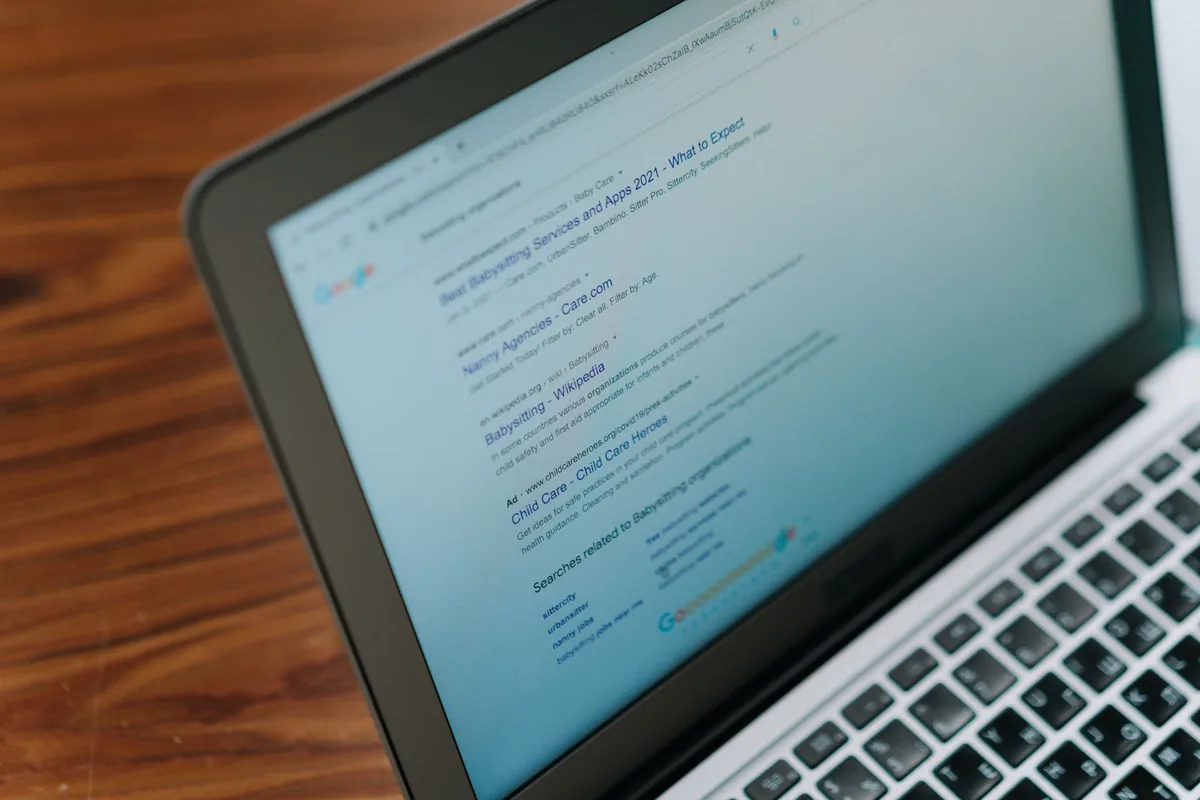
Google altered its European search results to comply with the European Union’s Digital Markets Act (DMA), giving greater prominence to comparison sites like Booking.com and Expedia while curbing direct hotel listing visibility [1]. According to eHotelier, earlier compliance updates reduced free direct booking clicks for some European properties by up to 30% [1].
Why is Google changing travel search results in Europe?
Google modified its search engine layout to comply with legal requirements set under the European Union’s Digital Markets Act [1]. European regulators designed the DMA to stop major technology companies from favoring their proprietary services over third-party alternatives [1]. As eHotelier reported, Google has rolled out more than 20 separate search modifications across Europe under this regulatory framework [1]. These adjustments limit Google's existing travel search features and award prominent placement to dedicated comparison platforms and vertical travel search aggregators across the hotel, airline, and dining categories [1].

How much direct traffic are hotels losing from these updates?
Direct organic traffic dropped sharply during Google's compliance rollouts and regulatory tests across the continent [1]. Google stated in 2024 that European hotels saw free direct booking clicks decline by as much as 30% following initial changes tied to the DMA [1]. In another regional trial, Google temporarily removed specific hotel search features, which produced a direct traffic drop exceeding 10% for hotel properties while traffic directed to intermediary portals stayed flat [1]. Google later halted that specific trial, but the newest modifications continue to limit standard direct hotel listings in favor of aggregators [1].

| Search Layout Adjustment | Measured Impact on Hotels | Impact on Intermediaries | Regulatory Context |
|---|---|---|---|
| Initial DMA Compliance Changes | Free direct booking clicks fell by up to 30% [1] | Gained higher display visibility [1] | EU Digital Markets Act enforcement [1] |
| Removal of Hotel Search Features (Test) | Hotels lost more than 10% of web traffic [1] | Traffic remained largely flat [1] | Google trial (subsequently ended) [1] |
| Latest Vertical Search Rollout | Direct properties receive limited display format [1] | Dedicated comparison features gain top placement [1] | Ongoing European DMA compliance [1] |

What does this mean for guest acquisition costs?
Acquiring guests through organic search channels is becoming more expensive for European operators [1]. Google argued to regulators that elevating intermediary platforms increases operating costs for regional European businesses and makes search results less helpful [1]. When searchers get routed to online travel agencies rather than a property's direct booking engine, hotels face third-party commission fees instead of zero-cost organic visits [1]. eHotelier noted that calculating real acquisition costs requires weighing known agency commissions against direct channel expenditures, including paid search, metasearch distribution, agency fees, creative production, loyalty discounts, and website technology [1].
How should hotels respond to shrinking organic search visibility?
Hotels need to upgrade their owned direct conversion funnels instead of depending strictly on search engine optimization rankings [1]. According to eHotelier, driving traffic solves only half the challenge; websites must effectively convert visitors by streamlining mobile navigation, clarifying room type tiers, simplifying reservations, maintaining competitive pricing, and displaying amenities like parking and dining clearly [1]. Properties must also maintain their Google Business Profiles, manage local search accuracy, run paid search campaigns, and engage with metasearch channels [1].
Why does guest retention matter more under DMA search rules?
First-party data collection shields operators from escalating search acquisition expenses by extending customer lifetime value [1]. Direct bookings provide guest contact details and explicit marketing consent, allowing hotels to run pre-arrival messaging, loyalty programs, post-stay interactions, and tailored repeat offers [1]. eHotelier reported that operators frequently spend heavy sums to secure guests but abandon communication after checkout, wasting valuable retention potential [1]. Cultivating direct rebookings from prior guests avoids the discovery friction introduced by European search changes [1].
Reported by
This article was written from the following reporting. Follow the links for the original coverage.
- [1]Google Search Changes Threaten Direct Hotel Bookings— eHotelier
Frequently asked
+What prompted Google to change search results for hotels in Europe?
Google made the changes to comply with the European Union's Digital Markets Act. European regulators intended the law to curb large technology firms from favoring their own tools, prompting Google to implement more than 20 adjustments that highlight comparison engines.
+How large was the traffic decline for hotels following DMA changes?
Google reported that hotels saw reductions of as much as 30% in free direct booking clicks after initial DMA changes rolled out in 2024. A separate feature test reduced property traffic by more than 10%.
+Which third-party platforms are gaining visibility on Google?
Comparison platforms and vertical search services like Expedia and Booking.com receive more prominent positioning across travel results, including hotels, airlines, and dining searches, while direct listings appear in a more restricted format.
+Did Google permanently remove hotel search features in Europe?
Google ran a test in Europe that temporarily removed certain hotel search features, which cut hotel traffic by over 10% while intermediary traffic held flat. Google ultimately ended that specific test, though new comparison placements remain active.
+How can hotel operators offset lower organic visibility?
Operators can strengthen direct website booking experiences, refine mobile usability, audit Google Business Profiles, run paid search and metasearch campaigns, and collect first-party guest data to fuel post-stay retention campaigns and repeat bookings.
Keep reading
Our reporting

More in marketing