Airlines Expand Hotel Booking Partnerships for Ancillary Loyalty Revenue
Carriers like Air India and Avelo Airlines turn to accommodation partnerships to capture travel spend and strengthen loyalty programs.
The short answer
Airlines like Air India and Avelo Airlines are expanding hotel partnerships to capture guest accommodation spend and build ancillary loyalty revenue. These integrations provide hotel operators with direct exposure to high-value frequent flyers and bundled travel packages.
The short version
- Air India launched a Booking.com integration offering 5 Maharaja Points per INR 100 ($1.06) spent across 31 million listings.
- Avelo Airlines is developing bundled hotel and car rental partnerships set for launch in the first half of 2027.
- Airlines are using hotel accommodation tie-ups to capture travel spend beyond flight seats and improve ancillary margins.
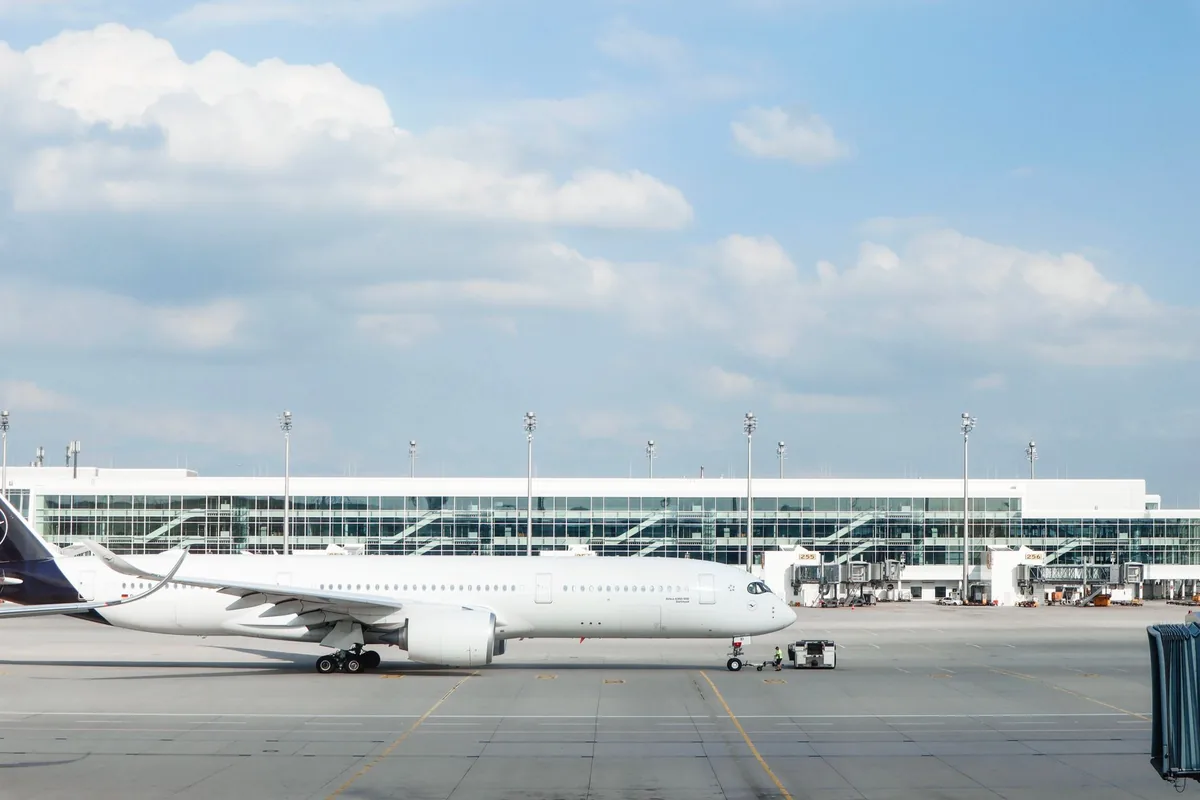
Airlines are increasingly looking beyond airfare by building dedicated hotel booking partnerships to capture broader travel spending and strengthen loyalty programs. Rather than relying solely on seat inventory, carriers ranging from full-service international operators like Air India to budget carriers like Avelo Airlines are introducing accommodation integrations to generate ancillary commissions and retain high-value frequent flyers [[1], [2]].
How are full-service carriers integrating hotel bookings into loyalty programs?
Air India partnered with Booking.com to launch a dedicated co-branded platform directly inside the airline's website and application, as reported by Skift [1]. This integration opens inventory of 31 million accommodation listings—including 8.6 million homes, villas, and unique stays—directly to Maharaja Club frequent-flyer members [1].

The economic incentive for travelers centers on loyalty currency accrual. Under the agreement, Maharaja Club members earn 5 Maharaja Points for every INR 100 ($1.06) spent on accommodation booked via the platform [1]. These points are redeemable for award flights and cabin upgrades, backed by an introductory discount of up to 15% on participating properties between June 22 and July 21 [1]. Over the past two years, Air India has also added cruises, car rentals, and gift cards to diversify program earnings [1].
How are budget carriers planning to use hotel partnerships?
Budget and ultra-low-cost carriers are pursuing hotel partnerships as a direct commercial recovery tool to support margins and bundle travel products. Skift reported that US-based Avelo Airlines is evaluating rental car and hotel partnerships to help improve its bottom line following the termination of a controversial charter arrangement with Immigration and Customs Enforcement [2].
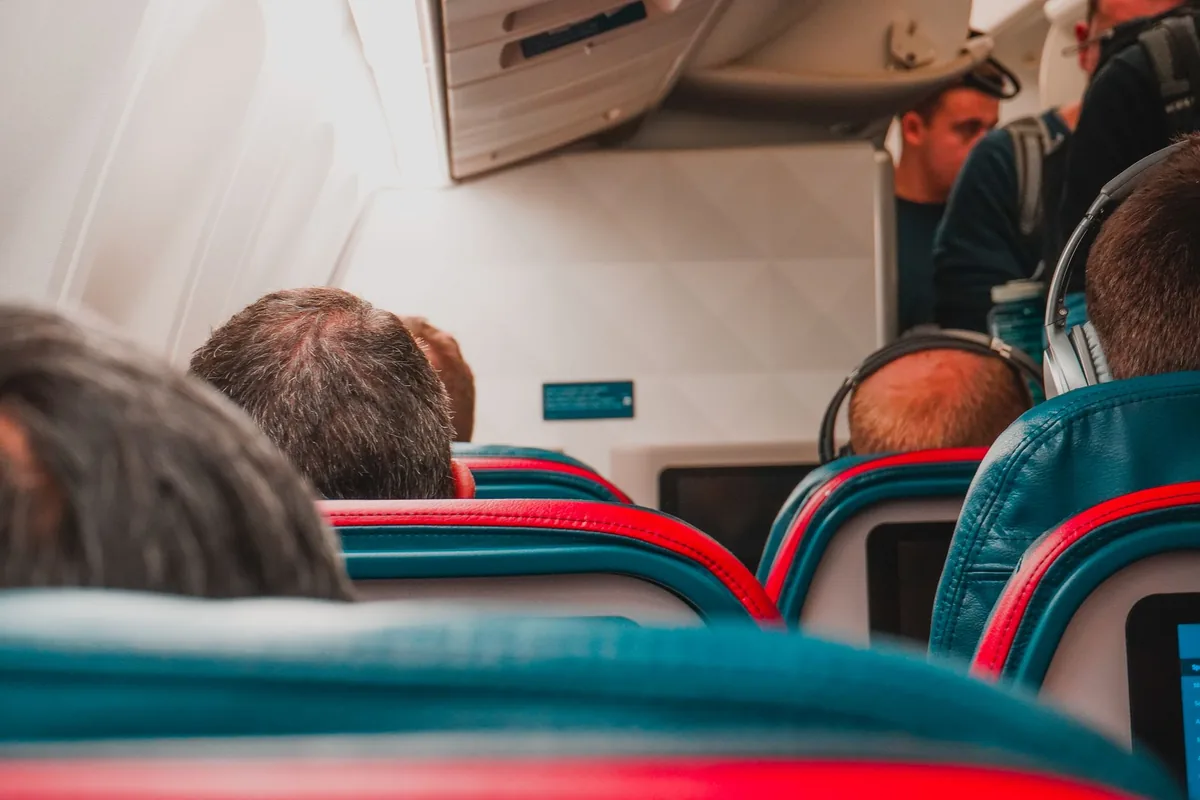
Speaking at an industry event in Charleston, Avelo Airlines CEO Andrew Levy confirmed that the carrier expects to launch bundled hotel and rental car offerings in the first half of 2027 [2]. The carrier has previously deployed a travel insurance partnership and a subscription service as part of its ancillary lineup [2].
| Carrier | Partnership / Structure | Target Timeline | Loyalty / Commerce Mechanics |
|---|---|---|---|
| Air India | Booking.com co-branded platform | Live (June 2026) | 5 Maharaja Points per INR 100 ($1.06) spent; up to 15% promotional discount |
| Avelo Airlines | Car and hotel bundling partners | First half of 2027 | Packaged ancillary rates following models like Allegiant |
Why are hotel partnerships becoming a commercial priority for airlines?
Airlines target accommodation bookings because lodging represents one of the largest pools of total travel spend outside the flight itself [1]. By capturing hotel transactions during the booking flow, carriers earn ancillary commissions while keeping travelers engaged inside their commercial network [[1], [2]].
As Skift noted, this model has already been proven across Gulf, Asian, and domestic carriers, prompting operators like Air India to catch up through loyalty-led commerce [1]. For low-cost carriers dealing with thin operating margins, shrinking networks, and shifts in consumer demand, packaged hotel deals mirror models established by airlines such as Allegiant to deliver non-ticket revenue [2].
What does this shift mean for hotel distribution and online travel competition?
For hotel operators, airline partnerships create direct channels to high-intent leisure and corporate travelers through established airline loyalty programs [1]. In markets such as India, the tie-up between Air India and Booking.com provides the online travel agency with direct access to loyal, high-value airline customers, intensifying competition with established domestic distribution channels such as MakeMyTrip [1].
Reported by
This article was written from the following reporting. Follow the links for the original coverage.
Frequently asked
+How does the Air India partnership with Booking.com work for loyalty members?
Air India Maharaja Club members gain access to 31 million accommodation listings through a co-branded platform, earning 5 points per INR 100 ($1.06) spent, redeemable for flights and cabin upgrades.
+When does Avelo Airlines plan to introduce hotel booking packages?
Avelo Airlines plans to launch bundled hotel and rental car products in the first half of 2027 to boost ancillary bottom-line revenue.
+Why are regional and international airlines integrating hotel inventory?
Airlines integrate accommodation inventory to capture a share of total travel spend, diversify away from seat-only revenue, and strengthen frequent-flyer loyalty programs.
+How do airline hotel platforms impact major online travel agencies?
Integrations like Booking.com's deal with Air India grant global distribution platforms direct access to captive, high-value airline flyer bases, challenging dominant local online travel agents like MakeMyTrip.
+What previous ancillary products did Air India and Avelo introduce?
Air India added car rentals, cruises, and gift cards to its frequent-flyer program, while Avelo Airlines previously rolled out travel insurance partnerships and subscription services.
Keep reading
Our reporting

More in marketing