Hotel Owners Win PIP Relief With Five Upkeep Tactics
Operators secure brand waivers and multimillion-dollar deferrals by documenting upkeep, guest scores, and durable substitutions.
The short answer
Hotel operators are successfully negotiating brand property improvement plan deferrals by pairing meticulous preventive maintenance with documented guest satisfaction. Case studies show documented asset upkeep and durable material upgrades can secure waivers and defer capital obligations by at least a year.
The short version
- Bradford Allen secured PIP deferrals of at least one year at multiple properties through disciplined upkeep and brand transparency.
- 7-year replacement cycles for case goods can be waived if operators provide photographic evidence and repair documentation.
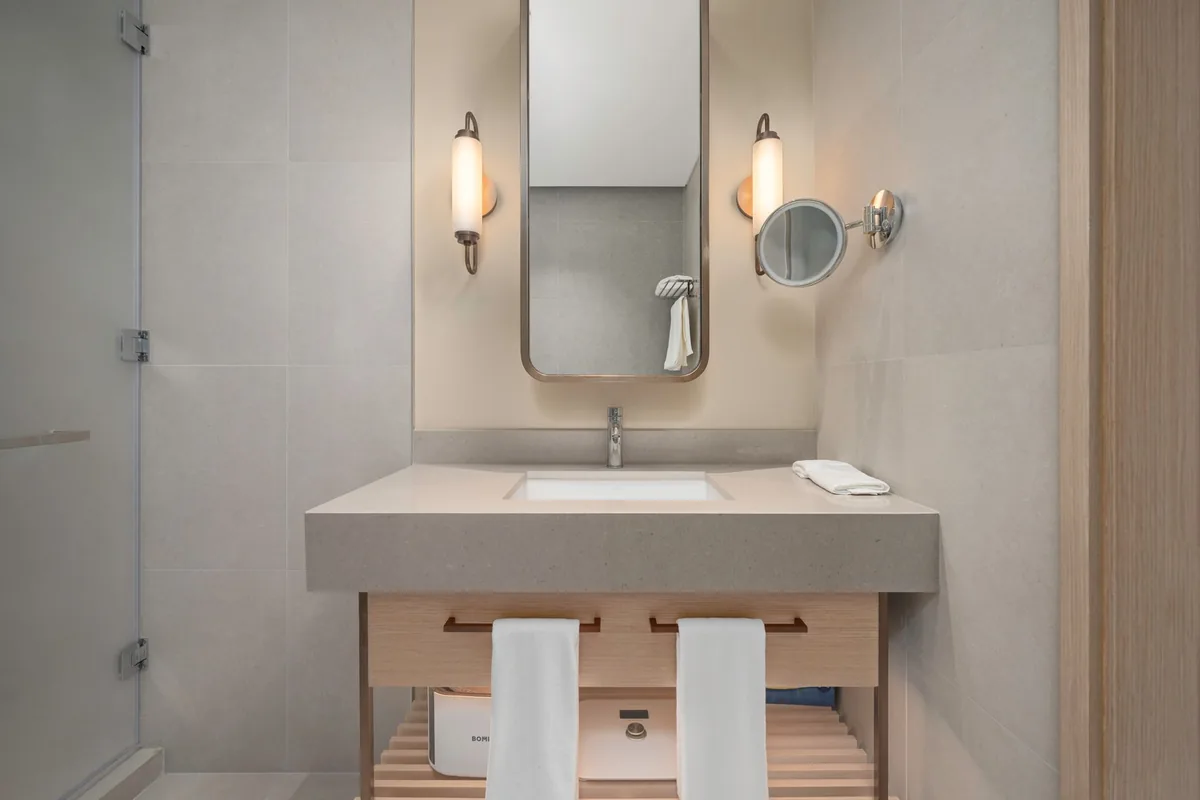
- Quartz vanity surfaces and premium fabrics extend component lifecycles to outlast standard renovation cycles.
Hotel operators can secure property improvement plan relief by demonstrating consistent preventive maintenance, presenting documented asset condition records, building compliance trust during brand audits, prioritizing guest-facing investments, and proposing durable lifecycle substitutions. By coupling strong guest review metrics with disciplined facility upkeep, ownership groups have successfully negotiated brand waivers, phased schedules, and capital expenditure deferrals spanning at least an entire year [1].
How does preventive maintenance reduce immediate capital requirements?
Rigorous preventive maintenance protects high-value infrastructure from early failure and eliminates the need for premature replacements mandated during inspection cycles [1]. Lodging Magazine reported that disciplined operational schedules must address costly items such as HVAC machinery, commercial roofing, and core plumbing networks to avoid large-scale overhaul costs [1]. The identical discipline must apply directly to front-of-house finishes [1]. Routine deep cleaning, rapid paint maintenance, and cosmetic repairs to case goods, architectural surfaces, and furniture prevent the visible deterioration that typically triggers automatic asset disposal at the end of a standard seven-year brand lifecycle [1].

What documentation is needed to retain existing furnishings?
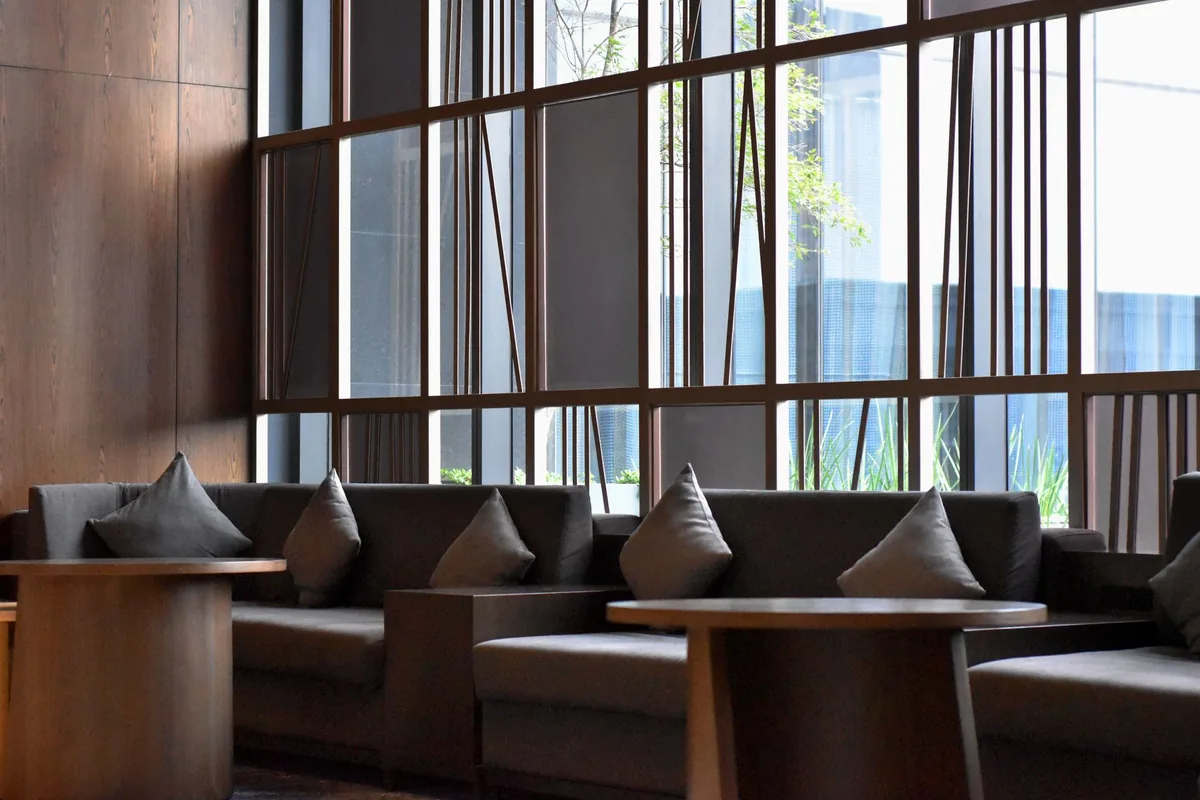
Securing brand consent to keep current furniture requires visual evidence, repair logs, and guest satisfaction proof showing that replacement would yield no meaningful performance lift [1]. Operators can propose retaining well-maintained desks, side tables, sofas, and case goods rather than purchasing required replacements, provided every piece shows verifiable upkeep [1]. Lodging Magazine noted that capital expense outlays can be softened by staggering the purchasing schedules for soft goods such as cushions, draperies, and bedding packages [1]. Conversely, operators should willingly direct funding toward high-impact categories like mattresses and digital guestroom technology even if the official brand mandate omits them, as these improvements directly drive customer sentiment [1].
| Asset Category | Recommended Maintenance Strategy | Negotiating Leverage with Brand |
|---|---|---|
| HVAC, Plumbing & Roofing | Rigorous preventive maintenance cycles [1] | Defrays multimillion-dollar premature equipment replacements [1] |
| Case Goods, Desks & Sofas | Documented repair logs and photo evidence [1] | Justifies retention waivers when condition does not harm guest sentiment [1] |
| Bedding, Drapery & Soft Goods | Staggered replacement cycles [1] | Spreads capital expenses over multiple operating periods [1] |
| Vanities & High-Traffic Surfaces | Specification of quartz and premium materials [1] | Secures approval for durable alternatives that outlast brand cycles [1] |
Why do brand audit records influence waiver approvals?
Regular brand quality audits give operators an established paper trail proving operational alignment and execution credibility before relief discussions begin [1]. Hotel representatives who maintain transparent communication about property investments find brand managers far more receptive when requesting scope adjustments [1]. Lodging Magazine advised that operators should select battles carefully by focusing solely on line items backed by an airtight operational business case [1]. Consistent staff retention also bolsters this relationship; experienced team members execute brand standards reliably, conduct meticulous room inspections, and foster repeat guest loyalty that lifts overall audit and satisfaction scores [1].
Which public areas shape brand flexibility requests?
The arrival sequence—encompassing the front lobby, elevators, and corridors—sets the visual standard that brand inspectors evaluate when assessing physical condition [1]. While guestrooms represent the primary touchpoint for guest satisfaction, neglected common areas undermine an owner's argument that an asset is properly managed [1]. Lodging Magazine reported that stable staffing and disciplined room inspections protect properties between cycles, generating the high inspection marks necessary to make deferral appeals viable [1].
How do premium material substitutions defer future capital outlays?
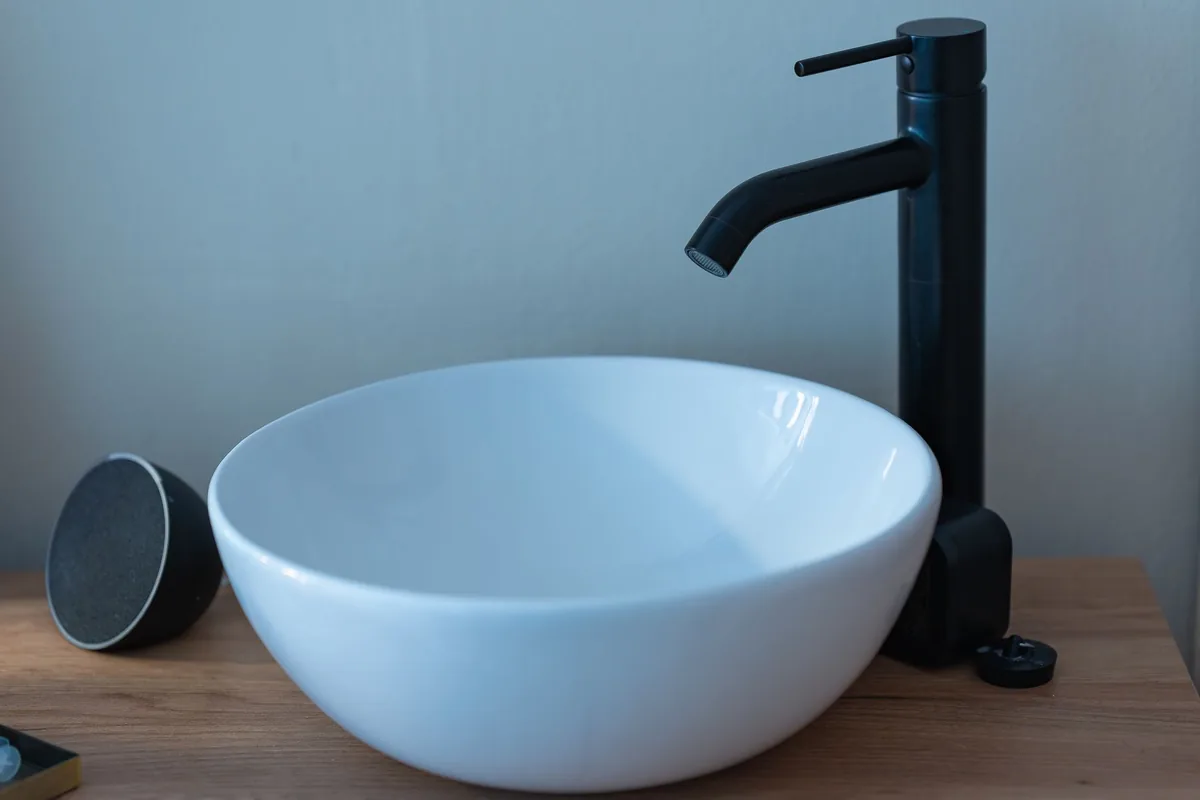
Specifying higher-grade, wear-resistant materials allows physical assets to survive into subsequent renovation cycles without requiring mid-cycle intervention [1]. Installing quartz or alternative solid-surface countertops in place of traditional laminate vanities prevents surface chipping and preserves cosmetic quality over extended operating horizons [1]. Similarly, installing heavy-duty carpets, durable wallcoverings, and commercial-grade paints across corridor and lobby spaces reduces standard maintenance frequencies [1]. Lodging Magazine highlighted that real estate firm Bradford Allen applied these upkeep fundamentals and brand relationship strategies to secure PIP deferrals of at least one year across multiple properties [1].
Reported by
This article was written from the following reporting. Follow the links for the original coverage.
- [1]Five Ways Hoteliers Can Negotiate PIP Relief With Brands— Lodging Magazine
Frequently asked
+How can hotel operators defer property improvement plans?
Hoteliers can secure PIP deferrals by demonstrating rigorous preventive maintenance, presenting photographic condition logs of case goods, maintaining high guest review scores, and developing transparent relationships with brand representatives during audits [[1]].
+Which maintenance items yield the highest return in PIP talks?
Preventive servicing of mechanical infrastructure—including HVAC units, plumbing systems, and commercial roofing—protects high-value equipment from mandatory replacement while prompt cosmetic repairs preserve guestroom finishes [[1]].
+What proof is required to retain existing hotel furniture?
Operators must furnish detailed photographic evidence, written maintenance logs, and guest sentiment metrics proving that keeping existing case goods, tables, and seating will not negatively affect revenues or customer ratings [[1]].
+Why should hoteliers choose quartz instead of laminate for vanities?
Specifying quartz or solid surfaces over laminate improves long-term durability, resists wear and tear, reduces recurring maintenance, and keeps vanities viable across multiple improvement cycles [[1]].
+How long of a PIP deferral can operators achieve?
Documented cases show that real estate operators utilizing disciplined maintenance routines and strong brand communication have obtained deferrals of at least a year across multiple property portfolios [[1]].
Keep reading
Our reporting
More in operations