Digital Dining Menus Drive Bulk of Hotel QR Code Scans
Fresh scan metrics and luxury hotel deployments show in-room digital menus convert guest intent into food and beverage spend.
The short answer
Recent scan data reveals in-room F&B menus drive the vast majority of hotel QR engagement. Brand deployments show direct POS integration converts browsing guests into confirmed dining spend.
“For us, technology should complement rather than replace personal service. IRIS gives our guests greater choice and convenience while giving our team more time to deliver meaningful guest interactions that sit at the heart of the Waldorf Astoria experience.”
The short version
- Scanova's analysis of 7.4 million scans reveals dining menus generate higher engagement than any other hotel QR code.
- Waldorf Astoria Bangkok introduced IRIS mobile dining across 171 rooms with direct Oracle MICROS POS integration.
- 5 percent of QR codes account for 78 to 95 percent of all scan traffic across hospitality and corporate sectors.
In-room digital menus convert into dining spend far more effectively than any other hotel digital compendium feature because they tap directly into high-frequency, immediate guest needs. Scan data covering 7.4 million events across 52 lodging brands shows dining codes generate the highest traffic property-wide, while direct integration into point-of-sale systems allows properties to capture orders instantly without front-desk friction.
What do guest scan patterns reveal about dining engagement?
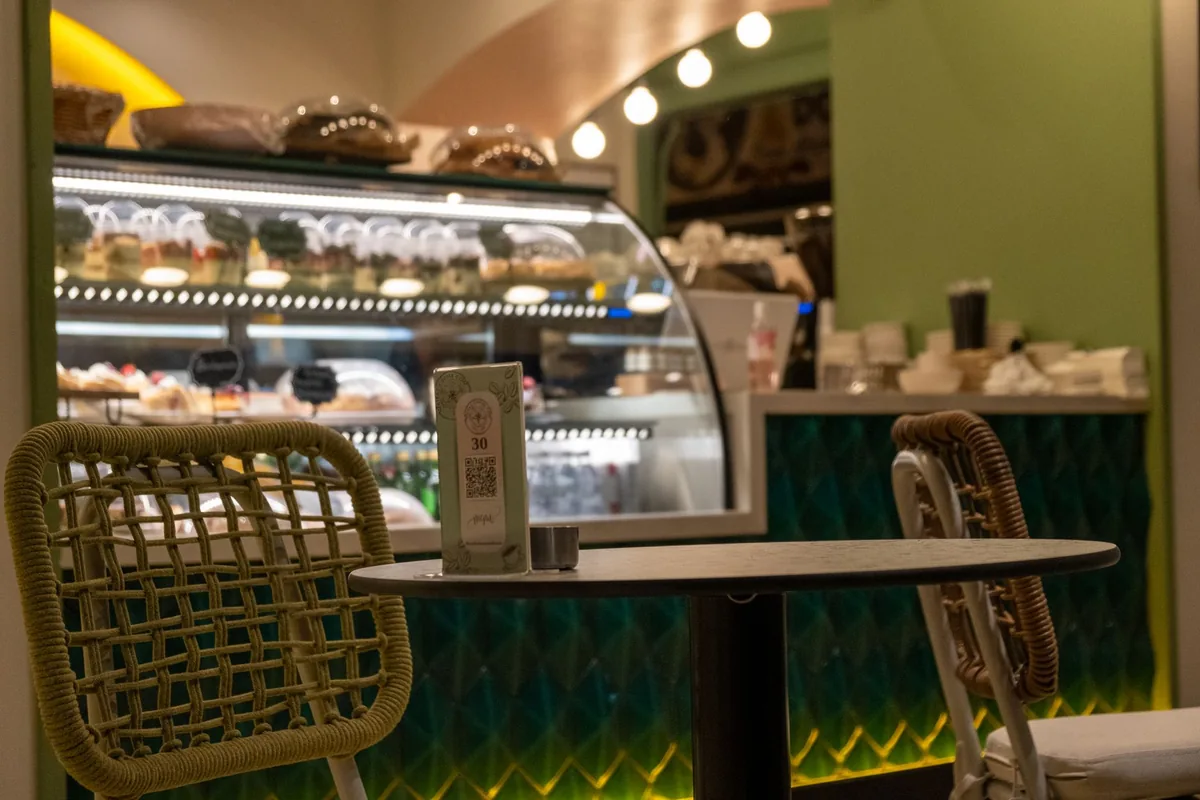
Guests scan food and beverage menus far more frequently than any other on-property QR code touchpoint. According to Lodging Magazine, a study from QR code platform Scanova analyzed 7.4 million scans across 52 hotel and resort brands, discovering that dining menus generate more traffic than WiFi access, loyalty enrollment, checkout, or guest feedback [3]. Across hotels and resorts, codes averaged 2,096 scans over their lifetime, an average pulled upward by a concentrated collection of heavily scanned dining links [3].
This concentration mirrors behavior across multiple industries. Across hospitality, consumer packaged goods, manufacturing, and food manufacturing, the top 5 percent of QR codes drove between 78 percent and 95 percent of total scan volume within each respective field [3]. Dining captures attention because it addresses an urgent, recurring desire, whereas transactional touchpoints like check-in counters see modest engagement during low-dwell moments [3].
How are luxury properties putting digital ordering into practice?
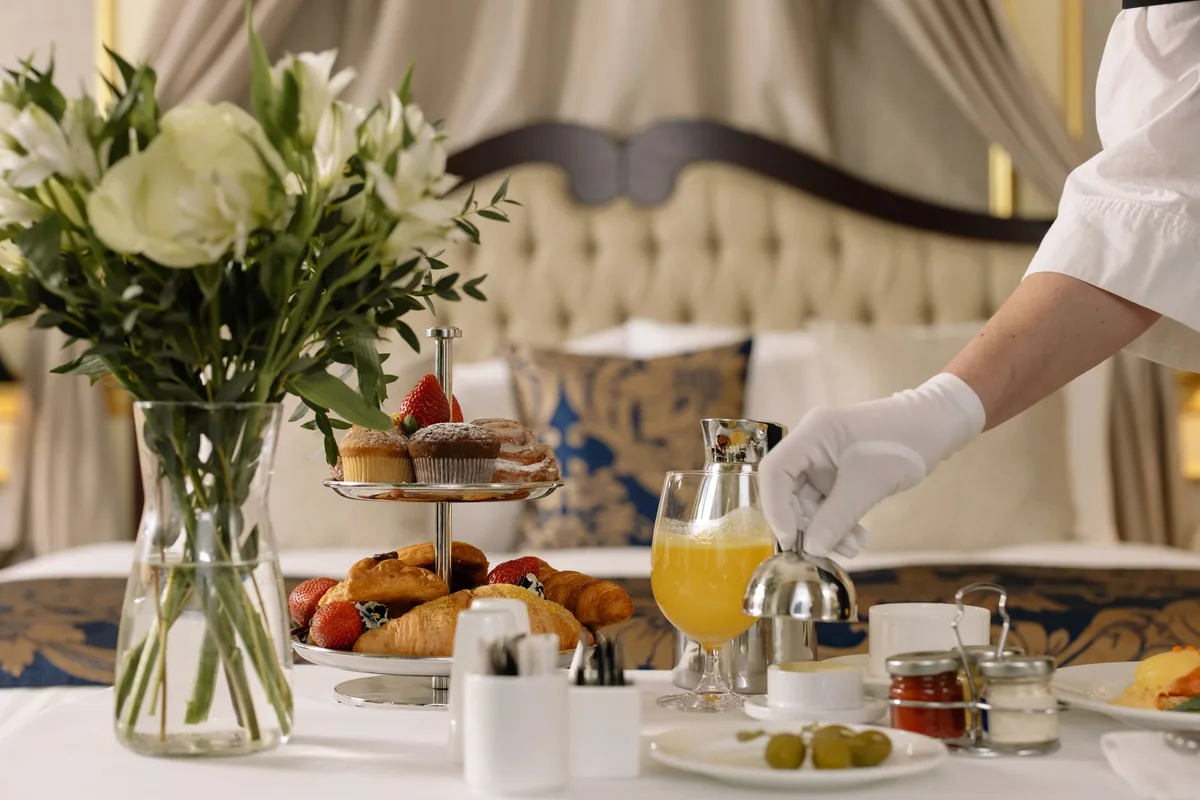
Luxury properties are adopting browser-based digital directories to connect guests straight to the kitchen without mandatory app downloads. In a separate development reported by eHotelier, Waldorf Astoria Bangkok introduced IRIS mobile dining and guest directories across all 171 luxury guestrooms [1]. Guests access the platform via discreet QR codes placed inside guestrooms, alongside check-in links and pre-arrival messages [1].
The property deployed the tool to remove printed compendiums, cut down reprinting lead times, and advance sustainability goals [1]. Guests browse visual menus featuring photography, full ingredient listings, allergen disclosures, and customisation choices before purchasing directly on their personal mobile devices [1].
| Deployment Metric or Benchmark | Industry Study (Scanova) | Property Implementation (Waldorf Astoria Bangkok) |
|---|---|---|
| Core Platform Examined | Scanova QR Generation & Tracking | IRIS Mobile Ordering & Digital Directory |
| Scale of Dataset / Rollout | 7.4 million lifetime scans across 52 brands | 171 luxury guestrooms |
| Primary Guest Touchpoint | In-room and restaurant dining menus | In-room dining, spa, concierge, and breakfast |
| Top Operational Integration | Dynamic destination URL management | Oracle MICROS POS direct kitchen integration |
| Relative Engagement Level | Top 5% of codes deliver 78% to 95% of volume | Replaces physical room service binders entirely |
How does POS integration affect order volume and accuracy?
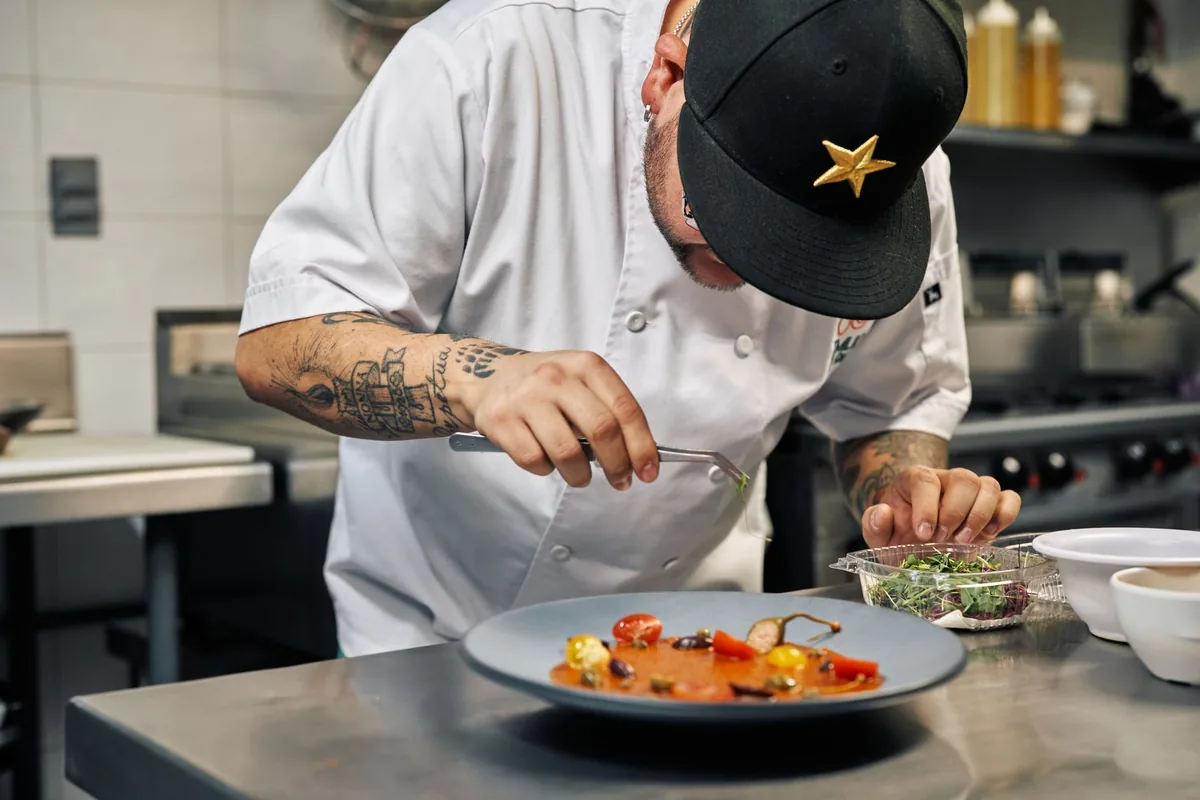
Direct point-of-sale integration eliminates the manual order entry that often leads to bottlenecks and order mistakes during peak room service hours. At Waldorf Astoria Bangkok, orders entered on guest smartphones feed immediately into the hotel's Oracle MICROS POS system [1]. Direct injection into the kitchen workflow frees operational personnel from taking telephone orders or manually re-entering tickets [1].
Marcus Bird, Chief Revenue Officer at IRIS, stated in eHotelier that direct integration with the POS reduces manual processes, supports service efficiency, and creates additional opportunities to capture F&B spend and retain revenue within the hotel [1]. The system also introduces scheduled breakfast pre-ordering, allowing guests to arrange morning meals the night before [1].

Why do traditional printed room compendiums fail commercially?
Static in-room paper compendiums restrict promotional agility and remain locked inside the guestroom where guests spend only part of their stay. In a separate operational analysis, eHotelier reported that traditional paper folders cannot be updated in real time when menus, operational hours, or prices change [2]. Reprinting binders involves time-consuming labor and expense, meaning seasonal dishes or happy hour promotions cannot be launched instantaneously [2].
By contrast, digital platforms powered by a central content management system allow hoteliers to push dynamic dining promotions across pools, lobbies, and guestrooms [2]. Guests can order lunch by the pool or drinks in the lobby without waiting on hold on an in-room telephone [2].
Does self-service ordering detract from luxury hotel service?
Luxury operators report that self-service technology protects human service standards by shifting staff focus away from transactional information requests toward personal engagement. Paweena Waraha, Hotel Manager at Waldorf Astoria Bangkok, explained that technology must complement personal service rather than replace it, freeing the team to focus on high-impact guest interactions [1].
When guests retrieve everyday items like Wi-Fi passwords, facility opening hours, or room service menus on their phones, front desk queues and telephone holding queues shrink [2]. Hotel staff then spend less time answering repetitive questions and more time delivering attentive hospitality during critical service moments [[1], [2]].
Reported by
This article was written from the following reporting. Follow the links for the original coverage.
- [1]Waldorf Astoria Bangkok Deploys IRIS Mobile Dining— eHotelier
- [2]Digital Directories Replace In-Room Binders to Boost Revenue— eHotelier
- [3]Study: F&B Menus Drive Bulk of Hotel QR Code Scans— Lodging Magazine
Frequently asked
+What hotel QR codes do guests scan the most?
Guests scan in-room and restaurant menu codes more than any other use case, including Wi-Fi, loyalty enrollment, checkout, and feedback, according to Scanova data [[3]].
+How does digital dining ordering connect to kitchen systems?
Platforms like IRIS integrate directly with property systems such as Oracle MICROS POS, dispatching orders entered on guest phones straight to the kitchen without manual staff re-entry [[1]].
+Can digital compendiums promote food sales outside the guestroom?
Yes. Digital directories accessible via web QR codes allow guests to browse menus and order poolside, at the beach, or across lobby lounges rather than remaining confined to the bedroom [[2]].
+Do digital menus harm luxury service standards?
Operators find digital menus enhance luxury service by stripping away transactional telephone interactions, allowing front-of-house staff more time to deliver dedicated, face-to-face guest care [[1]].
+Why are printed hotel directories being phased out?
Printed folders cannot display real-time price updates or seasonal promotions, require expensive reprinting, and force guests to call the desk for basic operational details [[2]].
Keep reading
Our reporting
More in operations