Bristol Brand Equity: 200+ Hotels and Lessons for Owners
Over 200 luxury properties share the Bristol moniker, tracing back to an 18th-century aristocrat whose reputation created enduring hotel brand equity.
The short answer
Over 200 independent properties worldwide share the Bristol name, originating from an 18th-century British aristocrat and the 1816 opening of Le Bristol in Paris. This historical naming trend illustrates how true hospitality brand equity requires long-term operational consistency.
The short version
- Frederick Hervey, the 4th Earl of Bristol, inspired over 200 luxury hotels globally rather than the English port city.
- Le Bristol in Paris opened in 1816 to restore English travel confidence following the Napoleonic Wars.
- 200 years of brand equity show that premium name recognition requires persistent operational standards.
More than 200 hotels worldwide carry the Bristol name not because of the English port city, but because of Frederick Hervey, the 4th Earl of Bristol, an 18th-century traveler whose demanding standards created an enduring luxury benchmark [1]. By opening Le Bristol in Paris in 1816 to attract wealthy English travelers after the Napoleonic Wars, hoteliers established a trust-based naming legacy that expanded across Europe and the globe [1].
Who was behind the original Bristol hotel name?
Frederick Hervey, the 4th Earl of Bristol, established the reputation that gave rise to the moniker during the era of the Grand Tour in the 1700s [1]. As eHotelier reported, Hervey was a gourmand and discerning traveler whose exacting standards made his name synonymous with verifiable service and luxury establishments across continental Europe [1].
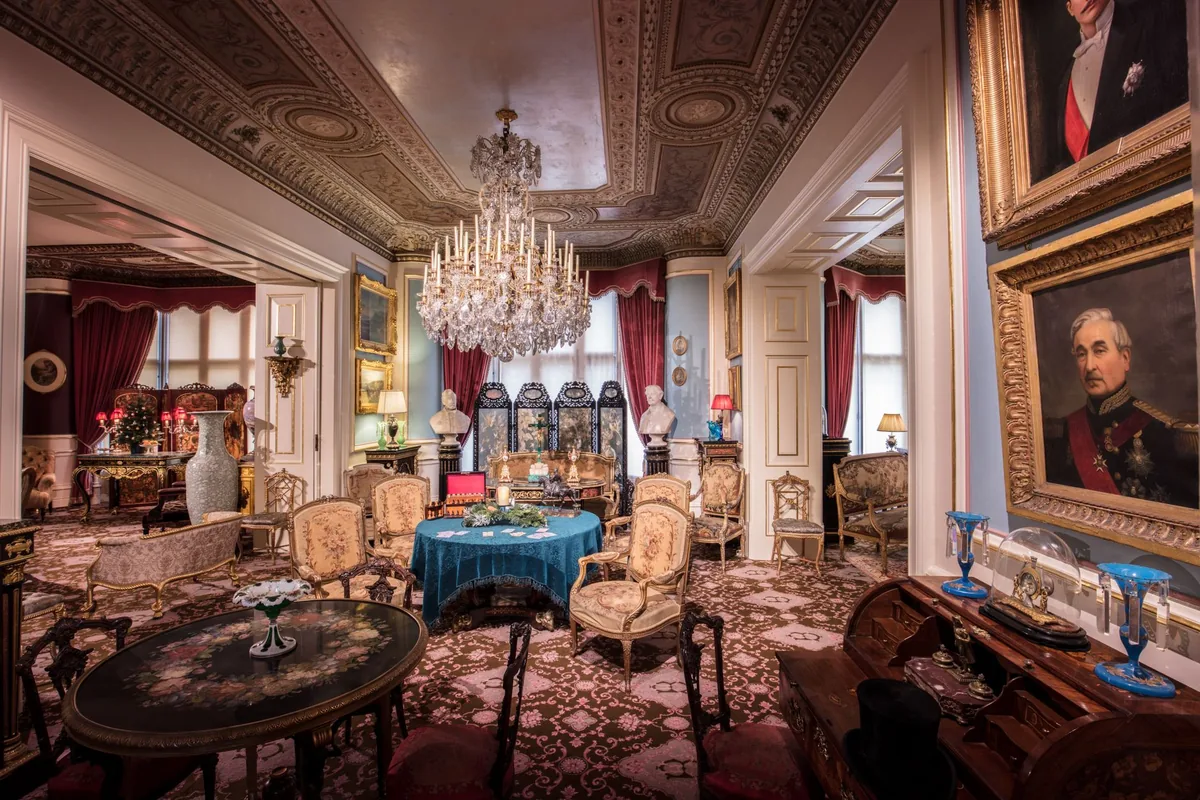
During the Grand Tour, Northern European aristocrats embarked on yearlong journeys or sent their adolescent children to experience cultural capitals such as Paris and Venice [1]. Hervey traveled extensively along these routes, building a personal reputation as an early hospitality influencer whose presence validated an inn's service quality [1].
How did the Napoleonic Wars spark the first Bristol property?
The Napoleonic Wars disrupted international travel in the early 1800s, leading to dwindling occupancies across European inns and lodges along established Grand Tour paths [1]. When the conflict concluded, Parisian operators sought a way to restart tourist flows from Britain [1].
According to eHotelier, Parisian hoteliers opened Le Bristol in 1816, choosing the name specifically to signal luxury and safety to affluent English guests [1]. That original Paris property later became part of the Rosewood hotel collection, demonstrating how early hospitality naming conventions created long-term commercial value [1].
Where did the Bristol name spread across global markets?
Following the Paris opening, properties adopting the Bristol name emerged throughout major European capitals over the next century [1]. Establishments bearing the name opened in Vienna, Geneva, Warsaw, and Oslo [1].
Following World War Two, the name expanded beyond Western Europe into destinations including Berlin, Beirut, and Buenos Aires [1]. Despite lacking centralized corporate ownership or unified management, each independent property adopted the moniker to capture guest trust and command premium rates [1].

| Property / Market | Historical Era / Opening | Geographic Region | Associated Brand Distinction |
|---|---|---|---|
| Le Bristol (Paris) | 1816 | Western Europe | Pioneered name after Napoleonic Wars; now Rosewood [1] |
| Vienna, Geneva, Warsaw, Oslo | Late 19th / Early 20th Century | Central & Northern Europe | Grand Tour urban luxury expansion [1] |
| Berlin, Beirut, Buenos Aires | Post-World War Two | Global / Middle East / Latin America | Mid-20th-century luxury footprint [1] |
What does the Bristol legacy teach modern hospitality operators?
Modern operators launching new concepts often assume travelers immediately understand and trust fresh hotel names, but building commercial return from brand equity requires decades of reinforcement [1]. eHotelier noted that while select-service and operating-expense-efficient properties serve clear market demands, luxury positioning requires continuous maintenance [1].
The historical success of the Bristol name highlights the necessity of maintaining palatial operational standards, including anticipatory service from doormen, bellhops, and front desk clerks [1]. For property owners and investors, establishing long-term asset value means treating a hotel's reputation like a garden that demands daily upkeep rather than short-term quarterly positioning [1].
Reported by
This article was written from the following reporting. Follow the links for the original coverage.
Frequently asked
+Why are so many hotels named Bristol around the world?
They are named after Frederick Hervey, the 4th Earl of Bristol, an 18th-century aristocrat and gourmand whose reputation for high standards made his name synonymous with luxury accommodation.
+When did the first Bristol hotel open?
Le Bristol opened in Paris in 1816, founded after the Napoleonic Wars to signal luxury and safety to returning wealthy English travelers.
+Are all Bristol hotels part of a single corporate brand?
No, the more than 200 Bristol hotels around the world operate as independent properties or within distinct collections rather than under a single cohesive brand.
+Which major cities have featured Bristol hotels?
Major cities with Bristol properties include Paris, Vienna, Geneva, Warsaw, Oslo, Berlin, Beirut, and Buenos Aires.
+What brand equity lesson does the Bristol name offer hoteliers?
It demonstrates that brand trust and premium positioning require consistent, long-term service delivery over decades rather than expecting guests to immediately value new, unfamiliar brand names.
Keep reading
Our reporting


More in marketing