Zero-Waste Kitchens: How Hotel Chefs Reduce Costs and Carbon
Hotel culinary teams deploy AI tracking, nose-to-tail menus, and local sourcing to trim food cost leakage and landfill impact.
The short answer
Hotel culinary operations are reducing food cost leakage and environmental footprints through zero-waste menu design, AI waste tracking, and tighter banquet planning. Examples from Hilton, Rosewood, and regional luxury resorts demonstrate direct savings and guest appeal.
“50-mile menus, root-to-shoot and nose-to-tail dishes, and fermented and pickled items”
The short version
- Hilton piloted root-to-shoot techniques like banana skin dehydration to divert ingredient waste.
- Convention hotels saved over 30 tons of food waste in one year through data-led banquet planning.
- Garnish waste accounted for 8% of total food cost leakage in hotel kitchen tracking analyses.
Hotel culinary teams are reducing kitchen food waste to cut food purchases, trim waste haulage fees, and shrink carbon footprints across food and beverage operations. By adopting AI waste tracking software, redesigned banqueting menus, closed-loop composting, and root-to-shoot recipes, hotel chefs are turning operational waste into measurable financial savings [1].
How do nose-to-tail and root-to-shoot culinary programs work in practice?
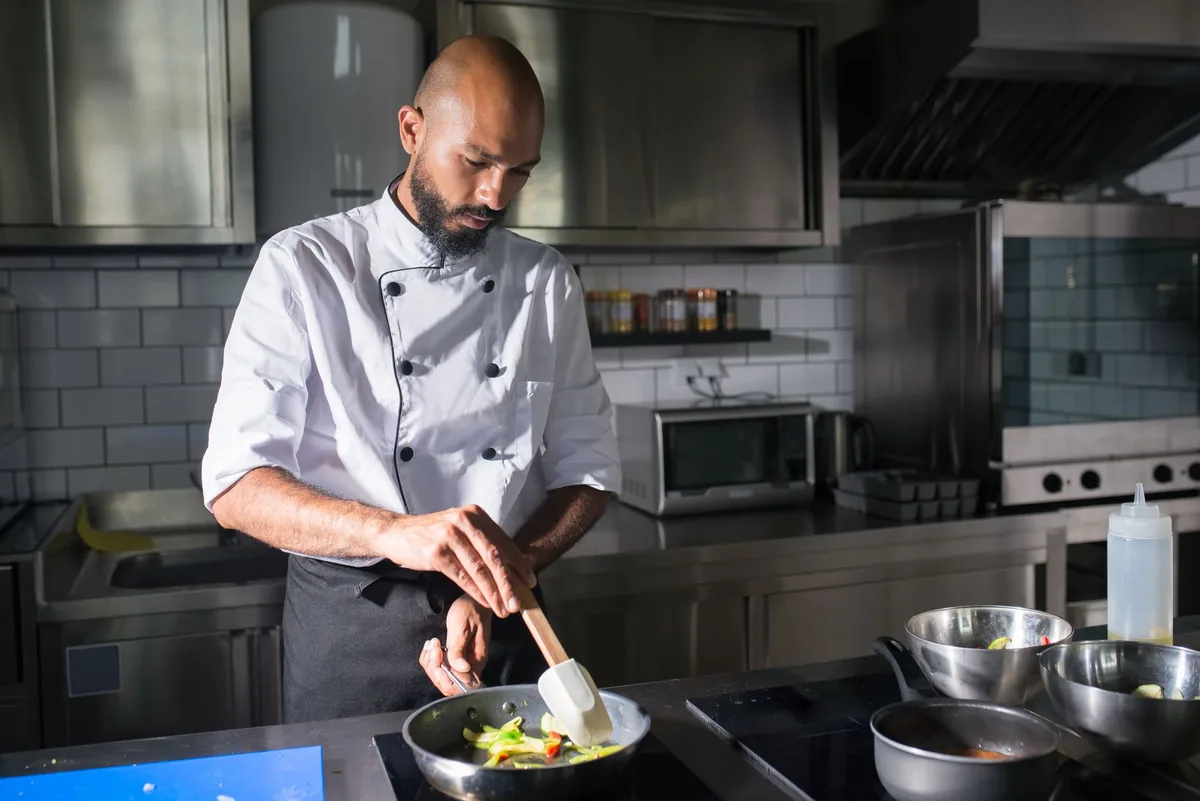
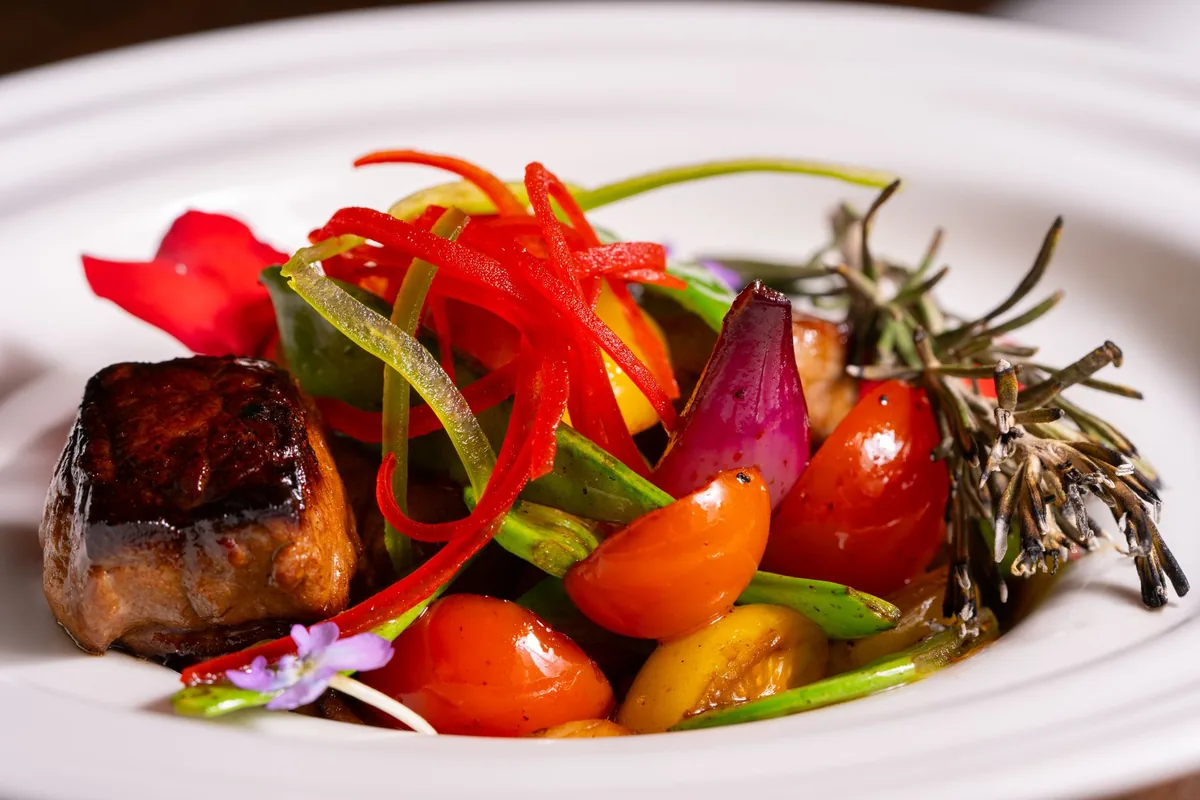
Culinary teams incorporate ingredient trims, off-cuts, bones, and peels directly into guest menus rather than discarding them as garbage [1]. eHotelier reported that Hilton piloted its "Taste of Zero Waste" initiative to turn discarded ingredients into items like fermented watermelon rind "trimchi" and leavening agents made from dehydrated banana skins [1]. Paul Bates, executive head chef at the Hilton London Metropole, developed zero-waste items for daily guest menus and banquet events [1]. Similarly, Restaurant Nolla in Helsinki operates a plastic-free dining environment using composters and daily adjusted menus based on local farm harvests [1].
How can banquet menu redesigns cut food waste and cost leakage?
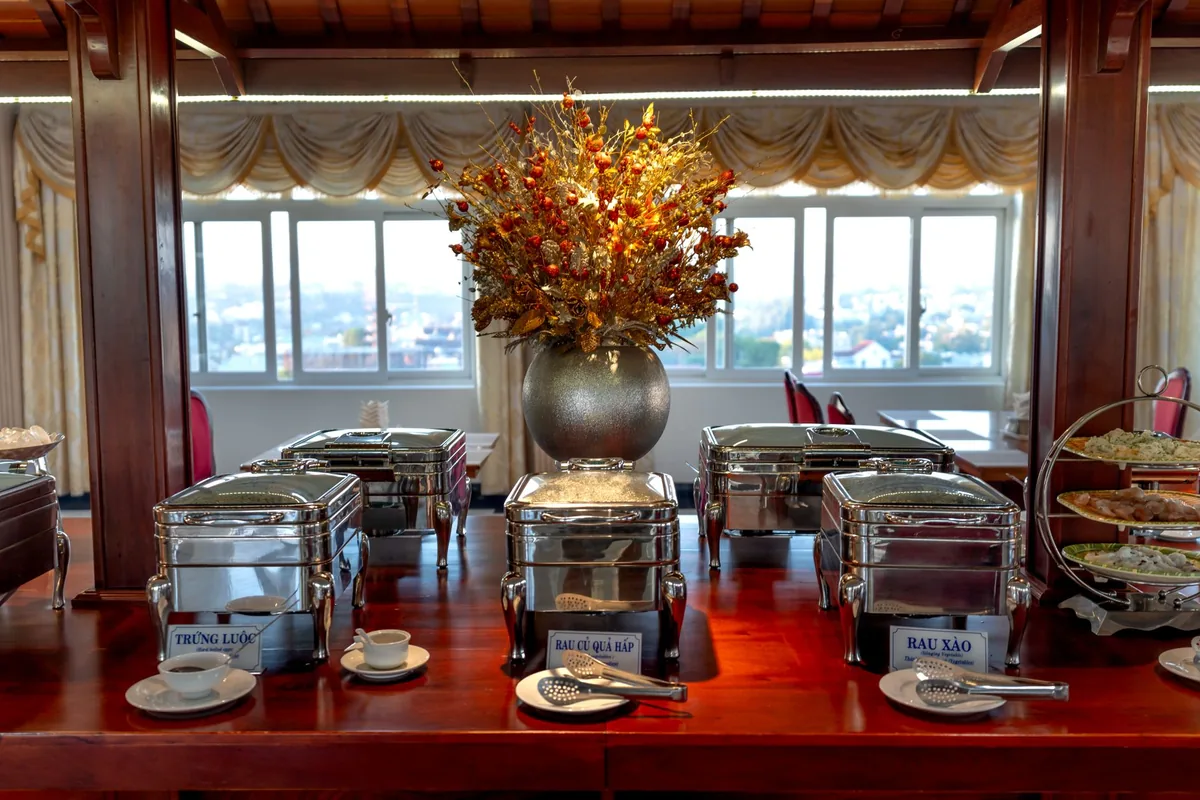
Event menu redesigns address overproduction by aligning prep volumes with historical guest consumption data rather than traditional buffer estimates [1]. According to eHotelier, a 2025 industry report highlighted two large convention properties in the United States that diverted over 30 tons of organic food waste from landfills within 12 months by pairing revised prep models with expanded composting [1]. Tighter inventory management directly lowers food expense rates [1]. An analysis of a hotel kitchen revealed that garnish waste alone accounted for approximately 8% of total food cost leakage [1].
| Property / Program | Location | Zero-Waste Method | Operational Result |
|---|---|---|---|
| Hilton "Taste of Zero Waste" | Global pilot (inc. London) | Fermentation, skin dehydration, nose-to-tail prep | Created items like banana-skin leavening and "trimchi" [1] |
| Restaurant Nolla | Helsinki, Finland | No single-use plastics, local sourcing, composting | Menu adjustments based on weekly local harvest [1] |
| US Convention Hotels (2 properties) | United States | Data-driven prep planning & composting | Diverted 30+ tons of waste from landfill in one year [1] |
| PRENN° (OLM Nature Escape) | South Tyrol, Italy | Slow Food principles & direct producer supply | Earned regional "Hotel of the Year" award in 2026 [1] |
What technologies help hotel kitchens track and process food waste?
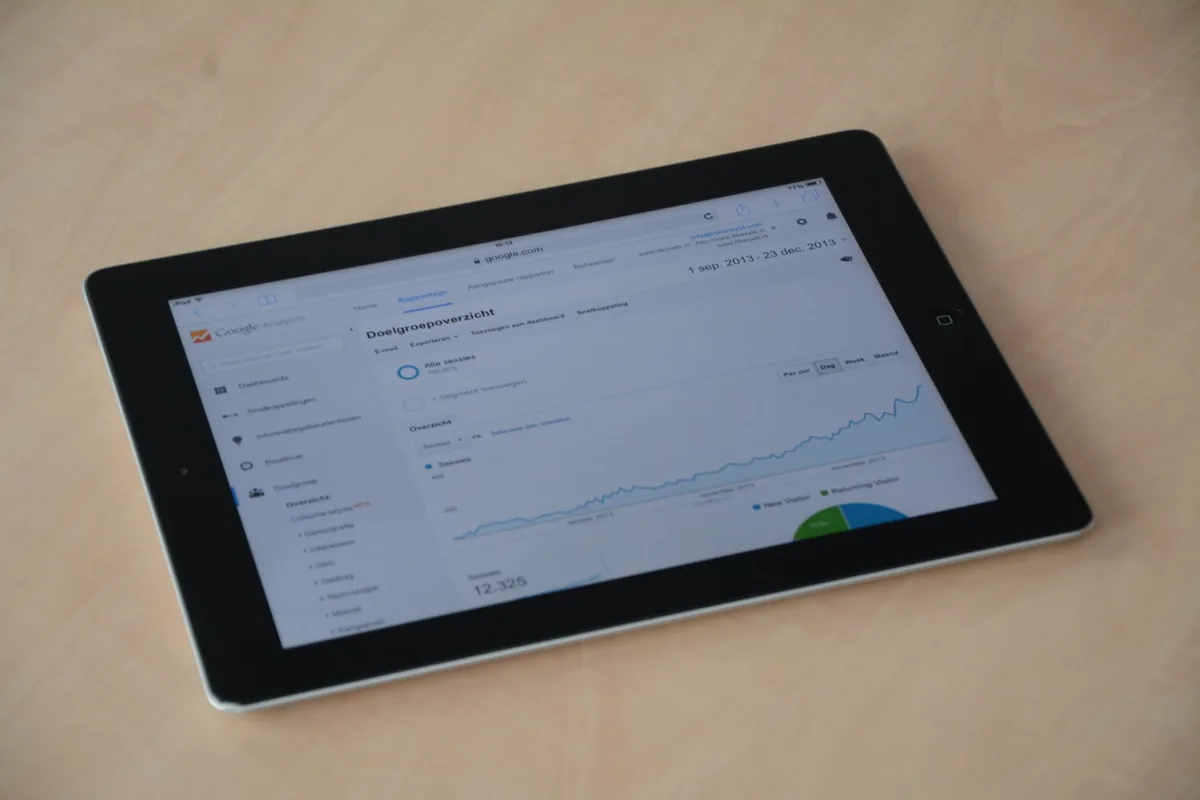
Properties deploy kitchen software and artificial intelligence tools to track prep excess and plate waste [1]. As eHotelier noted, gathering granular data allows chefs to adjust purchasing orders and dish assembly [1]. To manage residual organic waste, properties install on-site aerobic digesters that convert food scraps into nutrient-dense water or fertilizer within approximately 24 hours, eliminating off-site hauling expenses [1]. Other farm-to-table properties, such as a Hudson Valley resort kitchen, utilize closed-loop composting to feed on-site gardens that supply fresh produce back to the restaurant [1].
How does provenance-first sourcing impact hotel guest demand and margins?
Sourcing regional ingredients lowers transportation carbon emissions and delivers distinctive dining experiences [1]. At Rosewood Phuket's Ta Khai restaurant, local chefs source ingredients from nearby fisheries and display an illustrated map for guests detailing supplier locations [1]. Chef Elena Reygadas at Rosetta in Mexico City incorporates heritage ingredients like quelites and wild mushrooms [1]. In South Tyrol, chef Berni Aichner implemented Slow Food regional sourcing at OLM Nature Escape's PRENN° restaurant, which received a regional "Hotel of the Year" recognition in 2026 [1]. These transparent sourcing practices serve as strong guest-facing differentiators compared to conventional sustainability notices [1].
What kitchen culture changes are required to execute zero-waste initiatives?
Successful execution requires hands-on staff training and daily operational targets for the kitchen brigade [1]. Hotels implementing zero-waste workflows run practical sessions on scrap sorting, set measurable reduction metrics, and address waste management during daily shift briefings [1]. Culinary leaders frame food waste not as refuse, but as an usable ingredient until it is officially discarded [1].
Reported by
This article was written from the following reporting. Follow the links for the original coverage.
- [1]Hotel Chefs Cut Costs and Carbon via Zero-Waste Kitchens— eHotelier
Frequently asked
+How does AI waste tracking software benefit hotel kitchens?
AI tracking software monitors kitchen trim, over-prepped items, and plate waste to identify financial loss points. Data reveals operational leakage—such as garnish waste representing roughly 8% of food cost loss—allowing chefs to adjust purchasing and preparation volumes.
+What is nose-to-tail and root-to-shoot cooking in hotel dining?
Nose-to-tail and root-to-shoot cooking utilizes ingredient trims, peels, bones, and off-cuts that are typically discarded. Chefs repurpose these materials into guest dishes, such as fermenting watermelon rinds into kimchi or dehydrating banana peels for baking.
+How can convention hotels cut banquet food waste?
Convention hotels cut banquet waste by planning prep quantities against historical guest consumption metrics rather than overproducing. Combining revised banquet menus with composting helped two US properties divert over 30 tons of waste in one year.
+What are aerobic digesters and how fast do they process waste?
On-site aerobic digesters are processing units that convert kitchen organic waste into nutrient-rich water or fertilizer within approximately 24 hours. They eliminate the cost and emissions associated with trucking organic waste offsite.
+How do local sourcing and provenance maps enhance hotel revenue?
Provenance-first menus shorten supply lines, reduce transit emissions, and create distinct culinary offerings. Displaying local sourcing maps builds guest trust and serves as a tangible sustainability differentiator that drives guest engagement.
Keep reading
Our reporting


More in operations