Aparthotel Conversions: Repurposing Offices and Student Housing
Developers in Edinburgh and Middlesbrough target offices and student housing for conversion into aparthotel stock.
The short answer
Developers in Edinburgh and Middlesbrough are repurposing office townhouses and student accommodation into aparthotels. Planning records show how adaptive reuse helps operators secure extended-stay inventory while navigating local heritage constraints.
The short version
- Limetree Developments reduced its Edinburgh townhouse aparthotel scheme from 90 to 53 rooms to address heritage authority objections.
- Middlesbrough Development Corporation received an application to convert a C3 student block at 144–146 Borough Road into a 13-unit C1 aparthotel.
- 3 November 2026 marks the determination deadline for the Borough Road student accommodation conversion in Middlesbrough.
Property owners and asset managers are actively repurposing underperforming urban real estate—ranging from historic office buildings to student halls—into aparthotel stock to capture lodging demand. Recent regulatory filings in Edinburgh and Middlesbrough show developers targeting commercial office space and student residential assets for conversion to C1 aparthotel schemes. [1], [2]
What property types are developers converting into aparthotels?
Developers are currently converting both commercial office townhouses and purpose-built student accommodation into aparthotels. According to Serviced Apartment News, two separate applications reveal how distinct asset classes provide routes into the extended-stay hospitality market. [1], [2]
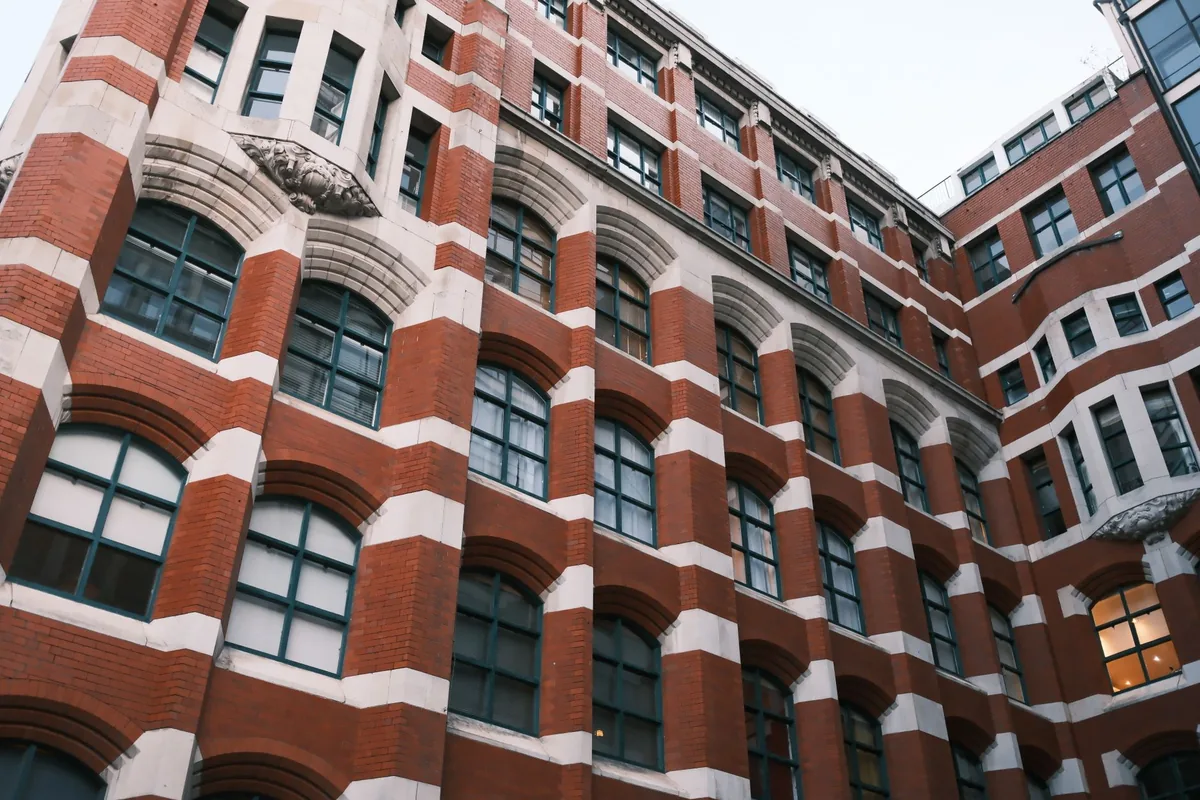
In Edinburgh, developer Limetree Developments (West) Limited filed plans to convert six Georgian townhouses located at 16–26 Forth Street into an aparthotel. [2] The properties, which carry B-listed heritage status in the city’s New Town, most recently operated as commercial office spaces. [2] Serviced Apartment News reported that Edinburgh council committee papers recommended granting permission for the development ahead of a September 30 meeting. [2]
Separately, an application submitted in Middlesbrough targets existing student housing rather than commercial offices. As reported by Serviced Apartment News, plans lodged with the Middlesbrough Development Corporation propose converting a residential student accommodation block at 144–146 Borough Road into a 13-unit aparthotel. [1] The address sits near Teesside University, demonstrating how student housing near educational hubs is being evaluated for hospitality uses. [1]
How do planning frameworks and use classes differ between projects?
Planning requirements vary depending on existing building designations and local conservation priorities. In Middlesbrough, the proposal requires a formal change of use from C3 student residential to C1 aparthotel status. [1] The application at Borough Road underwent a public consultation period ending 30 September, with a final determination deadline established for 3 November 2026. [1]

The Edinburgh scheme at Forth Street deals with commercial office conversions within a protected heritage district. [2] In that case, council planning officials recommended approval after the developer altered the initial scheme to appease regulatory observers. [2]
| Location | Developer / Applicant | Original Use | Proposed Use | Unit / Room Count | Key Planning Dates |
|---|---|---|---|---|---|
| 16–26 Forth Street, Edinburgh | Limetree Developments (West) Limited | B-listed commercial offices (6 townhouses) | Aparthotel | 53 rooms (reduced from 90) | Council meeting recommendations on September 30 |
| 144–146 Borough Road, Middlesbrough | Unspecified applicant | C3 student accommodation | C1 aparthotel | 13 units | Consultation ended 30 September; determination deadline 3 November 2026 |
How does existing architecture affect layout modifications?
The structural nature of the original building dictates whether an aparthotel conversion requires complex architectural additions or simple internal reuse. In Middlesbrough, the student accommodation layout transfers directly to aparthotel operations with minimal capital intervention. [1] Architectural diagrams indicate that the internal structure will remain largely unchanged. [1] The Borough Road layout contains six self-contained apartments on the ground floor and seven apartments on the first floor. [1] Each unit already incorporates an en-suite bathroom and independent cooking facilities, and the property retains existing communal elements, including shared laundry amenities. [1]
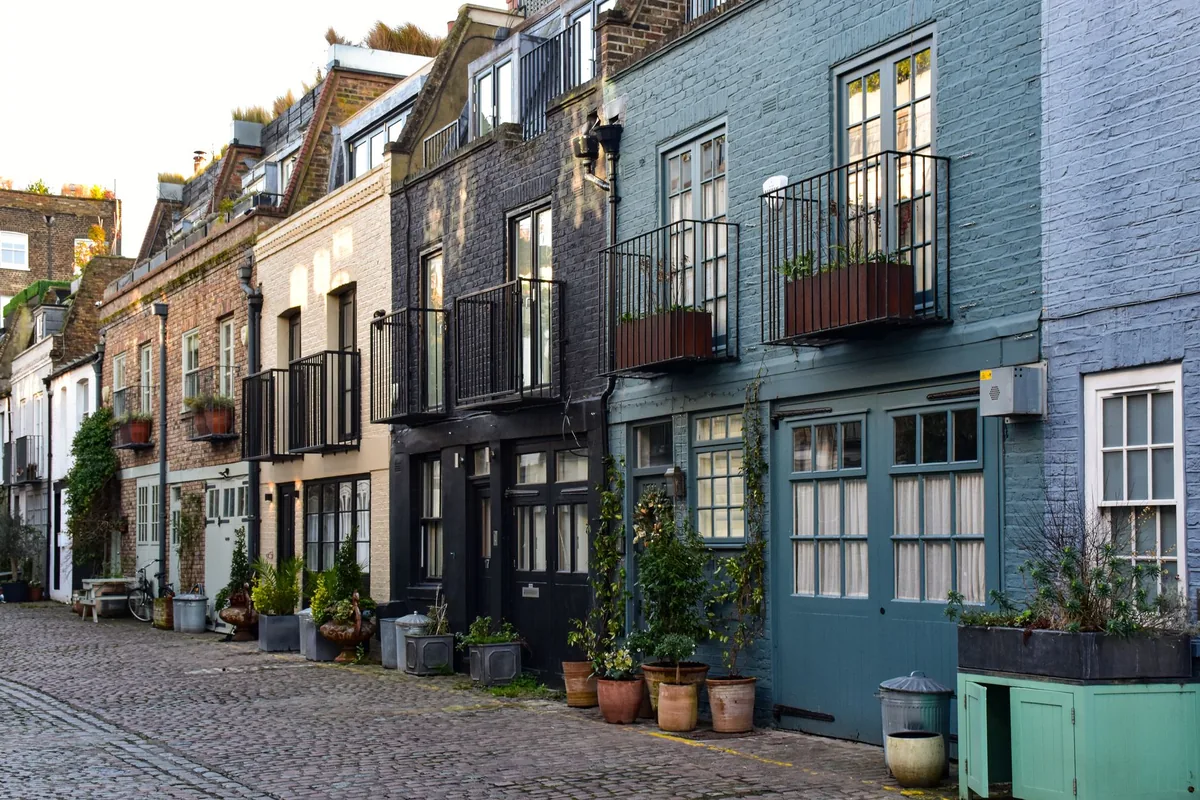
Conversely, converting the Edinburgh townhouses requires external construction and sensitive structural reconfiguration. Architectural firm AMA Studio designed the Forth Street project, incorporating a two-storey masonry brick extension with attic-storey accommodation and dormer-style windows in the rear space. [2]
How do heritage bodies influence aparthotel development plans?
Heritage and conservation authorities can force asset managers to reduce density and adapt building envelopes. During the planning process for the Edinburgh townhouses, Historic Environment Scotland raised formal concerns regarding the density of the scheme. [2] In response, Limetree Developments (West) Limited scaled down the scheme from an initial 90 units to 53 rooms to secure planning officer support. [2]
Despite the room reduction and the council recommendation for approval, preservation groups continue to resist structural changes to the historic fabric. Edinburgh World Heritage described the proposed rear extension as “objectionable,” arguing that the addition erodes the traditional building pattern established across Edinburgh's New Town. [2] Addressing these criticisms, AMA Studio explained in the project's design and access statement that the rear extension reflects the scale and height of neighboring mews architecture at 16 Union Street. [2]
Reported by
This article was written from the following reporting. Follow the links for the original coverage.
- [1]Middlesbrough Student Block Faces Aparthotel Conversion— servicedapartmentnews.com
- [2]Edinburgh Office Conversion Into Aparthotel Set for Approval— servicedapartmentnews.com
Frequently asked
+What types of buildings are being converted into aparthotels?
Recent planning records show conversions targeting both commercial office buildings and purpose-built student accommodation. For instance, developers have filed schemes to convert six Georgian office townhouses in Edinburgh and a 13-unit student housing block in Middlesbrough into aparthotels.
+What planning use classes apply to aparthotel conversions?
In the UK planning system, developers often seek a change of use to C1 hotel or aparthotel status. In Middlesbrough, the developer submitted an application to change the designation of 144–146 Borough Road from C3 student residential to C1 aparthotel.
+Why is student housing well-suited for aparthotel conversion?
Student blocks often require minimal structural alteration to function as extended-stay units. The 13-unit Middlesbrough property features an unchanged internal layout where each apartment already includes private cooking facilities and an en-suite bathroom, alongside communal laundry facilities.
+How can heritage concerns affect aparthotel room counts?
Heritage interventions can force developers to reduce unit density. In Edinburgh, Limetree Developments scaled down its aparthotel project at 16–26 Forth Street from 90 units to 53 rooms following objections raised by Historic Environment Scotland.
+What extensions are being proposed for historic office conversions?
At 16–26 Forth Street in Edinburgh, architect AMA Studio proposed a two-storey masonry brick extension featuring attic-storey accommodation and dormer-style windows designed to mirror the historic pattern of mews developments in rear spaces.
Keep reading
Our reporting
More in finance